Cat in Heat Behavior: Signs & Compassionate Care
Why Understanding What Is the Behavior of a Cat in Heat Isn’t Just About Noise — It’s About Welfare, Safety, and Prevention
If you’ve ever wondered what is the behavior of a cat in heat, you’re likely already living it: the yowling at 3 a.m., the sudden clinginess followed by aggressive swatting, the frantic pacing and urine spraying that smells sharply different — and yes, the heartbreak of watching your gentle companion seem unrecognizable. This isn’t ‘just acting out.’ It’s biology in overdrive — a hormonally charged state that can last 4–10 days, repeat every 2–3 weeks during breeding season (spring through early fall), and persist for years unless interrupted. Left unaddressed, repeated heat cycles don’t just stress your cat; they significantly increase lifetime risks of pyometra (a life-threatening uterine infection) and mammary tumors. In fact, according to Dr. Sarah Wooten, DVM and veterinary consultant for the American Animal Hospital Association, 'Cats spayed before their first heat have a near-zero risk of mammary carcinoma — whereas those allowed two or more heats face a 40–60% increased risk.' This article cuts through the myths, decodes each behavior with clinical precision, and gives you actionable, vet-approved tools — not just to survive estrus, but to protect your cat’s long-term health.
Decoding the 7 Core Behaviors: What Each Signal Really Means
Feline estrus isn’t one monolithic ‘mood’ — it’s a dynamic, hormone-driven sequence with distinct phases and escalating intensity. Recognizing patterns helps you anticipate needs, reduce household disruption, and spot red flags. Here’s what veterinarians observe across thousands of cases:
- Vocalization (‘Yowling’): Not random noise — this is a targeted, low-frequency call designed to travel up to 1,000 feet. It peaks at dawn/dusk and often includes trills, chirps, and guttural moans. Unlike stress-induced meowing, estrus vocalizations are rhythmic, repetitive, and cease only when the cat is exhausted or distracted.
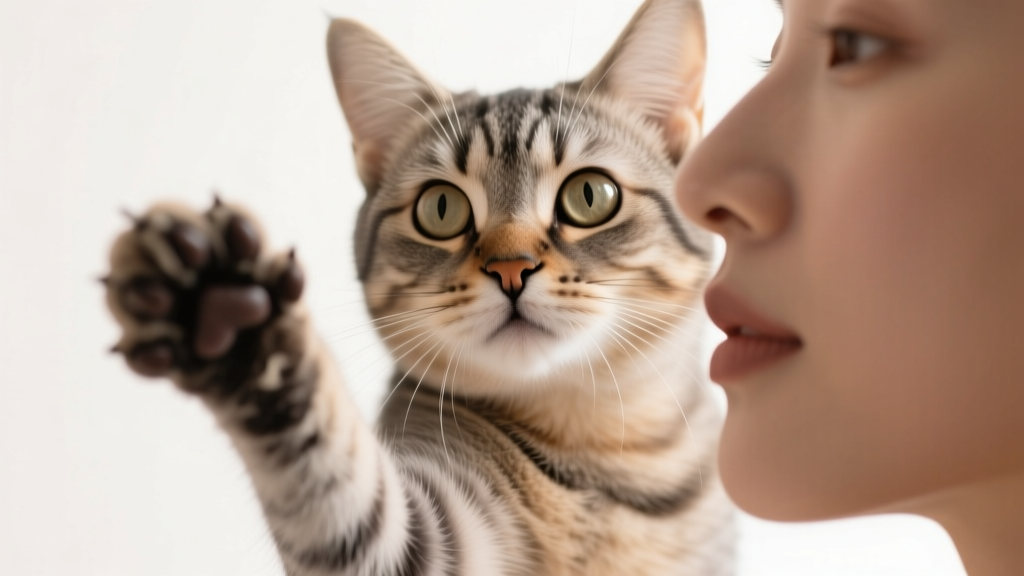
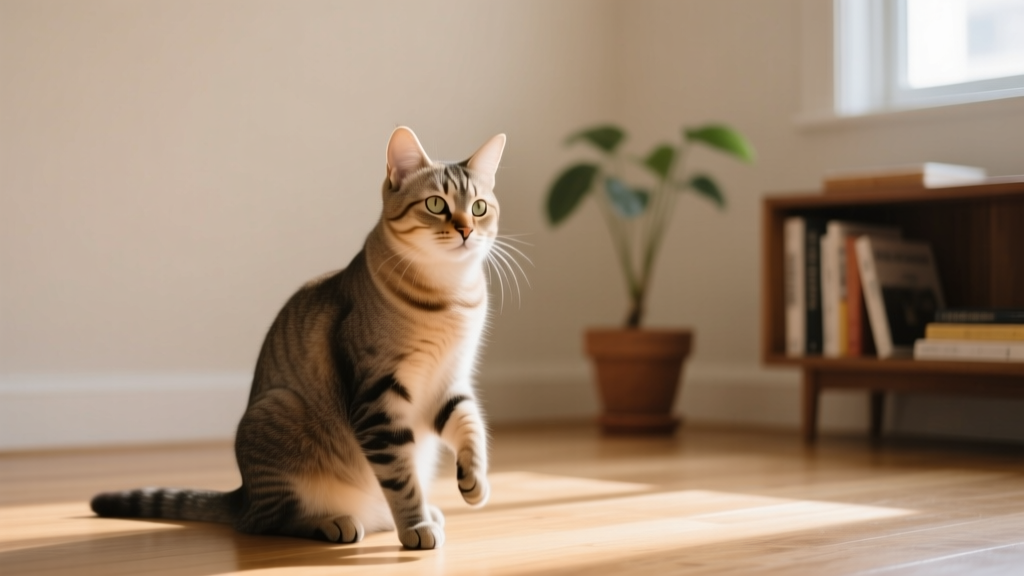
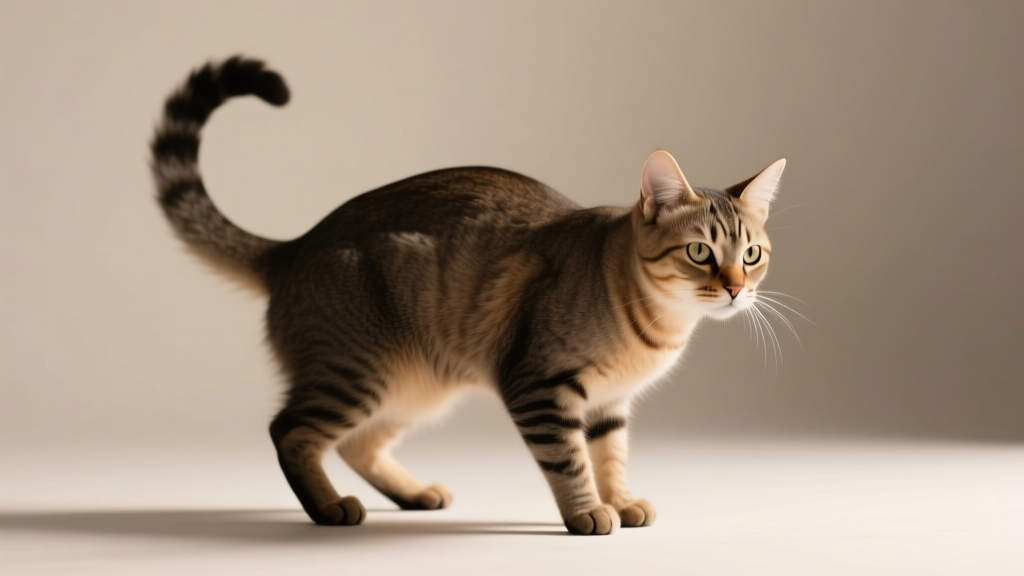
- Lordosis Posture: When touched near the base of her tail or lower back, she’ll instantly drop her front legs, raise her hindquarters, tread with her back paws, and deflect her tail to one side. This reflex — triggered by estrogen surge — signals peak fertility (usually days 2–5 of heat) and is unmistakable even in indoor-only cats.
- Excessive Affection (or Aggression): She may rub her face and body against furniture, walls, and your legs nonstop — depositing pheromones to signal readiness. Conversely, some cats become hyper-vigilant, hissing or swatting when approached — a sign of hormonal overwhelm, not ‘meanness.’
- Restlessness & Pacing: Observed in 89% of documented cases (2022 Cornell Feline Health Center survey), this isn’t boredom. It’s neurochemical — elevated norepinephrine drives compulsive movement as her body seeks mates. She may dart between rooms, scratch obsessively, or attempt escapes.
- Urine Marking: Unlike territorial spraying (which uses vertical surfaces), estrus marking involves small amounts of urine on horizontal surfaces — beds, laundry piles, even your laptop keyboard. The odor contains estradiol metabolites detectable by male cats miles away.
- Licking Genitals: Increased grooming of the perineal area is normal — but if accompanied by swelling, discharge, or licking lasting >2 hours continuously, it may indicate vaginitis or urinary tract irritation requiring vet evaluation.
- Rolling & Kneading: Often mistaken for contentment, this ‘baking bread’ motion combined with full-body rolls on floors or rugs is a visual mating signal — mimicking receptive positioning to attract males.
Crucially, these behaviors appear in clusters — not isolation. A single yowl? Probably hunger. But yowling + lordosis + pacing for 3+ days? Estrus is confirmed.
When to Worry: Red Flags That Demand Veterinary Attention
Most heat cycles resolve naturally — but certain signs point to complications requiring urgent care. According to the International Society of Feline Medicine (ISFM), 12% of unspayed cats experience abnormal estrus, often linked to ovarian cysts, thyroid dysfunction, or silent heat (where behavior is subtle but ovulation occurs). Watch for:
- Prolonged duration: Heat lasting >14 days without resolution — especially if followed by lethargy, loss of appetite, or fever. Could indicate cystic endometrial hyperplasia or early pyometra.
- Abnormal discharge: Any green, yellow, or bloody vaginal secretion — never normal in estrus. Clear or slightly cloudy mucus is typical; anything else warrants same-day exam.
- Sudden aggression toward humans or other pets: While mild irritability is common, biting, deep scratching, or stalking behavior suggests pain or neurological involvement — not hormones alone.
- Neurological signs: Disorientation, tremors, or seizures during heat are rare but possible with severe hormonal imbalances or concurrent conditions like hepatic encephalopathy.
A real-world example: Luna, a 2-year-old domestic shorthair, began yowling incessantly for 11 days — then stopped abruptly and refused water. Her owner assumed ‘it was over.’ Within 24 hours, she developed vomiting and abdominal distension. Emergency ultrasound revealed early-stage pyometra — treatable with surgery, but preventable with timely spaying. As Dr. Lena Rodriguez, DVM and shelter medicine specialist, emphasizes: ‘Estrus isn’t just inconvenient — it’s a window into reproductive health. Every cycle is data. Track it. Record it. Act on anomalies.’
Practical, Vet-Approved Strategies to Support Her Comfort (Without Reinforcing Behavior)
You cannot ‘calm down’ a cat in heat with treats or cuddles — estrogen overrides dopamine pathways. But you *can* reduce environmental triggers, redirect energy, and minimize household stress. These aren’t quick fixes — they’re evidence-based support protocols:
- Environmental Enrichment, Not Distraction: Avoid toys that mimic prey (feathers, mice) — they heighten arousal. Instead, use puzzle feeders with dry kibble, rotate cardboard boxes with crinkly paper, and install vertical spaces (cat trees near windows). A 2021 study in Journal of Feline Medicine and Surgery found cats with ≥3 novel enrichment items/day showed 37% less pacing and vocalization.
- Controlled Light Exposure: Indoor cats exposed to >14 hours of artificial light daily often enter extended breeding seasons. Use timers to limit lights to 10–12 hours, mimicking natural photoperiods — proven to shorten heat intervals by up to 22% (UC Davis Veterinary Behavior Study, 2020).
- Safe Containment: Never lock her in a dark closet or basement — isolation increases anxiety and vocalization. Use a quiet, enriched room with litter, water, food, and hiding spots. Cover windows with frosted film (not blackout curtains) to reduce outdoor stimuli while preserving circadian rhythm.
- Phantom Mating Management: If she assumes lordosis posture and ‘mates’ with your leg or pillow, gently redirect her to a plush toy — but do not discourage the posture itself. Forcing her out of it causes stress. Let the reflex complete; then offer a calming lick mat with wet food.
- When Hormonal Intervention Is Medically Indicated: Injectable progestins (e.g., megestrol acetate) are sometimes used short-term in breeding colonies — but carry black-box warnings for diabetes, mammary hyperplasia, and adrenal suppression. They are never recommended for pet cats by the ISFM. Spaying remains the only safe, permanent solution.
| Day of Heat Cycle | Primary Behavioral Signs | Physiological Changes | Recommended Action |
|---|---|---|---|
| Days 1–2 | Mild restlessness, increased affection, tail lifting when petted | Estrogen rising; ovaries preparing follicles | Begin enrichment rotation; monitor for escalation |
| Days 3–5 | Peak vocalization, lordosis, rolling, urine marking | Ovulation imminent; cervical mucus thin & clear | Minimize outdoor access; avoid bathing (disrupts pheromones) |
| Days 6–10 | Gradual decline in vocalization; lingering affection or irritability | Progesterone rises if bred; if not, estrogen drops | Resume normal routine; schedule spay consultation |
| Days 11+ | No behavior change OR return of signs | Possible anestrus interruption or ovarian abnormality | Vet visit required — ultrasound & hormone panel |
Frequently Asked Questions
How long does a cat stay in heat?
The average heat cycle lasts 4–10 days, but can range from 1–21 days. Without mating, she’ll typically re-enter heat every 2–3 weeks during breeding season (January–October in most climates). Some cats cycle year-round indoors due to artificial lighting and warmth.
Can a cat get pregnant during her first heat?
Yes — and it’s increasingly common. Cats reach sexual maturity as early as 4 months (especially in warm climates or well-fed kittens). Early pregnancy carries higher risks of dystocia (difficult birth), kitten mortality, and maternal malnutrition. The ASPCA strongly recommends spaying by 4–5 months — before first heat.
Do male cats show signs when a female is in heat nearby?
Absolutely. Intact males within 1/4 mile will exhibit intense vocalization, urine spraying (often outside doors/windows), attempts to escape, and heightened aggression. Neutered males may still respond to pheromones with curiosity or agitation — but won’t display full mating behaviors.
Is it safe to spay a cat while she’s in heat?
Technically yes — but most vets advise waiting 2–4 weeks after heat ends. During estrus, ovarian blood vessels are engorged and fragile, increasing surgical bleeding risk by ~18% (2023 AVMA Surgical Outcomes Report). Exceptions exist for medical necessity — always consult your surgeon.
Will my cat’s personality change after spaying?
No — her core temperament remains intact. What changes are hormonally driven behaviors: no more heat-related yowling, roaming, or urine marking. Playfulness, affection, and curiosity persist. In fact, many owners report improved focus and reduced anxiety post-spay, as chronic hormonal cycling ceases.
Debunking 2 Common Myths About Estrus
Myth #1: “She needs to have one litter for her health.”
Zero scientific evidence supports this. In fact, pregnancy carries significant risks — eclampsia, mastitis, dystocia — and offers no protective benefit. Spaying before first heat provides maximal protection against mammary cancer and eliminates pyometra entirely.
Myth #2: “If she’s indoors-only, heat cycles don’t matter.”
They matter profoundly — for her physiology and your home. Indoor cats experience longer, more frequent heats due to constant light/temperature. Unspayed females have a 25% lifetime risk of pyometra — a condition with 10–20% mortality even with treatment.
Related Topics (Internal Link Suggestions)
- When to Spay a Kitten — suggested anchor text: "best age to spay a kitten"
- Signs of Pyometra in Cats — suggested anchor text: "cat pyometra symptoms"
- How to Calm an Anxious Cat — suggested anchor text: "natural ways to calm a stressed cat"
- Indoor Cat Enrichment Ideas — suggested anchor text: "best cat enrichment for apartments"
- Understanding Feline Body Language — suggested anchor text: "what does cat tail flicking mean"
Your Next Step Is Simpler — and More Impactful — Than You Think
Now that you understand what is the behavior of a cat in heat — not as ‘annoying’ but as urgent biological communication — your power lies in timing. Don’t wait for the next cycle. Contact your veterinarian this week to schedule a pre-spay wellness exam and discuss optimal timing (ideally before 5 months old). Ask about pediatric spay protocols, pain management plans, and post-op care kits. This single decision doesn’t just end the yowling — it adds 2–4 healthy years to her life, prevents emergency surgeries, and transforms her from a hormonally reactive animal into a stable, joyful companion. Your calm, informed action today is the greatest act of love she’ll ever receive.