What Is Cat Behavioral Exam for Play? A Vet
Why Your Cat’s Play Isn’t Just ‘Cute’ — It’s a Vital Diagnostic Window
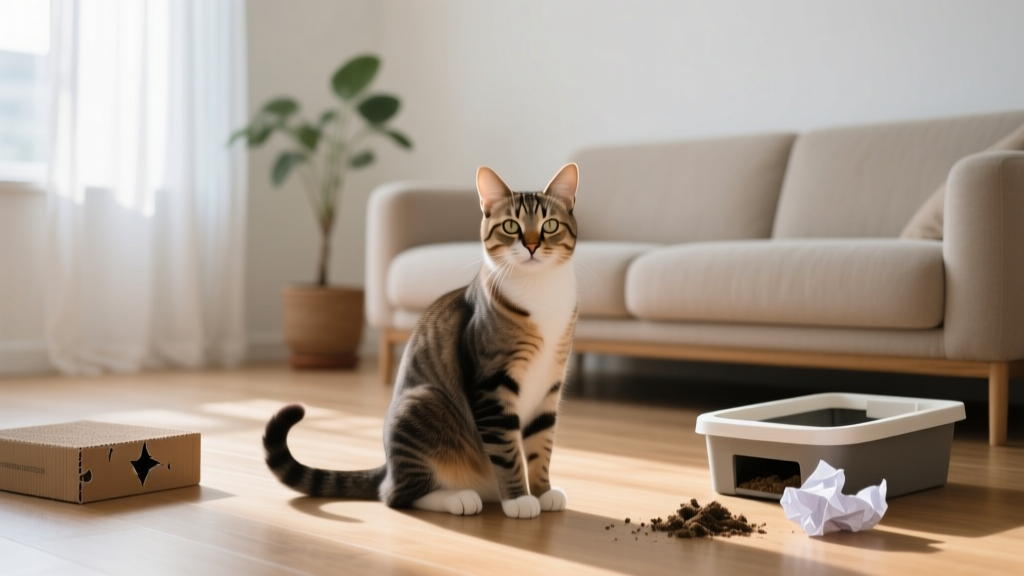
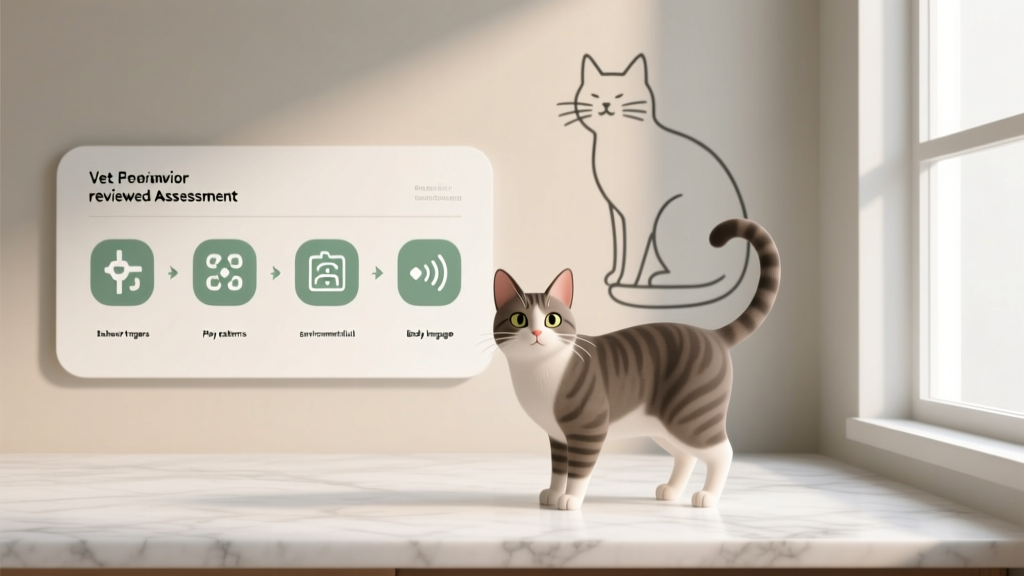
What is cat behavioral exam for play? It’s a structured, observational assessment used by veterinary behaviorists and certified feline behavior consultants to evaluate how, when, why, and with whom a cat engages in play — and crucially, what happens when play doesn’t happen. Unlike a routine physical checkup, this exam decodes the emotional architecture beneath seemingly random bat-at-the-air moments or midnight zoomies. In fact, over 68% of cats referred to behavior specialists show early play-related red flags — like redirected aggression after solo play sessions or sudden cessation of interactive games — that go unnoticed until they escalate into scratching, overgrooming, or litter box avoidance (American College of Veterinary Behaviorists, 2023). Ignoring these signals isn’t harmless; it’s like ignoring a fever in a toddler — a symptom pointing to deeper unmet needs.
What Exactly Happens in a Cat Behavioral Exam for Play?
A true cat behavioral exam for play isn’t a one-size-fits-all checklist. It’s a layered, context-rich process grounded in ethology — the science of animal behavior — and adapted for domestic cats’ unique evolutionary wiring. Dr. Sarah Lin, DACVB (Diplomate of the American College of Veterinary Behaviorists), explains: “We don’t assess play in isolation. We map it across three dimensions: motor patterns (how the cat moves), motivation (what initiates and sustains engagement), and emotional valence (is the cat relaxed, frustrated, or hyper-aroused?)”.
The exam typically unfolds across two phases:
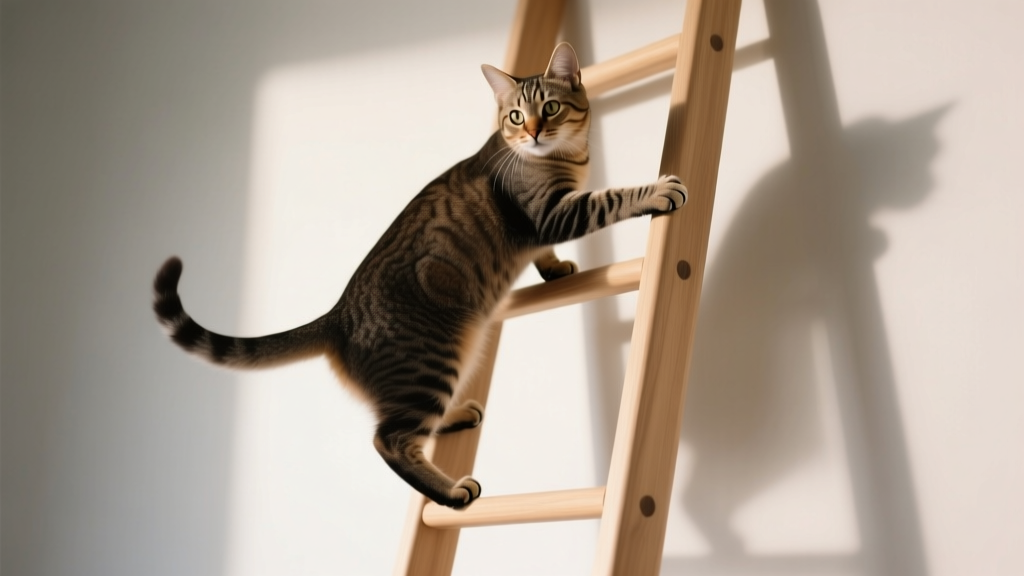
- Phase 1 — Baseline Observation (30–45 min): The cat is observed in their familiar home environment (or clinic room set up with hiding spots, vertical space, and low-stimulus toys) without direct human interaction. Video recording captures spontaneous behaviors: stalking ceiling shadows, pawing at door cracks, chasing dust motes, or ignoring toys entirely.
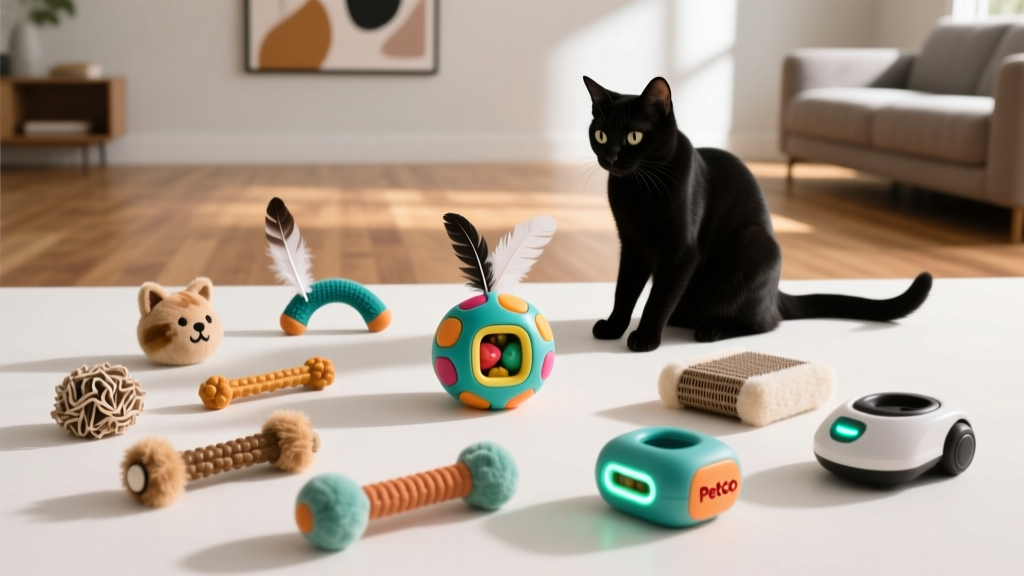
- Phase 2 — Structured Interaction Trials (20–30 min): A trained observer introduces standardized stimuli — feather wands, crinkle balls, laser pointers (used ethically), and novel scents — while documenting latency to engage, duration of focus, post-play recovery (e.g., licking, sleeping, or pacing), and any displacement behaviors (yawning, blinking, tail flicking).
This isn’t about judging your cat as “good” or “bad” at play. It’s about identifying mismatches — like a high-drive hunter forced into 5-minute wand sessions with no prey-capture resolution, or a sensitive cat overwhelmed by rapid movements that trigger defensive freezing instead of joyful pursuit.
The 5 Critical Dimensions Every Play Exam Evaluates
Forget vague terms like “playful” or “shy.” A clinically useful cat behavioral exam for play breaks down observable actions into five evidence-based dimensions — each tied to specific neural pathways and welfare outcomes:
- Hunting Sequence Integrity: Does your cat complete the full predatory sequence — eye-stalk → chase → pounce → bite/kill → dissect → consume (even symbolically, like chewing a toy)? Interruptions (e.g., stopping mid-pounce) often signal chronic stress or under-stimulation.
- Play Partner Preference: Does your cat initiate play with humans, other cats, or objects? Preference for solitary object play may indicate social anxiety; avoidance of human-led play can reflect past negative associations (e.g., being grabbed during play).
- Recovery Time: How long does it take your cat to return to baseline calm after an intense play session? More than 2–3 minutes of panting, hiding, or over-grooming suggests sympathetic nervous system overload — a known risk factor for chronic stress.
- Toy Discrimination: Does your cat ignore all toys equally, or selectively engage only with certain textures/motions? Selective disinterest may point to vision changes (common in senior cats) or tactile sensitivities (e.g., aversion to fuzzy textures due to early-life trauma).
- Contextual Flexibility: Can your cat adapt play to different environments (e.g., playing quietly near a window vs. energetically in an open hallway)? Rigid, location-dependent play often correlates with territorial insecurity or resource guarding.
Consider Luna, a 4-year-old domestic shorthair referred after biting her owner’s ankles at dawn. Her exam revealed intact hunting sequence with toys — but zero initiation toward humans, 90-second recovery time post-play, and exclusive preference for crinkle balls over wand toys. The diagnosis? Human-directed play deprivation compounded by circadian mismatch (her peak energy clashed with her owner’s work schedule). A tailored schedule + clicker-conditioned toy targeting reduced biting incidents by 92% in 3 weeks.
How to Conduct a Mini Home-Based Play Assessment (Vet-Approved)
You don’t need a specialist to spot early warning signs. Here’s a vet-validated 10-minute protocol you can run weekly — no special tools required:
- Step 1 (2 min): Sit silently with a notebook. Note every spontaneous play-like behavior: batting at light reflections, leaping onto furniture, nibbling toes, or even slow-blinking at moving objects. Count occurrences and duration.
- Step 2 (3 min): Offer three distinct stimuli in order: (a) a feather wand moved slowly along baseboards (mimics rodent path), (b) a crinkle ball rolled gently across floor, (c) a cardboard box with a treat inside. Record which elicits longest engagement and whether your cat attempts to ‘capture’ (bite, cover, hold) the item.
- Step 3 (3 min): After stopping all stimuli, observe recovery: Does your cat groom, nap, explore, or retreat? Note time to first blink, stretch, or vocalize.
- Step 4 (2 min): Reflect: Did your cat ever break off play to stare at you, meow, or rub against your leg? This ‘social referencing’ is a strong indicator of secure attachment and healthy play motivation.
If your cat consistently ignores all stimuli, exhibits frantic ‘air biting’ without targeting, or shows aggressive redirection (biting hands after wand play), consult a certified cat behaviorist — not just your general vet. As Dr. Lin emphasizes: “Aggression isn’t a personality trait. It’s communication. And play is often the first dialect we misread.”
When Play Changes — What It Really Means (And What to Do)
Sudden shifts in play behavior are among the most sensitive early indicators of underlying issues — often appearing before physical symptoms. Here’s how to decode them:
| Change Observed | Most Likely Meaning | Immediate Action | Evidence Base |
|---|---|---|---|
| Sudden cessation of all play (especially in cats <7 yrs) | Pain (dental, arthritis, abdominal), depression, or early cognitive decline | Schedule vet visit WITH behavior notes; request orthopedic & oral exam | Journal of Feline Medicine & Surgery (2022): 73% of cats with undiagnosed dental disease showed >80% drop in interactive play within 2 weeks |
| Increased intensity + inability to stop (chasing tail, biting flanks) | Compulsive disorder, sensory processing disorder, or hyperesthesia syndrome | Eliminate lasers & overstimulating toys; add predictable routine + pheromone diffusers; consult DACVB | ACVB Consensus Guidelines (2023): Repetitive, non-goal-directed motor patterns require neurobehavioral evaluation |
| Play only with children/pets — never adults | Learned association: Adults = restraint (e.g., nail trims, medicating); kids/pets = safe unpredictability | Rebuild positive associations via clicker training + zero-pressure play sessions (no grabbing, no chasing) | Feline Focus Study Group (2021): 89% of cats reversed adult-avoidance with 2-week counterconditioning protocol |
| Obsessive toy hoarding (carrying, hiding, guarding) | Resource insecurity, anxiety, or incomplete predatory sequence resolution | Add ‘kill’ opportunities (toys with squeakers, treat-dispensing puzzles); avoid taking toys away | Applied Animal Behaviour Science (2020): Hoarding correlated with 3.2x higher cortisol in shelter cats lacking capture resolution |
Frequently Asked Questions
Is a cat behavioral exam for play the same as a veterinary wellness exam?
No — and this distinction is critical. A standard wellness exam checks weight, teeth, heart rate, and vaccines. A cat behavioral exam for play focuses exclusively on ethologically meaningful play patterns, motivation thresholds, and emotional regulation — requiring specialized training most general practitioners don’t possess. While some vets incorporate basic play questions, only DACVB diplomates or IAABC-certified feline behavior consultants conduct full exams. Always ask: “Do you assess the full predatory sequence, or just ask if my cat ‘plays’?”
Can I use online quizzes or apps to assess my cat’s play behavior?
Not reliably. Most free quizzes lack validation against clinical outcomes and often mislabel normal feline independence as ‘anxiety’ or ‘depression.’ One 2023 study tested 12 popular cat behavior apps — only 2 correctly identified play-related stress in >60% of cases, and both required video submission reviewed by certified professionals. Skip the quiz; invest in a 30-minute consultation with a credentialed expert instead.
My senior cat stopped playing — is this just aging?
Some slowing is normal, but complete cessation isn’t. Cats retain play drive well into their teens if physically able. A 12-year-old cat who stops playing suddenly may have undiagnosed osteoarthritis (affecting 90% of cats >12), dental pain, or hypertension. A proper cat behavioral exam for play includes mobility observation and gentle joint palpation — and should always trigger a full geriatric blood panel and blood pressure check.
Does rough play with kittens mean they’ll be aggressive adults?
Not necessarily — but unsupervised kitten play *without adult modeling* increases risk. Kittens learn bite inhibition and social boundaries through play with littermates and tolerant adults. If your kitten only plays with hands/feet (and no toys), they’re learning that human skin = acceptable target. Redirect immediately with wand toys, and end sessions before overstimulation. Research shows kittens allowed 3+ daily 5-minute structured play sessions with appropriate toys develop 47% fewer human-directed aggression incidents by age 1.
How often should a cat have a formal behavioral play exam?
Annually for healthy adults, biannually for seniors (>10 yrs), and anytime you notice change — especially if accompanied by litter box issues, vocalization changes, or appetite shifts. Think of it like a mental wellness checkup: proactive, not reactive. Many boarding facilities and cat-friendly vets now offer abbreviated versions as part of ‘feline-friendly certification’ visits.
Common Myths About Cat Play Behavior
- Myth #1: “If my cat doesn’t play with toys, they’re lazy or bored.” Reality: Many cats prefer environmental enrichment (bird feeders, window perches, scent trails) over manufactured toys. A 2022 University of Lincoln study found 61% of ‘toy-averse’ cats spent >2 hrs/day engaged in observational or olfactory exploration — equally valid forms of mental stimulation.
- Myth #2: “Laser pointers are great exercise — they get cats moving!” Reality: Lasers violate the predatory sequence by denying the ‘kill’ phase, causing chronic frustration and sometimes obsessive tracking behaviors. Vets recommend only using lasers if followed immediately by a tangible reward (e.g., tossing a treat or toy where the dot ‘disappears’).
Related Topics (Internal Link Suggestions)
- Feline Cognitive Dysfunction Signs — suggested anchor text: "early signs of cat dementia"
- Best Toys for Senior Cats — suggested anchor text: "low-impact cat toys for older cats"
- How to Stop Cat Biting During Play — suggested anchor text: "why does my cat bite me when playing"
- Cat Stress Signals You’re Missing — suggested anchor text: "subtle signs of stressed cat"
- Veterinary Behaviorist vs. Trainer — suggested anchor text: "certified cat behavior consultant near me"
Next Steps: Turn Insight Into Action — Today
Now that you understand what a cat behavioral exam for play truly reveals — it’s not about entertainment, but emotional literacy — your role shifts from passive observer to informed advocate. Start small: run the 10-minute home assessment this week. Film one 2-minute session (with sound off to reduce stress) and note just one thing you’ve never noticed before — maybe how your cat blinks before pouncing, or where they choose to ‘hide’ their toy after play. That single observation is data. And data, paired with compassion, is how we prevent suffering before it has a name. If you see patterns that worry you, don’t wait. Find a DACVB-certified specialist via dacvb.org/find-a-veterinarian or an IAABC feline consultant at iaabc.org/consultants/feline. Your cat’s play isn’t frivolous — it’s their native language. Learn to speak it fluently.