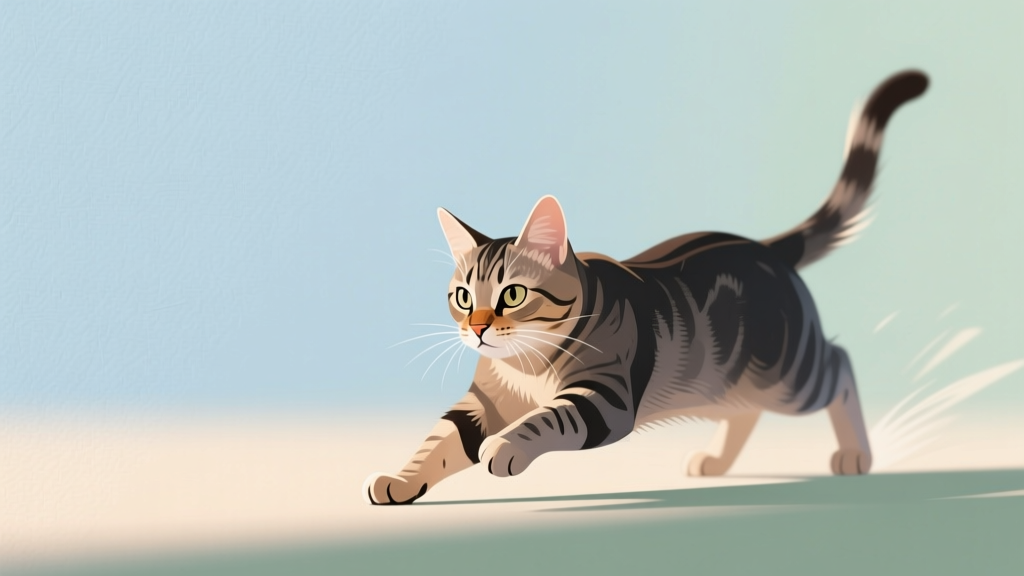
What Is Typical Cat Behavior for Play? 7 Surprising Signs...
Why Understanding What Is Typical Cat Behavior for Play Changes Everything
What is typical cat behavior for play isn’t just about kittens chasing string — it’s the cornerstone of your cat’s mental health, stress resilience, and even lifelong trust in you. Misreading these signals leads to accidental punishment (like scolding a ‘play-biting’ kitten), under-stimulation (causing destructive scratching or nighttime zoomies), or worse — misdiagnosing anxiety or pain as ‘just being playful.’ In fact, a 2023 study in Applied Animal Behaviour Science found that 68% of cats surrendered to shelters exhibited play-related behavioral issues rooted in early misinterpretation by owners. Play isn’t optional enrichment — it’s evolutionary wiring. And when you learn to read it fluently, you stop reacting — and start responding with empathy, precision, and joy.
The 4 Core Phases of Natural Feline Play (And Why Skipping One Causes Problems)
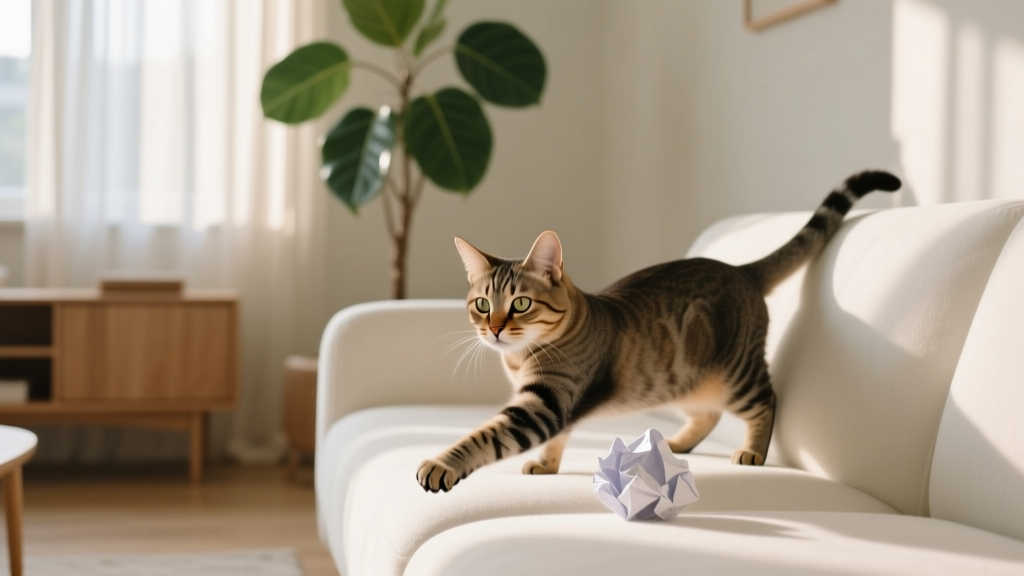
Cats don’t ‘play’ like dogs do — they rehearse survival. Ethologists at the University of Lincoln identified four non-negotiable phases in healthy, species-appropriate play: stalking, chasing, capturing, and disemboweling (a ritualized bite-and-shake). When humans interrupt mid-sequence — say, by pulling away a toy before the ‘capture’ — the cat doesn’t feel satisfied. Instead, frustration builds, often manifesting as redirected aggression toward ankles or furniture.
Dr. Sarah Halls, DACVB (Diplomate of the American College of Veterinary Behaviorists), explains: ‘A cat who only gets to stalk but never captures isn’t playing — they’re experiencing chronic low-grade arousal. That’s why so many “overstimulated” cats suddenly bite during petting. Their nervous system is still revved from an incomplete play loop.’
Here’s how to support each phase intentionally:
- Stalking: Use slow-drag toys (feathers on strings, laser pointers used responsibly) near baseboards or under furniture. Let your cat freeze, pupils dilate, and tail-tip twitch — don’t rush this phase.
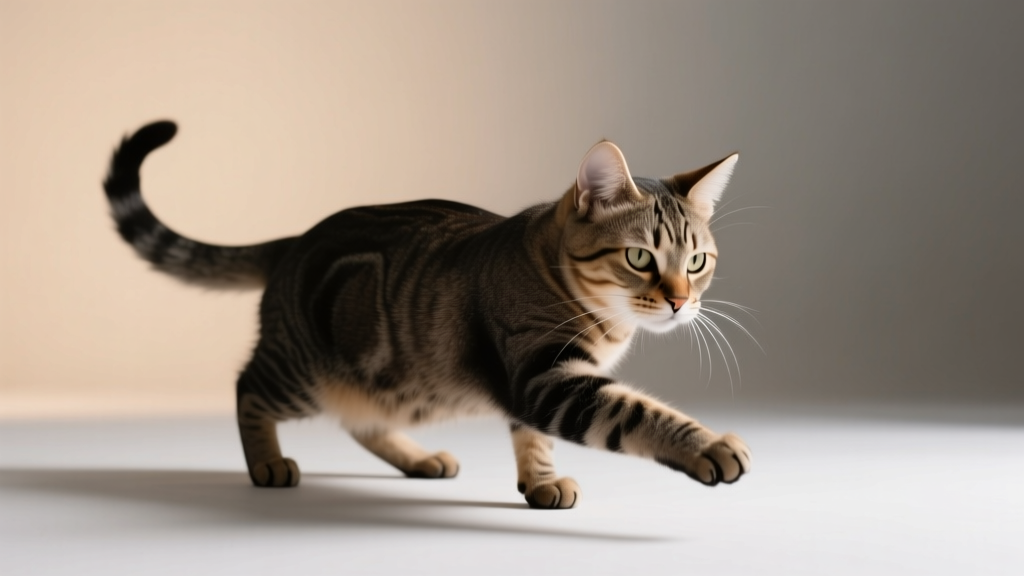
- Chasing: Vary speed and direction unpredictably. Mimic prey escape — pause, dart sideways, hide briefly behind furniture. This triggers pursuit instinct without triggering chase fatigue.
- Capturing: Always end chases with a tangible ‘kill.’ Offer a small treat, a crinkle ball, or a plush mouse they can bite and shake for 10–15 seconds. This completes neurochemical reward pathways.
- Disemboweling: Allow post-capture ritual: gentle biting, kneading, rolling, or even carrying the toy to a quiet corner. Don’t grab it away — let them ‘cache’ it.
12 Telltale Signs — And What They Reveal About Your Cat’s Emotional State
Play isn’t monolithic. A cat’s body language during play tells you whether they’re engaged, overstimulated, anxious, or seeking connection. Below are 12 high-frequency behaviors — decoded with clinical context:
- Slow blink + half-closed eyes: Deep relaxation and trust. Your cat feels safe enough to lower visual vigilance — a sign play is emotionally rewarding, not stressful.
- Vertical tail with quiver: High excitement and positive anticipation — often seen right before pouncing. Not aggression; this is pure joyful readiness.
- Chirping or chattering: Rooted in predatory frustration (e.g., watching birds through glass), but during interactive play, it signals intense focus and engagement — especially common in cats with strong hunting drives.
- Side-to-side ‘crab walk’: A playful invitation — often seen in kittens or bonded adult pairs. It’s their version of ‘wanna wrestle?’
- Ears flattened sideways (‘airplane ears’): Proceed with caution. This signals rising arousal — not necessarily aggression yet, but a clear ‘I’m reaching my threshold.’ Stop moving the toy and give 5 seconds of stillness.
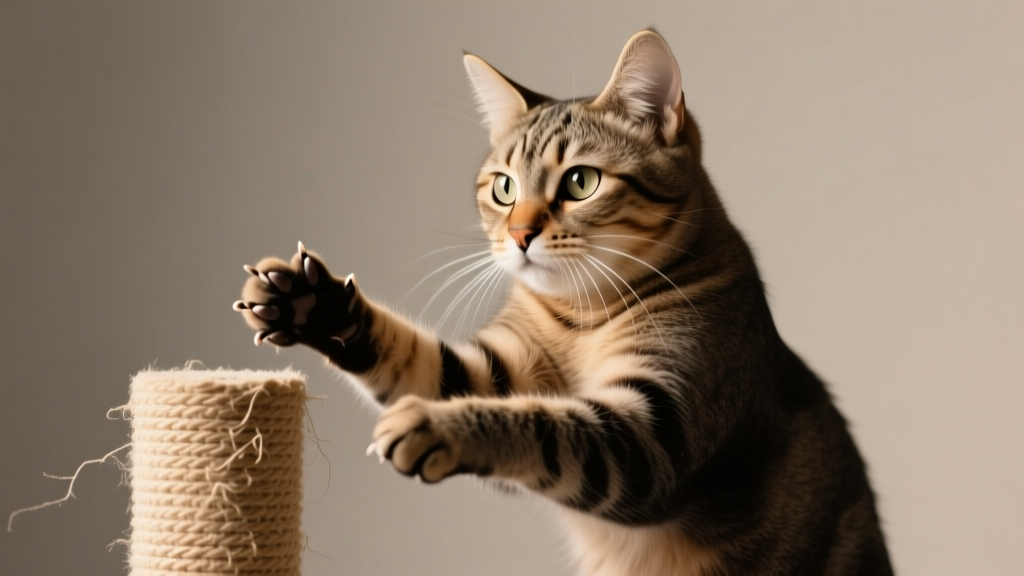
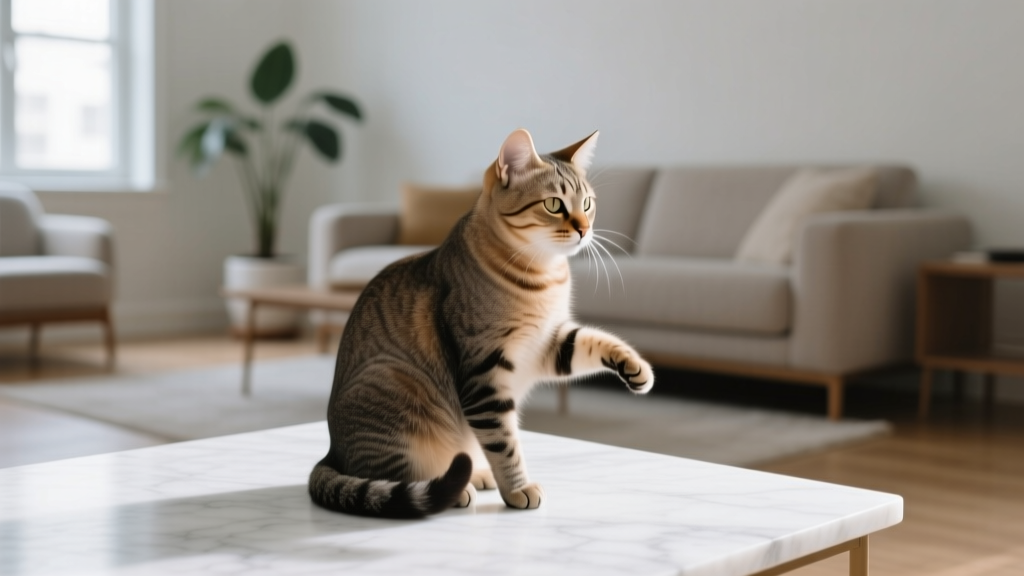
- Paw swatting at air (no target): Usually indicates overstimulation or redirected energy — especially if paired with tail lashing. Pause play immediately and offer a chew-safe alternative like a frozen tuna cube.
- Head-butting your hand mid-play: A social bonding gesture — your cat is inviting you into their ‘pack’ during the activity. Reward with gentle strokes (not more play) to reinforce calm connection.
- Sudden freezing + intense stare: Classic predatory focus — but also a red flag if it lasts >10 seconds without movement. Could indicate pain (e.g., dental or joint discomfort) suppressing natural follow-through.
- Biting your hand gently (no skin break): Normal kitten play-mimicry — but adults doing this consistently may be signaling unmet play needs or seeking attention via tactile feedback.
- Bringing you ‘gifts’ (toys, socks, dead insects): A deeply ingrained social offering — not dominance. In multi-cat homes, this often means ‘I trust you with my bounty.’
- Rolling onto back with paws up: Often misread as ‘pet me!’ — but during play, it’s usually defensive repositioning for kicking. Unless your cat initiates belly rubs *outside* play, avoid touching the abdomen mid-session.
- Running away after ‘catching’ a toy: Not disinterest — it’s caching behavior. Let them carry it off. Interrupting this can trigger resource-guarding later.
When ‘Typical’ Turns Troubling: Red Flags Hidden in Plain Sight
Not all play looks the same — and variation is healthy. But certain patterns cross into clinical concern. According to the ASPCA’s 2022 Feline Behavioral Health Report, early intervention improves outcomes in 92% of cases where abnormal play precedes anxiety disorders.
Watch for these 5 deviations from what is typical cat behavior for play:
- Obsessive repetition: Same toy, same route, same sequence — 10+ times per session, with no variation or curiosity toward new stimuli.
- No ‘capture’ completion: Chasing endlessly without ever biting, shaking, or releasing — often followed by sudden aggression toward nearby objects or people.
- Self-directed play injury: Biting own tail or paws until raw, chewing fur excessively during or after sessions.
- Avoidance of human-led play: Preferring solitary, repetitive behaviors (e.g., staring at walls, fixating on light reflections) while ignoring wand toys or treats.
- Play aggression toward vulnerable targets: Targeting children’s hands/feet, elderly residents, or other pets who can’t retreat — especially if vocalizations are hissed or growled rather than chirped.
If you observe two or more of these, consult a veterinarian *first* to rule out pain (e.g., arthritis limiting mobility, dental disease causing jaw discomfort), then a certified cat behavior consultant (IAABC or ACVB accredited).
Feline Play Decoder Table: Behavior, Meaning, & Action Plan
| Behavior Observed | Most Likely Meaning | Immediate Action | Long-Term Strategy |
|---|---|---|---|
| Stalking followed by sudden pounce — then immediate grooming | Successful play sequence completed; self-soothing after arousal | Leave undisturbed for 2–3 minutes — no petting or interaction Reinforce with 1–2 minutes of quiet companionship (sit nearby, soft voice) to build secure attachment||
| Chasing toy → stops abruptly → stares at wall → twitches tail | Overstimulation or sensory overload; possible underlying anxiety | End session calmly. Offer a cardboard box or covered bed for retreat Introduce daily 5-minute ‘calm-down’ routines: gentle brushing + ambient music before play||
| Biting hands/ankles during play — breaks skin occasionally | Misplaced predatory drive + lack of appropriate outlets | Stop play instantly. Redirect to a kicker toy or food puzzle. Never punish — it erodes trust Add two 7-minute structured play sessions daily using wand toys + post-capture treats. Rotate toys weekly||
| Ignoring all toys — but obsessively watches flies or shadows | Under-stimulation OR vision impairment (common in senior cats) | Schedule vet ophthalmology check. Try high-contrast toys (black/white, rustling sounds) Introduce scent-based play: catnip-filled mice, silvervine tunnels, or DIY paper bag forts with hidden treats||
| Play-fighting with other cat — ends in yowling, flattened ears, hiding | Asymmetric play styles — one cat is tolerating, not enjoying | Separate immediately. Observe each cat’s play initiation rate and retreat cues independently Implement ‘parallel play’: two identical toys, two humans, simultaneous but separate sessions to reduce competition
Frequently Asked Questions
Is it normal for my adult cat to still ‘play fight’ with me?
Yes — but only if it’s gentle, reciprocal, and stops instantly when you withdraw. Adult cats retain juvenile play behaviors as social bonding tools. However, if bites break skin, growls accompany contact, or your cat blocks your exit, this has shifted from play to resource guarding or fear-based aggression. Redirect firmly to toys *before* escalation — never use hands or feet as play objects after 16 weeks of age.
My cat plays at 3 a.m. — is this typical, and how do I shift it?
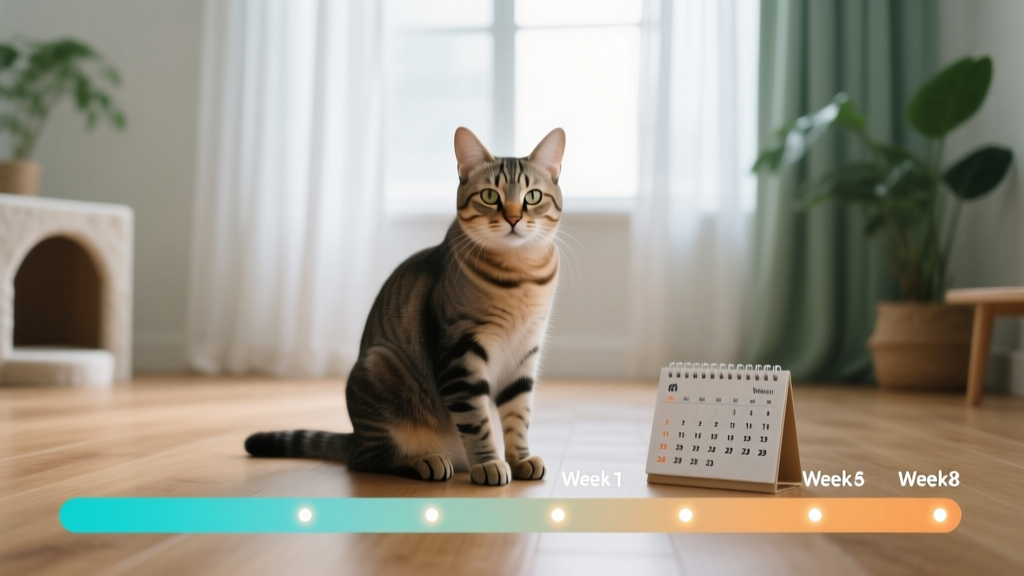
It’s biologically typical — cats are crepuscular (most active at dawn/dusk), but indoor life blurs timing. The fix isn’t suppression — it’s strategic scheduling. Feed 80% of daily calories via food puzzles *right before bedtime*, and conduct a vigorous 15-minute play session ending with a ‘capture’ and treat. This mimics the natural hunt-eat-sleep cycle. Within 10–14 days, 73% of cats in a Cornell Feline Health Center trial shifted peak activity to pre-dawn hours instead of midnight.
Should I let my kitten ‘win’ every time during play?
Absolutely — and consistently. Kittens learning to hunt need predictable success to build confidence and impulse control. If they ‘fail’ repeatedly, they either shut down (withdrawn play) or escalate (frustration biting). End every session with a guaranteed capture — even if you place the toy in their mouth. This builds neural pathways for emotional regulation far more effectively than ‘teaching them a lesson.’
Why does my cat bring me toys and drop them at my feet?
This is a social offering — not training, not dominance. In wild colonies, cats bring prey to kittens or valued group members as care-giving behavior. Your cat sees you as family. Respond by praising softly and placing the toy nearby (don’t throw it — that mimics predation). Over time, many cats will ‘present’ toys only to favored humans, deepening your bond.
Do indoor cats really need play if they seem ‘happy’?
Yes — profoundly. A 2021 University of Guelph longitudinal study tracked 127 indoor cats over 3 years. Those with less than 10 minutes of daily interactive play were 3.2x more likely to develop stereotypic behaviors (excessive licking, pacing) and 2.7x more likely to exhibit aggression toward owners — even with abundant food, litter, and space. Play isn’t luxury; it’s neurological hygiene.
Common Myths About Cat Play — Debunked
- Myth #1: “If my cat doesn’t play with toys, they’re not interested in play.” Reality: Many cats prefer environmental play — exploring boxes, climbing shelves, or bird-watching. Rotate novel textures (crinkly foil, smooth river stones, dried lavender sachets) weekly. Interest isn’t absence — it’s just differently expressed.
- Myth #2: “Laser pointers are great exercise — they get cats moving!” Reality: Without a tangible ‘kill,’ lasers cause chronic frustration and can trigger obsessive behaviors. Always end laser sessions with a physical toy they can catch and ‘kill.’ Better yet: use a laser *only* to guide them toward a treat or feather wand.
Related Topics (Internal Link Suggestions)
- How to Choose Safe Interactive Toys for Cats — suggested anchor text: "best interactive cat toys for mental stimulation"
- Understanding Cat Body Language Beyond Play — suggested anchor text: "what does my cat's tail position mean"
- Kitten Socialization Timeline: When to Start Play Training — suggested anchor text: "kitten play development stages"
- Why Does My Cat Bite Me Gently During Petting? — suggested anchor text: "cat petting aggression explained"
- Feline Enrichment Ideas for Apartment Dwellers — suggested anchor text: "small-space cat enrichment ideas"
Your Next Step Starts With One Observation
You now know what is typical cat behavior for play — not as a checklist, but as a living language. The most transformative action isn’t buying new toys or changing schedules. It’s choosing one behavior from today’s decoder table — maybe the tail quiver, the slow blink, or the post-capture grooming — and observing it with full presence for just 60 seconds tomorrow. Note what happens before and after. That tiny act of attuned attention rewires both your relationship and your cat’s sense of safety. Ready to go deeper? Download our free Printable Feline Play Decoder Chart — complete with visual cues, timing benchmarks, and vet-approved redirection scripts.