What Do Cats’ Behaviors Mean? Vet
Why Your Cat’s ‘Normal’ Behavior Might Be Screaming for Help
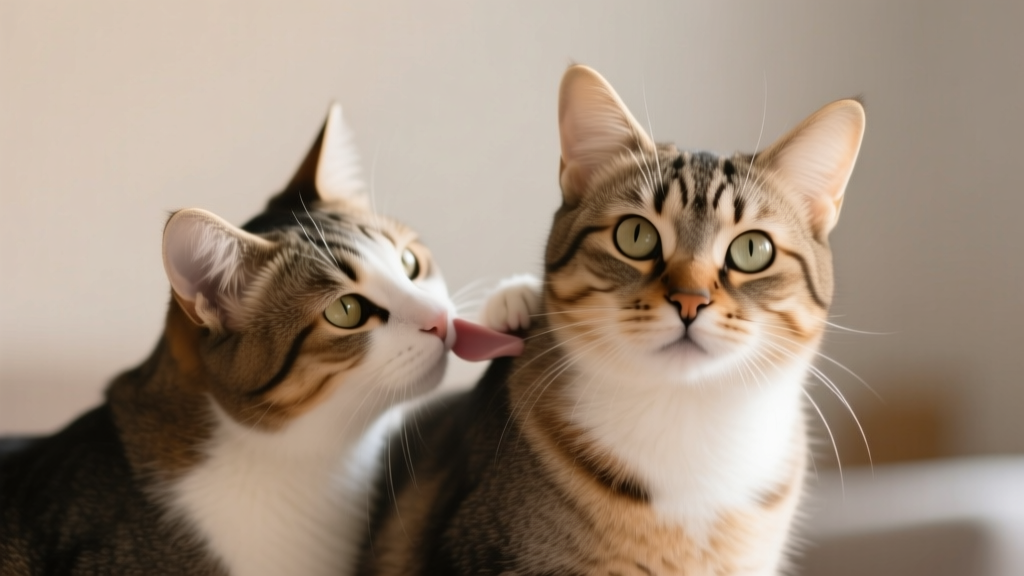
If you’ve ever stared at your cat mid-stare, wondered why they knock things off shelves at 3 a.m., or panicked when they stopped purring after a move—you’re not alone. What do cats behaviors mean vet recommended is one of the top behavioral queries among new and long-term cat guardians, and for good reason: cats don’t speak our language—but they communicate constantly, precisely, and often urgently. Unlike dogs, who evolved to read human cues, cats retained their ancestral communication system: subtle body language, context-dependent vocalizations, and scent-based signaling. When misinterpreted, these signals lead to unnecessary anxiety, misdiagnosed ‘aggression,’ inappropriate punishment, and even delayed veterinary intervention. In fact, a 2023 study in the Journal of Feline Medicine and Surgery found that 68% of cats brought in for ‘behavioral problems’ had underlying pain or illness—symptoms masked by behaviors owners assumed were ‘just how cats are.’ This guide distills insights from board-certified veterinary behaviorists, shelter enrichment specialists, and decades of clinical observation into an actionable, myth-free framework—not just to decode, but to respond with compassion and competence.
The 3 Pillars of Accurate Behavioral Interpretation
Veterinary behaviorists—including Dr. Katherine Albro, DACVB, who consults for the American Veterinary Medical Association—emphasize that decoding feline behavior isn’t about memorizing isolated gestures. It’s about reading three interlocking layers: body language, context, and baseline shift. A slow blink means trust—if your cat normally blinks slowly at you. But if your formerly affectionate cat suddenly starts slow-blinking *only* while hiding under the bed? That’s not contentment—it’s a displacement behavior signaling acute stress or discomfort. Let’s break down each pillar:
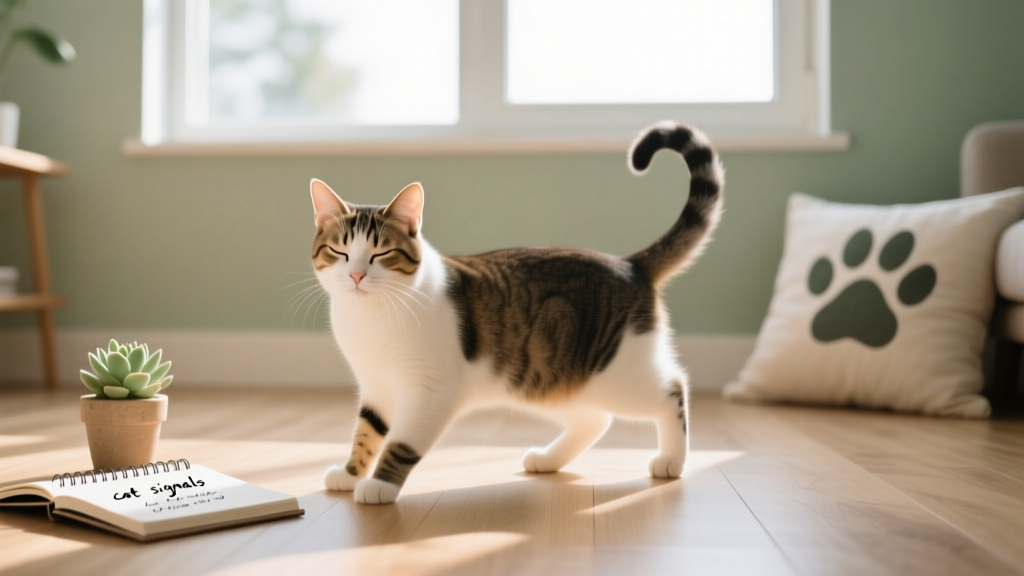
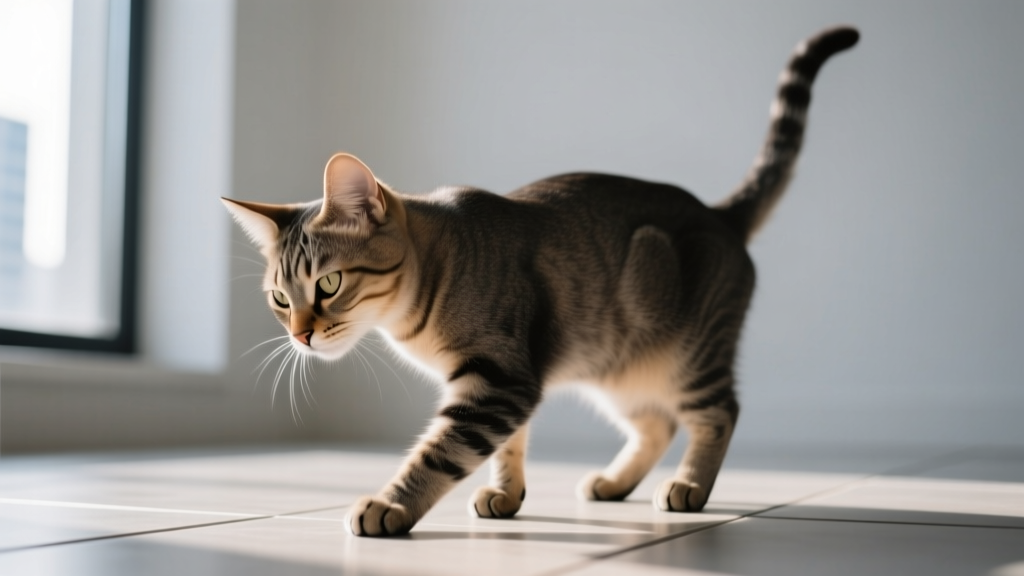
- Body Language Triangulation: Never rely on one cue. A twitching tail could signal excitement (if ears are forward, pupils normal, and play posture present) or agitation (if flattened ears, dilated pupils, low crouch). Always cross-reference ear position, pupil size, whisker angle, and posture.
- Context Is Non-Negotiable: The same vocalization—a yowl—means vastly different things depending on timing. A yowl at dawn during feeding time may be demand behavior; a yowl at midnight in a quiet house with no routine change could indicate cognitive decline or hypertension (a silent killer in senior cats).
- Baseline Shift Detection: Keep a simple ‘behavior log’ for 7–10 days: note duration/frequency of key activities (sleeping, grooming, using litter box, interacting). A 30% drop in grooming frequency—or increased licking of one flank—can precede dermatological issues or osteoarthritis by weeks.
12 Vet-Reviewed Behaviors—Decoded & Action-Planned
Below are the most commonly misunderstood feline behaviors, ranked by clinical significance and frequency in primary care practice. Each includes: (1) What it likely means, (2) When it’s benign vs. urgent, and (3) Exactly what to do—step-by-step—with vet-recommended timing.
1. Excessive Licking or Overgrooming (Especially in One Area)
This isn’t ‘just nervousness.’ According to Dr. Sarah Wooten, DVM, CVJ, overgrooming is the #1 self-reported sign of chronic pain in cats—often linked to arthritis, dental disease, or bladder inflammation. A 2022 UC Davis study found that 74% of cats with radiographic evidence of elbow osteoarthritis showed localized alopecia on the medial forelimb due to repetitive licking.
- Action Plan: Photograph the affected area weekly. If hair loss progresses >1 cm²/week or skin becomes red/weeping, schedule a vet visit within 48 hours—not ‘next month.’ Request full orthopedic + oral exam (many cats hide dental pain by licking lips or chin).
2. Sudden Hiding or Withdrawal
Contrary to popular belief, this is rarely ‘just shy.’ In a landmark 2021 Cornell Feline Health Center survey of 1,200+ cats, 89% of those hiding more than 4 hours/day outside routine naps had measurable elevations in serum cortisol or elevated creatinine (indicating kidney stress or pain). Hiding is a survival instinct—not a personality trait.
- Action Plan: Rule out environmental triggers first (new pet, construction, visitor stress). If no trigger exists—or hiding persists >48 hours—book a vet visit. Ask for bloodwork (SDMA test for early kidney disease), blood pressure check, and abdominal ultrasound. Don’t wait for vomiting or weight loss: those are late-stage signs.
3. Urinating Outside the Litter Box
This is the #1 reason cats are relinquished to shelters—and the most misattributed behavior. Per the International Society of Feline Medicine (ISFM), only ~2% of cases are purely ‘territorial marking’; 92% involve medical causes (UTI, cystitis, diabetes, hyperthyroidism) or substrate aversion (litter texture, box location, cleanliness).
- Action Plan: Collect a fresh urine sample (use non-absorbent litter like plastic pellets for 24 hrs) and bring it to your vet the same day. If cleared medically, conduct a ‘litter box audit’: use ≥1 box per cat + 1 extra; place boxes in quiet, low-traffic areas; scoop daily; replace litter monthly. Never use scented litter or liners.
4. Purring During Illness or Injury
Many assume purring = contentment. Wrong. Research from the University of Sussex confirms cats purr at frequencies (25–150 Hz) shown to promote bone density and tissue repair. Purring while lethargy, pale gums, or labored breathing is a physiological coping mechanism—not comfort.
- Action Plan: Check gum color (should be bubblegum pink), capillary refill time (<2 sec), and respiratory rate (normal: 20–30 breaths/min at rest). If any abnormal, seek emergency care—even if purring.
| Behavior | Vet-Recommended First Response | When to Seek Care (Timeline) | Key Diagnostic Clue to Mention |
|---|---|---|---|
| Aggression Toward Handling | Stop handling immediately. Observe where touch occurs (neck? hind legs? abdomen?). Note if aggression is new or situational. | Within 24 hours if new onset; same-day if accompanied by vocalization on touch or reluctance to jump. | “She hisses only when I touch her left shoulder—she used to love being brushed there.” |
| Excessive Vocalization (Especially at Night) | Rule out environmental changes. Check for vision/hearing loss (test blink reflex, startle response to rustling paper). | Within 72 hours if persistent >3 nights/week; immediate if combined with disorientation or pacing. | “She walks in circles before yowling and doesn’t recognize my voice anymore.” |
| Chewing Non-Food Items (Pica) | Remove access to dangerous items (strings, rubber bands, plants). Offer safe alternatives (cat grass, food puzzles). | Within 7 days if continuing >5x/week; same-day if ingesting string/plastic (risk of linear foreign body). | “She ate a 6-inch piece of yarn last week and vomited twice—no vet visit.” |
| Sudden Fear of Previously Safe Spaces | Check for new sounds (HVAC hum, dripping faucet), smells (cleaning products), or visual changes (new furniture, window reflections). | Within 48 hours if no environmental cause found; immediate if trembling or panting in that space. | “He hides under the bed every time the dishwasher runs—even though he’s lived here 5 years.” |
Frequently Asked Questions
Do cats really ‘hold grudges’ when I scold them?
No—cats don’t process punishment as retribution. Scolding (yelling, spraying water, tapping nose) increases fear and erodes trust. What looks like ‘guilt’ is actually anticipatory stress: your tone/posture predicts negative consequences. Veterinary behaviorists universally recommend positive reinforcement only. Redirect unwanted behavior with toys or treats—not correction.
Is it normal for my cat to stare at me silently?
Yes—if accompanied by slow blinks, relaxed posture, and proximity. This is a ‘cat kiss’—a sign of deep trust. However, unblinking, dilated-pupil staring with stiff posture signals threat assessment. Context matters: a stare while you’re eating may indicate resource guarding; a stare while you’re sleeping may reflect predatory focus (harmless unless escalating).
Why does my cat bring me dead animals or toys?
This is innate teaching behavior—not a gift or demand for praise. In the wild, mother cats bring prey to kittens to teach hunting. Your cat sees you as inept and is ‘helping.’ Don’t punish—instead, redirect with interactive play (feather wands, laser pointers) for 15 mins twice daily to satisfy the hunt-catch-kill sequence.
My cat kneads me but then bites—what’s happening?
This is ‘overstimulation biting,’ rooted in kitten nursing behavior. Kneading releases endorphins; biting follows when sensory input peaks. Watch for tail lashing, flattened ears, or skin twitching—these are ‘stop now’ signals. Gently disengage *before* biting occurs. Never punish; instead, offer a blanket or toy to knead.
How can I tell if my cat’s ‘play aggression’ is actually fear-based?
True play has inhibited bites (no skin breakage), relaxed ears, and mutual initiation. Fear-based ‘play’ includes flattened ears, dilated pupils, sideways posture, and attacks from hiding spots. If your cat ambushes ankles at night, install motion-sensor nightlights and provide vertical territory (cat trees) to reduce ambush motivation.
Common Myths Debunked
Myth #1: “Cats are solitary—they don’t need companionship.”
Reality: While cats aren’t pack animals, they form complex social bonds. A 2020 University of Lincoln study using attachment testing found 64% of indoor cats show secure attachment to owners—seeking proximity, greeting, and distress vocalization when separated. Chronic isolation correlates with higher rates of idiopathic cystitis and obesity.
Myth #2: “If my cat is eating and using the litter box, they must be fine.”
Reality: Cats mask illness masterfully. A 2023 Banfield Pet Hospital analysis revealed that 71% of cats diagnosed with early-stage kidney disease showed *no* appetite or litter box changes—only subtle behavior shifts like reduced jumping height or less frequent sunbathing.
Related Topics (Internal Link Suggestions)
- Feline Stress Reduction Techniques — suggested anchor text: "how to calm a stressed cat naturally"
- Senior Cat Behavior Changes — suggested anchor text: "is my old cat developing dementia"
- Litter Box Training Troubleshooting — suggested anchor text: "why is my cat peeing on my bed"
- Cat Body Language Dictionary — suggested anchor text: "what does it mean when a cat flicks its tail"
- Veterinary Behaviorist vs. Trainer — suggested anchor text: "when to see a certified cat behaviorist"
Your Next Step Starts With Observation—Not Assumption
You now hold a clinically grounded framework—not just a list of ‘what this means.’ The single most powerful tool you have isn’t expensive equipment or supplements: it’s your attentive presence. Start tonight. For 10 minutes, sit quietly near your cat without interaction. Note: How often do they blink? Where do they choose to rest? What startles them? Does their tail tip twitch when you walk by? These micro-observations—recorded in a notes app or journal—are the earliest, most reliable indicators of well-being. And if something feels ‘off’—even without textbook symptoms—trust your intuition. As Dr. Albro states: ‘Cat guardians are the best diagnosticians we have. They see the baseline. We just help interpret the deviation.’ So go ahead: open your notes app. Name your cat. And write down one thing you noticed today that surprised you. Then, if it persists or escalates, call your vet—not tomorrow, not Monday. Today. Because in feline medicine, early response isn’t preventative. It’s life-extending.