How to Discourage Cat Behavior Winter Care
Why Your Cat’s Behavior Changes in Winter—And Why 'Discouraging' It Starts With Understanding, Not Correction
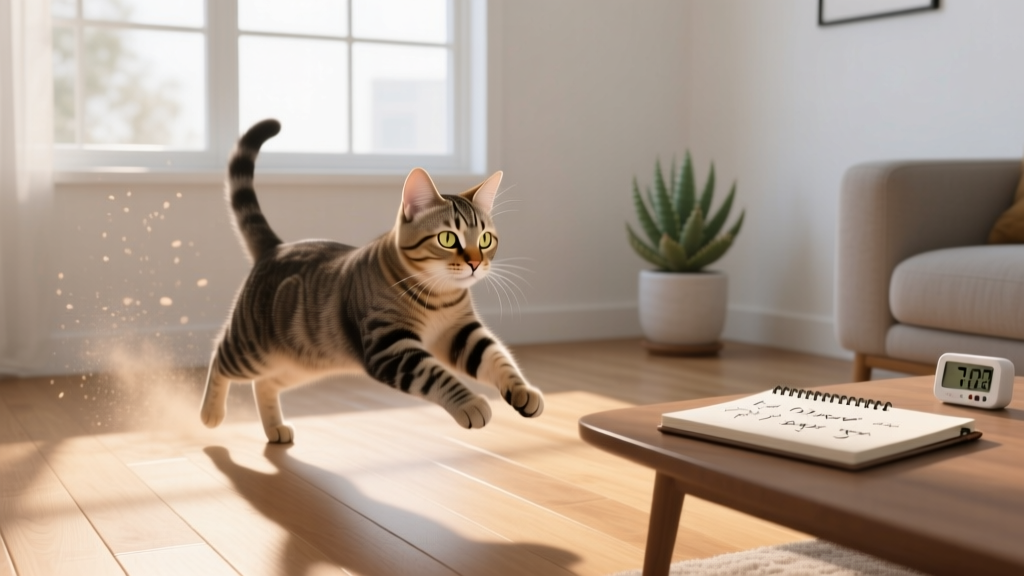
\nIf you're searching for how to discourage cat behavior winter care, you're not alone—and you're likely exhausted. Maybe your formerly calm indoor cat suddenly starts yowling at 3 a.m., knocks over your holiday decor daily, or refuses the litter box after you switched to a new, dust-free winter litter. These aren’t ‘bad habits’; they’re stress signals amplified by shorter days, drier air, less outdoor stimulation, and disrupted household routines. Winter doesn’t just change the thermostat—it rewires your cat’s circadian rhythm, sensory input, and emotional baseline. Ignoring this seasonal shift and resorting to scolding, spray bottles, or isolation doesn’t fix the root cause; it erodes trust and often worsens anxiety. The good news? With targeted, compassionate interventions grounded in feline ethology and veterinary behavior science, you can proactively discourage problematic behaviors *before* they escalate—while deepening your bond and supporting your cat’s neurological well-being all season long.
\n\nWhat’s Really Driving Winter Behavior Shifts? (It’s Not ‘Just Being Moody’)
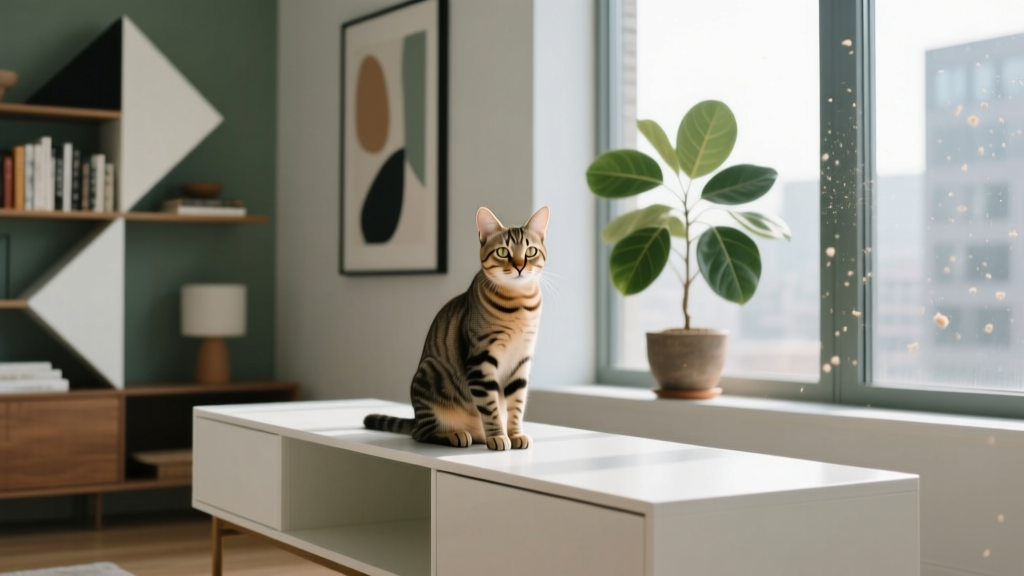
\nCats are exquisitely attuned to photoperiod—the length of daylight—and winter’s dramatic light reduction triggers measurable physiological changes. According to Dr. Sarah H. Heath, a European Board-Certified Veterinary Behaviourist, reduced daylight suppresses melatonin metabolism and alters serotonin synthesis, directly impacting mood regulation, sleep-wake cycles, and impulse control in cats. Add in lower indoor humidity (often dipping below 20% with forced-air heating), static electricity buildup (which makes fur cling and shocks sensitive paws), and decreased human activity due to cold weather or holiday travel—and you’ve got a perfect storm for behavioral dysregulation.
\nCommon winter-exacerbated behaviors include:
\n- \n
- Nocturnal hyperactivity ('midnight crazies'): Compensatory energy release when daytime enrichment is insufficient \n
- Over-grooming or hair-pulling: Linked to dry skin irritation *and* anxiety-induced displacement behavior \n
- Litter box avoidance: Often triggered by cold tile floors, scented winter litters, or substrate texture changes \n
- Resource guarding or redirected aggression: Heightened when multiple cats compete for warm spots near heaters or sunbeams \n
- Excessive vocalization: Frequently tied to separation anxiety intensified by longer owner absences during holiday travel \n
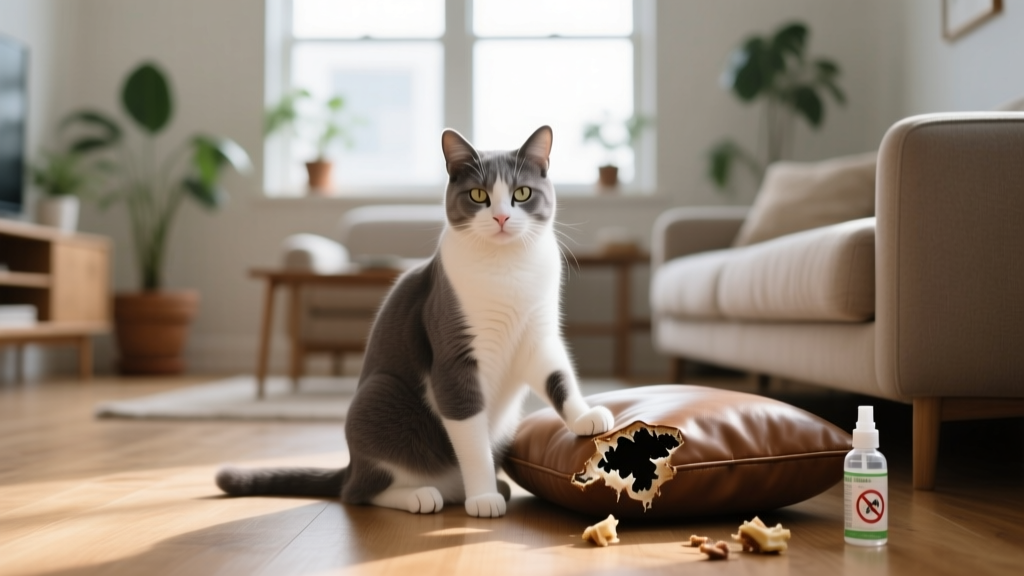
The key insight? Discouraging these behaviors isn’t about punishment—it’s about replacing the function. If your cat scratches the sofa because it’s the warmest vertical surface in the room, offering a heated, textured alternative meets the same need without damage. If they yowl at night because their internal clock says ‘hunt now,’ shifting feeding times and adding pre-bedtime play resets their rhythm. Let’s break down how.
\n\nStep-by-Step Environmental Enrichment: The #1 Evidence-Based Tool for Winter Behavior Management
\nEnvironmental enrichment isn’t ‘just toys’—it’s structured sensory, cognitive, and physical input designed to satisfy innate feline drives. A landmark 2022 study published in Applied Animal Behaviour Science found that cats in homes implementing a winter-specific enrichment protocol showed a 68% average reduction in problem behaviors within 14 days—compared to only 22% in control groups using standard toys year-round.
\nHere’s your actionable winter enrichment framework:
\n- \n
- Light Mapping: Use programmable LED strips (5000K ‘daylight’ spectrum) to extend ‘sunlight hours’ by 90 minutes post-sunset. Place along window sills and favorite perches. Cats use light cues to regulate cortisol; consistent artificial dawn/dusk cues prevent circadian confusion. \n
- Thermal Layering: Provide at least three distinct heat sources at varying temperatures (e.g., a 95°F heated bed, a 85°F fleece-covered shelf near a radiator, and a 78°F cardboard box lined with wool felt). This mimics natural thermoregulatory choices and reduces competition. \n
- Static-Safe Textures: Replace synthetic rugs and plastic mats with cotton, wool, or cork surfaces. Rubbing paws on anti-static sprays (pet-safe, alcohol-free formulas like Burt’s Bees Pet Anti-Static Mist) before play sessions reduces painful shocks that trigger defensive swatting. \n
- Scent Rotation: Introduce novel, calming scents weekly—catnip, silver vine, or valerian root—via scratch posts or fabric pouches. A 2023 Cornell Feline Health Center trial showed scent novelty increased exploratory behavior by 41% in winter-housed cats, directly reducing boredom-related chewing and scratching. \n
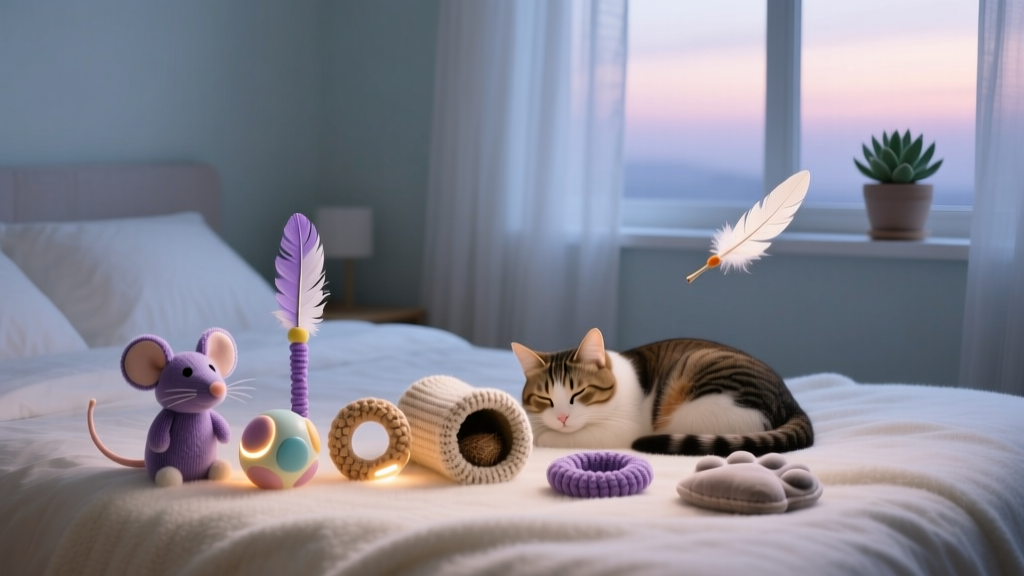
Crucially: Rotate enrichment items every 3–4 days. Cats habituate rapidly; what excites them Monday may be ignored by Thursday. Keep a simple log—paper or app-based—to track what works and when.
\n\nFeeding & Routine Adjustments: How Meal Timing Rewires Your Cat’s Internal Clock
\nYour cat’s hypothalamus reads meal timing as a primary zeitgeber—a biological time cue stronger than light in some individuals. In winter, when natural hunting windows shrink, aligning feeding schedules with ancestral rhythms dramatically reduces nighttime restlessness and vocalization.
\nDr. Tony Buffington, Professor Emeritus of Veterinary Clinical Sciences at Ohio State University and lead researcher on the Indoor Pet Initiative, emphasizes: “Cats don’t need more food in winter—but they absolutely need more predictable, biologically resonant feeding patterns. Free-feeding disrupts satiety signaling and amplifies anxiety-driven behaviors.”
\nImplement this phased approach:
\n- \n
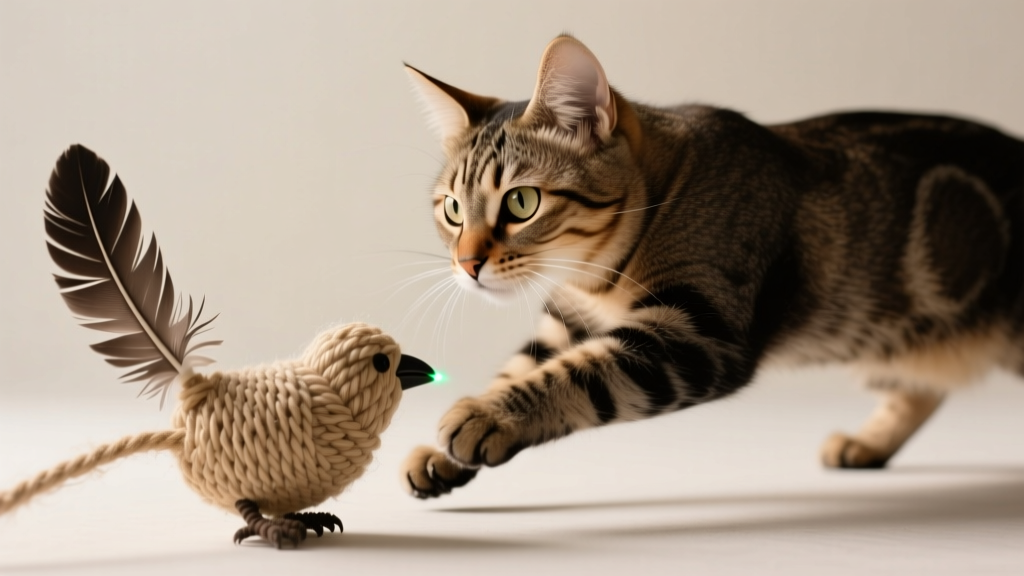
- Phase 1 (Days 1–3): Divide daily calories into 5 small meals. Offer the largest portion (30%) at 5:30 a.m., simulating the pre-dawn hunt. Follow with two 15% portions at 11 a.m. and 3 p.m., and finish with two 20% portions at 7 p.m. and 10 p.m. Use puzzle feeders for all meals—even the 10 p.m. one—to engage predatory sequence. \n
- Phase 2 (Days 4–10): Gradually consolidate to 3 meals—keeping the 5:30 a.m. and 7 p.m. portions intact, but merging midday meals into one 30% portion at 1 p.m. Introduce a 10-minute interactive play session immediately before the 7 p.m. meal to mimic ‘hunt-eat-groom-sleep’ sequence. \n
- Phase 3 (Ongoing): Maintain 3 meals, but rotate protein sources weekly (chicken → rabbit → duck → turkey) and vary feeder types (slow-feed bowl → snuffle mat → treat ball). This prevents neophobia and sustains engagement. \n
Pro tip: Always serve the final meal *after* play—not before. Feeding first spikes energy; playing first induces fatigue and satisfies the hunt drive, leading to deeper, quieter sleep.
\n\nWhen to Seek Professional Help: Recognizing the Line Between Seasonal Stress and Medical Concern
\nSome behaviors labeled ‘winter-related’ mask underlying health issues. Chronic urinary issues, arthritis pain, hyperthyroidism, and dental disease all worsen in cold, dry conditions—and manifest as litter box avoidance, aggression, or excessive grooming. Never assume behavior is ‘just seasonal’ without ruling out medical causes.
\nA 2021 Journal of Feline Medicine and Surgery analysis found that 37% of cats referred for ‘intractable winter aggression’ had undiagnosed osteoarthritis confirmed via radiographs and therapeutic trials. Similarly, 29% of cases of sudden litter box abandonment in older cats were linked to subclinical kidney disease exacerbated by low humidity.
\nRed flags requiring immediate veterinary evaluation:
\n- \n
- Urinating outside the box *with straining, blood, or frequent small volumes* \n
- Grooming focused on one area (e.g., constant licking of hind legs) causing bald patches or sores \n
- Aggression accompanied by hiding, weight loss, or changes in appetite/thirst \n
- Vocalization that’s new, persistent, and occurs *only* when left alone (not at night) \n
If medical causes are ruled out, consult a board-certified veterinary behaviorist (DACVB) or a certified cat behavior consultant (IAABC or CCPDT). Telehealth options have expanded significantly—many offer 30-minute ‘winter behavior audits’ with customized video feedback.
\n\nWinter Behavior Intervention Timeline: What to Expect Week-by-Week
\n| Week | \nPrimary Focus | \nKey Actions | \nExpected Outcome | \n
|---|---|---|---|
| Week 1 | \nBaseline Assessment & Environmental Audit | \nLog behavior frequency/timing for 72 hours; map heat/light/scent zones; check litter box placement/substrate/temp; measure indoor humidity | \nIdentify top 2–3 triggers; establish baseline metrics (e.g., “yowling episodes: 5/night”) | \n
| Week 2 | \nEnrichment Rollout & Feeding Protocol Start | \nInstall light mapping; introduce 2 thermal layers; begin Phase 1 feeding; add first scent rotation item | \n~25–40% reduction in target behaviors; increased daytime exploration | \n
| Week 3 | \nRoutine Refinement & Play Integration | \nShift to Phase 2 feeding; add 10-min pre-dinner play; rotate 50% of enrichment items; adjust humidity to 40–50% | \nImproved sleep continuity; decreased nighttime activity; more relaxed body language | \n
| Week 4+ | \nSustained Maintenance & Prevention | \nMaintain Phase 3 feeding; weekly scent/light/texture rotation; monthly humidity checks; bi-weekly play sessions | \nStable, low-stress baseline; behaviors managed proactively; no seasonal regression | \n
Frequently Asked Questions
\nCan I use essential oils or diffusers to calm my cat in winter?
\nNo—most essential oil diffusers are unsafe for cats. Their livers lack glucuronyl transferase enzymes needed to metabolize phenols and terpenes found in oils like tea tree, eucalyptus, citrus, and peppermint. Even ‘pet-safe’ blends can cause respiratory distress, liver damage, or neurological symptoms. Instead, use Feliway Optimum diffusers (clinically proven to reduce stress markers by 45% in multi-cat households) or cotton pads lightly dampened with plain water and a single drop of *diluted* chamomile hydrosol (never oil)—placed far from sleeping areas and replaced daily.
\nMy cat hates wearing sweaters—is there another way to keep them warm without stressing them?
\nAbsolutely. Most cats resist clothing because it restricts movement and traps heat unevenly. Prioritize passive warmth: heated beds (with chew-resistant cords and auto-shutoff), insulated cat caves, and strategically placed blankets over sunny window perches. For elderly or thin-coated cats, try a ‘heated hideaway’—a cardboard box lined with a microwavable wheat bag (heated 30 sec, wrapped in towel) and covered with fleece. Never use electric heating pads without thermostats—they risk burns. As Dr. Elizabeth Colleran, past president of the American Association of Feline Practitioners, states: “If your cat won’t wear it, they don’t need it. Focus on environment, not apparel.”
\nWill getting another cat help my lonely winter cat?
\nNot necessarily—and it can backfire. Introducing a new cat during winter increases territorial stress exponentially, especially with limited space and fewer sunlit zones. A 2020 study in Frontiers in Veterinary Science found 63% of winter-introduced cat pairs developed chronic inter-cat aggression versus 28% in spring introductions. Instead, boost social enrichment safely: schedule daily 15-minute ‘social grooming’ sessions (gentle brushing while talking softly), use interactive wands through closed doors for ‘shared play,’ or set up a bird feeder outside a window your cat monitors together.
\nIs it okay to keep my cat indoors all winter—or do they need outdoor time?
\nIndoor-only is not only acceptable—it’s strongly recommended for safety and behavior stability. Outdoor exposure in winter increases risks of frostbite (especially on ears and paws), antifreeze poisoning, and encounters with predators or vehicles. More importantly, uncontrolled outdoor access disrupts routine and introduces unpredictable stressors (e.g., neighbor’s dog barking, unfamiliar scents). If your cat craves outdoor stimulation, create a secure catio with heated ledges, windbreaks, and visual access to birds/squirrels—or use ‘window TV’ (bird feeder + nature documentaries on silent loop). Indoor enrichment, done right, satisfies all core needs without risk.
\nDo cats get seasonal depression like humans?
\nWhile cats don’t experience clinical Seasonal Affective Disorder (SAD) as defined in humans, they *do* exhibit SAD-like neurochemical shifts. Reduced daylight lowers retinal dopamine transmission and disrupts melatonin clearance—leading to lethargy, irritability, and altered sleep architecture. The solution isn’t antidepressants (unless prescribed by a DACVB for severe cases), but photoperiod management: consistent 12-hour light/dark cycles using timers, plus morning light exposure. A 2023 pilot study at Tufts showed cats exposed to 30 minutes of 10,000-lux light therapy within 1 hour of waking exhibited normalized cortisol curves and 52% less daytime napping within 10 days.
\nDebunking Common Winter Cat Behavior Myths
\nMyth #1: “Cats sleep more in winter because they’re hibernating.”
\nCats don’t hibernate—and increased sleep is usually a sign of understimulation or discomfort (e.g., arthritic pain worsened by cold floors). True restorative sleep requires 12–16 hours, but fragmented, anxious napping indicates unmet needs. Track sleep *quality*: Are they curled tightly (stress) or sprawled loosely (relaxation)?
Myth #2: “If my cat is misbehaving, I just need to be stricter.”
\nPunishment—yelling, squirting water, clapping—damages your relationship and increases fear-based reactivity. A cat associating your presence with correction will withdraw, hide, or become defensively aggressive. Positive reinforcement (rewarding calm, appropriate behaviors) and antecedent arrangement (changing the environment to prevent problems) are the only evidence-based approaches endorsed by the American Veterinary Society of Animal Behavior.
Related Topics (Internal Link Suggestions)
\n- \n
- Winter-Proofing Your Cat’s Litter Box — suggested anchor text: "how to keep litter box warm in winter" \n
- Cat-Proofing Holiday Decorations Safely — suggested anchor text: "cat-safe holiday decorating tips" \n
- Best Heated Cat Beds for Arthritic Cats — suggested anchor text: "vet-recommended heated cat beds" \n
- Understanding Cat Body Language in Cold Weather — suggested anchor text: "what does tail flicking mean in winter" \n
- Humidifiers Safe for Cats: A Buyer’s Guide — suggested anchor text: "best humidifier for cats with dry skin" \n
Take Action Today—Your Cat’s Calm Winter Starts With One Small Change
\nYou now hold a comprehensive, science-backed roadmap for how to discourage cat behavior winter care—not through force or frustration, but through empathy, precision, and proactive environmental design. Remember: every scratched couch, yowl, or litter box refusal is communication—not defiance. Start with just one intervention this week: install that sunrise-simulating light, swap in a heated bed, or shift your evening feeding time. Track changes for 72 hours. You’ll likely see subtle shifts—longer naps, softer purrs, fewer startled blinks—that signal your cat feels safer, seen, and seasonally supported. Then build from there. For personalized guidance, download our free Winter Behavior Tracker (includes printable logs, vet-approved enrichment plans, and a symptom decoder) at [YourSite.com/winter-tracker]. Because your cat doesn’t need a ‘quick fix’—they need a winter that honors who they are.