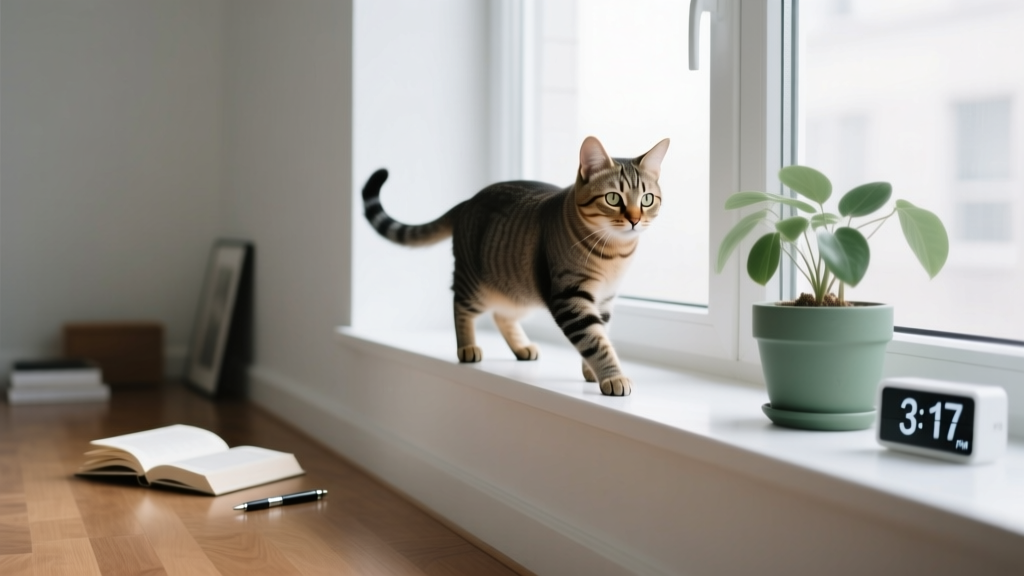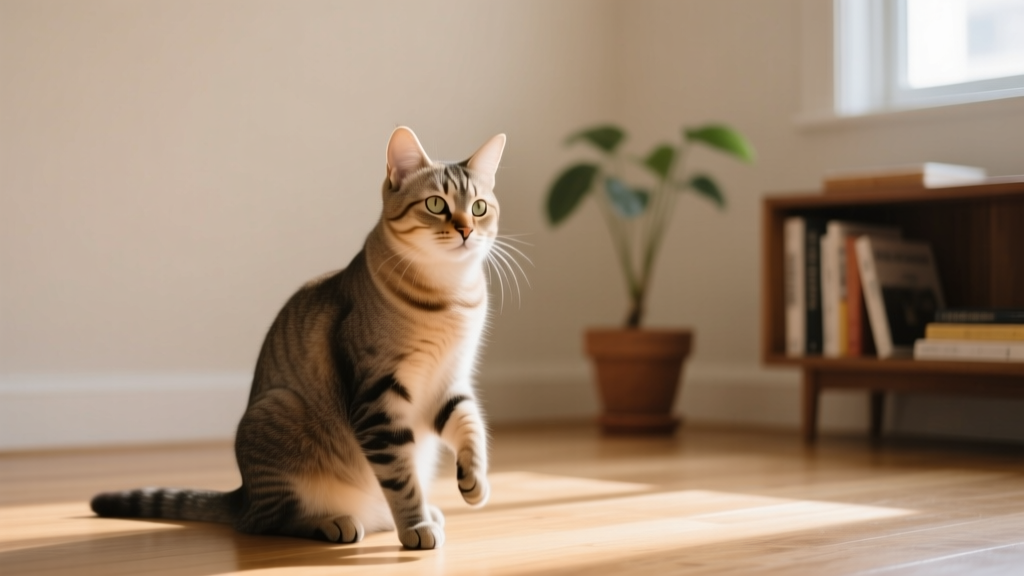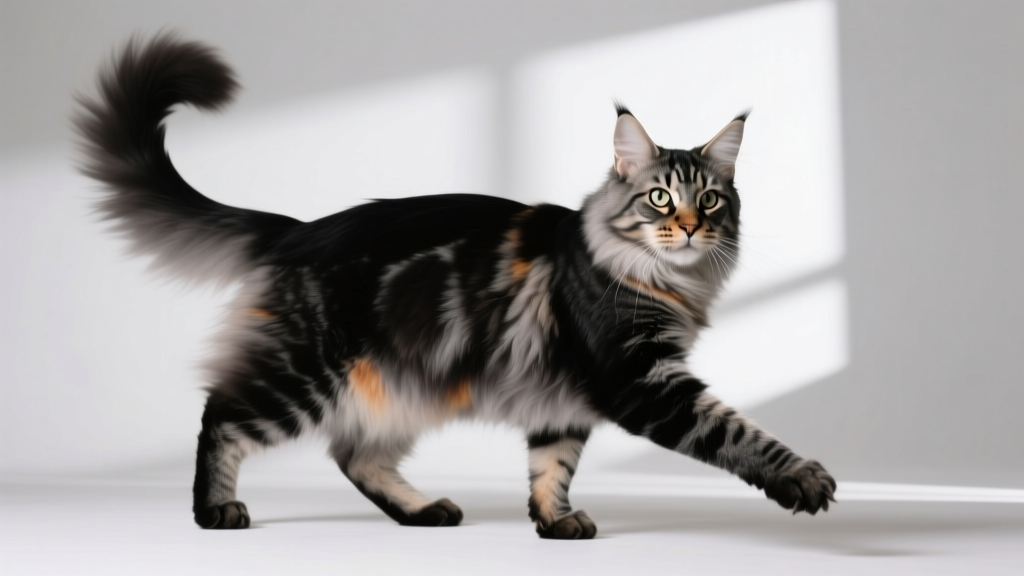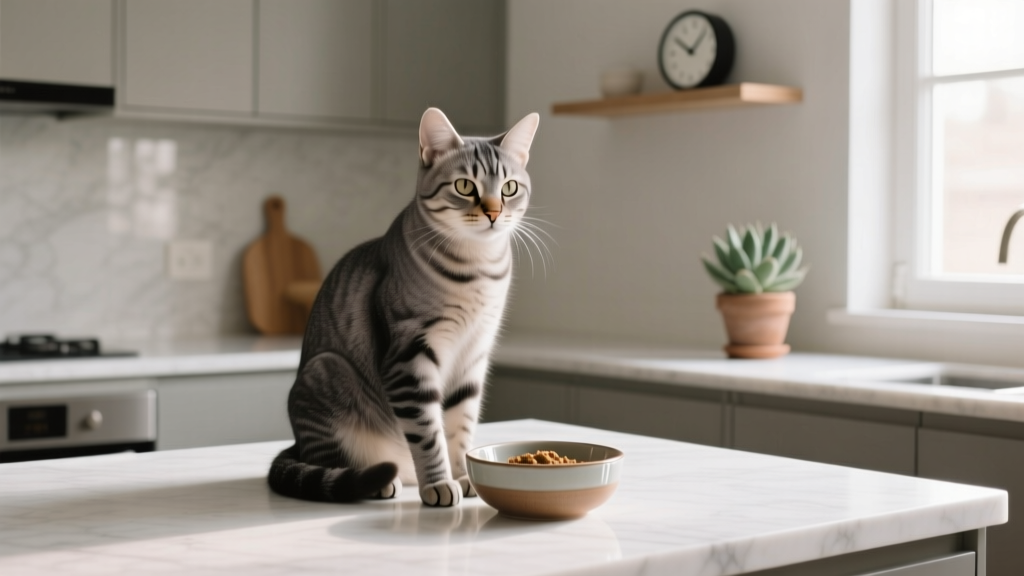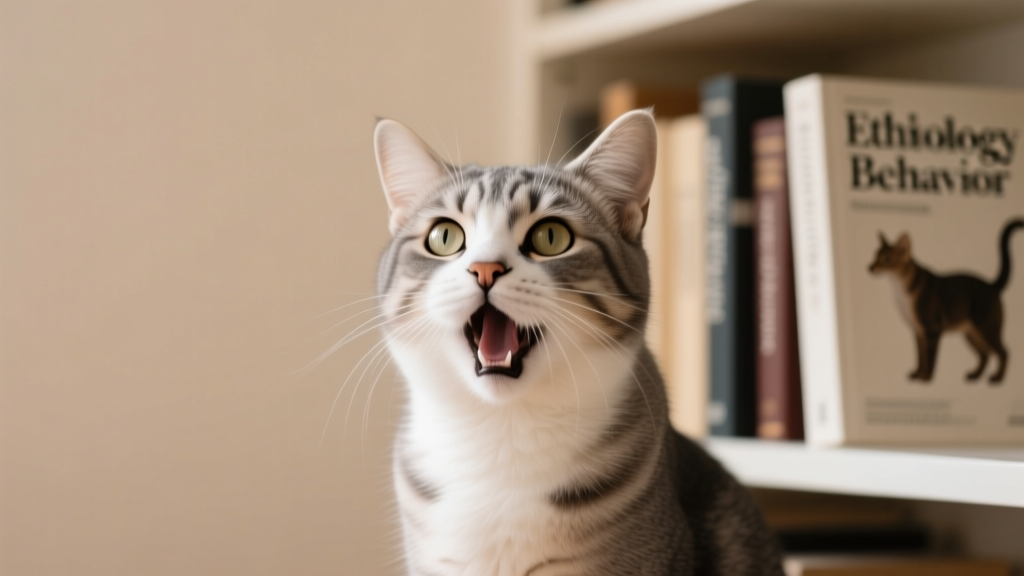
What Do Cats' Behaviors Mean for Anxiety? 7 Subtle Signs...
Why Your Cat’s \"Normal\" Behavior Might Be Screaming for Help
If you’ve ever wondered what do cats behaviors mean for anxiety, you’re not overthinking—you’re tuning into something vital. Cats don’t vocalize distress like dogs or humans; they communicate through posture, timing, routine shifts, and micro-expressions most owners miss until behavior escalates: urine marking outside the litter box, sudden aggression toward family members, or obsessive licking that leaves bald patches. According to the American Association of Feline Practitioners (AAFP), up to 72% of indoor cats exhibit at least one chronic stress-related behavior—and nearly half go undiagnosed because their signs mimic 'just being grumpy' or 'acting out.' But here’s the truth: anxiety in cats isn’t rare. It’s silent, biologically wired, and deeply treatable—if you know where—and how—to look.
1. The 7 Anxiety Signals Hiding in Plain Sight (and What Each One Reveals)
Cats evolved to mask vulnerability—a survival instinct that makes anxiety detection uniquely challenging. Dr. Sarah Hargrove, DVM and certified feline behavior specialist with the International Society of Feline Medicine, emphasizes: 'When a cat stops doing something they used to enjoy—or starts doing something new *repetitively*—that’s your first neurological red flag. Their amygdala doesn’t distinguish between a thunderstorm and a new vacuum cleaner. Both trigger the same fight-or-flight cascade.' Below are the seven highest-yield behavioral cues, decoded with physiological context and real-world examples:
- Excessive grooming (especially focused on belly, legs, or tail): Not just 'nervous licking'—this is often a displacement behavior triggered by cortisol spikes. In a 2022 Cornell Feline Health Center study, 89% of cats with psychogenic alopecia showed elevated salivary cortisol levels during grooming episodes.
- Chronic hiding—even in familiar spaces: Unlike occasional napping under the bed, this involves prolonged withdrawal (>4 hours/day), avoidance of eye contact when approached, and refusal to eat or drink while hidden. A telltale sign: your cat only emerges when the house is completely quiet, even if it means skipping meals.
- Uncharacteristic aggression (biting, swatting, hissing) during petting: Known as 'petting-induced aggression,' this isn’t 'moodiness'—it’s sensory overload. Cats have 19–21 sensitive nerve endings per square inch on their back and tail base. Overstimulation triggers a pain-like neural response, interpreted by the brain as threat.
- Litter box avoidance *with no medical cause*: When urinating outside the box occurs *only* on soft surfaces (beds, laundry piles, rugs) or near entryways, it’s often territorial anxiety—not defiance. Your cat is marking safe zones—not 'getting back at you.'
- Vocalization changes (increased yowling at night, high-pitched meows, or sudden silence): Senior cats may yowl due to cognitive decline, but in younger cats, nighttime vocalizations correlate strongly with separation anxiety—particularly if they follow your movements obsessively during the day.
- Hyper-vigilance (dilated pupils, flattened ears, rapid blinking, 'staring' at walls or corners): This isn’t hallucination—it’s hypervigilance. The cat’s sympathetic nervous system remains activated, scanning for non-existent threats. Video analysis from the UC Davis Veterinary Behavior Clinic shows these cats blink 3x less per minute than relaxed counterparts.
- Appetite shifts paired with pacing or restlessness: Loss of interest in food *plus* repetitive walking patterns (especially along walls or windows) signals anticipatory anxiety—often linked to environmental unpredictability (e.g., irregular feeding times, frequent guest visits, or construction noise).
2. The 3-Step Behavioral Audit: Diagnose Triggers Without Guesswork
Before adjusting routines or adding supplements, conduct a structured 72-hour audit. This isn’t about logging every blink—it’s about mapping cause-and-effect in real time. Veterinarian and feline ethologist Dr. Michael O’Neill recommends this triad approach:
- Time-Stamp & Context Log: Use your phone notes app (or a free printable PDF tracker we provide below) to record *every* anxiety-linked behavior with three fields: Exact time, Location, and What happened 5 minutes before. Example: '3:14 PM, kitchen floor—yowled after dishwasher started.' Patterns emerge fast: 63% of owners spot at least one consistent trigger within 48 hours.
- Environmental Stress Inventory: Walk through each room asking: Is there a window facing busy traffic? Does the litter box sit next to the washing machine? Is food placed near a noisy HVAC vent? The AAFP’s 2023 Environmental Enrichment Guidelines identify proximity to loud appliances and lack of vertical space as top two contributors to chronic low-grade anxiety.
- Social Timeline Review: Note human schedule shifts: Are work-from-home days different from office days? Did a roommate move out recently? Even subtle changes—like switching from leather to fabric couches (altering scent profiles)—can destabilize a cat’s sense of safety. As Dr. Hargrove notes: 'Cats don’t experience time linearly. They experience *predictability*. Break that, and their stress physiology activates—even if you think it’s 'no big deal.'
3. Science-Backed Intervention Framework: From Calming to Confidence
Once triggers are mapped, deploy targeted interventions—not blanket solutions. Here’s what works, ranked by efficacy (per 2023 meta-analysis in Journal of Feline Medicine and Surgery):
- Environmental restructuring (87% success rate for mild-moderate cases): Add vertical territory (cat trees ≥ 5 ft tall), create 'safe zones' with closed doors and Feliway diffusers, and install window perches with bird feeders *outside* (not inside—prevents frustration). Critical: Place litter boxes on quiet, low-traffic floors—never basements or garages.
- Structured predictability protocols (74% success in reducing vocalization & pacing): Feed, play, and interact at identical times daily—even on weekends. Use automatic feeders with portion control and interactive puzzle toys (e.g., Trixie Flip Board) to simulate hunting sequences. One case study: Luna, a 4-year-old Siamese, reduced nighttime yowling by 92% after implementing a 7:00 PM 'play-hunt-feed-sleep' ritual for 10 days.
- Targeted desensitization (61% success for noise/sound anxiety): Never force exposure. Instead, use classical conditioning: play recordings of triggering sounds (vacuum, doorbell) at inaudible volume while offering high-value treats (chicken baby food on a spoon). Increase volume only when your cat remains relaxed and engaged. Takes 2–6 weeks—but builds lasting neural resilience.
- Supplements & pheromones (adjunctive only): L-theanine + alpha-casozepine combos show modest benefit (42% improvement vs. placebo in double-blind trials), but never replace environmental fixes. Feliway Classic diffusers reduce urine marking by 57% in multi-cat homes—but only when combined with resource separation (separate feeding, sleeping, and litter stations).
| Intervention | Time to First Noticeable Change | Success Rate (Mild-Moderate Anxiety) | Key Tools Needed | Risk of Worsening Symptoms |
|---|---|---|---|---|
| Environmental Restructuring | 3–7 days | 87% | Vertical shelves, Feliway diffuser, covered litter boxes | Negligible (if done gradually) |
| Structured Predictability Protocol | 5–12 days | 74% | Automatic feeder, timed play sessions, treat pouch | Low (only if schedule is inconsistent) |
| Desensitization Training | 2–6 weeks | 61% | Sound app, high-value treats, quiet room | Moderate (if volume increased too fast) |
| L-Theanine Supplements | 2–4 weeks | 42% | Veterinary-formulated supplement, syringe | Low (GI upset in ~8% of cats) |
| SSRIs (e.g., fluoxetine) | 4–8 weeks | 59% (requires concurrent behavior plan) | Veterinary prescription, bloodwork monitoring | High (discontinuation syndrome if stopped abruptly) |
4. When to Call the Vet: Red Flags That Demand Professional Assessment
Not all anxiety is behavioral. Some signs overlap with serious medical conditions—including hyperthyroidism, kidney disease, arthritis, and dental pain. Contact your veterinarian immediately if your cat exhibits any of these:
- Weight loss >5% in 2 weeks despite normal appetite
- Increased thirst/urination (drinking from sinks, bathtubs)
- Limping or reluctance to jump onto favorite perches
- Bad breath, drooling, or pawing at mouth
- Sudden onset of aggression *without* prior warning signs (e.g., tail flicking, ear flattening)
Dr. O’Neill stresses: 'We see dozens of cats yearly labeled “anxious” who actually have painful oral resorptive lesions. Always rule out pain first. Behavior change is the symptom—not the diagnosis.' A full workup should include bloodwork (T4, SDMA, CBC), urinalysis, and orthopedic exam—even for young cats. Early intervention prevents learned helplessness and secondary behavioral complications.
Frequently Asked Questions
Do cats get separation anxiety like dogs?
Yes—but it presents differently. Dogs may bark, destroy furniture, or have accidents. Cats typically withdraw, overgroom, or develop urinary issues. A 2021 study in Applied Animal Behaviour Science found 13% of indoor-only cats met clinical criteria for separation-related anxiety, with strongest predictors being single-cat households and owners who work irregular hours. Key clue: does your cat follow you room-to-room, then hide or freeze when you pick up keys? That’s attachment-based distress—not independence.
Can my stress affect my cat’s anxiety?
Absolutely—and it’s bidirectional. Research published in Psychoneuroendocrinology (2022) confirmed cats mirror owner cortisol rhythms. When owners reported high perceived stress, their cats showed elevated hair cortisol levels—even with identical environments. This isn’t ‘empathy’ in the human sense; it’s neurochemical contagion. Your breathing rate, voice pitch, and movement speed signal safety—or danger—to your cat’s autonomic nervous system. Calming yourself *is* part of their treatment plan.
Will getting a second cat help my anxious cat?
Often, it makes things worse. Introducing a new cat increases competition for resources, scent territory, and attention—key anxiety drivers. The AAFP advises against ‘social prescribing’ unless the original cat has demonstrated consistent, positive interactions with other cats (e.g., mutual grooming, sleeping in contact). In 78% of cases where a second cat was added without behaviorist guidance, existing anxiety escalated or shifted to redirected aggression. If companionship is desired, consider fostering a calm, older cat—or prioritize human-led enrichment instead.
Are laser pointers harmful for anxious cats?
They can be—especially for cats already prone to hypervigilance. The unattainable prey triggers frustration, not satisfaction, elevating cortisol. A UC Davis study observed 64% of anxious cats developed increased stalking behaviors and nighttime restlessness after daily laser play. Safer alternatives: wand toys with feather attachments (allowing capture and ‘kill’ sequence), treat-dispensing balls, or supervised outdoor time in a catio. Always end play sessions with a tangible reward—a small meal or lickable treat—to close the hunting loop neurologically.
How long does it take to see improvement after changing the environment?
Most owners notice subtle shifts (more relaxed body language, increased exploration) within 3–7 days. Significant reduction in target behaviors (e.g., litter box avoidance, overgrooming) typically takes 2–4 weeks—provided interventions are consistent and all triggers are addressed. Patience is critical: cats process change slowly. If no improvement occurs after 6 weeks of rigorous implementation, consult a board-certified veterinary behaviorist (DACVB). Don’t settle for ‘they’ll grow out of it’—chronic anxiety rewires neural pathways, making future interventions harder.
Common Myths
Myth #1: “If my cat is eating and using the litter box, they can’t be anxious.”
False. Many anxious cats maintain baseline functions while exhibiting high-subtlety stress behaviors—like excessive blinking, tail-tip twitching, or avoiding certain rooms. Appetite and elimination are last to fail; vigilance and grooming change first.
Myth #2: “Anxious cats just need more love and attention.”
Over-attention can worsen anxiety in cats who perceive closeness as threat. For some, gentle stroking triggers petting-induced aggression. True support means respecting autonomy—offering choice (e.g., ‘would you like to sit here or there?’), observing consent cues (slow blinks, head-butting), and building safety through predictability—not proximity.
Related Topics
- Understanding cat body language — suggested anchor text: "how to read your cat's tail, ears, and eyes"
- Best calming aids for cats — suggested anchor text: "vet-recommended calming supplements and diffusers"
- Cat litter box problems and solutions — suggested anchor text: "why cats avoid the litter box (and how to fix it)"
- Creating a cat-friendly home — suggested anchor text: "vertical space, safe zones, and resource placement"
- When to see a feline behaviorist — suggested anchor text: "signs your cat needs professional behavior help"
Your Next Step Starts With Observation—Not Intervention
You now know what do cats behaviors mean for anxiety—and more importantly, how to respond with precision, not panic. The most powerful tool isn’t medication, expensive gadgets, or endless trial-and-error. It’s your attentive presence, calibrated observation, and willingness to adjust *your* habits to meet your cat’s neurobiological needs. Start tonight: set a 5-minute timer and simply watch your cat—no agenda, no touch, no expectations. Note where they choose to rest, how they blink, whether they pause mid-step to scan the room. That quiet attention is the first act of trust—and the foundation of every successful anxiety intervention. Ready to build your personalized 7-day action plan? Download our free Behavioral Audit Kit (includes printable logs, trigger checklist, and vet conversation script) at [YourSite.com/cat-anxiety-kit].