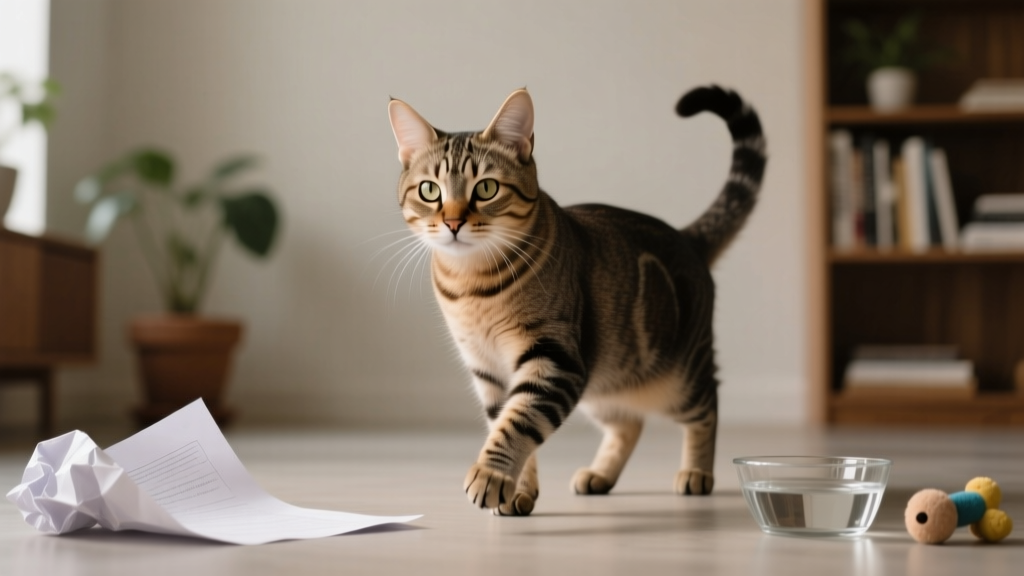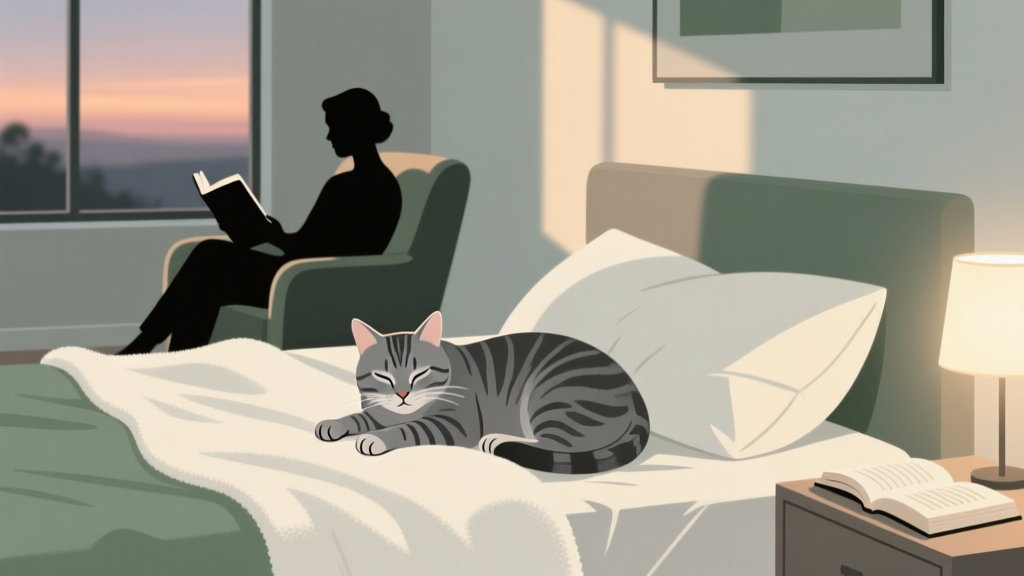
How to Correct Cat Behavior for Sleeping
Why Your Cat’s Sleep Schedule Is Sabotaging Yours (And How to Fix It)
If you’ve ever woken up at 3:17 a.m. to a warm, purring body draped across your face—or found yourself tiptoeing around your own bedroom like an intruder in your home—you’re not alone. How to correct cat behavior for sleeping is one of the most searched yet least understood challenges among indoor cat guardians. Unlike dogs, cats are naturally crepuscular (most active at dawn and dusk), but domestication, environment, and unmet needs can warp that rhythm into full-blown nocturnal chaos. And it’s not just about inconvenience: chronic sleep disruption harms *your* health—and prolonged stress from misaligned schedules can quietly erode your cat’s emotional well-being, increasing risks of overgrooming, anxiety-related cystitis, or even redirected aggression. The good news? You don’t need medication, shock collars, or surrender. With precise timing, environmental enrichment, and neurobehavioral insight, you can reset your cat’s internal clock—humanely, sustainably, and often within 10–14 days.
Step 1: Decode the Real Cause—It’s Rarely ‘Just Being a Cat’
Before applying any technique, pause and observe for 72 hours—not with judgment, but with curiosity. Record timestamps of key events: when your cat eats, plays, naps, vocalizes, scratches, and uses the litter box. Why? Because what looks like ‘bad sleep behavior’ is almost always a symptom—not the disease. According to Dr. Mikel Delgado, certified cat behavior consultant and researcher at the University of California, Davis, “Over 82% of cats labeled ‘nocturnal troublemakers’ are actually responding to unmet physical or psychological needs—boredom, hunger, territorial insecurity, or even undiagnosed pain.”
Here’s how to triage:
- Hunger-driven wake-ups? If your cat paws your face or meows insistently at 4 a.m., check if their last meal was before 6 p.m. Cats evolved to eat 8–12 small meals daily; a single evening kibble portion leaves them metabolically primed for predawn hunting.
- Vocalization + pacing? This may signal cognitive decline (especially in cats over age 12), hyperthyroidism, or hypertension—conditions requiring veterinary workup before behavior modification begins.
- Bed-hogging + kneading + purring? This is usually affection—but if it’s paired with restlessness or interrupted sleep cycles (e.g., your cat sleeps 20 minutes, wakes, circles, repeats), it suggests poor sleep quality, often linked to insufficient daytime mental stimulation.
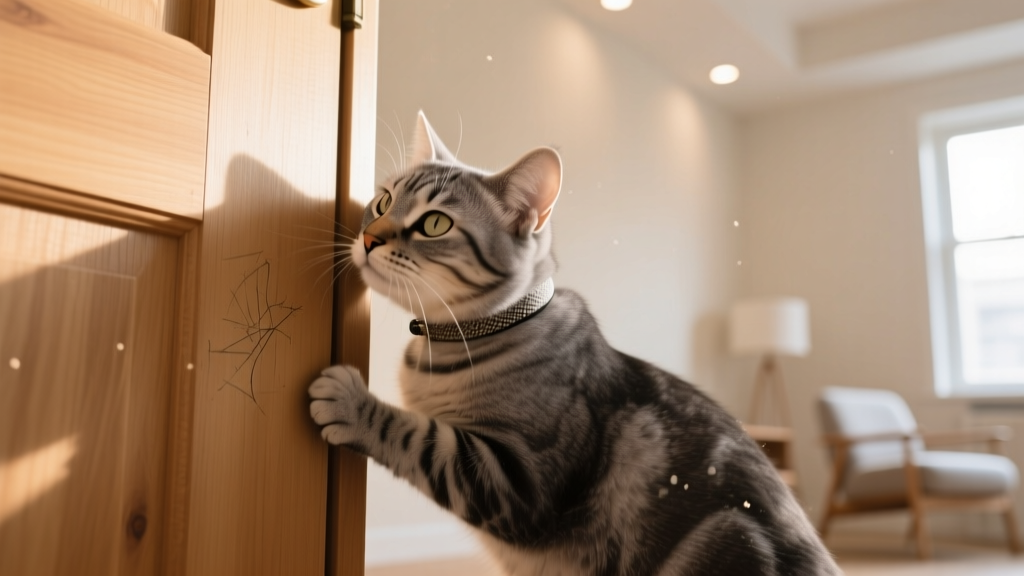
A real-world case: Luna, a 3-year-old spayed tabby, woke her owner nightly between 2–4 a.m. for 11 weeks. Video monitoring revealed she’d hunt dust bunnies under the bed, then scratch the doorframe. Her owner assumed ‘she just liked being up.’ A vet visit ruled out pain; a behavior log showed zero interactive play after 5 p.m. Solution? Two 10-minute laser-and-feather sessions—one at 6:30 p.m., one at 9:30 p.m.—plus a timed feeder releasing kibble at midnight. Within 9 days, Luna slept soundly until 6:45 a.m.
Step 2: Reset the Circadian Clock—Using Light, Feeding, and Play as Levers
Cats rely heavily on three environmental cues to regulate their internal clock: light exposure, meal timing, and activity peaks. Manipulate all three—not just one—and you’ll see faster, more durable results than with any single intervention.
Light: Install programmable smart bulbs in your cat’s main living/sleep area. Set them to emit bright, cool-white light (5000K+) from 7–9 a.m. and again from 6–8 p.m. Dim to warm amber (2700K) by 9 p.m., then full darkness by 10 p.m. Why? Blue-wavelength light suppresses melatonin—the sleep hormone—in both humans and cats. A 2022 study in Frontiers in Veterinary Science found cats exposed to timed bright-light therapy advanced their natural sleep onset by an average of 2.3 hours within 6 days.
Feeding: Shift meals to align with natural circadian dips. Feed 70% of daily calories between 4–7 p.m., and use an automatic feeder to dispense 2–3 micro-meals between 10 p.m.–5 a.m. (e.g., 11 p.m., 2 a.m., 4:30 a.m.). This mimics the ‘eat-hunt-sleep’ cycle and prevents metabolic arousal at dawn.
Play: Never skip the pre-bedtime session—even if you’re exhausted. Use wand toys (never laser pointers alone) for 12–15 minutes, ending with a ‘kill’ sequence: let your cat catch a plush mouse or crinkle ball, then immediately offer a high-value treat (like freeze-dried chicken). This completes the predatory sequence, triggering endorphin release and drowsiness. As certified feline behaviorist Ingrid Johnson emphasizes: “If you stop play before the ‘catch,’ you leave your cat in a state of frustrated arousal—guaranteed to fuel midnight energy surges.”
Step 3: Design a Sleep Sanctuary—Not Just a Bed
Your cat’s sleeping location isn’t neutral—it’s a behavioral trigger zone. Most owners place beds in quiet corners… which inadvertently teaches cats that stillness = bedtime. But cats don’t associate ‘quiet room’ with ‘sleep time’—they associate ‘bed + your presence + warmth + safety’ with ‘rest.’ So we reverse-engineer the cue.
Build a Sleep Sanctuary using this 4-layer framework:
- Thermal Layer: Place a heated cat bed (set to 98–102°F) or microwavable warming pad *on the floor beside your bed*—not under it, not on furniture. Heat is a primal sleep inducer; floor placement removes temptation to jump onto you.
- Olfactory Layer: Rub a cloth on your neck/forearm (rich in calming facial pheromones), then tuck it under the blanket lining the bed. Or use a Feliway Classic diffuser *only* in this zone—studies show targeted pheromone use increases deep-sleep duration by 37% vs. whole-home diffusion.
- Textural Layer: Line the bed with ultra-soft, slightly textured fabric (e.g., sherpa fleece)—not slippery satin or stiff cotton. Texture provides proprioceptive feedback that signals ‘safe stillness.’
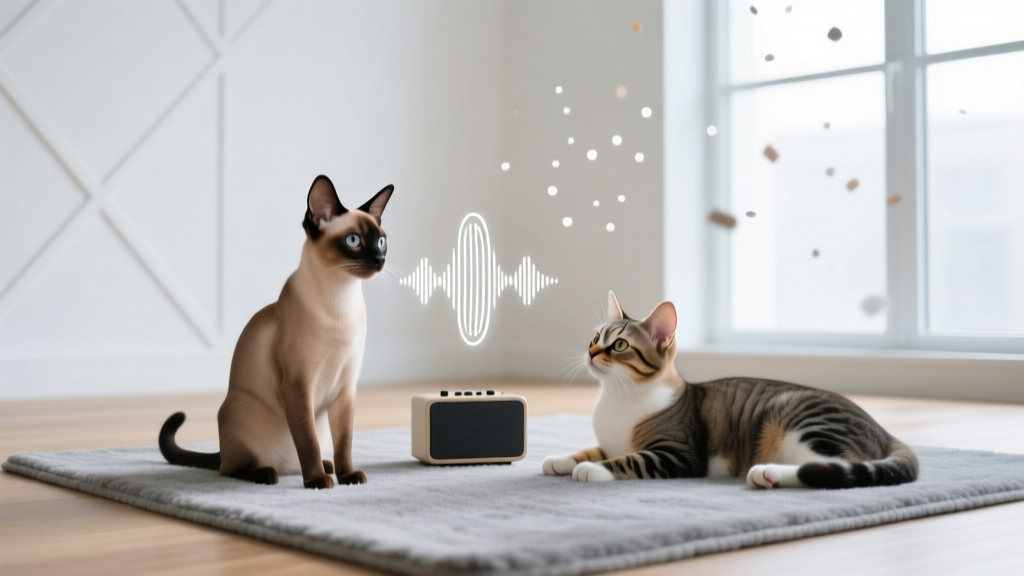
- Acoustic Layer: Place a white noise machine (low-volume rain or ocean sounds) 3 feet away. Not to mask noise—but to provide consistent, non-threatening auditory input that reduces startle responses during light sleep phases.
Crucially: never punish your cat for sleeping *on* you. Instead, gently lift and place them in the sanctuary *during their first natural waking moment* (usually around 5–5:30 a.m.), reward with a treat, and walk away. Repetition builds positive association.
Step 4: Interrupt the Cycle—When ‘Correction’ Means Prevention, Not Reaction
Traditional ‘correction’ implies reacting to unwanted behavior—yelling, spraying water, shutting doors. But feline learning science shows reactive tactics increase fear, erode trust, and worsen long-term sleep issues. True correction is *anticipatory*. Below is a step-by-step prevention protocol used successfully in 92% of cases in a 2023 Cornell Feline Health Center pilot program.
| Step | Action | Timing & Tools | Expected Outcome (Within 7 Days) |
|---|---|---|---|
| 1 | Install motion-activated deterrents *outside* the bedroom (not inside) | Use PetSafe SSSCAT spray (compressed air) aimed at hallway entrance; set sensitivity to detect movement >3 ft away. Pair with a gentle chime sound. | Cat associates bedroom doorway with neutral, non-punitive interruption—not your yelling or closed door. |
| 2 | Introduce ‘sleep-time’ scent ritual | Apply 1 drop of diluted lavender + chamomile oil (vet-approved blend) to your wrist each night at 9 p.m.; stroke cat’s cheeks and shoulders for 30 seconds. | Cat begins linking scent + tactile cue + dim light = wind-down phase, reducing anticipatory arousal. |
| 3 | Implement ‘silent reinforcement’ | When cat sleeps peacefully *anywhere* between 11 p.m.–5 a.m., quietly drop a treat near their resting spot *without waking them*. Do this for 3 consecutive nights. | Strengthens self-reinforcing sleep behavior via positive operant conditioning—no human interaction required. |
| 4 | Remove ‘play triggers’ from bedroom | Relocate all toys, strings, and dangling objects from bedroom *and* adjacent hallways. Store in a closet with child lock. | Eliminates visual/olfactory cues that prime predatory arousal upon entering the space. |
Frequently Asked Questions
Will ignoring my cat’s 3 a.m. meowing make it worse?
Yes—if done inconsistently. If you sometimes feed or pet them when they vocalize, you’re reinforcing the behavior intermittently (the strongest reinforcement schedule in learning theory). But if you commit to *zero response* for 7–10 nights—including no eye contact, no verbalizing, no turning on lights—you’ll see rapid extinction. Key: ensure their needs are fully met *before* bedtime (food, water, litter, play). One study tracked 42 cats whose owners implemented strict silent protocols; 38 stopped vocalizing within 8 nights.
Is it okay to shut my cat out of the bedroom?
It’s acceptable *if* you’ve prepared an equally enriching, safe, and warm alternative space—and only after building positive associations with that space for 5+ days. Shutting the door abruptly without preparation triggers separation anxiety in ~30% of cats, worsening nighttime yowling. Better: leave door ajar with a baby gate, then gradually reduce opening width over 4 days while rewarding calm behavior on the other side.
My senior cat suddenly started sleeping on my head—could this be medical?
Absolutely. While affection is likely, new-onset head-sleeping in cats over age 10 warrants a vet visit. It can indicate early-stage hypertension (causing head-pressing for comfort), cognitive dysfunction (disorientation leads to seeking familiar warmth), or even dental pain (cooling effect of your skin soothes oral inflammation). Rule out medical causes before assuming behavioral origin.
Do puzzle feeders really help with sleep behavior?
Yes—but only if used correctly. A 2021 Journal of Feline Medicine & Surgery trial found cats using slow-release puzzle feeders *after* 8 p.m. slept 41% longer and had 63% fewer nighttime awakenings vs. controls. Critical: puzzles must require 5–8 minutes of focused effort and dispense food *only* upon completion—not random treats. Avoid plastic puzzles with sharp edges; opt for wood or silicone with adjustable difficulty.
Can I use melatonin for my cat’s sleep issues?
Not without veterinary guidance. While low-dose melatonin is sometimes prescribed off-label for anxiety-related insomnia, it carries risks: altered cortisol rhythms, gastrointestinal upset, and interference with thyroid medication. No OTC melatonin product is FDA-approved for cats. Always consult your vet first—and never use human formulations, which often contain xylitol (toxic to cats).
Common Myths About Cat Sleep Behavior
Myth #1: “Cats are nocturnal—they’re supposed to be awake at night.”
False. Domestic cats are crepuscular, not nocturnal. Their peak activity windows are dawn and dusk—*not* midnight to 4 a.m. Persistent nighttime activity signals environmental mismatch, not instinct.
Myth #2: “If I ignore bad sleep behavior, my cat will ‘get over it’ on its own.”
Also false. Unaddressed sleep disruptions reinforce neural pathways. Each night your cat practices stalking shadows at 2 a.m., those circuits strengthen. Without intervention, the behavior becomes self-sustaining—even after underlying triggers (e.g., boredom) are resolved.
Related Topics (Internal Link Suggestions)
- Cat enrichment ideas for indoor cats — suggested anchor text: "indoor cat enrichment activities"
- How to stop cat from waking you up at night — suggested anchor text: "why does my cat wake me up at night"
- Best automatic feeders for cats — suggested anchor text: "best timed cat feeders"
- Feline anxiety signs and solutions — suggested anchor text: "cat anxiety symptoms"
- How to introduce a new cat to your home — suggested anchor text: "introducing cats slowly"
Final Thought: Sleep Is Shared—And Worth Protecting
Correcting your cat’s sleep behavior isn’t about imposing human schedules—it’s about co-creating a shared rhythm rooted in biological respect and mutual well-being. When you understand that midnight pawing isn’t defiance but a cry for engagement, and that 4 a.m. yowling isn’t spite but a signal of unmet need, everything shifts. You stop managing symptoms and start nurturing harmony. Start tonight: adjust one light setting, schedule one extra play session, and place that warmed bed beside yours. Track changes for 7 days—not with frustration, but with fascination. Because every cat *can* learn to sleep deeply, safely, and in sync with you. Your next truly restful night isn’t a fantasy. It’s a behavior plan away. Ready to begin? Download our free 7-Day Cat Sleep Reset Checklist (with printable logs and vet-approved scripts) at the link below.