What Cat Behaviors Mean for Indoor Cats (2026)
Why Understanding What Cat Behaviors for Indoor Cats Really Signal Is Your #1 Priority Right Now
If you've ever stared at your indoor cat mid-stare, watched them sprint through the house at 3 a.m., or wondered why they knead your laptop keyboard but avoid their $80 cat tree—then you're not alone. What cat behaviors for indoor cats actually communicate is one of the most urgent, under-discussed topics in modern cat guardianship. Indoor cats live longer—but studies show up to 72% exhibit at least one chronic stress-related behavior (like overgrooming, inappropriate elimination, or aggression), often misread as 'just being weird.' This isn’t about labeling quirks—it’s about recognizing subtle signals before they escalate into vet visits, relationship strain, or compromised welfare. With over 65 million U.S. households sharing homes with indoor cats—and rising urban density limiting outdoor access—the stakes for accurate behavioral literacy have never been higher.
Decoding the Top 5 'Confusing' Behaviors—And What They’re Really Telling You
Unlike dogs, cats rarely broadcast distress with obvious cues like whining or pacing. Their communication is layered, species-specific, and deeply tied to evolutionary survival instincts—even in climate-controlled apartments. Here’s what top-certified feline behaviorists (including Dr. Mikel Delgado, certified applied animal behaviorist and UC Davis researcher) say these common indoor behaviors *actually* mean—and how to respond:
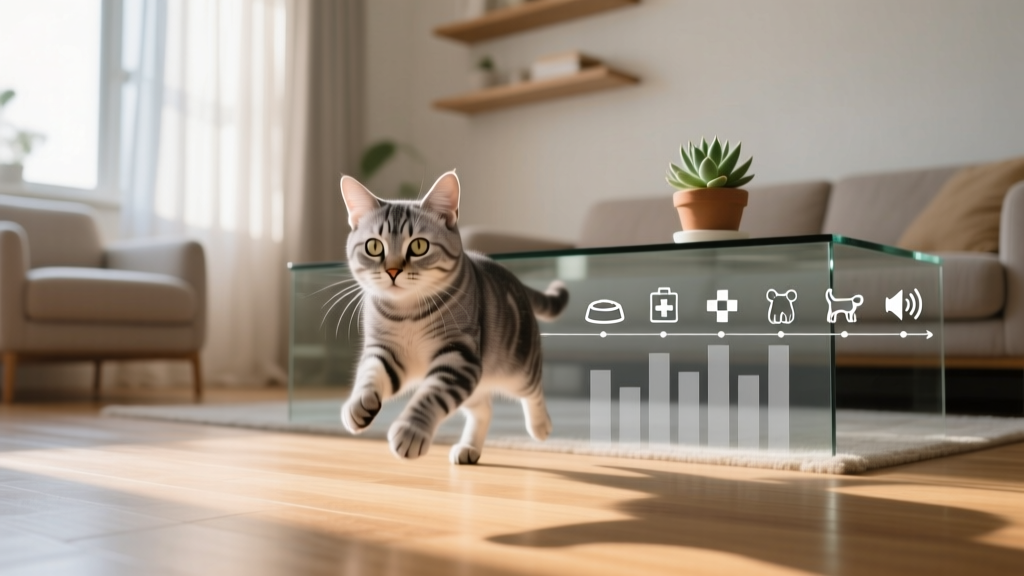
- Midnight Zoomies (aka Frenetic Random Activity Periods): Not 'crazy energy'—it’s instinctive hunting simulation. Indoor cats lack natural outlets for prey-drive cycles. When they sprint, leap, and skid around corners at night, they’re compensating for unmet predatory sequencing (stalking → chasing → pouncing → killing → eating). Ignoring it leads to redirected aggression or chronic arousal. Solution: Implement two 15-minute interactive play sessions daily using wand toys that mimic erratic prey movement—ending with a 'kill' (letting them bite a plush toy) and immediate food reward (simulate post-hunt feeding).
- Slow Blinking & Head-Butting (Bunting): This isn’t just affection—it’s active scent-marking and social bonding. Cats deposit facial pheromones (F3) onto you, signaling safety and group membership. When your cat slow-blinks while making eye contact, they’re offering trust. Solution: Return the blink slowly (3–5 seconds per blink), then gently extend a finger for bunting. Avoid sudden head pets—most cats prefer cheek or chin rubs only.
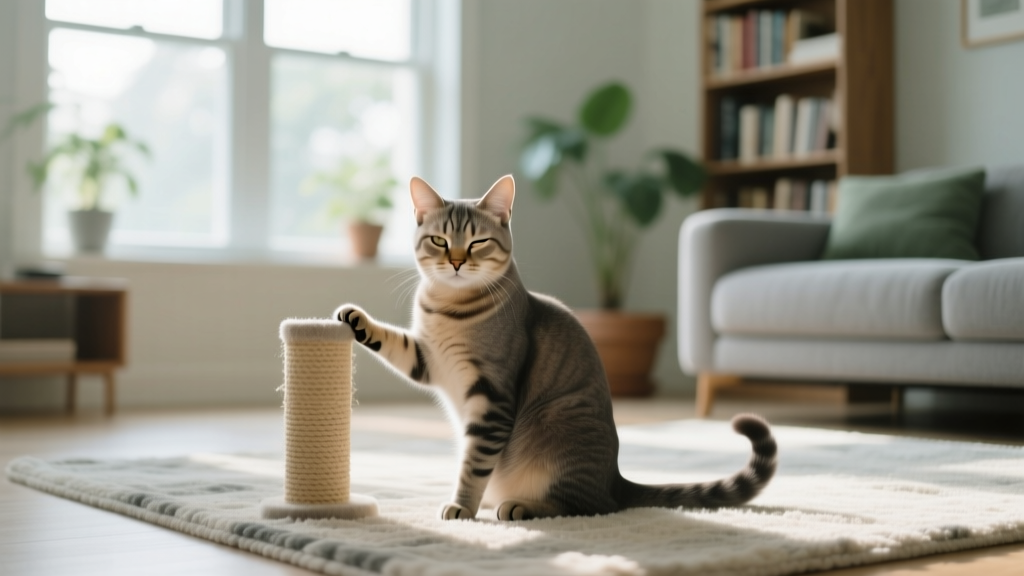
- Scratching Furniture (Not the Scratcher): It’s not spite—it’s multi-functional: claw maintenance, territory marking (via scent glands in paw pads), and stretching tight shoulder muscles. A 2023 Journal of Feline Medicine & Surgery study found 89% of cats rejected horizontal scratchers; vertical, sisal-wrapped posts placed near sleeping areas increased use by 400%.
- Bringing You 'Gifts' (Toys, Lint Balls, or Even Dead Insects): This is a teaching behavior rooted in maternal instinct—even spayed/neutered cats may bring 'prey' to trusted humans to 'train' them or share resources. Punishing this triggers shame and secrecy—not cessation.
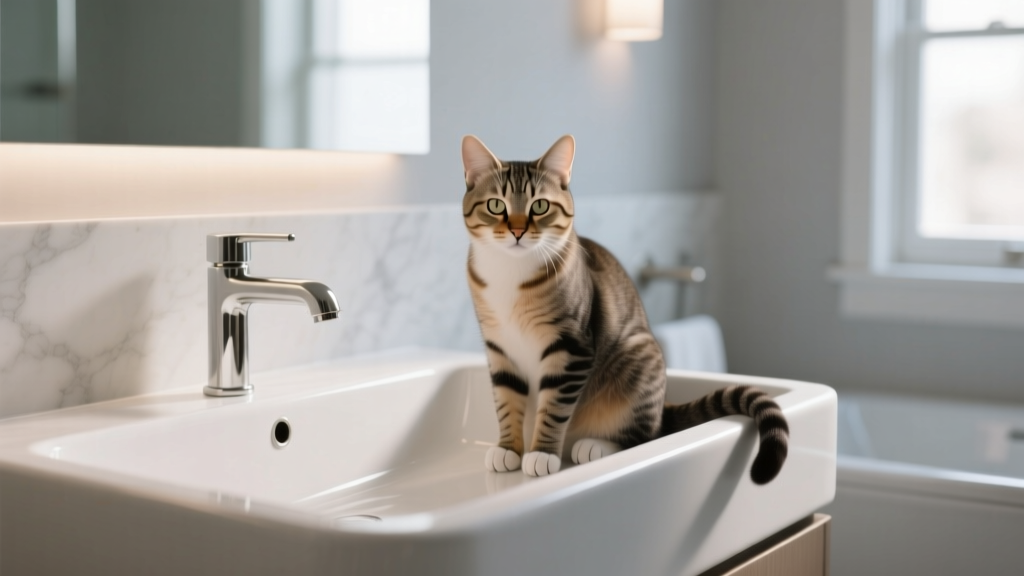
- Sitting in Boxes, Sinks, or Empty Bags: Thermoregulation + security. Cats seek enclosed, warm, elevated micro-environments (ideal surface temp: 86–97°F). A cardboard box raises ambient temperature by ~20°F and provides 360° visual control—critical for prey animals living in human-dominated spaces.
The Hidden Stressors Behind 'Normal' Behaviors—And How to Audit Your Home
What looks like harmless quirkiness may be low-grade chronic stress—a silent driver of urinary tract disease, obesity, and immune suppression. According to the American Association of Feline Practitioners’ 2022 Guidelines, environmental enrichment isn’t optional—it’s preventive medicine. But 'enrichment' isn’t just toys. It’s structural, sensory, and temporal design. Start with a 3-layer home audit:
- Vertical Layer Audit: Cats perceive space vertically. Measure floor-to-ceiling height in each room. If your cat has access to less than 3 feet of vertical territory per 100 sq ft, add shelves, wall-mounted perches, or cat trees anchored to walls (not freestanding—safety first). Bonus: Place one perch directly above a window with bird feeder view (but use UV-filtering film to prevent overheating).
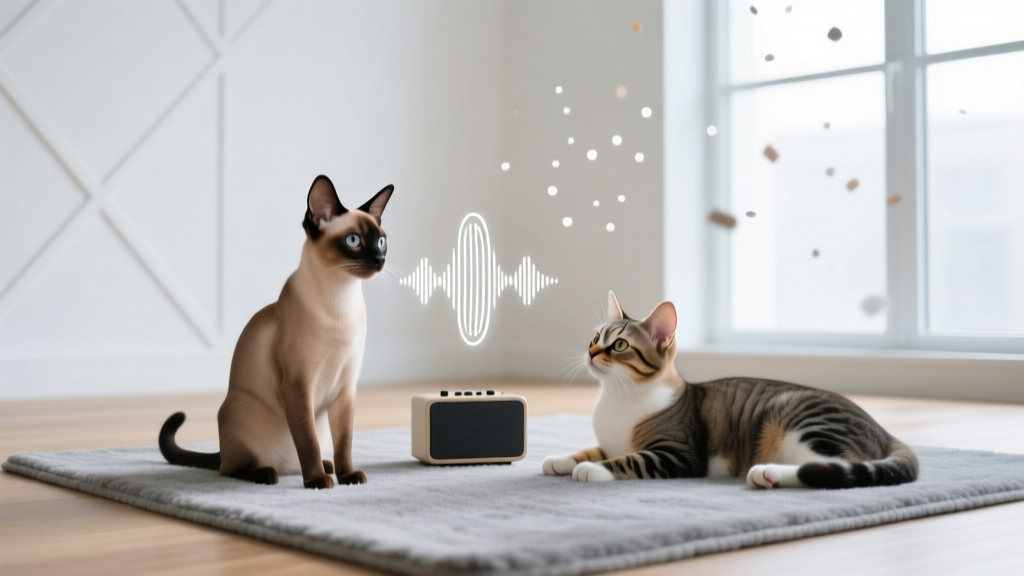
- Scent & Sound Audit: Human scents (laundry detergent, hand soap) and ultrasonic devices (like some plug-in bug zappers) emit frequencies cats hear at 20–60 kHz—causing anxiety. Swap to unscented cleaners and test rooms with a smartphone app like 'PetTone Detector' to identify hidden noise sources.
- Temporal Predictability Audit: Cats thrive on routine. Track feeding, play, and quiet times for 3 days. If windows vary by >30 minutes—or if household members enter/exit unpredictably—introduce 'predictable interruptions': use a specific chime before feeding, or place a treat puzzle on the floor 5 minutes before your usual work-from-home break.
When 'Normal' Behavior Crosses Into Red Flags—A Vet-Approved Threshold Guide
Some behaviors are adaptive; others signal pain, anxiety, or neurological change. The key isn’t frequency—but change in baseline. As Dr. Tony Buffington, DVM, PhD and pioneer of the Indoor Pet Initiative explains: 'Cats don’t get “grumpy old age.” They get arthritis, hyperthyroidism, or dental disease—and act it out behaviorally.' Use this clinical threshold guide:
| Behavior | Adaptive (Typical) | Clinical Red Flag (Seek Vet Within 72 Hours) | First-Aid Action While Waiting |
|---|---|---|---|
| Urinating Outside Litter Box | Occurs once after moving furniture; resolves in 2 days with box relocation | New onset + blood in urine, straining, crying in box, or urinating on cool surfaces (tile, bathtub) | Offer 2+ boxes (unscented, clumping, 1.5x cat length), clean daily, add water fountain nearby |
| Vocalizing Excessively | Meows persistently at dawn for breakfast (same time, same duration, stops when fed) | New nighttime yowling, especially with disorientation, pacing, or staring at walls | Rule out night vision loss: shine dim red LED flashlight (cats can’t see red)—if no pupil constriction, consult vet |
| Grooming Changes | Seasonal shedding increase; brief overgrooming after vet visit (resolves in 3–5 days) | Bald patches, skin lesions, or grooming lasting >30 min/session with agitation | Check for fleas with flea comb; apply cool compress to irritated areas; avoid topical meds without vet approval |
| Avoidance/Hiding | Hides for <1 hour after loud noises (thunder, construction) | Hides >12 hours/day for >2 consecutive days, avoids food/water, or hides during petting | Place food/water near hiding spot; leave room quietly; use Feliway Classic diffuser in adjacent room |
Frequently Asked Questions
Why does my indoor cat bite me gently during petting—and then suddenly attack?
This is known as 'petting-induced aggression'—and it’s extremely common. Cats have low tolerance thresholds for tactile stimulation, especially along the back and tail base. The 'gentle bite' is a polite 'stop now' signal. Research from the University of Lincoln found 82% of cats give clear pre-aggression cues (tail flicking, skin twitching, flattened ears) 3–10 seconds before biting. The fix? Learn your cat’s individual threshold (start with 15-second strokes, pause, watch for cues), focus petting on 'safe zones' (cheeks, chin, base of ears), and end sessions *before* they do—rewarding calm disengagement with treats.
Is it normal for my indoor cat to stare at walls or empty corners?
Yes—up to a point. Cats detect motion, sound, and scent imperceptible to us: dust mites dancing in light beams, high-frequency rodent squeaks in walls, or even electromagnetic fields from wiring. However, if staring is paired with vocalizing, circling, or bumping into objects, it may indicate hypertension (common in senior cats), retinal degeneration, or cognitive dysfunction. Rule out medical causes first—then consider environmental enrichment like rotating novel scents (dried catnip, silvervine) near baseboards to redirect focus.
My cat knocks things off shelves constantly. Is this destructive—or something else?
It’s almost certainly not spite. This is object play mimicking prey capture—and a cry for engagement. A landmark 2021 study in Applied Animal Behaviour Science showed cats who knocked items down had 3.2x more interactive play than controls, but were 4x more likely to have insufficient vertical territory. The solution isn’t punishment—it’s redirection: attach ping-pong balls to strings and dangle them near shelves, or use treat-dispensing puzzle toys that require batting to release kibble. Bonus: Place a soft landing mat below favorite knock zones to reduce stress for both cat and owner.
Do indoor cats get bored—and can boredom cause real health problems?
Absolutely—and yes. Chronic under-stimulation elevates cortisol, suppressing immunity and increasing risk for idiopathic cystitis (a painful bladder condition) and obesity. A 2-year Cornell Feline Health Center study tracked 120 indoor cats: those with structured daily play + food puzzles + rotating novel objects had 67% fewer vet visits for stress-related conditions versus controls. Boredom isn’t just 'annoying'—it’s biologically damaging.
Should I get a second cat to keep my indoor cat company?
Not automatically—and often, it backfires. Cats are facultatively social, not pack animals. Introducing a second cat without proper, weeks-long gradual introduction increases aggression, urine marking, and resource guarding in 60% of cases (per ASPCA data). Instead, prioritize human-led enrichment first. If considering adoption, choose a kitten <6 months old (higher acceptance rate) and commit to a 4-week scent-swapping protocol *before* visual contact. Always consult a certified cat behaviorist—not just your vet—for introductions.
Common Myths About Indoor Cat Behavior
Myth #1: 'If my cat is sleeping 16+ hours a day, they’re lazy or depressed.' Reality: Adult cats sleep 12–18 hours daily to conserve energy for short, intense bursts of activity. Sleep isn’t passive—it’s neurologically active, supporting memory consolidation and sensory processing. What matters is sleep *quality*: deep REM sleep (paws twitching, whiskers quivering) vs. light, interrupted dozing. If your cat startles easily, hides while sleeping, or abandons favorite napping spots, investigate environmental stressors—not lethargy.
Myth #2: 'Cats don’t need training—they’re independent.' Reality: Cats learn constantly via operant conditioning—but on their own terms. Positive reinforcement (treats, praise, play) builds trust and solves issues like door dashing or counter-surfing far more effectively than punishment (which damages your bond and increases fear-based aggression). Clicker training works exceptionally well for indoor cats—start with targeting (touching nose to stick) and build to complex behaviors like 'go to mat' or 'enter carrier.'
Related Topics (Internal Link Suggestions)
- Indoor Cat Enrichment Ideas — suggested anchor text: "indoor cat enrichment ideas that actually work"
- Best Litter Box Setup for Multiple Cats — suggested anchor text: "litter box setup for multiple indoor cats"
- How to Stop Cat Scratching Furniture — suggested anchor text: "how to stop cat scratching furniture naturally"
- Signs of Pain in Cats — suggested anchor text: "subtle signs of pain in cats"
- Feline Cognitive Dysfunction — suggested anchor text: "cat dementia symptoms and care tips"
Conclusion & Your Next Step—Start Today, Not Tomorrow
Understanding what cat behaviors for indoor cats truly convey transforms you from a passive observer into an empathetic cohabitant. Every slow blink, every midnight dash, every box obsession holds meaning—if you know how to listen. You don’t need expensive gadgets or professional help to begin: pick one behavior from this article that’s been puzzling you, run the 3-layer home audit in that room, and implement one evidence-backed adjustment within 24 hours. Then track changes for 7 days—not with judgment, but curiosity. As Dr. Delgado reminds us: 'Cats aren’t broken. They’re communicating in a language we’ve forgotten how to speak. Your job isn’t to fix them—it’s to translate.' Ready to deepen the connection? Download our free Indoor Cat Behavior Tracker PDF (with printable logs and vet-approved interpretation guides) at the link below—and share your first insight in the comments. Your cat is waiting to be understood.