What Are Cat Behaviors Warnings? 12 Subtle but Critical...
Why Ignoring These Cat Behavior Warnings Could Cost You More Than Vet Bills
If you've ever wondered what are cat behaviors warnings, you're not overreacting — you're tuning into your cat's silent language. Cats don’t vocalize pain or distress like dogs; instead, they withdraw, change routines, or display subtle shifts in body language that most owners miss until the issue escalates. In fact, a 2023 Cornell Feline Health Center study found that 68% of cats brought in for acute illness had exhibited at least three behavioral warnings in the prior 7–10 days — behaviors their owners dismissed as 'just being grumpy' or 'acting weird.' This isn’t about reading minds — it’s about recognizing biological signals rooted in evolution: cats hide vulnerability to survive. When your cat stops greeting you at the door, grooms obsessively in one spot, or starts hissing at an empty corner, it’s not 'personality' — it’s data. And acting on it early can prevent chronic conditions, reduce diagnostic costs by up to 40%, and rebuild trust before emotional distance becomes irreversible.
1. The 5 Silent Stress Signals (And Why 'Calm' Isn’t Always Calm)
Stress in cats rarely looks like pacing or panting. It manifests through suppression — behaviors that seem peaceful but are physiologically taxing. Dr. Sarah Lin, DACVB (Diplomate of the American College of Veterinary Behaviorists), explains: 'A cat who sits perfectly still for hours, avoids eye contact, and doesn’t blink when you approach isn’t relaxed — they’re in freeze-mode, a high-alert survival state that elevates cortisol and suppresses immune function over time.'
Here’s what to watch for — and what each truly means:
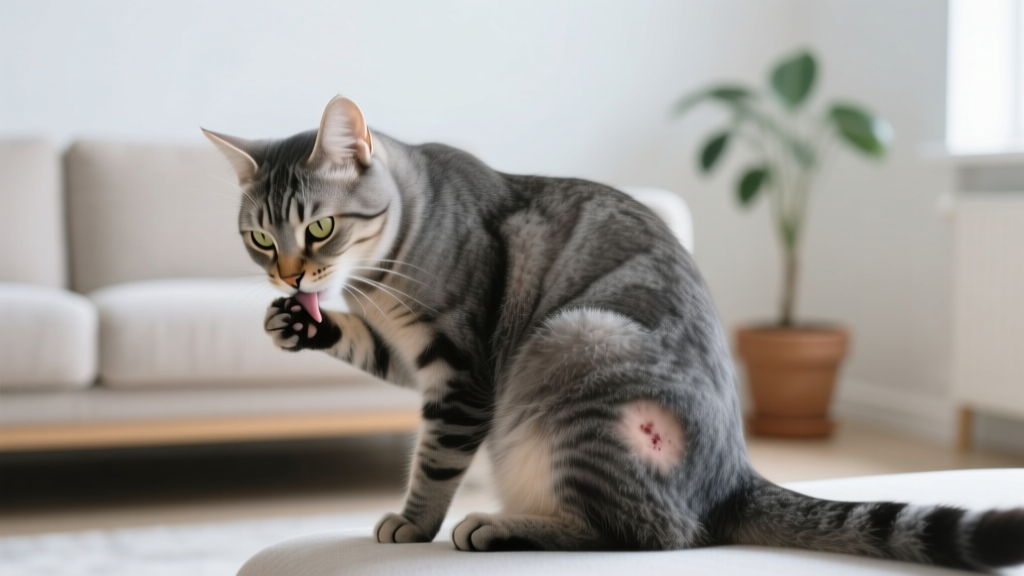
- Excessive self-grooming in one area (e.g., bald patch on inner thigh): Often linked to neuropathic pain or anxiety-induced dermatitis — not 'just licking.' A 2022 JAVMA study tied focal overgrooming to undiagnosed osteoarthritis in 73% of senior cats.
- Chronic low-hanging tail with twitching tip: Not playful — this indicates sustained sympathetic nervous system activation. Unlike a relaxed, gently swaying tail, this micro-twitch reflects hypervigilance.
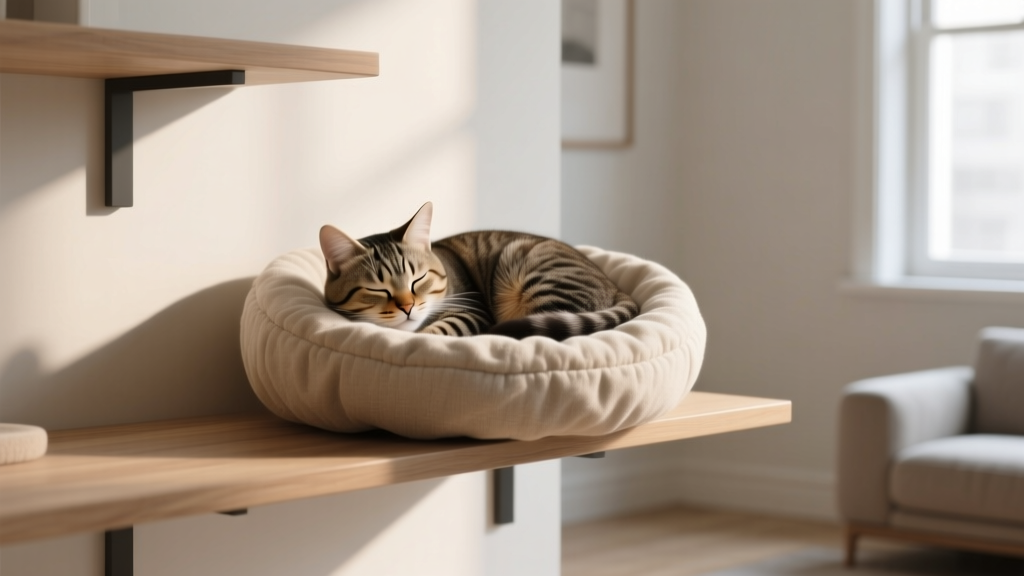
- Avoiding vertical space (no climbing, hiding under furniture instead of perches): Loss of confidence or joint discomfort. Cats with early-stage arthritis abandon elevated vantage points 3–6 months before limping appears.
- Sudden aversion to petting — especially near base of tail or shoulders: Often signals referred pain (e.g., dental disease causing jaw tension) or hyperesthesia syndrome. Never assume it’s 'moodiness.'
- Staring blankly at walls or corners for >90 seconds: May indicate feline cognitive dysfunction (FCD) in seniors, or seizures in younger cats. Note duration and whether pupils are dilated — this differentiates neurological events from mild disorientation.
Real-world example: Maya, a 9-year-old domestic shorthair, stopped using her cat tree for 11 days. Her owner assumed she was 'slowing down.' A vet exam revealed stage 2 elbow osteoarthritis — treatable with weight management and gabapentin, but only because the behavior warning prompted early imaging.
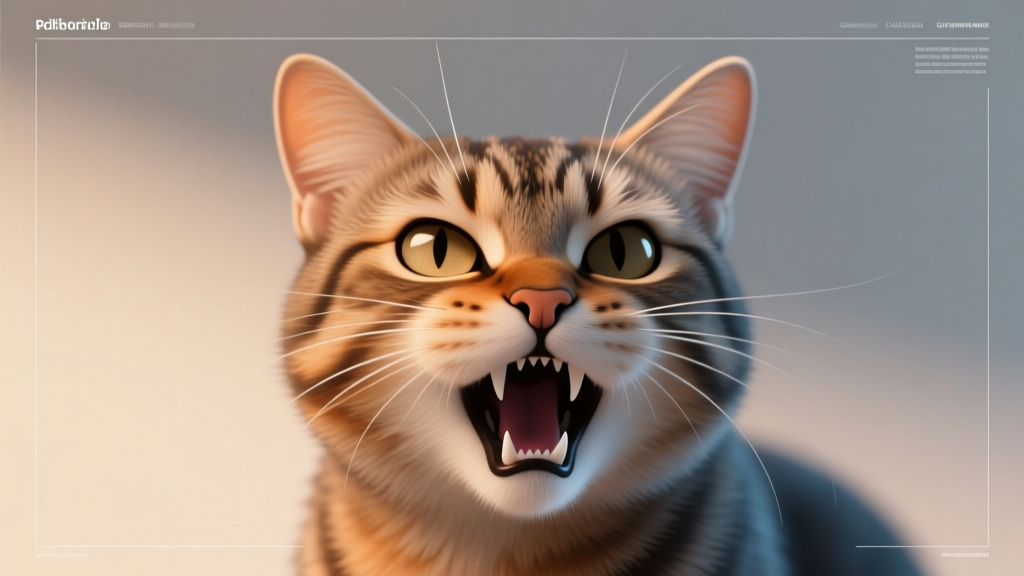
2. Aggression Red Flags: When Hissing Isn’t About Territory
Cat aggression is frequently mislabeled as 'dominance' — a myth debunked by decades of ethological research. True dominance hierarchies don’t exist in solitary species like Felis catus. Instead, aggression almost always signals unmet needs or unresolved threats. According to Dr. Tony Buffington, Professor Emeritus at Ohio State’s College of Veterinary Medicine, 'When a cat bites during petting, it’s rarely 'overstimulation' — it’s communication failure. They gave 5+ clear 'stop' signals (tail flick, skin twitch, ear rotation) before escalating.'
Key aggression-related warnings and their root causes:
- Redirected aggression after seeing outdoor cats: Not 'jealousy' — it’s autonomic overflow. The cat’s nervous system is flooded; biting your hand isn’t personal. Solution: Block visual access *before* escalation (use opaque window film, not curtains) and use Feliway Optimum diffusers 48 hours pre-emptively during high-risk seasons (spring/fall).
- Unprovoked growling while sleeping: Indicates REM sleep disruption — common in cats with chronic pain or hyperthyroidism. Record a 60-second video; if eyes move rapidly *and* limbs jerk, consult your vet about thyroid panel + orthopedic X-rays.
- Biting ankles during quiet moments: Often linked to play-deprivation in indoor-only cats. Their predatory sequence (stalking → pouncing → killing) is truncated. Provide daily 3x5-minute interactive sessions with wand toys — *ending with a food reward* to complete the sequence neurologically.
- Attacking feet under blankets: A sign of heightened nocturnal anxiety. Install motion-activated nightlights (not blue-spectrum) and place soft-sided carriers near beds — cats seek enclosed, warm spaces when stressed.
Case study: Leo, a 3-year-old Bengal, began ambushing his owner’s calves at 3 a.m. Environmental audit revealed no outdoor cats, but a neighbor’s motion-sensor light flashed through a gap in blinds every 92 seconds. Replacing the blind fixed the behavior in 4 days — proving context matters more than labels.
3. Elimination & Appetite Shifts: Beyond 'Litter Box Issues'
Urinating outside the box or refusing food are among the most misinterpreted warnings. Owners rush to clean or switch food — missing critical clues. Board-certified veterinary internist Dr. Lena Cho emphasizes: 'A cat peeing on your pillow isn’t marking territory — it’s depositing scent where you spend the most time because they feel unsafe elsewhere. And refusing kibble for >24 hours isn’t pickiness; it’s often oral pain or nausea.'
Actionable triage framework:
- Location matters: Urine on cool surfaces (tile, bathtub) suggests urinary discomfort (crystals, UTI). On soft fabrics (beds, couches) = anxiety-driven scent-marking. On vertical surfaces = territorial stress (new pet, construction noise).
- Posture tells the story: Straining with little output + frequent trips = FLUTD (feline lower urinary tract disease). Squatting normally but producing puddles = kidney disease or diabetes. Watch for licking genitals post-urination — a sign of irritation.
- Appetite nuance: If your cat eats treats but refuses meals, suspect dental pain (check for drooling, dropping food, or chewing on one side). If they eat dry food but reject wet, consider nausea (common in early renal disease or pancreatitis).
- The 24-hour rule: Any complete appetite loss >24 hours requires vet assessment. Cats risk hepatic lipidosis within 48–72 hours of fasting — a life-threatening liver condition.
| Behavior | Time Sensitivity | First Action | Vet Timeline |
|---|---|---|---|
| Straining to urinate with blood-tinged urine | Critical (minutes) | Call emergency vet immediately | Within 1 hour |
| No urination for >12 hours | Critical (hours) | Hydrate with syringe-fed water (1–2 mL) | Same day |
| Refusing all food/water >24 hrs | Urgent | Offer warmed broth, try syringe-feeding | Within 24 hours |
| New onset howling at night (seniors) | Important | Check for drafts, install nightlight | Within 72 hours |
| Obsessive licking of one paw | Moderate | Examine for thorn, check temperature | Within 1 week |
4. Social Withdrawal & Trust Erosion: The Slowest, Most Dangerous Warning
This is the stealthiest category — and the hardest to reverse. Cats don’t ‘get over’ broken trust; they recalibrate safety thresholds. When your cat stops sleeping on your lap, avoids your office, or hides when you enter a room, it’s rarely about you — it’s about associative learning. A single negative experience (e.g., forced nail trim, loud vacuum start-up, vet visit trauma) can create lasting aversion to contexts, sounds, or even your scent if paired with stress hormones.
Rebuilding requires neurobiological precision:
- Never force interaction: Approaching a fearful cat increases cortisol. Instead, practice 'passive proximity' — sit 6 feet away, read aloud softly, offer treats *without looking at them*. Reward calm presence, not approach.
- Reset scent associations: Wash hands before handling, avoid strong perfumes. Use a worn t-shirt in their bed — human scent = safety *only* when paired with zero pressure.
- Use 'consent checks': Before petting, extend finger 6 inches from chin. If they lean in — proceed. If they blink slowly — continue. If they freeze or turn head — stop. This teaches mutual agency.
- Track micro-behaviors: A single slow blink, a tail-tip wag while watching you, or eating in your presence are trust milestones. Journal them — progress is incremental.
Dr. Mikel Delgado, certified cat behavior consultant, notes: 'Cats forgive faster than we think — but only when we speak their language. One week of consistent, low-pressure positive reinforcement rebuilds trust faster than six months of guilt-driven 'love bombing.'
Frequently Asked Questions
My cat suddenly started sleeping in the closet — is this normal?
Sleeping in confined, dark spaces isn't inherently abnormal, but a *sudden shift* from open sleeping spots warrants attention. First, rule out physical causes: check for matted fur (painful joints), respiratory congestion (listen for snoring or labored breathing), or recent environmental changes (new pet, renovation dust). If medical causes are ruled out, it's likely stress-related — provide 2–3 identical safe spaces (cardboard boxes with blankets) around the home and use Feliway Classic diffusers in high-traffic areas. Monitor for 3 days: if they begin using other locations again, stress is resolving.
Is it true that cats 'hold grudges' after a bad vet visit?
No — cats don't hold grudges, but they form powerful negative associations. A stressful carrier experience or painful injection creates a neural link between the carrier, car ride, and fear. To prevent this: leave the carrier out 24/7 with cozy bedding, feed meals inside it, and take 'fake trips' (5-minute drives with treats). For future visits, request a Fear Free Certified clinic — they use calming pheromones, non-slip mats, and avoid restraint unless absolutely necessary.
My senior cat yowls at night — should I ignore it?
Never ignore new-onset vocalization in seniors. While some yowling relates to cognitive decline, 42% of cases in a 2021 UC Davis study were linked to untreated hypertension or hyperthyroidism. Record the yowling (note time, duration, posture) and schedule bloodwork including T4, BUN, creatinine, and blood pressure. If medical causes are cleared, install motion-activated nightlights and provide a heated cat bed — nighttime disorientation decreases with warmth and ambient light.
Why does my cat stare at me then look away slowly?
This is a profound sign of trust — not a warning. Slow blinking is a cat's 'kiss' or 'I love you' gesture. They only do it when feeling safe enough to close their eyes voluntarily in your presence. Return the gesture: soften your gaze, blink slowly, and hold for 2 seconds. Over time, this builds mutual calm. If they blink back, you've just strengthened your bond neurologically.
Common Myths About Cat Behavior Warnings
Myth #1: 'If my cat is eating and using the litter box, they must be fine.'
False. Up to 80% of cats with early kidney disease or dental pain maintain normal elimination and appetite for months — masking progression. Behavioral shifts (reduced play, avoiding stairs, increased daytime napping) often precede measurable lab changes.
Myth #2: 'Hissing means my cat is aggressive and needs discipline.'
Discipline worsens fear-based aggression. Hissing is a distance-increasing signal — the cat is saying 'I need space to feel safe.' Punishment erodes trust and may escalate to biting without warning. Respond by calmly backing away and reassessing triggers.
Related Topics
- Cat Body Language Decoded — suggested anchor text: "how to read cat tail positions and ear angles"
- Feline Stress Reduction Techniques — suggested anchor text: "calming products for anxious cats that actually work"
- When to Take Your Cat to the Vet for Behavior Changes — suggested anchor text: "cat behavior red flags requiring immediate vet care"
- Senior Cat Cognitive Decline Signs — suggested anchor text: "early dementia symptoms in older cats"
- Indoor Cat Enrichment Ideas — suggested anchor text: "mental stimulation for cats who never go outside"
Your Next Step Starts Today — Not Tomorrow
Understanding what are cat behaviors warnings isn’t about becoming a vet — it’s about becoming a fluent observer. Every subtle shift — the half-closed eyes during petting, the extra pause before jumping, the way they sniff your hand twice before rubbing — is data. Start tonight: choose one behavior from this article (e.g., slow blinking, litter box posture, or sleep location) and observe it for 3 minutes without judgment. Then, journal one sentence: 'Today I noticed ______, and I responded by ______.' Small awareness compounds. Within 7 days, you’ll spot patterns invisible before. And if something feels 'off' — trust that instinct. Your cat’s wellbeing hinges not on perfection, but on your willingness to listen without words. Download our free 7-Day Cat Behavior Tracker (PDF) to log observations and get personalized next-step prompts — because the best care begins long before the clinic door opens.