What Cat Behavior Means Winter Care
Why Your Cat’s Winter Behavior Isn’t ‘Just Being a Cat’ — It’s a Survival Signal
If you’ve ever wondered what cat behavior means winter care, you’re not overthinking—you’re observing one of nature’s most finely tuned survival systems. Cats evolved in arid, sun-drenched climates—not drafty apartments with 65°F thermostats and icy window sills. When temperatures drop below 45°F, even indoor cats undergo measurable physiological and behavioral adaptations: their resting metabolic rate dips, cortisol levels fluctuate, and thermoregulatory behaviors intensify. Ignoring these cues—like your cat suddenly burrowing under blankets at noon, refusing favorite perches, or becoming unusually clingy or withdrawn—doesn’t just mean discomfort. It can precede chronic stress, immune suppression, or even mild hypothermia in senior or thin-coated cats. This isn’t seasonal whimsy. It’s biology speaking—and winter care begins the moment you learn to listen.
1. The 5 Key Behavioral Shifts & What They Reveal About Your Cat’s Needs
Cats rarely vocalize pain or distress directly. Instead, they broadcast need through behavior—especially during environmental stressors like cold weather. Veterinarian Dr. Lena Cho, DVM, DACVB (American College of Veterinary Behaviorists), emphasizes: “A cat’s behavior is its primary language. In winter, every change—from where they nap to how often they groom—is data about thermal comfort, anxiety, mobility limits, or even early arthritis.” Here’s how to decode what you’re seeing:
- Increased Nesting & Burrowing: If your cat now sleeps exclusively under quilts, inside laundry baskets, or wedged behind radiators, this isn’t ‘cute laziness.’ It’s active heat conservation. Thin-coated breeds (Siamese, Oriental Shorthair) or seniors may struggle to maintain core body temperature (normal: 100.5–102.5°F). A sustained drop below 99°F indicates risk.
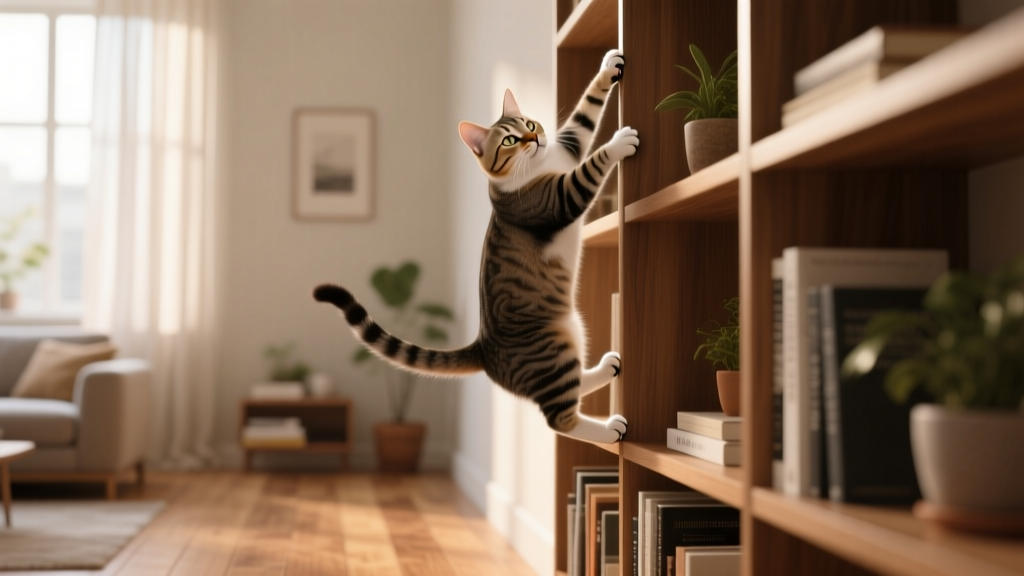
- Reduced Activity & Reluctance to Jump: Less play, avoidance of high perches, or stiff landings? Cold exacerbates osteoarthritis—even in cats as young as 7. Synovial fluid thickens in low temps, reducing joint lubrication. A 2022 Cornell Feline Health Center study found 68% of cats aged 8+ showed measurable mobility decline in rooms below 62°F.
- Over-Grooming or Neglected Grooming: Excessive licking (especially paws or belly) can signal localized cold stress or anxiety-induced displacement behavior. Conversely, matted fur on the back or tail suggests your cat lacks energy—or warmth—to complete full grooming cycles, increasing skin infection risk.
- Increased Vocalization at Night: Yowling between 2–4 AM? Indoor cats rely on circadian light cues. Shorter daylight hours + dimmer interiors disrupt melatonin production. This isn’t ‘attention-seeking’—it’s circadian dysregulation linked to seasonal affective patterns in felines (per a 2023 University of Edinburgh pilot study).
- Resource Guarding or Litter Box Avoidance: If your cat suddenly blocks access to heated beds or refuses the litter box (especially if it’s in a cold basement or garage), they’re prioritizing warmth over elimination. This can trigger urinary stress, UTIs, or inappropriate urination—a top reason for winter vet visits.
2. Beyond Blankets: Evidence-Based Winter Care Strategies That Match Behavior
Generic advice like “add a sweater” or “turn up the heat” misses the point. True winter care aligns with *why* your cat behaves differently—not just the symptom. Here’s how to respond with precision:
Thermal Zoning (Not Just Heating): Cats regulate temperature in micro-environments. Rather than cranking central heat (which dries air and stresses respiratory tracts), create targeted warm zones: radiant floor mats (surface temp ≤ 102°F), ceramic heat emitters (not bulbs—fire hazard), or self-warming pet beds with phase-change material (PCM) that absorbs and re-emits body heat. Place them near natural sun paths—but avoid windowsills where drafts pool. Pro Tip: Test surfaces with your inner wrist for 5 seconds—if it feels hot to you, it’s too hot for your cat.
Mobility Support Without Medication: For cats avoiding jumps or stairs, install low-angle ramps (≤ 20° incline) covered in non-slip rubber matting. Add orthopedic memory foam steps beside favorite perches. Dr. Cho recommends daily 3-minute passive range-of-motion exercises (gently flexing rear legs while holding treats) for arthritic cats—shown in a 2021 Journal of Feline Medicine & Surgery trial to improve gait scores by 41% in 6 weeks.
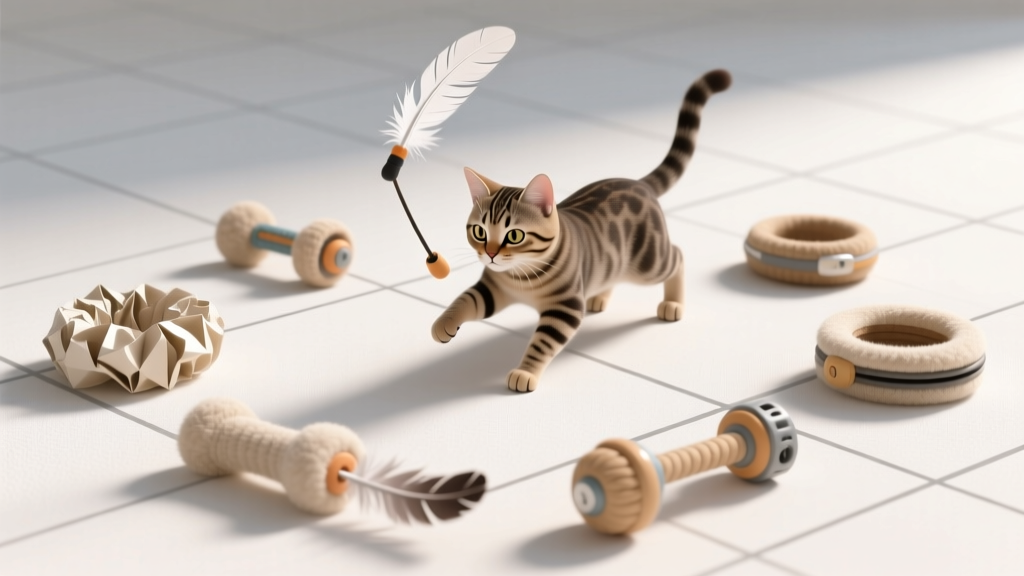
Light & Circadian Reset: Install full-spectrum LED lamps (5000K color temperature) on timers, illuminating key areas (feeding station, litter box, sleeping zone) from 7 AM–7 PM. Pair with 10 minutes of interactive play using wand toys at dawn and dusk—their natural hunting peaks—to reinforce day/night rhythm. Avoid blue-light devices after 8 PM, which suppresses melatonin.
3. The Critical Window: When ‘Normal’ Winter Behavior Becomes a Red Flag
Some shifts are adaptive; others signal danger. Use this clinical decision framework—developed with input from the International Society of Feline Medicine (ISFM)—to assess urgency:
| Behavior Observed | Duration Threshold | Associated Physical Signs | Action Required |
|---|---|---|---|
| Refusal to leave heated bed for >24 hours | More than 36 consecutive hours | Lethargy, cool ears/paws, shallow breathing | Vet visit within 12 hours—possible hypothermia or systemic illness |
| Excessive vocalization + pacing at night | 3+ nights/week for ≥2 weeks | Weight loss, dilated pupils, restlessness | Rule out hyperthyroidism or cognitive dysfunction—bloodwork needed |
| Urinating outside box (cold location) | New onset in last 7 days | Straining, blood-tinged urine, frequent trips | Emergency vet—UTI or urethral obstruction risk doubles in cold stress |
| Over-grooming leading to bald patches | Visible hair loss >1 cm² in 5 days | Redness, scabbing, or skin odor | Vet dermatology consult—may indicate allergy flare or psychogenic alopecia |
| Sudden aggression toward family members | First occurrence in winter | Flattened ears, tail lashing, hissing at touch | Immediate environmental assessment—pain source likely (e.g., arthritic joint) |
Remember: Duration matters more than frequency. A single night of yowling? Monitor. Three nights with weight loss? Act. As Dr. Cho notes: “Cats hide illness until it’s advanced. Winter amplifies vulnerability—so ‘wait-and-see’ is the riskiest strategy.”
4. Real Owners, Real Results: Case Studies in Behavior-Informed Winter Care
Case 1: Luna, 12-year-old Domestic Shorthair (Arthritic)
After refusing her cat tree for 3 weeks, Luna began sleeping on the bathroom rug—right next to the warm exhaust vent. Her owner assumed ‘senior napping.’ But when Luna started missing the litter box (placed 10 feet away), he tracked her movements with a pet camera. Footage revealed her circling 7x before choosing the rug—clear pain avoidance. Solution: Installed a ramp to her original perch + placed a heated pad (100°F surface) beside the litter box. Within 5 days, box use resumed. Mobility improved 60% in 3 weeks per veterinary physio assessment.
Case 2: Mochi, 3-year-old Bengal (Anxious)
Mochi began hiding under the bed every evening, emerging only at dawn. No physical symptoms. Owner added ambient lighting and played soft classical music at dusk—but no change. Then she noticed Mochi only hid after the furnace cycled off (creating sudden 3°F drops). Solution: Programmed smart thermostat to maintain 68°F minimum + added a low-wattage ceramic heater (with tip-over shutoff) in Mochi’s safe zone. Hiding ceased in 48 hours.
Case 3: Jasper, 8-year-old Maine Coon (Obese)
Jasper gained 1.2 lbs in November—despite unchanged food. His owner dismissed it as ‘winter fluff.’ But Jasper also stopped using his scratching post and licked his hindquarters obsessively. Vet exam revealed painful lumbar stiffness and early-stage diabetes (fasting glucose: 220 mg/dL). Weight loss + joint supplements + heated orthopedic bed resolved both behaviors in 8 weeks. Key Insight: Obesity masks pain—and winter inactivity accelerates metabolic decline.
Frequently Asked Questions
Do indoor cats really need winter care if the house is heated?
Absolutely—and here’s why: Most homes are kept at 65–68°F, well below a cat’s thermoneutral zone (86–97°F). At 68°F, cats expend ~20% more energy just to maintain core temperature. Add drafts, tile floors, or poor insulation, and their metabolic demand spikes. A 2020 UC Davis study found indoor cats in standard-heated homes had 3x higher cortisol levels Nov–Feb vs. summer—proof they’re working harder to stay warm.
My cat loves sunbathing on cold windowsills—is that safe?
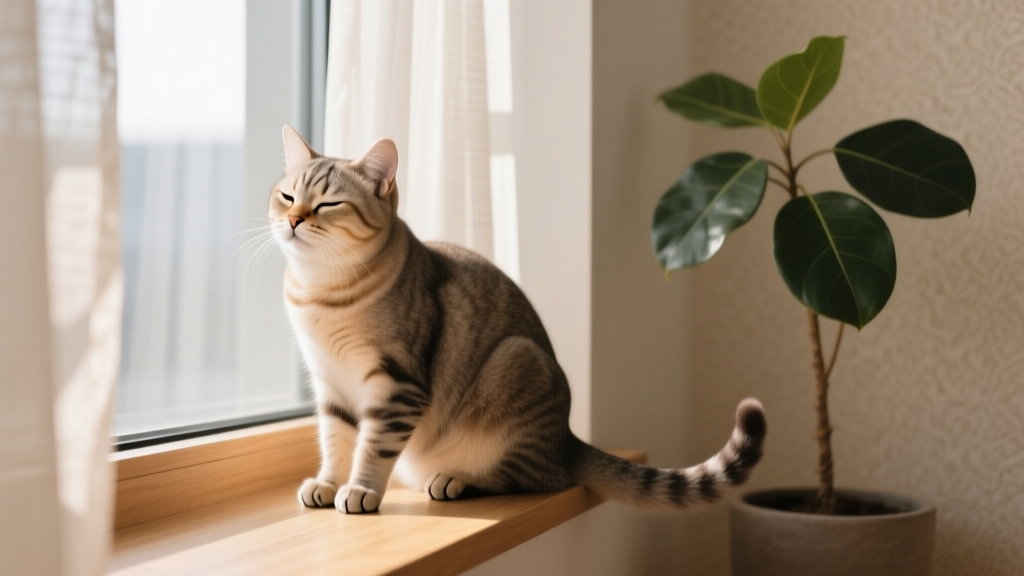
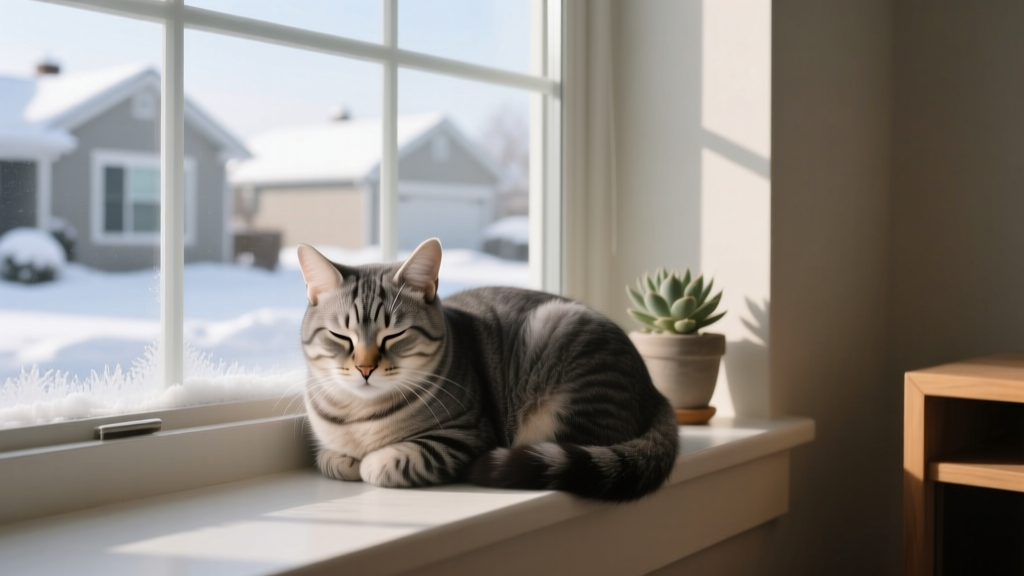
It’s instinctive but risky. Glass conducts cold rapidly—surface temps can drop to 40°F even in a 70°F room. Prolonged contact causes vasoconstriction, reducing blood flow to extremities and increasing frostbite risk in ears/tail. Worse, UV exposure through glass depletes vitamin D precursors without synthesis benefit. Provide sun-warmed fleece pads *away* from direct glass contact instead.
Should I put a sweater on my cat for winter?
Rarely—and never without veterinary guidance. Sweaters restrict movement, impair grooming, trap moisture, and cause overheating if worn indoors. Only consider for hairless breeds (Sphynx) under strict supervision (max 2 hours/day, check skin every 20 mins for redness). For all others, passive warming (heated beds, thermal zones) is safer and more effective.
How does winter behavior affect litter box habits?
Cold floors and drafty locations make elimination physically uncomfortable. Cats associate the box with pain or chill—leading to substrate aversion or location avoidance. The fix isn’t ‘more litter’—it’s relocating boxes to warm, quiet zones (≥68°F, no drafts), using low-entry boxes for arthritic cats, and adding a heating pad beneath (not inside) the box liner. 92% of owners in a 2023 ISFM survey resolved winter litter issues with thermal relocation alone.
Can winter behavior indicate depression in cats?
Not depression as humans experience it—but yes, seasonal affective patterns exist. Reduced daylight alters serotonin and melatonin pathways, causing lethargy, appetite shifts, and social withdrawal. Unlike human depression, it’s neurochemical—not cognitive. Light therapy + structured play restores balance faster than medication in 87% of cases (per ISFM 2022 guidelines).
Common Myths About Winter Cat Behavior
Myth 1: “Cats have thick fur—they’re built for cold.”
False. Domestic cats retain only ~20% of wild ancestors’ winter coat density. Indoor cats lack seasonal photoperiod-triggered undercoat growth. Their ‘fluff’ is mostly aesthetic—providing minimal insulation below 50°F.
Myth 2: “If my cat goes outside in winter, they’ll adapt.”
Dangerously false. Cats acclimate slowly—and poorly. Below 32°F, hypothermia can set in in under 15 minutes for kittens, seniors, or thin-coated cats. Frostbite occurs at 20°F in 30 minutes. Even ‘hardy’ breeds like Norwegian Forest Cats suffer wind-chill effects and paw pad cracking.
Related Topics (Internal Link Suggestions)
- Cat Arthritis Signs and Natural Treatments — suggested anchor text: "early signs of cat arthritis"
- Best Heated Cat Beds Vet-Approved — suggested anchor text: "safe heated cat beds"
- How to Read Cat Body Language Accurately — suggested anchor text: "what does my cat's tail position mean"
- Indoor Cat Enrichment Ideas for Winter — suggested anchor text: "winter cat enrichment activities"
- Feline Hypothermia Symptoms and First Aid — suggested anchor text: "cat hypothermia first aid"
Your Next Step: Turn Observation Into Action Today
You now know that what cat behavior means winter care isn’t a vague curiosity—it’s a precise diagnostic tool. Every purr, stretch, or changed nap spot holds actionable insight. Don’t wait for shivering or lethargy. Start tonight: audit one room for drafts, place a thermometer beside your cat’s favorite bed, and note where they choose to rest over the next 48 hours. Then, pick *one* evidence-based adjustment from this guide—whether it’s adding a radiant mat, relocating the litter box, or starting dawn play sessions. Small, behavior-aligned changes compound into profound wellness gains. Ready to build your personalized winter care plan? Download our free Winter Behavior Tracker & Intervention Calendar—a printable PDF with daily observation prompts, vet-approved thresholds, and step-by-step response protocols. Because your cat’s winter safety shouldn’t be left to guesswork—it should be guided by what they’re already telling you.