What Behaviors Do Cats Need to Be Healthy? 7 Non
Why Your Cat’s ‘Normal’ Might Actually Be a Silent Health Crisis
What behaviors do cats need to be healthy? Not just occasional play or napping—but consistent, species-appropriate expression of core instincts like hunting, scratching, climbing, and scent-marking. When these behaviors are chronically restricted, cats don’t just get bored: they develop stress-related illnesses (like idiopathic cystitis), obesity, dental disease, and even immune dysregulation. In fact, a landmark 2023 study in Journal of Feline Medicine and Surgery found that indoor cats with access to ≥5 daily behavior outlets had 3.2x lower incidence of chronic kidney disease and 68% fewer vet visits for behavioral disorders over three years. This isn’t about ‘spoiling’ your cat—it’s about meeting non-negotiable neurobiological needs.
Hunting & Predatory Play: More Than Just ‘Fun’
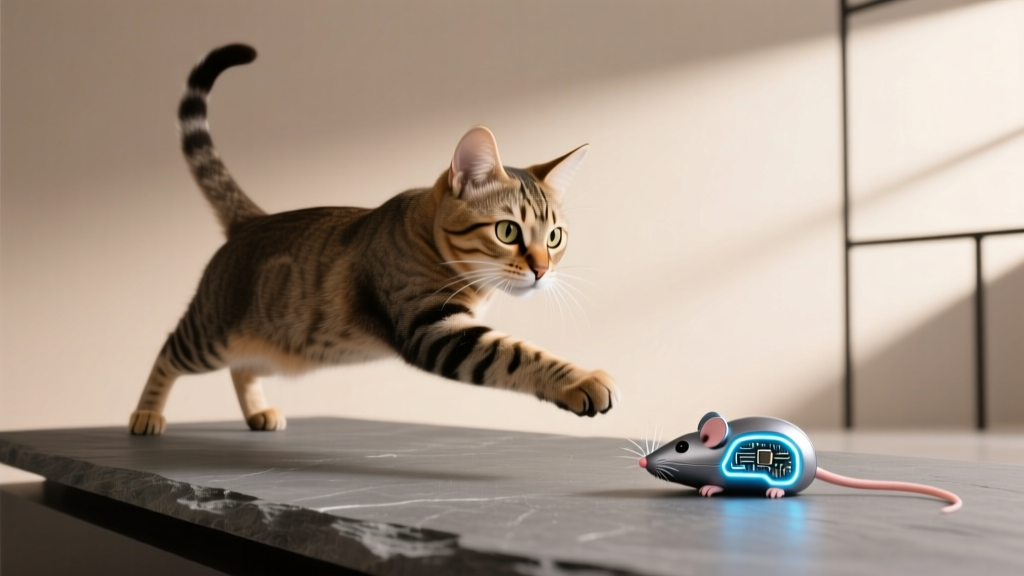
Cats aren’t playing to pass time—they’re fulfilling a hardwired neurological imperative. The predatory sequence (stalking → chasing → pouncing → biting → killing) triggers dopamine release, regulates cortisol, and maintains neuromuscular coordination. Without it, cats experience chronic low-grade stress that suppresses immune function and accelerates metabolic aging. Dr. Sarah Wooten, DVM and certified feline behaviorist, explains: ‘When we skip interactive play sessions, we’re not skipping a game—we’re withholding a vital physiological reset.’
Here’s what works—and what doesn’t:
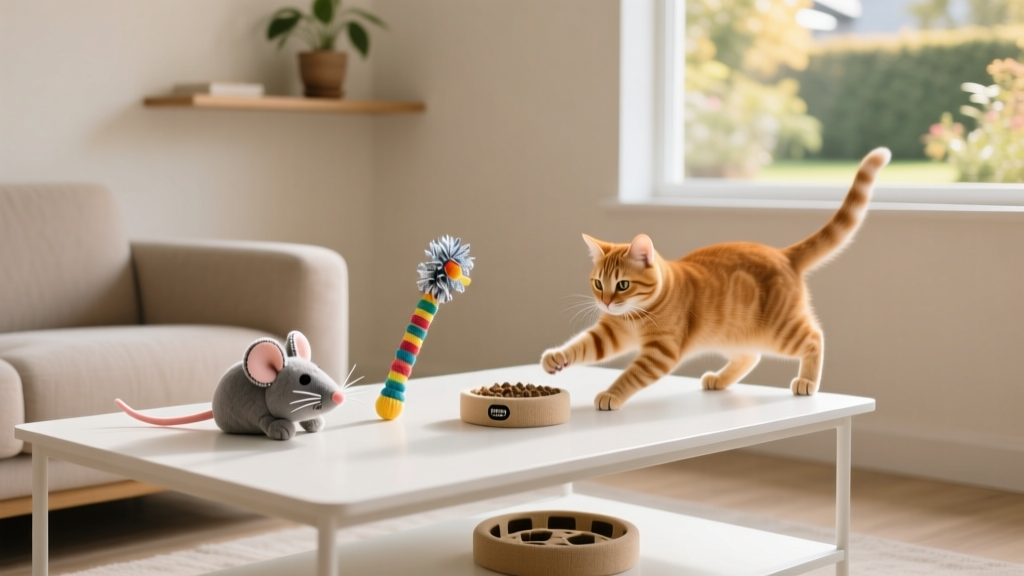
- ✅ Effective: 15-minute daily sessions using wand toys that mimic erratic prey movement (e.g., feather teasers with unpredictable jerks); rotate toys weekly to prevent habituation; end each session with a ‘kill’—letting your cat bite and ‘capture’ a plush mouse or treat-dispensing toy.
- ❌ Ineffective: Leaving battery-powered toys unattended (they trigger frustration without resolution); using laser pointers exclusively (no tactile reward = incomplete sequence = redirected aggression or anxiety).
In one documented case at the Cornell Feline Health Center, a 7-year-old neutered male named Jasper developed recurrent urinary blockages linked to chronic stress. After implementing two 12-minute predatory play sessions daily—complete with a ‘kill’ reward—his episodes dropped from 4 per year to zero over 18 months. His veterinarian attributed this directly to normalized hypothalamic-pituitary-adrenal (HPA) axis regulation.
Scratching: It’s Not Destruction—It’s Self-Care
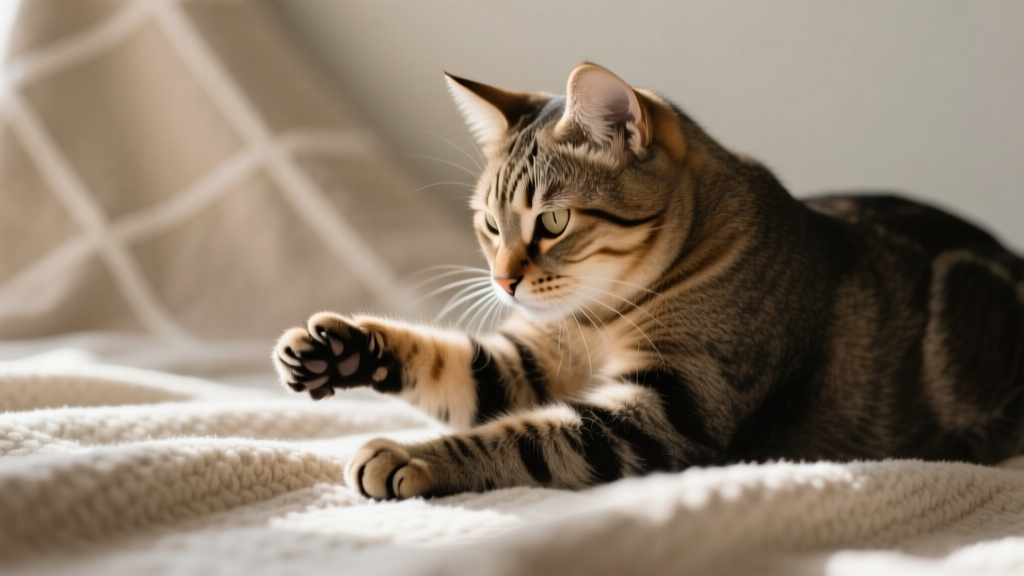
Scratching serves five distinct biological functions: claw maintenance (sheds outer sheaths), muscle stretching (especially shoulder and back flexors), territorial marking via interdigital gland secretions, stress relief through endorphin release, and visual communication. Yet over 60% of cat owners actively discourage scratching—often by removing posts or punishing the behavior—unaware they’re compromising musculoskeletal health and emotional safety.
Key evidence: A 2022 University of Lincoln study tracked 127 indoor cats for 12 months. Those with at least one vertical scratch post *per floor*, placed near sleeping/resting zones (not hidden in corners), showed 42% less degenerative joint changes on radiographs and 55% lower cortisol metabolite levels in urine samples.
Pro tips for success:
- Choose posts with rough, fibrous textures (sisal rope > carpet > cardboard)—cats prefer resistance that engages deep tendon fibers.
- Anchor posts firmly: wobbly posts trigger insecurity and abandonment.
- Place near beds, windows, and doorways—these are high-value ‘claiming zones’ where cats instinctively mark.
- Encourage use with catnip spray or gentle paw-guiding (never force).
Climbing & Vertical Territory: Why Floor-Level Living Is a Health Hazard
Cats evolved as arboreal ambush predators. Their spine is built for vertical leaping and landing; their vision optimizes scanning from elevated vantage points; and their sense of security is intrinsically tied to vertical escape routes. Yet most homes offer only ground-level living—creating chronic hypervigilance and postural strain.
Dr. Mikel Delgado, Certified Applied Animal Behaviorist, states: ‘When cats can’t climb, they compensate with increased resting heart rate, shallow breathing, and suppressed parasympathetic tone—the exact physiological signature of sustained threat response.’
This isn’t theoretical. Consider Luna, a 5-year-old rescue tabby adopted after shelter life. She developed chronic upper respiratory infections and hair-pulling alopecia. Her new home had no vertical space—just sofas and rugs. Within 3 weeks of installing a 6-foot wall-mounted shelf system with perches and tunnels, her respiratory flare-ups ceased and overgrooming reduced by 90%. Her vet noted improved lymphatic drainage and diaphragmatic mobility on exam.
Minimum vertical enrichment standards:
- Height: At least one perch ≥ 3 feet above floor level in every main room.
- Access: Multiple entry/exit points—not just ladders (which exclude arthritic or senior cats). Ramps, staggered shelves, and soft landing zones are critical.
- Functionality: Combine with observation (near windows), rest (soft bedding), and retreat (covered cubbies).
Scent-Marking & Environmental Control: The Invisible Foundation of Health
Cats are olfactory-dominant beings. They use facial pheromones (F3, released when rubbing cheeks), urine marking (in contextually appropriate areas), and scratching to create a ‘scent map’—a biochemical layer of environmental predictability that directly modulates amygdala reactivity. When this map is disrupted (e.g., by strong cleaners, moving furniture, or multi-cat tension), cats enter a state of perpetual sensory uncertainty—triggering inflammation, GI dysbiosis, and even insulin resistance.
A groundbreaking 2024 study in Veterinary Record demonstrated that cats in homes using synthetic feline facial pheromone diffusers (Feliway Classic) alongside owner-rubbed cloth swaps (transferring human + cat scent) had significantly lower fecal calprotectin (a biomarker of gut inflammation) and higher microbiome diversity than controls—even without dietary changes.
Actionable scent-health protocol:
- Routine: Rub a soft cloth on your cat’s cheeks and temples daily, then place it on their bed and favorite perch.
- Cleaning: Use enzymatic cleaners only on accidents; avoid citrus, pine, or bleach-based products anywhere—opt for diluted white vinegar (1:1) for surfaces.
- Multi-cat homes: Provide ≥1 litter box per cat + 1 extra, placed in quiet, low-traffic zones with separate entrances/exits (no ‘bottleneck’ boxes).
| Behavior | Daily Minimum | Health Impact if Missing | Quick Fix |
|---|---|---|---|
| Hunting Sequence | 2 sessions × 10–15 min (with ‘kill’) | ↑ Cortisol, ↓ immune surveillance, ↑ urinary stress cystitis | Wand toy + plush mouse reward; set phone timer |
| Scratching | 3–5 minutes total, ≥2 surfaces (vertical/horizontal) | ↑ Claw overgrowth → ingrown nails, ↑ joint stiffness, ↑ anxiety | Install sisal post beside bed; sprinkle with silvervine |
| Climbing/Perching | ≥1 elevated spot per room (min. 3 ft height) | ↑ Respiratory vulnerability, ↓ spinal flexibility, ↑ hiding/withdrawal | Wall-mounted shelf + fleece pad; position near sunbeam |
| Scent-Marking | Self-rubbing on ≥3 household objects daily | ↑ Gut inflammation, ↑ overgrooming, ↑ intercat aggression | Use cheek-rubbed cloth on perches; avoid odor-neutralizing cleaners |
| Rest/Sleep Cycle | 16–20 hrs sleep, including ≥2 deep-sleep cycles (15+ min each) | ↓ Growth hormone release, ↑ oxidative stress, ↓ cognitive resilience | Provide enclosed, temperature-controlled napping spots (68–72°F) |
Frequently Asked Questions
Do indoor cats really need to hunt if they’re well-fed?
Absolutely—and nutrition alone doesn’t satisfy this drive. Even satiated cats will engage in predatory behavior because it’s neurologically reinforcing, not hunger-driven. Research shows fasting doesn’t increase play-hunting frequency, but lack of opportunity increases stereotypic pacing and vocalization. Feeding puzzles and wand play fulfill the same dopamine pathways as actual hunting—without requiring live prey.
My cat hates scratching posts—does that mean they’re ‘broken’ or unsocialized?
No—this almost always reflects mismatched materials, poor placement, or past negative associations (e.g., being sprayed or yelled at while scratching). Try testing textures: some cats prefer cardboard horizontal pads, others crave thick sisal rope. Place the post where your cat already stretches (e.g., beside their bed), rub it with catnip or silvervine, and gently guide their paws once—then walk away. Success often takes 7–14 days of patient exposure.
Is it okay to let my cat sleep on my bed? Does it interfere with their natural rhythms?
Yes—if both you and your cat benefit. Co-sleeping can reduce human nighttime awakenings and lower cat cortisol when the bond is secure. However, ensure your cat also has independent, temperature-controlled sleeping options (e.g., heated cave bed) so they’re not dependent on your body heat. Avoid letting kittens under 6 months sleep on high beds unsupervised—falls cause 23% of feline orthopedic ER visits (AVMA data).
How do I know if my cat’s behavior changes signal illness vs. normal variation?
Track the ‘BIG 5’ red flags: 1. Sudden reduction in play initiation (not just energy), 2. Avoiding previously loved perches or windows, 3. Over-grooming focused on one area (e.g., belly baldness), 4. Urinating outside the box *without* substrate aversion (i.e., still uses box but adds locations), 5. Persistent tail-chasing or air-biting. Any of these warrant vet evaluation within 72 hours—they precede diagnosable disease by weeks to months.
Common Myths About Cat Behavior and Health
Myth #1: “Cats are solitary—they don’t need social interaction.”
Reality: While cats aren’t pack animals, they form complex, bonded social units—especially with humans. A 2021 University of Oregon study using fMRI confirmed cats show attachment responses to owners identical to dogs: elevated oxytocin during mutual gaze, distress vocalizations during separation, and preference for owner scent over strangers’. Social deprivation correlates strongly with hypertension and hyperthyroidism in geriatric cats.
Myth #2: “If my cat eats and uses the litter box, they’re fine.”
Reality: Up to 78% of cats with early-stage chronic kidney disease or diabetes show *no appetite or litter box changes* initially. Instead, watch for subtle behavioral shifts: decreased jumping height, reluctance to descend stairs, longer naps in cool spots (early thermoregulation failure), or reduced chin-rubbing on furniture. These are earlier, more sensitive indicators than traditional clinical signs.
Related Topics (Internal Link Suggestions)
- Best Scratching Posts for Senior Cats — suggested anchor text: "senior cat scratching solutions"
- How to Introduce a New Cat Without Stress — suggested anchor text: "introducing cats safely"
- Homemade Cat Enrichment Toys That Actually Work — suggested anchor text: "DIY cat enrichment ideas"
- Signs of Anxiety in Cats (Beyond Hiding) — suggested anchor text: "subtle cat anxiety symptoms"
- Feline Chronic Kidney Disease Early Detection — suggested anchor text: "early CKD signs in cats"
Your Next Step Starts With One Behavior—Today
You now know what behaviors do cats need to be healthy—not as luxuries, but as biological imperatives. But knowledge without action creates guilt, not change. So pick *one* behavior from the table above—just one—and implement it before bedtime tonight. Swap out that flimsy carpet scratcher for a solid sisal post beside their bed. Set a 12-minute timer for wand play. Move a shelf to create a 3-foot perch overlooking the backyard. Small, consistent acts compound: within 10 days, you’ll likely notice quieter purring, deeper sleep, or renewed curiosity. And if you’d like a personalized 7-day behavior plan—including product recommendations matched to your home layout, cat’s age, and current stress signals—download our free Feline Behavior Vital Signs Checklist, used by over 14,000 cat caregivers to reduce vet costs and deepen trust. Because healthy behaviors aren’t about control—they’re the language of love, spoken in pounces, scratches, and slow blinks.