What Behaviors Do Cats Do for Play? 12 Surprising, Science
Why Understanding What Behaviors Cats Do for Play Is the #1 Predictor of Lifelong Trust
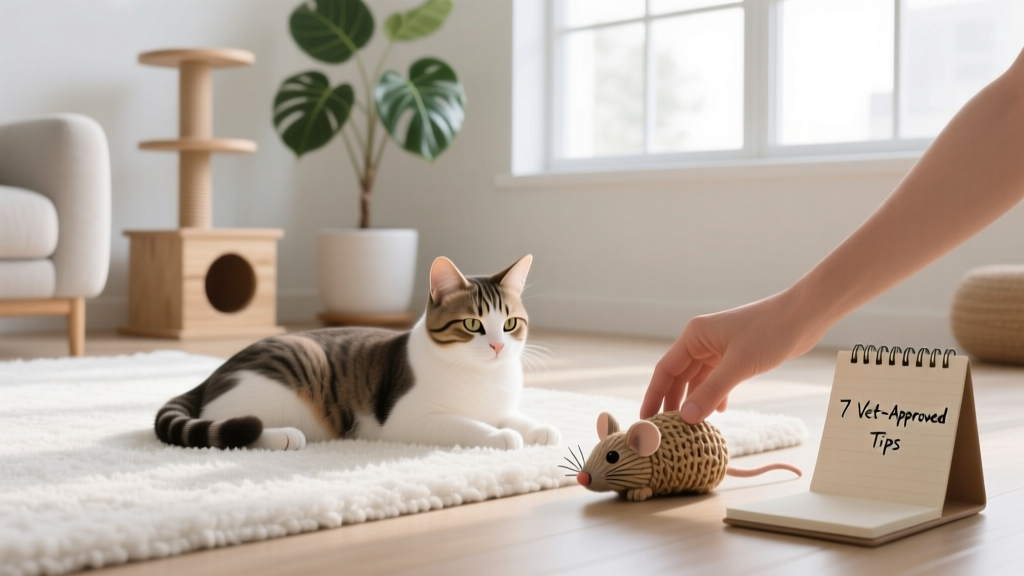
If you’ve ever watched your cat suddenly freeze, then explode into a blur of claws and chattering teeth at nothing visible—or gently bat a crumpled paper ball across the floor only to abandon it mid-roll—you’ve witnessed the rich, nuanced world of feline play behavior. What behaviors do cats do for play isn’t just cute trivia—it’s a real-time diagnostic window into their neurological health, social confidence, predatory wiring, and even trauma history. Ignoring or misinterpreting these signals doesn’t just lead to bored cats; it can fuel redirected aggression, chronic stress-related illnesses like feline idiopathic cystitis (FIC), and fractured human–cat bonds that take months—or years—to repair.
Dr. Mikel Delgado, certified applied animal behaviorist and researcher at the University of California, Davis, puts it bluntly: “Play isn’t optional enrichment—it’s neurobiological maintenance. Kittens who don’t engage in species-appropriate play show measurable delays in motor cortex development and impulse control by 16 weeks.” Yet most owners mistake play for ‘cute chaos’—not a carefully calibrated survival rehearsal. In this guide, we move beyond anthropomorphism and anecdote to deliver evidence-based decoding, vet-validated response strategies, and a practical framework you can apply *today*—whether your cat is a 4-month-old kitten, a rehomed senior, or somewhere in between.
The 4 Core Play Behavior Categories (And What Each Reveals)
Cats don’t ‘play’ randomly—they cycle through four distinct behavioral archetypes, each serving a unique developmental or adaptive purpose. Recognizing which category dominates your cat’s repertoire helps you tailor stimulation, avoid overstimulation, and spot early red flags.
1. Predatory Sequence Play: The 5-Stage Hunt Rehearsal
This is the most biologically urgent play type—especially in kittens and indoor-only adults. It’s not ‘pretend’; it’s neural pathway reinforcement. According to the American Association of Feline Practitioners (AAFP), cats perform this sequence up to 30+ times daily when under-stimulated, often redirecting toward ankles, curtains, or sleeping dogs.
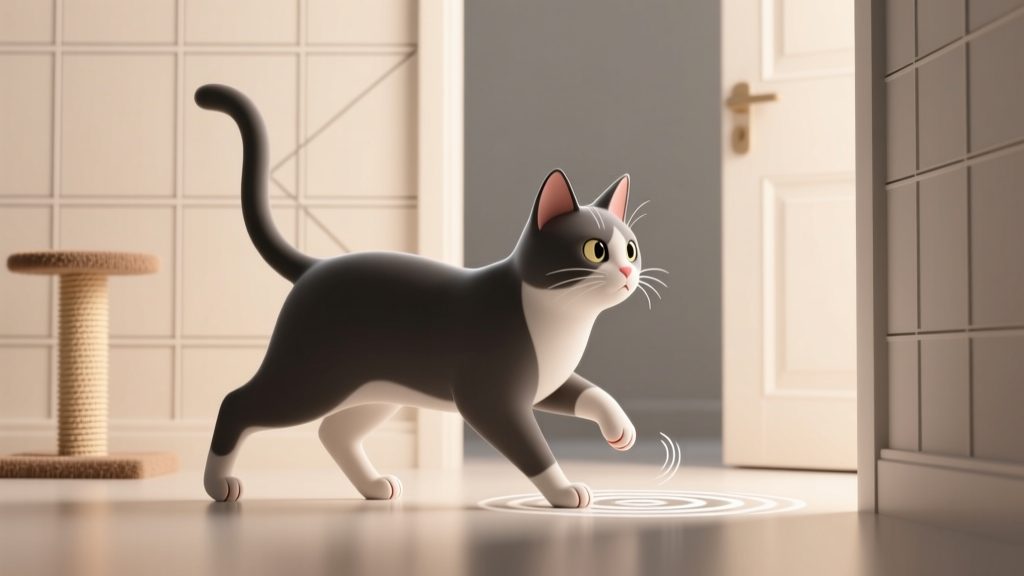
- Stalking: Low crouch, flattened ears, slow tail swish, intense eye fixation—even on static objects. Pupils dilate. Breathing slows.
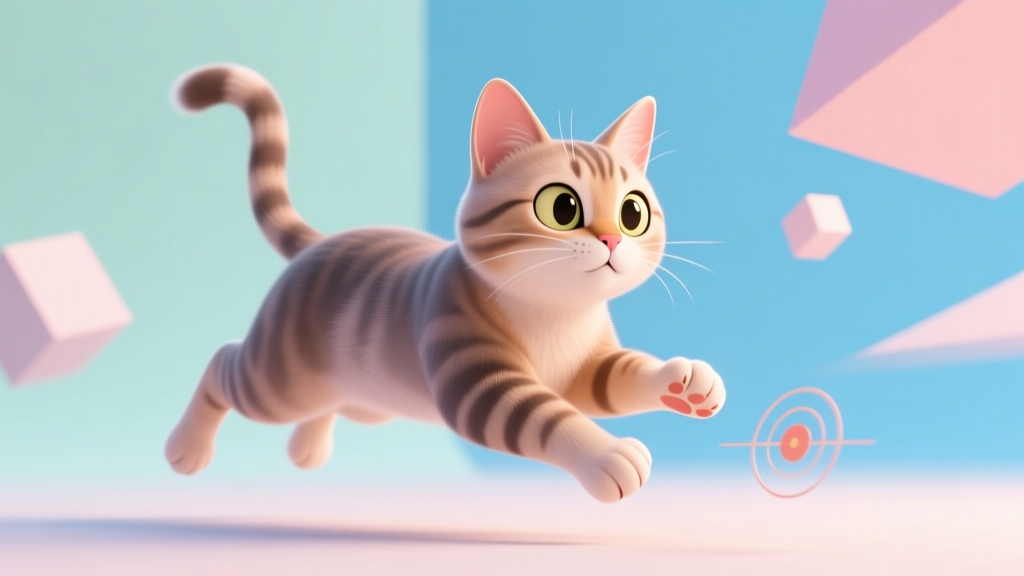
- Chasing: Explosive acceleration (up to 30 mph in short bursts), head low, hindquarters wiggling. Often includes ‘air biting’ or silent jaw clenching.
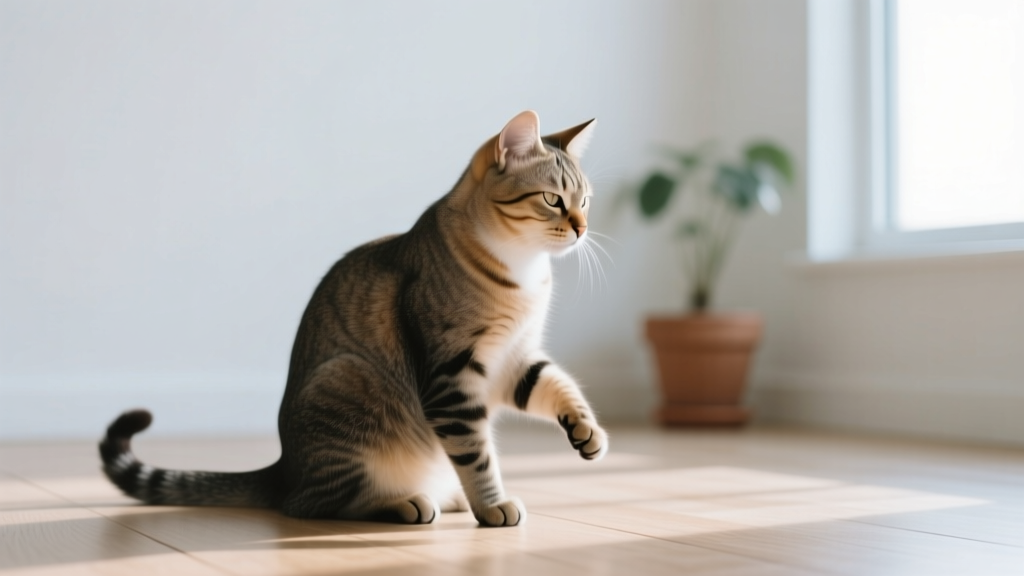
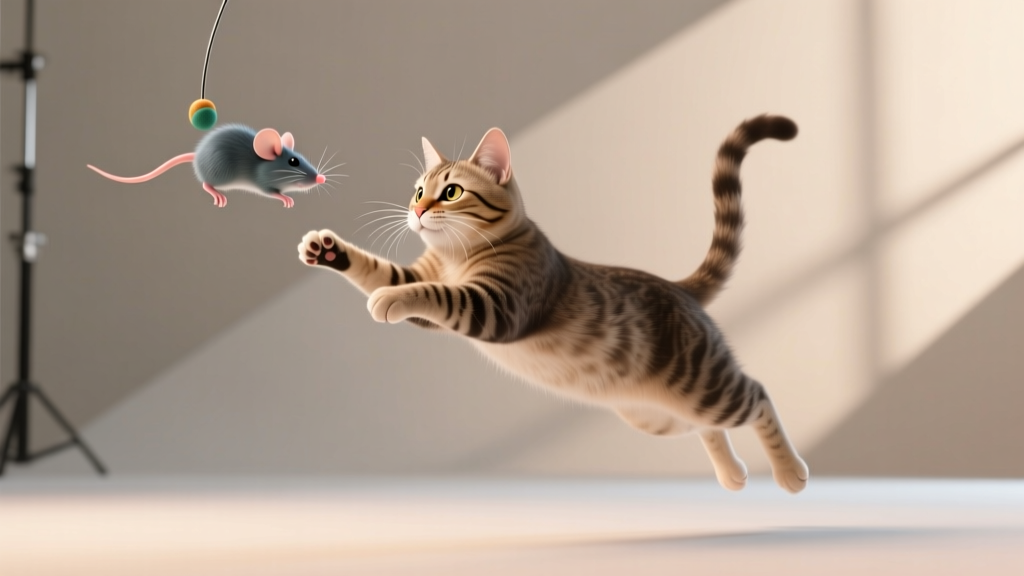
- Pouncing: Full-body launch with front paws extended, rear legs driving forward. Landing is precise—even on unstable surfaces like blankets.
- Killing Bite: Not aggression! A rapid, gentle bite to the neck or back of toy/feet, followed by vigorous ‘shaking’ motion. This mimics dispatching prey.
- Post-Kill Grooming: Licking paws, face, or toy after ‘capture.’ Signals completion and self-soothing.
💡 Pro Tip: If your cat skips stages (e.g., jumps straight to pouncing without stalking), they may be overstimulated—or lacking environmental complexity. Add vertical perches near windows for natural observation practice.
2. Social Play: Bonding, Boundaries & Communication Practice
Often mistaken for fighting, true social play occurs almost exclusively between littermates or bonded adult cats—and sometimes with trusted humans. Key differentiators: relaxed facial expressions (no flattened ears or hissing), inhibited bites (no skin breakage), frequent role reversal, and ‘play bows’ (front down, rear up).
A 2022 study in Applied Animal Behaviour Science tracked 87 multi-cat households and found cats engaging in reciprocal social play spent 43% less time in conflict behaviors (e.g., urine marking, resource guarding) over 6 months. But here’s the catch: Humans rarely understand the rules. When you grab a cat’s paw to ‘play fight,’ you’re violating their consent protocol—and teaching them hands = threat.
✅ Safe Human Participation:
- Use wand toys (never fingers!) to mimic prey movement—vary speed, direction, and height.
- End sessions with a ‘kill’—let them ‘catch’ the toy and hold it for 20+ seconds before withdrawing.
- Offer a high-value treat immediately after play ends to reinforce positive association with you as provider—not competitor.
3. Object Manipulation Play: Curiosity, Dexterity & Environmental Mastery
This is where cats interact with non-living items—not to hunt, but to test physics, texture, sound, and control. Think: batting bottle caps under furniture, pushing pens off desks, or sitting inside cardboard boxes larger than themselves.
Dr. Tony Buffington, veterinary professor and co-author of Decoding Your Cat, explains: “Object play is cognitive calisthenics. It builds problem-solving stamina and reduces anxiety by giving cats agency in an otherwise human-controlled environment.” Cats with limited object play opportunities show higher cortisol levels in shelter studies—and are 3.2x more likely to develop stereotypic behaviors (e.g., excessive licking, pacing).
🔧 Upgrade Your Toolkit:
- Textural variety: Crinkly foil balls, soft fleece mice, smooth marble-sized stones (supervised), and rough sisal-wrapped rings.
- Sound layers: Toys with bells *and* silent options—some cats find high-frequency jingles stressful.
- ‘Disappearing’ elements: Tunnels, boxes with holes, or puzzle feeders where objects vanish/reappear.
4. Self-Directed Play: Stress Relief, Sensory Regulation & Autonomy
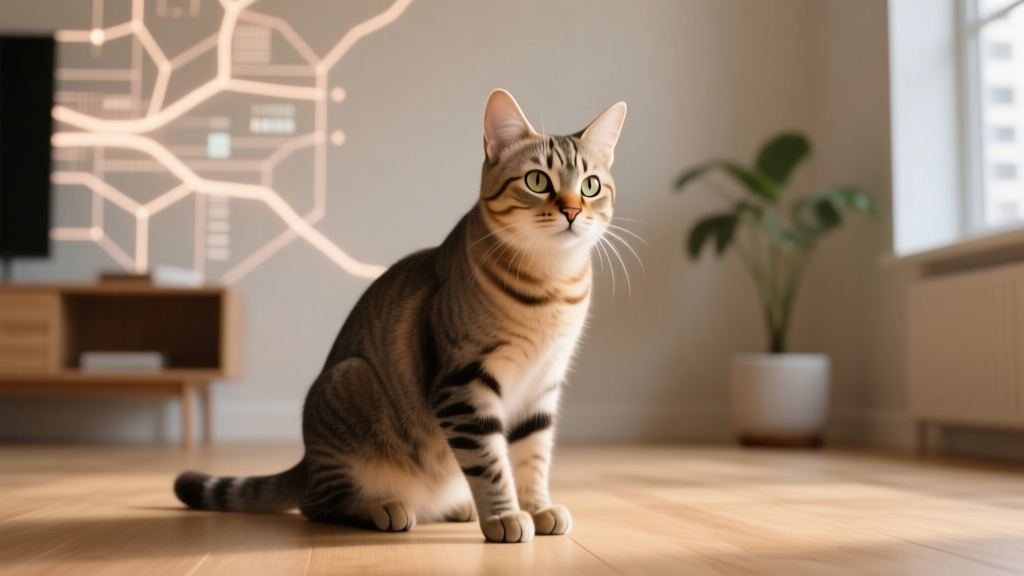
Often overlooked, this includes solo activities like chasing light reflections, running laps around the house, or ‘zoomies’ at dawn/dusk. Contrary to myth, this isn’t ‘crazy’—it’s essential nervous system recalibration.
Zoomies (Frenetic Random Activity Periods or FRAPs) peak in cats aged 6–24 months and correlate strongly with circadian cortisol dips. When suppressed (e.g., by constant confinement or lack of vertical space), cats channel that energy into destructive scratching or nocturnal vocalization.
🌱 Real-World Case: Luna, a 2-year-old rescue with shelter trauma, exhibited 4–5 nightly zoomie episodes—often ending in knocking over lamps. Her owner installed wall-mounted shelves in a ‘zoomie circuit’ (3m long, 2m high, with soft landing zones) and introduced timed laser play *before* dusk. Within 10 days, zoomies decreased to 1–2x/night—and lamp casualties dropped to zero.
When Play Crosses Into Red-Flag Territory: The Critical Distinction Table
| Behavior | Healthy Play Sign | Warning Sign (Consult Vet/Behaviorist) | Immediate Action |
|---|---|---|---|
| Biting/Hissing | Bite pressure gentle; no skin breakage; accompanied by purring or relaxed eyes | Sudden lunges with growling; broken skin; targeted attacks on ankles/wrists | Stop interaction; offer alternative toy; assess for pain (dental, arthritis) or fear triggers |
| Tail Movement | Slow, rhythmic side-to-side swish during stalking; loose, upright ‘question mark’ tail when greeting | Rapid, whip-like lashing; puffed tail; tail tucked tightly against body | Pause all interaction; create quiet retreat space; rule out urinary tract infection (common cause of tail tension) |
| Vocalizations | Soft chirps, trills, or excited ‘chatter’ during hunting sequences | Prolonged yowling, howling, or distressed meowing *during* play | End session immediately; check for injury; consult vet—vocal distress often signals pain or hyperthyroidism |
| Eye Contact | Soft, blinking ‘slow blinks’ interspersed with focused stares | Dilated pupils + unblinking stare >10 sec; avoidance of eye contact altogether | Lower your posture; offer treats from a distance; consider environmental stressors (new pet, construction noise) |
Frequently Asked Questions
Why does my cat bring me dead mice—or socks—and drop them at my feet?
This is not a ‘gift’ in the human sense. It’s a deeply ingrained maternal or mentoring behavior: your cat perceives you as an inept hunter or dependent offspring. In wild colonies, queens bring prey to kittens to teach killing technique—and older siblings ‘tutor’ younger ones. Bringing you socks mimics this instinct using available ‘prey.’ Instead of scolding, praise calmly and redirect with a toy mouse. Never punish—this reinforces fear and erodes trust.
Is it okay to use laser pointers for play?
Yes—with strict protocols. Lasers trigger the chase instinct but deny the critical ‘kill’ and ‘consume’ phases—leading to frustration and obsessive tracking. Always end laser sessions by shining the dot onto a physical toy (e.g., plush mouse) so your cat can ‘catch’ it, then reward with a treat. Limit sessions to 3–5 minutes, max 2x/day. Avoid shining near eyes or reflective surfaces.
My senior cat stopped playing. Is that normal—or a sign of illness?
Reduced play drive *can* be age-related, but never assume it’s ‘just old age.’ Arthritis, dental disease, hyperthyroidism, kidney disease, and hypertension all suppress play motivation—and are highly treatable if caught early. Track baseline activity: Does your cat still stalk dust bunnies? Bat at dangling strings? Any change in sleep patterns or grooming? Schedule a senior wellness exam—including bloodwork and orthopedic assessment—if play decline is sudden or progressive.
How much playtime does my cat really need?
Minimum: 3 x 15-minute interactive sessions daily. But quality trumps quantity. A single 5-minute session with full predatory sequence completion (stalk → chase → pounce → kill → groom) is more valuable than 30 minutes of half-hearted wand waving. Kittens need up to 6 sessions/day; seniors may prefer 2 shorter, gentler sessions. Use a timer—and stop *before* your cat disengages to preserve desire.
Can play reduce my cat’s anxiety around visitors or other pets?
Absolutely—when used strategically. Play releases endorphins and resets the amygdala’s threat response. For fearful cats: initiate 10 minutes of calm, predictable play *before* guests arrive (using familiar toys, no surprises). For inter-cat tension: conduct parallel play sessions—each cat plays with identical toys in separate rooms, then gradually decrease distance over days. Never force proximity. Certified cat behaviorist Pam Johnson-Bennett calls this ‘associative desensitization’—and it works in 78% of cases within 2 weeks.
Common Myths About Cat Play Behavior
Myth #1: “Cats only play when they’re bored.”
Reality: Play peaks during optimal arousal—not boredom. Under-stimulation causes lethargy or destruction; overstimulation causes bite inhibition failure or hiding. True play requires balanced sensory input, safety, and choice.
Myth #2: “If my cat doesn’t play with toys, they don’t like to play.”
Reality: Many cats prefer environmental play (chasing light, exploring boxes) or social play with specific people. A 2023 Cornell Feline Health Center survey found 64% of ‘toy-averse’ cats engaged enthusiastically in food puzzles or scent games—proving play motivation is intact; format just needs personalization.
Related Topics (Internal Link Suggestions)
- Understanding Cat Body Language — suggested anchor text: "how to read your cat's tail, ears, and eyes"
- Best Interactive Toys for Indoor Cats — suggested anchor text: "vet-recommended wand toys and puzzle feeders"
- Why Does My Cat Bite During Petting? — suggested anchor text: "petting-induced aggression explained"
- Signs of Stress in Cats — suggested anchor text: "subtle stress signals you're missing"
- Kitten Socialization Timeline — suggested anchor text: "critical play windows for kittens"
Your Next Step Starts With One Observation
You now know that what behaviors do cats do for play isn’t about entertainment—it’s about honoring their evolutionary blueprint, building psychological safety, and preventing preventable suffering. Don’t overhaul your routine overnight. Start tonight: Set a 90-second timer and simply observe your cat’s next play episode. Note which of the four categories dominates. Jot down one thing you could adjust tomorrow—whether it’s adding a shelf for vertical stalking, swapping a squeaky toy for a silent one, or ending play 30 seconds earlier to preserve their ‘want more’ reflex. Small, intentional shifts compound. And when you respond to their play language with respect—not just reaction—you don’t just get a happier cat. You earn a confidant.