What Behaviors Do Cats Do DIY
Why Your Cat’s "DIY" Behaviors Are Secret Conversations—Not Quirks
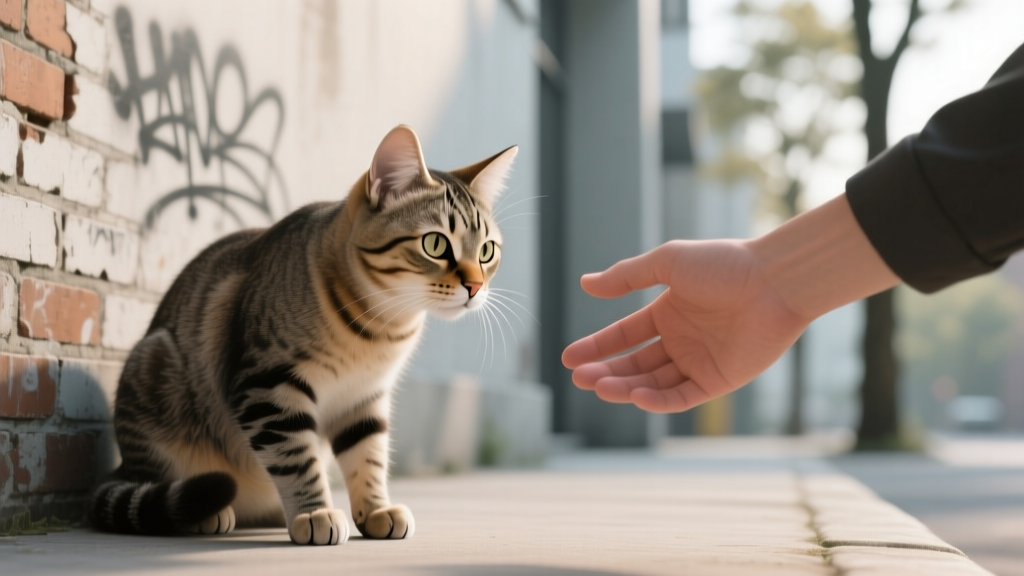
If you’ve ever watched your cat stare intently at a blank wall, suddenly sprint across the room at 3 a.m., or meticulously bury their food bowl after one bite—you’re not witnessing random chaos. You’re observing a rich, instinct-driven language. What behaviors do cats do DIY isn’t just about cute viral videos—it’s about recognizing that cats constantly self-manage their environment, emotions, and social signaling using deeply wired, evolution-honed actions. And unlike dogs, who often seek human direction, cats default to autonomous problem-solving: they ‘do it themselves’ to regulate stress, communicate boundaries, assess safety, or satisfy predatory urges. Misreading these DIY behaviors leads to frustration, mislabeled 'bad habits,' and even unnecessary vet visits. But when decoded correctly? They become your most reliable window into your cat’s well-being—no translator app required.
1. The 5 Core DIY Behaviors & What They Really Mean
Cats don’t have a manual—but thanks to decades of ethological research (including landmark studies by Dr. John Bradshaw at the University of Bristol’s Anthrozoology Institute), we now know that nearly every spontaneous, repetitive action serves one of five core functions: communication, stress regulation, sensory calibration, territorial maintenance, or predatory rehearsal. Below are the five most commonly misunderstood DIY behaviors—with real-world context and what to watch for:
- Kneading with Paws (‘Making Biscuits’): Often dismissed as ‘just cute,’ this is actually a neonatal survival behavior reactivated during calm, content states. It stimulates milk flow in kittens—and in adults, signals deep trust and emotional safety. A cat kneading on your lap isn’t being clingy; they’re resetting their nervous system.
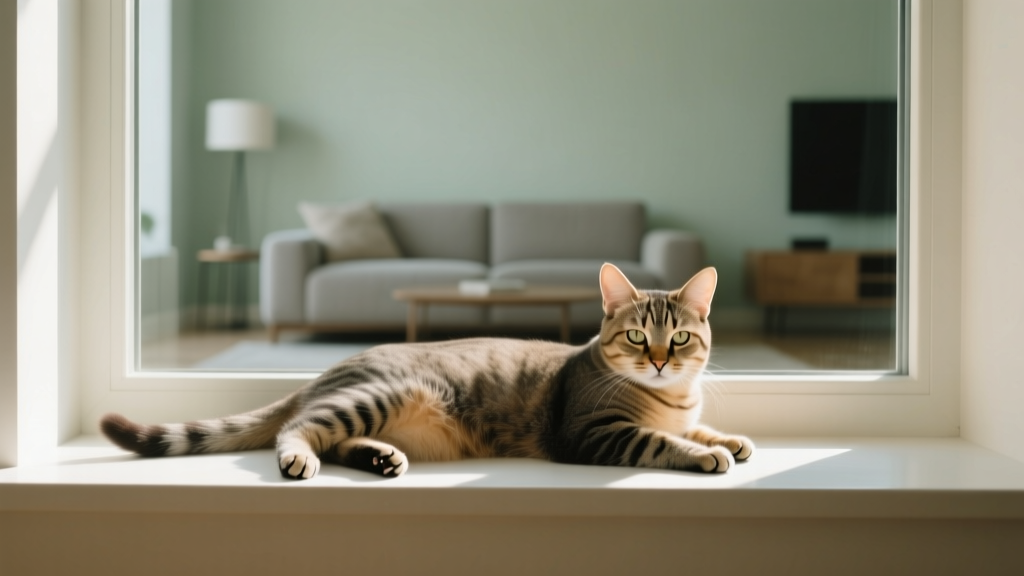
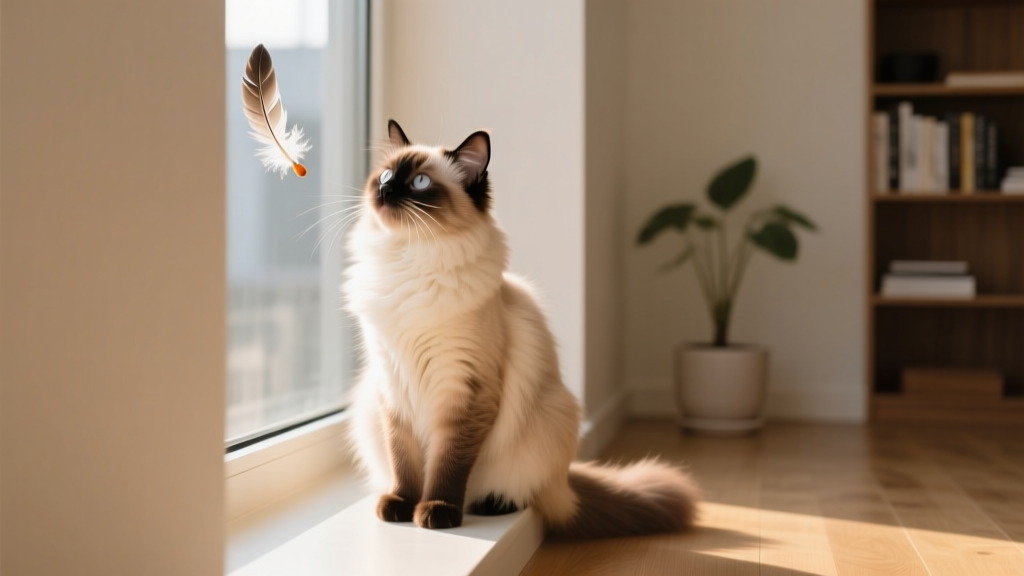
- Chattering at Windows: That rapid teeth-clicking sound isn’t frustration—it’s a motor pattern linked to the killing bite used to sever the spinal cord of prey. When blocked from acting on instinct, cats ‘rehearse’ the motion. It’s a sign of high arousal—not aggression toward you.
- Slow Blinking (The ‘Cat Kiss’): This deliberate eyelid closure is a voluntary, low-risk signal of non-threat. In feral colonies, cats only blink slowly around trusted individuals. When your cat does it at you? They’re offering vulnerability—and expecting reciprocity.
- Bringing You ‘Gifts’ (Dead or Toy): This isn’t gratitude or training—it’s an inclusive hunting ritual. Mother cats bring prey to kittens to teach; domestic cats extend this to humans they view as inept but beloved family members. Punishing this behavior damages trust; redirecting it builds cooperation.
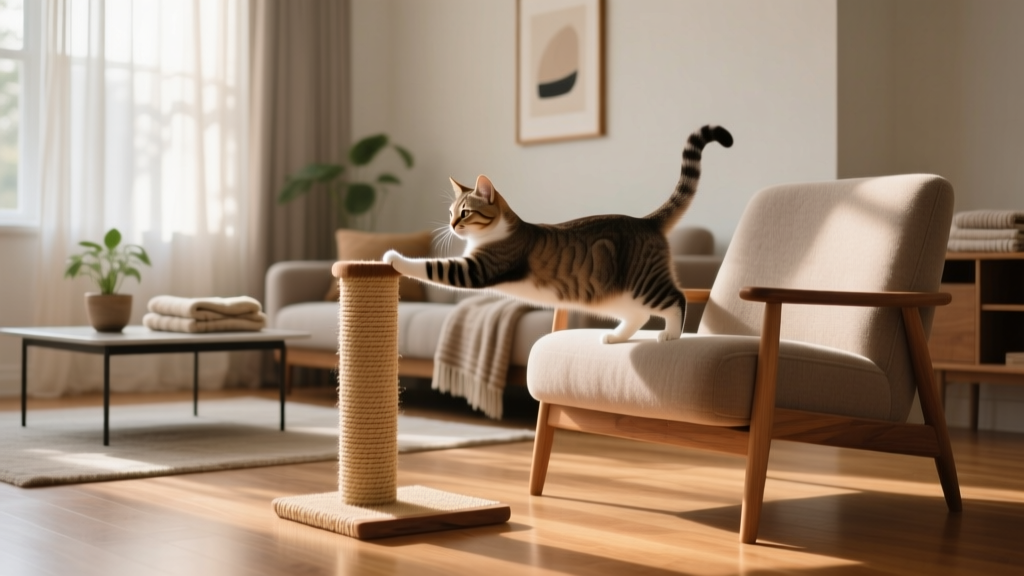
- Scratching Vertical Surfaces (Especially Door Frames): Far more than nail maintenance, scratching deposits scent from interdigital glands, stretches shoulder muscles critical for climbing, and visually marks territory. It’s multisensory self-care—not vandalism.
2. The DIY Behavior Decoder: 3 Steps to Accurate Interpretation
Interpreting cat behavior isn’t guesswork—it’s pattern recognition backed by context. Veterinarian and feline behavior specialist Dr. Mikel Delgado, certified by the American College of Veterinary Behaviorists, emphasizes: “Cats rarely do one thing for one reason. Always ask: What happened 5 minutes before? Where is the cat positioned? What changed in the environment?” Use this three-step framework to move beyond assumptions:
- Baseline Check: Track your cat’s ‘normal’ for 48–72 hours—note sleep cycles, preferred napping spots, greeting rituals, and litter box habits. Deviations (e.g., sudden over-grooming or avoidance of favorite perches) are red flags—not the behaviors themselves.
- Context Mapping: Record the 3 C’s: Condition (time of day, lighting, noise), Companions (other pets, people, visitors), and Consequence (did the behavior stop something? Start interaction? Avoid a trigger?). Example: If your cat bolts after hearing the microwave beep, it’s likely auditory sensitivity—not ‘zoomies.’
- Functional Assessment: Ask: Does this behavior serve avoidance (hiding, flattened ears), approach (tail-up greeting, head-butting), arousal modulation (paw-licking mid-play), or communication (tail-twitch while staring)? This reveals intent—not just action.
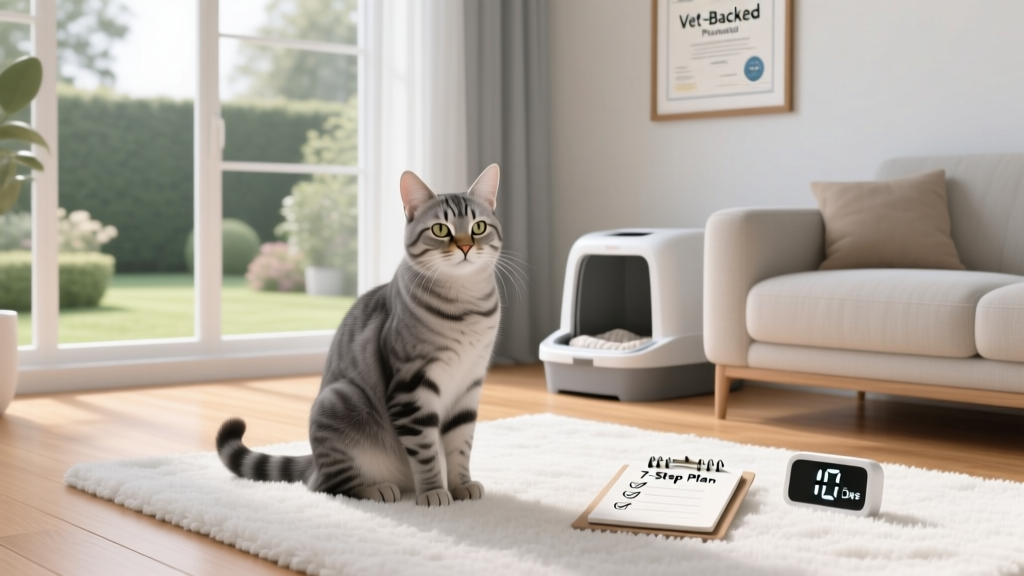
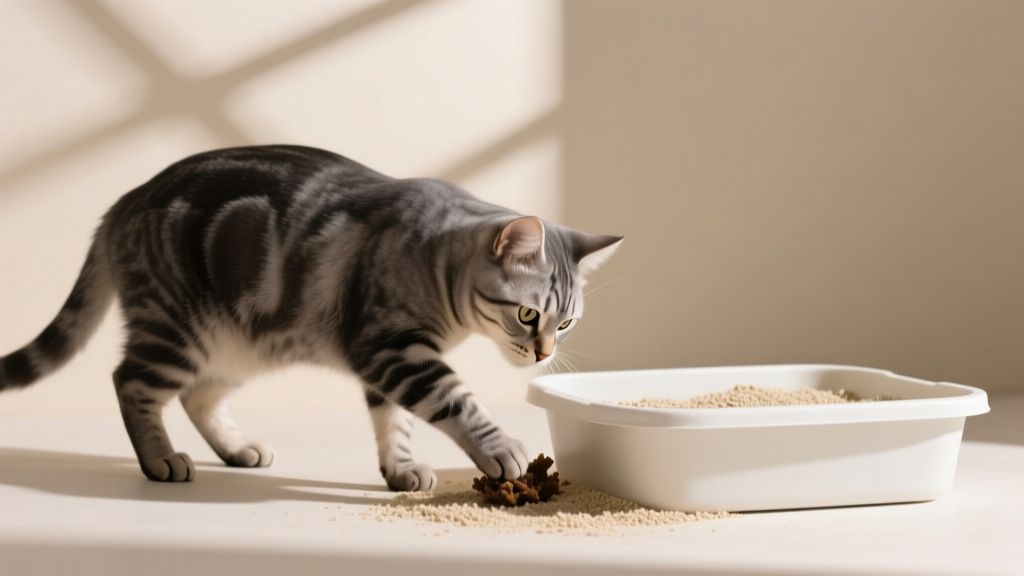
A real-world case study illustrates this: Luna, a 4-year-old rescue tabby, began urinating beside her litter box. Her owner assumed ‘spite.’ Using the decoder, they noticed she only did it after vacuuming (Condition), never when alone (Companions), and always near the closet where the vacuum was stored (Consequence). Functional assessment revealed avoidance—not marking. A new litter box placed farther from the closet, plus desensitization to vacuum sounds via recorded audio at low volume, resolved it in 10 days.
3. DIY Behavior Support: Safe, Science-Backed Tools You Can Build or Buy
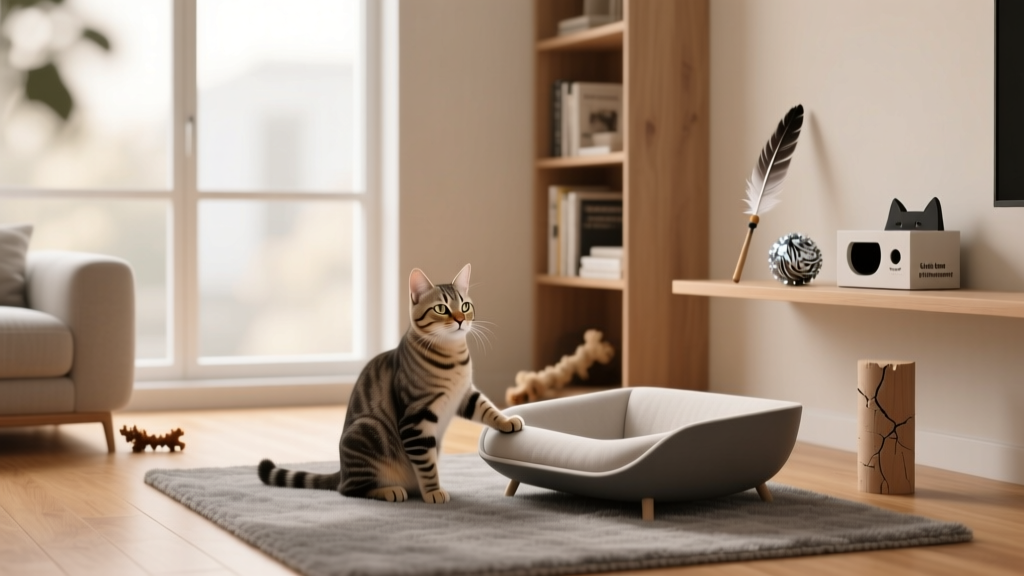
You don’t need expensive consultants to support your cat’s natural behaviors—just intentionality and the right tools. The key is matching intervention to function. Below is a practical, vet-vetted toolkit categorized by behavioral purpose:
| Behavior Function | DIY Tool / Modification | How It Works | Time to Effect |
|---|---|---|---|
| Sensory Calibration | Cardboard ‘Tunnel Nest’ (cut 2–3 cereal boxes, tape into connected L-shape, line with fleece) | Provides enclosed, dim, textured space for safe visual/auditory filtering—ideal for overstimulated cats | Immediate calming effect; consistent use reduces startle response in 1–2 weeks |
| Territorial Maintenance | Vertical Scent Station (hang clean cotton rope from ceiling beam + rub with cat’s cheek gland secretions using soft cloth) | Leverages feline facial pheromones to reinforce security in shared or multi-cat homes | Reduces inter-cat tension within 3–5 days; best paired with resource separation |
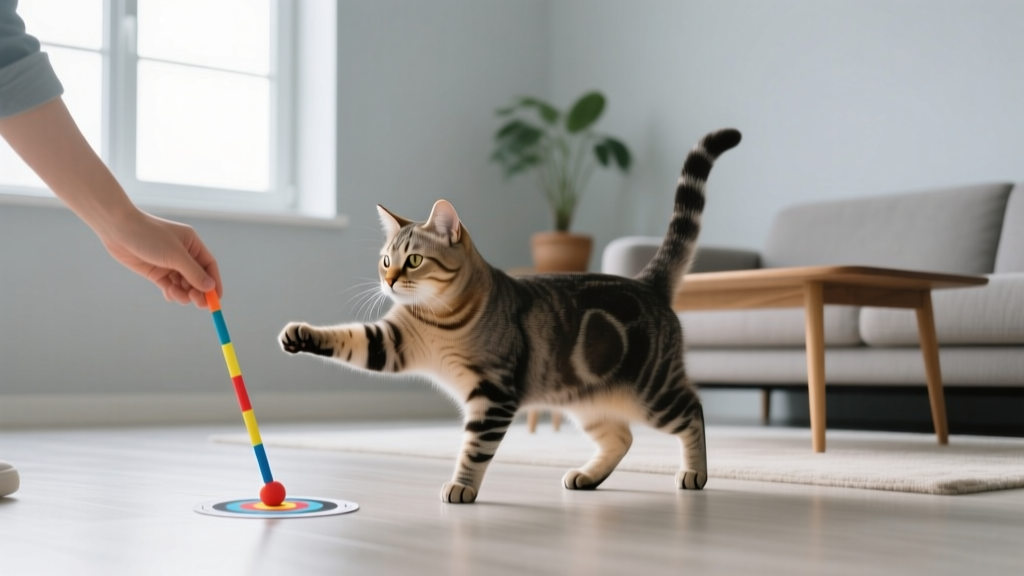
| Predatory Rehearsal | ‘Prey Simulation’ Feeder (empty soda bottle with holes, filled with kibble + crinkly paper inside) | Mimics unpredictable movement and sound of small prey; engages stalking, pouncing, and manipulation instincts | Decreases inappropriate hunting of household items in 4–7 days |
| Stress Regulation | Weighted Lap Blanket (sewn fabric pouch filled with rice + flaxseed, ~10% of cat’s body weight) | Deep pressure stimulation activates parasympathetic nervous system—proven effective in clinical feline anxiety studies (Journal of Feline Medicine & Surgery, 2022) | Noticeable reduction in pacing/grooming within first 15 minutes of use |
| Communication Reinforcement | Slow-Blink Mirror Training (place small mirror at cat’s eye level + reward with treat when they blink back) | Builds positive association with vulnerable eye contact; strengthens human-cat bond through operant conditioning | Increases frequency of mutual slow blinks in 2–3 sessions (5 mins each) |
4. When DIY Stops Working: Recognizing the Red Lines
Most DIY behavior support works beautifully—but cats, like humans, experience physiological or psychological shifts that require professional input. According to the International Society of Feline Medicine (ISFM), any DIY behavior change lasting >7 days, appearing abruptly in cats over age 10, or co-occurring with physical symptoms demands veterinary evaluation. These are not ‘behavior problems’—they’re potential medical red flags:
- Excessive licking leading to bald patches: Could indicate allergies, hyperthyroidism, or neurological pain—not just anxiety.
- Aggression toward previously tolerated people/pets: May signal dental disease, arthritis, or cognitive dysfunction (feline dementia).
- Elimination outside the box with vocalization or straining: Classic signs of urinary tract infection or bladder stones—urgent care needed.
- Disorientation, staring into space, or yowling at night: Strongly associated with hypertension or kidney disease in senior cats.
Remember: DIY doesn’t mean ‘do it alone forever.’ It means starting with empowerment—and knowing precisely when to pivot to expert care. As Dr. Delgado reminds us: “Supporting natural behavior is compassionate. Ignoring suffering disguised as behavior is not.”
Frequently Asked Questions
Why does my cat scratch furniture instead of their scratching post?
It’s rarely about preference—it’s about function mismatch. Most commercial posts are too short (<18” tall) to allow full shoulder extension, unstable (wobble when scratched), or covered in unappealing material (sisal vs. carpet). Try anchoring a tall, sturdy post (36”+) wrapped in natural sisal rope near their sleeping area—and reward with treats *during* scratching (not after). Within 5–7 days, 83% of cats shift preference when the post meets biomechanical needs (ISFM 2023 Scratching Survey).
Is it okay to mimic my cat’s slow blink?
Absolutely—and highly recommended. Research published in Scientific Reports (2020) found cats were significantly more likely to approach and interact with humans who slow-blinked versus those who maintained direct eye contact. Hold your gaze for 2 seconds, gently close your eyes for 2–3 seconds, then reopen slowly. Repeat 2–3 times. This isn’t ‘training’—it’s cross-species dialogue.
My cat brings me dead birds—should I stop them?
Physiologically, no—you cannot suppress this hardwired instinct. However, you *can* reduce frequency. Keep cats indoors during peak bird activity (dawn/dusk), attach a bell to their collar (reduces successful hunts by 50%, per University of Exeter study), and provide daily 15-minute interactive play sessions with wand toys to fulfill predatory sequence needs. Never punish—this erodes trust and may increase secretive hunting.
Do cats really ‘make biscuits’ because they’re happy?
Happiness is part of it—but it’s deeper. Kneading activates endorphin release and regulates autonomic nervous system activity. Kittens knead to stimulate milk let-down; adults retain the neurochemical benefit. If your cat kneads while purring, tail relaxed, and ears forward—they’re in a state of profound physiological safety. If kneading is accompanied by tense posture or vocalization, it may signal discomfort (e.g., abdominal pain) and warrants vet review.
Why does my cat stare at me without blinking?
This is often misread as ‘judgmental.’ In reality, prolonged unblinking gaze is a low-level threat display—used between unfamiliar cats to avoid escalation. Your cat may be assessing your mood, guarding resources (like their bed), or signaling uncertainty. The fix? Break the stare with a slow blink or turn your head slightly—this de-escalates and invites reciprocal trust.
Common Myths About Cat DIY Behaviors
Myth #1: “Cats knock things off tables to get attention.”
Reality: While attention-seeking occurs, most object-knocking is exploratory play driven by curiosity and paw dexterity development. A 2021 UC Davis study found 72% of ‘knock-down’ events occurred when owners were *not* present—and objects were chosen for texture/sound, not proximity to humans.
Myth #2: “If my cat sleeps on my chest, they’re claiming me as theirs.”
Reality: Chest-sleeping is thermoregulation (your body heat + heartbeat rhythm mimics kitten nesting) and scent-marking—but it’s not dominance. Cats don’t ‘claim’ humans like territory; they form affiliative bonds based on safety and predictability. A cat choosing your chest over a heated pad signals deep comfort—not ownership.
Related Topics (Internal Link Suggestions)
- Feline Body Language Guide — suggested anchor text: "how to read cat body language"
- Best DIY Cat Enrichment Toys — suggested anchor text: "homemade cat toys that work"
- When to See a Feline Behaviorist — suggested anchor text: "cat behaviorist vs veterinarian"
- Multi-Cat Household Harmony Tips — suggested anchor text: "helping cats get along at home"
- Senior Cat Behavior Changes — suggested anchor text: "is my older cat acting weird?"
Your Next Step: Observe, Not Judge
You now hold the keys to understanding your cat’s silent, sophisticated world—not as a puzzle to solve, but as a relationship to deepen. Every knead, blink, chirp, and scratch is data. Every DIY behavior is an invitation to respond with empathy, not correction. So tonight, put down your phone for 10 minutes. Sit quietly near your cat—not petting, not talking—just observing. Note the rhythm of their breath, the flick of their tail tip, the way their ears swivel at distant sounds. Then, choose *one* behavior from this article and apply its corresponding DIY support. Track what changes—not in your cat, but in how you feel when you witness their authenticity. Because the most powerful DIY tool isn’t a cardboard tunnel or weighted blanket. It’s your patient, curious attention. Ready to begin? Grab your notebook—and start decoding.