Cat Grooming You: Social Bonding Licking Behavior
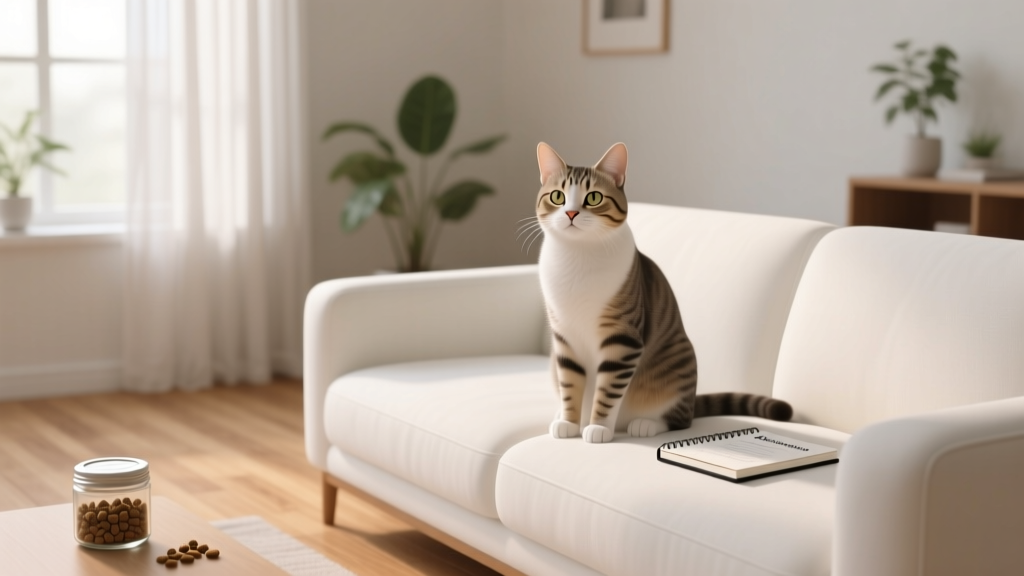
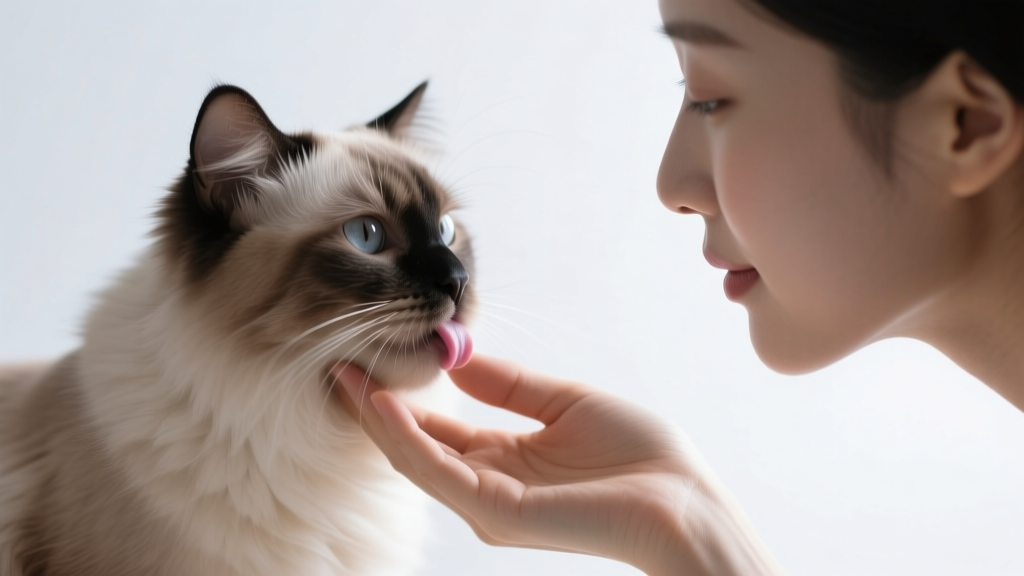
You’re settled on the couch, wearing your “nice” black leggings for once. Your cat hops up, circles twice like a tiny furry tornado, and then—without warning—starts licking your arm like you’re a popsicle. Maybe it’s a few polite licks. Maybe it’s full-on sandpaper affection that leaves you wondering if you still have skin. And if you pull away? You might get a confused stare, a gentle paw tap, or the classic “Excuse me, I was busy” look.
If your cat grooms you, you’re not alone—and you’re not weird for feeling both honored and mildly exfoliated. This behavior has deep roots in feline social life, and it can tell you a lot about how your cat sees you: friend, family, safe place, or occasionally… salty furniture.
Why Cats Lick You: The Science and Evolution Behind It
Grooming is a big deal in cat culture. Cats groom themselves to keep their fur clean, regulate temperature, distribute natural oils, and even reduce stress. But when cats groom each other, it’s called allogrooming—and it’s primarily a social behavior.
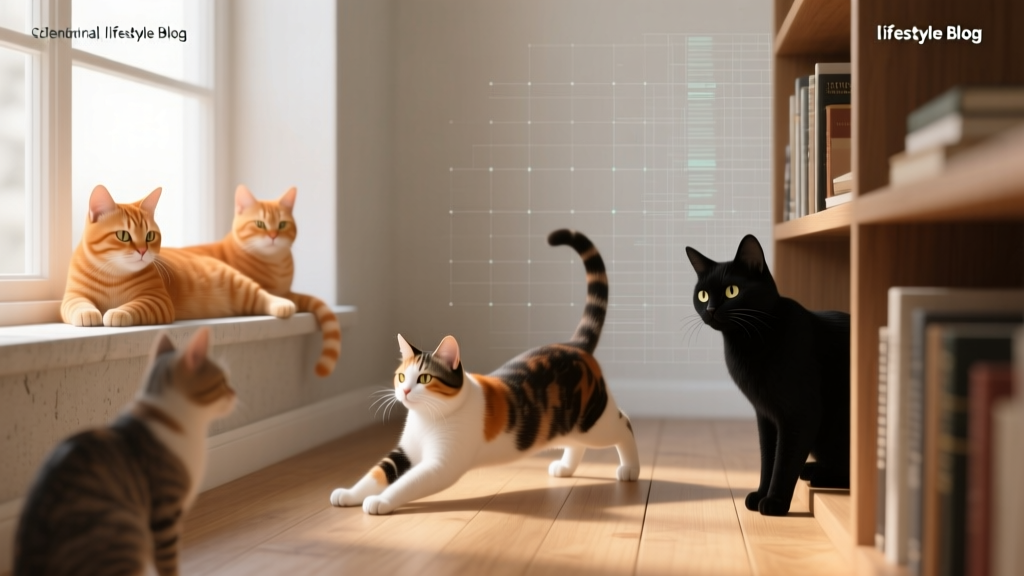
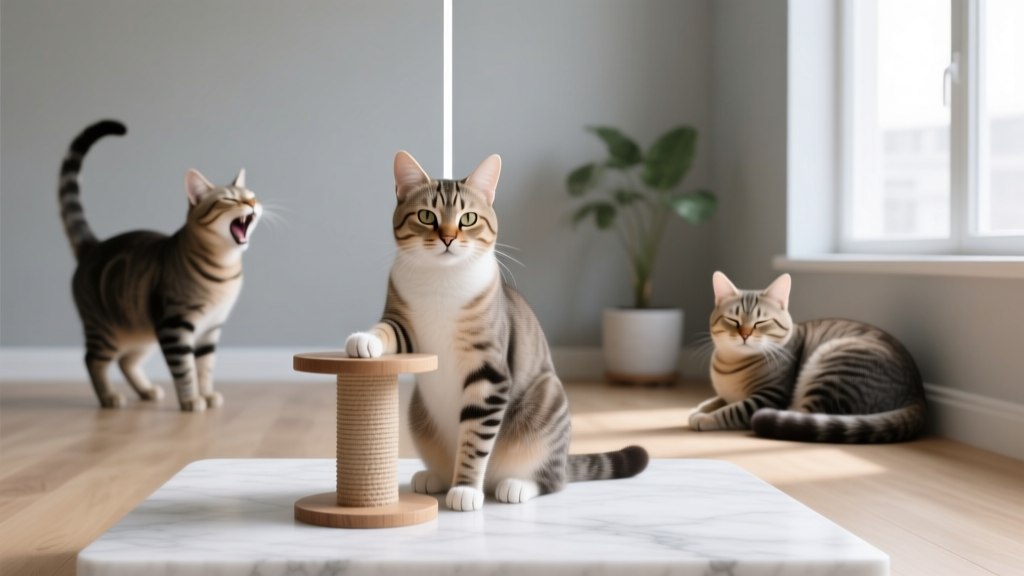
In free-living cat colonies (and in multi-cat homes), cats that are friendly or bonded often groom one another, especially around the head and neck—areas that are harder to reach alone. This helps maintain cleanliness, but more importantly, it reinforces group harmony. Think of it as a relationship ritual that says, “You’re safe with me. You belong here.”
Domestic cats still carry those instincts. When your cat licks you, they may be transferring that same social bonding behavior to you—because, in their mind, you’re part of their social group.
There’s also a scent component. Cats rely heavily on scent to categorize “mine,” “safe,” and “familiar.” Grooming spreads saliva and scent markers. So sometimes your cat is literally “labeling” you as part of their home base—especially if they’re a cat who rubs their face on you, head-butts your hand, or weaves around your ankles like you’re a maypole.
Different Licking Contexts: What’s Going On in the Moment?
Not all licking is the same. The details matter: timing, body language, location, and intensity. Here are common scenarios cat owners recognize (and what they often mean).
1) The Calm Cuddle Lick
Scenario: Your cat is purring, kneading a blanket, eyes half-closed, licking your hand in slow, steady strokes.
What it likely means: Comfort and bonding. This is classic “you’re my safe person” grooming. Many cats do this when they’re deeply relaxed, almost like they’re drifting into kittenhood.
2) The “I’m Grooming You Because You’re Bad at It” Lick
Scenario: You come home, sit down, and your cat heads straight for your hairline, eyebrow, or beard like you’ve been neglecting your hygiene.
What it likely means: Social grooming plus curiosity. Hair, facial oils, and even styling products can be intriguing to cats. Some cats also focus on areas they can “manage,” like your hands, wrists, and face.
3) The Post-Shower Salt Hunt
Scenario: You step out of the shower and your cat becomes a determined licker—ankles, calves, arms—like you’re seasoned.
What it likely means: Taste and minerals. Human skin can be salty, especially after sweating or bathing. For some cats, this is less about affection and more about “interesting flavor.” That doesn’t mean they dislike you—it just means their motivations are a little… snack-adjacent.
4) The “Stop Petting Me—But Also Don’t Stop” Lick
Scenario: You’re petting your cat. They start licking your hand, then suddenly nip lightly, then lick again.
What it likely means: Overstimulation or mixed signals. Some cats lick as a soothing behavior, and the nip can be a boundary marker: “That’s enough pressure” or “Wrong spot.” The lick-nip-lick pattern is common in cats who get overwhelmed easily.
5) The Demand Lick
Scenario: Your cat licks your arm and stares at you, then walks toward the kitchen. Or they lick your face at 5:30 a.m. with purpose.
What it likely means: Attention-seeking. Licking can be a learned behavior—if it gets a response (food, petting, talking), your cat may use it as a reliable “button.”
What Licking Says About Your Cat’s Mood and Feelings
Cat grooming you can signal several emotional states. Here’s a quick “mood translation” using clues you can observe:
- Affection and trust: Soft body, slow blinks, purring, relaxed ears, gentle licking.
- Social bonding: Licking paired with head-butting, cheek rubbing, or settling close beside you.
- Self-soothing: Licking that starts during stress (guests over, changes in routine) or happens repetitively.
- Overstimulation: Tail flicking, skin rippling, ears rotating back, licking that escalates to nibbling or sudden walking away.
- Anxiety or compulsion: Intense, persistent licking that seems hard for your cat to stop—especially if it’s new or increasing.
One of the sweetest interpretations: many cats groom the individuals they feel socially close to. In cat terms, it can be a “family behavior.” That said, cats can be affectionate and opportunistic—your lotion might be doing some heavy lifting.
Related Behaviors You Might Also Notice
If your cat grooms you, you may see other social-bonding behaviors nearby in the “friendship package”:
- Kneading: Often linked to comfort and early kitten memories; frequently paired with licking during cozy moments.
- Head bunting and cheek rubbing: Scent-marking you with facial glands—another “you’re mine/you’re safe” gesture.
- Love bites (gentle nips): Sometimes part of grooming, sometimes a playful boundary.
- Following you around: Social cats keep tabs on their favorite human the way bonded cats keep tabs on each other.
- Allogrooming other pets: If you have multiple cats (or a tolerant dog), your cat may groom them too—often showing who’s bonded, and occasionally who’s being “managed.”
When Licking Is Normal… and When It Might Be a Concern
Most cat-to-human grooming is normal and charming. But it can become a problem in a few situations.
Normal Licking (Usually Fine)
- Occurs during calm cuddle times
- Stops easily if you redirect
- Doesn’t cause skin irritation or stress for either of you
- Seems part of a broader pattern of friendly bonding behaviors
Potential Red Flags
- Sudden increase in licking: Especially if paired with clinginess or agitation—could signal stress, pain, or a change in environment.
- Compulsive intensity: Your cat appears “stuck” in the behavior and struggles to stop.
- Licking leads to biting that breaks skin: This can be overstimulation or escalating frustration.
- Your skin reacts: Repeated licking can cause irritation for some people, and open scratches raise infection risk.
- Interest in licking products: Some lotions, sunscreen, medicated creams, essential oils, and minoxidil are unsafe for cats. If your cat obsessively licks where you applied products, take it seriously.
If you’re seeing intense, new, or anxious licking—especially alongside appetite changes, hiding, or litter box changes—check in with your veterinarian. Behavior is often the first place cats show stress or discomfort.
How to Respond (and Encourage the Good Stuff)
You don’t have to endure relentless sandpaper kisses to prove your love. The goal is to respect the bond and set comfortable boundaries.
If You Like the Licking
- Stay calm and consistent: If you reward licking with attention, your cat may do it more—so give affection when it’s gentle.
- Pair it with soft petting: Many cats enjoy slow strokes on the cheeks, chin, and shoulders during bonding time.
- Create a ritual: A cozy blanket and a predictable cuddle spot can encourage calm grooming instead of frantic licking.
If It’s Too Much (But You Don’t Want to Reject Them)
- Redirect, don’t scold: Offer a plush blanket or cat-safe grooming brush. Some cats will happily switch targets.
- Use “consent cues”: If licking turns to nibbling, pause petting and give your cat a moment to reset. Overstimulation often improves with brief breaks.
- Reward calm alternatives: If your cat sits quietly or head-butts instead of licking, reinforce that with attention.
- Mind the products: Avoid letting your cat lick lotion/sunscreen. Consider long sleeves after applying products, or wash hands thoroughly.
If Licking Is Attention-Seeking (Especially at Night)
- Don’t accidentally train the habit: If face-licking wakes you and immediately leads to breakfast, your cat will absolutely take notes.
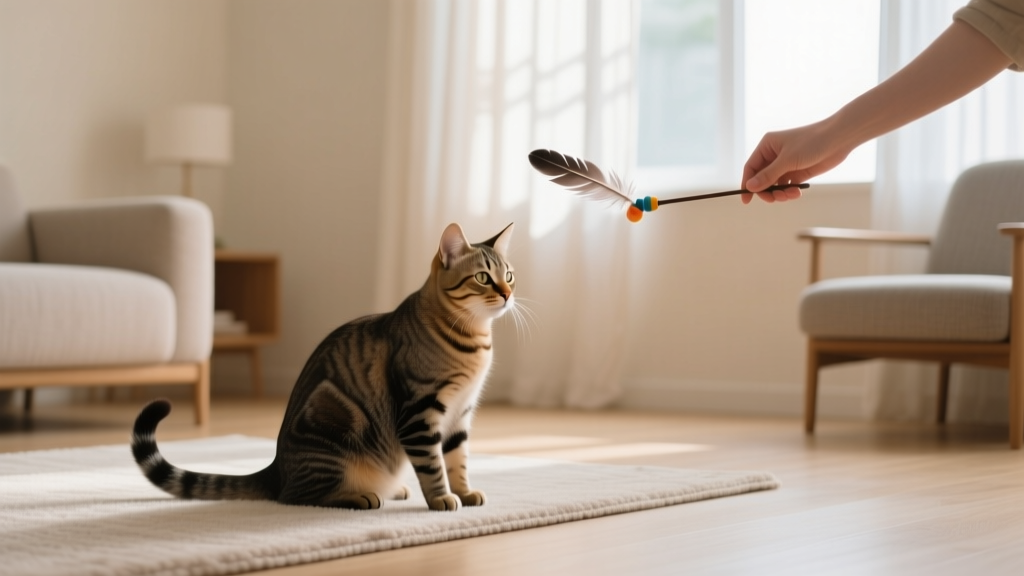
- Schedule enrichment: A play session before bed plus a small meal can reduce 5 a.m. “grooming alarms.”
- Provide an alternative: Food puzzle toys or an automatic feeder can remove you from the role of “wake-up dispenser.”
Fun Facts and Research Nuggets About Cat Grooming
- Cats have backward-facing barbs on their tongues: These tiny structures (papillae) help remove loose fur and debris—great for grooming, intense on human skin.
- Allogrooming is often selective: Cats don’t typically groom everyone equally. Grooming can reflect social preference and bonding patterns.
- Grooming can reduce tension: In multi-cat homes, grooming sometimes appears after mild conflict—like a fuzzy “we’re okay” gesture (or occasionally a polite power move).
- Stress can increase grooming behaviors: Cats may groom more when anxious; the repetitive action can be soothing, similar to self-comfort habits in other species.
FAQ: Cat Licking and Grooming You
1) Does my cat grooming me mean they think I’m their kitten?
Not exactly, but it can reflect nurturing instincts and social closeness. It’s more accurate to say your cat is treating you like a bonded family member within their social group.
2) Why does my cat lick me and then bite me?
This often happens with overstimulation. Licking is calming, but prolonged touch or excitement can tip into “too much,” and the bite is your cat’s way of setting a boundary. Watch for tail flicking, tense posture, or ears turning back.
3) Is it safe to let my cat lick my skin?
Usually, yes—if your skin is intact and you’re not wearing products that are unsafe for cats. Avoid letting your cat lick medicated creams, essential oils, or strong fragrances. If you have open cuts, it’s better to redirect.
4) Why does my cat only lick me and not other family members?
Cats are choosy social creatures. Your cat may feel most secure with you, prefer your scent, or have learned that licking you gets the best response. It can also reflect who spends the most calm, consistent time with them.
5) My cat’s licking feels obsessive—what should I do?
Start by checking for recent changes (schedule, new pets, visitors, moving furniture) and reduce stress with routine and enrichment. If it’s new, escalating, or hard to interrupt, consult your vet to rule out medical discomfort and ask about behavior support.
6) Why does my cat lick my hair?
Hair holds interesting scents and residues, and the texture can be satisfying to groom. If you use hair products, consider whether the scent or taste is drawing them in—and keep an eye out for any product ingredients that shouldn’t be ingested.
When a cat grooms you, it’s often a tiny, quirky vote of confidence: you’re part of their inner circle. Whether you cherish the rough little kisses or prefer to redirect them to a blanket, understanding the “why” helps you respond in a way that strengthens your bond.
Has your cat ever tried to groom your eyebrows, your hair, or the exact spot you just put lotion on? Share your funniest (or most baffling) grooming stories with the Cat Lovers Base community at catloversbase.com—we want to hear what your little social groomer is up to.