How to Understand Cats Behavior
Why Decoding Your Cat’s Behavior Isn’t Just Cute—It’s Critical for Their Well-Being
If you’ve ever stared at your cat mid-stare, wondered why they knocked your coffee off the counter *again*, or felt guilty after misreading their hiss as aggression instead of fear—you’re not alone. Learning how to understand cats behavior is one of the most impactful things you can do for your feline companion’s mental health, physical safety, and lifelong bond with you. Unlike dogs, cats evolved as solitary hunters who rely on subtle, context-rich signals—not loud, obvious cues—to communicate threat, trust, stress, or invitation. When we misread those signals, we inadvertently escalate anxiety, suppress natural instincts, or even delay recognizing early signs of pain or illness. In fact, a 2023 study published in Applied Animal Behaviour Science found that 68% of cats surrendered to shelters had undiagnosed behavioral stressors rooted in human misinterpretation—not 'untrainability' or 'meanness.' This isn’t about 'fixing' your cat—it’s about becoming fluent in their ancient, elegant language.
The Body Language Blueprint: Reading Beyond the Tail
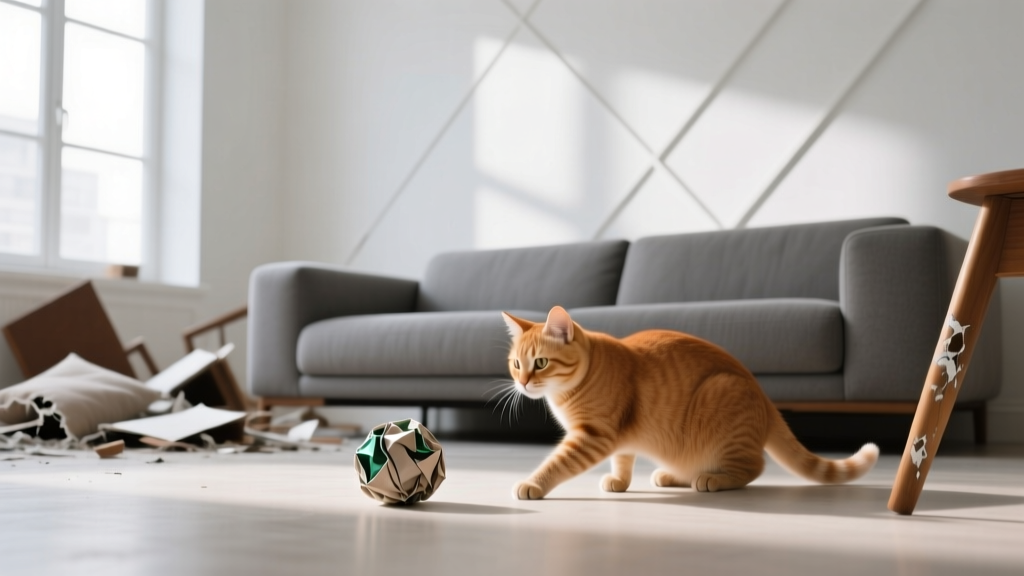
Cats don’t speak in sentences—they speak in layered, simultaneous signals. A single posture contains information about arousal level, intent, and emotional state. The key is observing combinations—not isolated gestures. For example, a rapidly swishing tail isn’t always ‘angry’; paired with flattened ears and dilated pupils, it signals high-intensity fear or defensive readiness. But paired with forward-facing ears and relaxed whiskers? It may indicate intense focus during play or hunting behavior—even if they’re staring at a dust bunny.
Veterinary behaviorist Dr. Sarah Haskins, DACVB, emphasizes: “Cats rarely give one signal. They broadcast a full-body sentence. If you only read the tail, you’ll miss the punctuation—and get the meaning completely wrong.”
Here’s how to decode the most commonly misread signals:
- Slow blink sequence: Not boredom—it’s a deliberate, low-risk social signal meaning “I feel safe with you.” Return it gently to reinforce trust.
- Purring: While often associated with contentment, purring also occurs during injury, labor, or terminal illness. Context matters: Is the cat curled up warmly or hunched, shallow-breathing, and avoiding touch? Purring + tension = likely self-soothing under distress.
- Head-butting (bunting): This deposits facial pheromones—a chemical ‘this is mine and I love it’ marker. It’s affection, yes—but also territorial reassurance. When your cat bunts your laptop, they’re not demanding attention; they’re calming *themselves* by scent-marking something novel or stressful.
- Chattering at windows: Often dismissed as ‘cute nonsense,’ this vocalization correlates with heightened predatory arousal and jaw muscle activation—part of the natural kill sequence. It’s not frustration; it’s instinctual rehearsal.
The Sound & Silence Code: What Vocalizations—and Their Absence—Really Mean
Cats have over 16 distinct vocalizations—and they use them almost exclusively with humans. That’s right: adult cats rarely meow at each other. Meowing is a human-directed language, shaped over millennia of cohabitation. But volume, pitch, duration, and repetition all encode meaning.
Consider Maya, a 4-year-old rescue tabby adopted after chronic shelter overstimulation. Her owner initially interpreted her persistent, high-pitched yowling at 3 a.m. as ‘demanding food.’ Only after recording and analyzing patterns with a certified feline behavior consultant did they realize: the yowls occurred *only* when the bedroom door was closed, escalated when ignored, and stopped immediately upon opening the door—even without food offered. This wasn’t hunger—it was separation-related anxiety manifesting as vocal protest.
Key vocal cues decoded:
- Trill or chirrup: A friendly greeting or invitation—often used when approaching with a toy or leading you somewhere.
- Low-pitched growl or hiss: A clear, unambiguous boundary marker. Never punish or force interaction after this—it’s a last-resort warning before biting or fleeing.
- Long, drawn-out yowl: Can signal pain (especially in older cats), cognitive decline (feline dementia), or reproductive urgency (if unspayed/unneutered).
- Silence in new environments: Not ‘calm’—often acute hypervigilance. A newly adopted cat hiding silently for 48+ hours warrants gentle environmental enrichment—not forced handling.
Environmental Storytelling: How Space, Scent, and Routine Reveal Inner States
Your home isn’t neutral background—it’s a dynamic sensory landscape your cat constantly interprets. Litter box avoidance? It’s rarely ‘spite.’ More often, it’s a response to substrate texture, location privacy, cleanliness frequency, or proximity to noisy appliances (a 2022 Cornell Feline Health Center survey found 41% of inappropriate elimination cases resolved solely by relocating the box away from a washing machine). Likewise, scratching isn’t destruction—it’s a complex behavior combining claw maintenance, scent marking (via interdigital glands), and visual territory signaling.
Dr. Tony Buffington, DVM, MS, Professor Emeritus at Ohio State’s College of Veterinary Medicine, stresses: “Cats don’t have ‘bad behavior.’ They have unmet needs expressed through species-normal actions. Our job is to see the need behind the action—not correct the action itself.”
Start mapping your cat’s environment like a behavioral detective:
- Track where they sleep, eat, eliminate, and hide—then audit those zones for stressors (drafts, reflections, overhead movement, odor competition).
- Introduce novel objects (new furniture, visitors) gradually using positive association—offer treats *near* (not on) the object first, then slowly decrease distance.
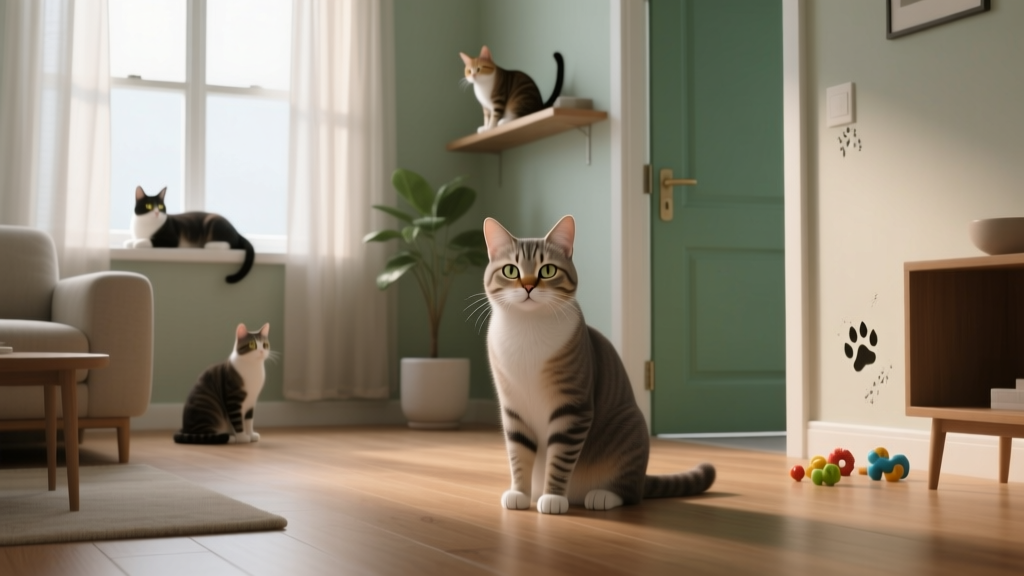
- Respect vertical space: Cats feel safest 3–5 feet above floor level. Install sturdy shelves, cat trees, or window perches to expand their sense of control.
- Use synthetic feline facial pheromone diffusers (e.g., Feliway Classic) in high-stress zones—but only after ruling out medical causes with your vet.
Decoding Stress: From Subtle Shifts to Crisis Signals
Chronic stress in cats is insidious. Because they mask vulnerability so effectively, signs are often dismissed as ‘just how Fluffy is.’ But sustained stress suppresses immunity, triggers cystitis (FIC), worsens arthritis pain, and accelerates cognitive decline. The American Association of Feline Practitioners identifies these evidence-based early stress indicators:
- Overgrooming (especially bald patches on belly/inner thighs)
- Reduced appetite lasting >24 hours
- Avoiding favorite resting spots without obvious cause
- Increased startle response to normal sounds
- Changes in litter box habits (urinating outside, digging excessively, avoiding the box)
When stress escalates, watch for overt signals: flattened ears, lip licking, rapid blinking, skin twitching (‘rolling’ along the back), or sudden freezing mid-movement. These aren’t ‘quirks’—they’re autonomic nervous system responses indicating sympathetic overload.
Real-world case: Leo, an 8-year-old neutered male, began urinating on his owner’s bed pillow. Initial assumption: territorial marking. But urine tests were sterile, and video analysis showed he only did it after his owner worked late—coinciding with increased nighttime vocalization and pacing. A veterinary behaviorist diagnosed separation-related anxiety, treated with environmental restructuring (scheduled play sessions, departure desensitization) and short-term anti-anxiety medication. Within 6 weeks, incidents ceased entirely.
| Behavioral Cue | Most Likely Meaning | What to Do Immediately | Red Flag If Paired With… |
|---|---|---|---|
| Half-closed eyes + slow blinks | Feeling safe and trusting | Return the blink gently; avoid direct stare | None — this is ideal baseline behavior |
| Tail held straight up with quivering tip | Extreme excitement or affection (often greeting) | Offer gentle petting *if cat leans in*; respect withdrawal | Dilated pupils + flattened ears = overstimulation — stop petting |
| Backing away while maintaining eye contact | Conflict avoidance; testing your intentions | Freeze, look away slowly, offer treat at floor level | Hissing or growling = immediate space needed |
| Rolling onto back exposing belly | Sign of deep trust — NOT an invitation to rub | Observe; only touch if cat initiates contact with paws | Swatting or biting when approached = defensive posture |
| Excessive kneading with purring | Self-soothing, comfort-seeking, or scent marking | Provide soft blanket or familiar-smelling item | Stopping abruptly + hiding = possible pain or anxiety trigger |
Frequently Asked Questions
Do cats really ignore us—or are they just being selective?
Cats aren’t ignoring you—they’re applying evolutionary filters. In the wild, constant responsiveness wastes energy and attracts predators. Domestic cats retain this efficiency: they respond selectively to stimuli that meet criteria like relevance (is it food-related?), predictability (do they associate your voice with positive outcomes?), and safety (are you moving calmly?). Research from the University of Tokyo (2022) confirmed cats recognize their owner’s voice and will orient toward it—but only choose to respond ~30% of the time, prioritizing autonomy over obedience. This isn’t rudeness—it’s adaptive intelligence.
Why does my cat bring me dead mice or toys?
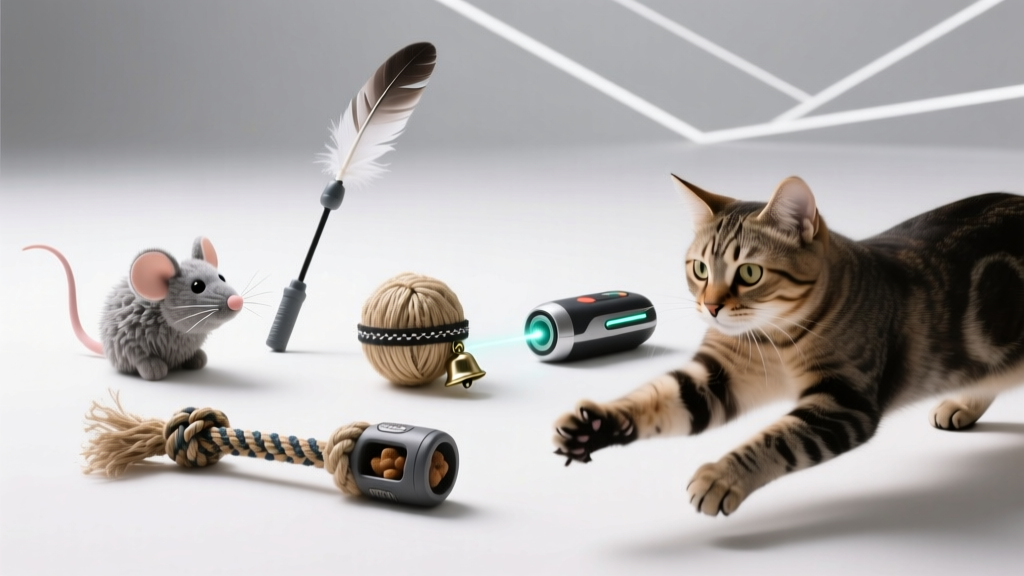
This is a multi-layered social behavior—not ‘gift-giving’ in the human sense. Ethologists identify three primary drivers: (1) Teaching instinct—mother cats bring prey to kittens to instruct hunting; your cat may view you as an inept offspring; (2) Resource sharing—a sign of inclusion in their social group; (3) Relocation—moving ‘prey’ to a safer, more controlled environment (your lap). Never punish this behavior—it’s deeply ingrained. Instead, redirect with interactive play using wand toys *before* mealtime to satisfy the hunt-eat-sleep sequence.
Is it true cats can’t feel love like dogs do?
No—this is a persistent myth rooted in comparing species on human-centric terms. fMRI studies (Emory University, 2021) show cats experience attachment neurochemistry (oxytocin release) during positive interactions with trusted humans, similar to dogs and infants. However, cats express attachment differently: through proximity seeking, synchronized sleeping, and ‘social referencing’ (looking to you for cues in novel situations). Their love is quieter, more conditional, and fiercely protective—not less real.
My cat suddenly started peeing outside the litter box. Should I assume it’s behavioral?
Never assume. Urinary tract disease (including blockages, which are life-threatening emergencies in males), kidney disease, diabetes, and arthritis are common medical causes—especially in cats over 7. A full veterinary workup (urinalysis, blood panel, abdominal ultrasound) must precede any behavioral intervention. Once medical issues are ruled out, environmental stressors (new pets, construction, litter changes) become the prime suspects.
Can I train my cat to stop scratching furniture?
You can’t eliminate scratching—it’s biologically essential. But you *can* redirect it successfully. Provide multiple tall, stable scratching posts covered in sisal or cardboard, placed near sleeping areas and furniture they target. Use catnip or silver vine spray to attract interest. Reward with treats *immediately* after use. Cover furniture temporarily with double-sided tape or aluminum foil (textural deterrents). Most importantly: never use punishment—it erodes trust and increases anxiety-driven scratching.
Common Myths About Cat Behavior—Debunked
Myth #1: “Cats are aloof and don’t form attachments.”
False. Secure attachment has been repeatedly demonstrated in cats using the ‘Strange Situation Test’ (adapted from infant research). Cats with secure attachments explore confidently when owners are present, seek contact upon reunion, and use owners as a ‘secure base.’ Insecure attachment styles (anxious or avoidant) correlate strongly with early life stressors—not inherent coldness.
Myth #2: “If my cat sleeps on me, it means they love me more than others.”
Not necessarily. While warmth and scent are factors, cats also choose sleeping spots based on thermoregulation, safety perception, and routine. A cat sleeping on your partner’s lap every night doesn’t mean less love—it may reflect consistency of timing, body heat patterns, or lower ambient noise levels in that spot.
Related Topics (Internal Link Suggestions)
- Interpreting Cat Body Language — suggested anchor text: "cat body language chart"
- Why Does My Cat Bite Gently? — suggested anchor text: "love bites vs aggressive biting"
- Creating a Cat-Friendly Home — suggested anchor text: "cat-safe home checklist"
- When to See a Veterinary Behaviorist — suggested anchor text: "cat behavior specialist near me"
- Understanding Cat Purring Patterns — suggested anchor text: "what does purring really mean"
Final Thought: Understanding Is the First Act of Love
Learning how to understand cats behavior isn’t about achieving perfect interpretation—it’s about cultivating humility, patience, and observational curiosity. Every blink, tail flick, and chirp is data. Every misstep is feedback, not failure. Start small: today, spend 5 minutes simply watching your cat without interacting. Note their breathing rhythm, ear orientation, and where they choose to rest. Then ask yourself: ‘What need might this be meeting?’ That question—the quiet, consistent practice of seeing your cat as a complex individual with valid motivations—is where true understanding begins. Ready to go deeper? Download our free Cat Behavior Observation Journal (with printable cue trackers and vet-consultation prep sheets) to turn insight into action—starting now.