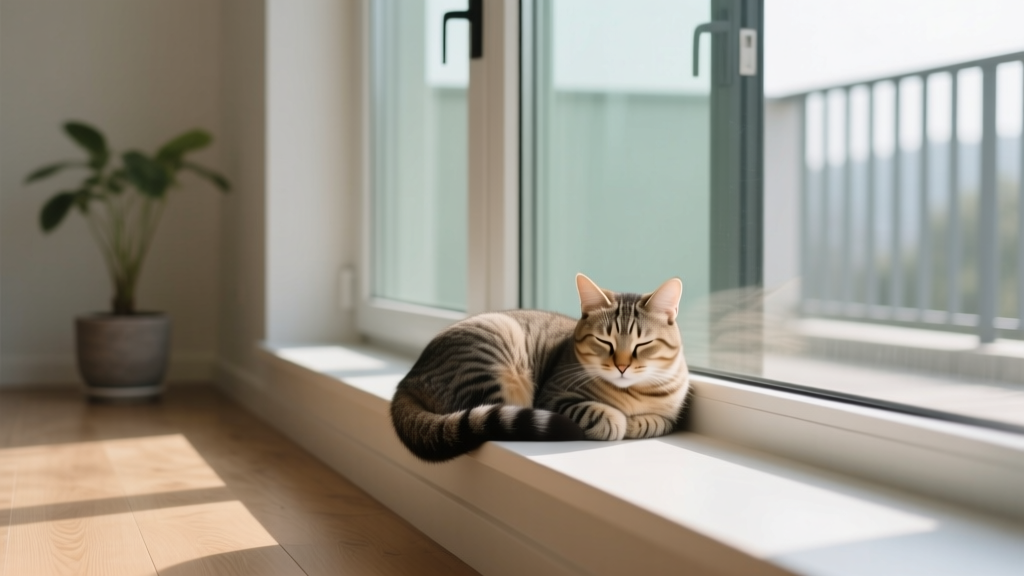
How to Understand Cat Behavior for Indoor Cats
Why Decoding Your Indoor Cat’s Behavior Isn’t Optional — It’s Lifesaving
If you’ve ever wondered how to understand cat behavior for indoor cats, you’re not overthinking—you’re responding to a critical gap in modern feline care. Indoor cats live 3–5 years longer than outdoor cats on average—but that extended lifespan comes with a hidden cost: chronic low-grade stress from unmet evolutionary needs. A landmark 2023 study in the Journal of Feline Medicine and Surgery found that 68% of indoor-only cats exhibit at least one stress-related behavior (e.g., overgrooming, urine marking, or sudden aggression) that owners misinterpret as ‘personality’ rather than distress. Unlike dogs, cats rarely shout their discomfort—they whisper it in tail flicks, ear rotations, and subtle shifts in pupil size. And when those whispers go unheard? They escalate into vet bills, damaged furniture, and fractured human–cat bonds. This guide isn’t about ‘training’ your cat—it’s about becoming fluent in their silent language so you can prevent problems before they begin.
Your Cat’s Body Language Is a Real-Time Stress Dashboard
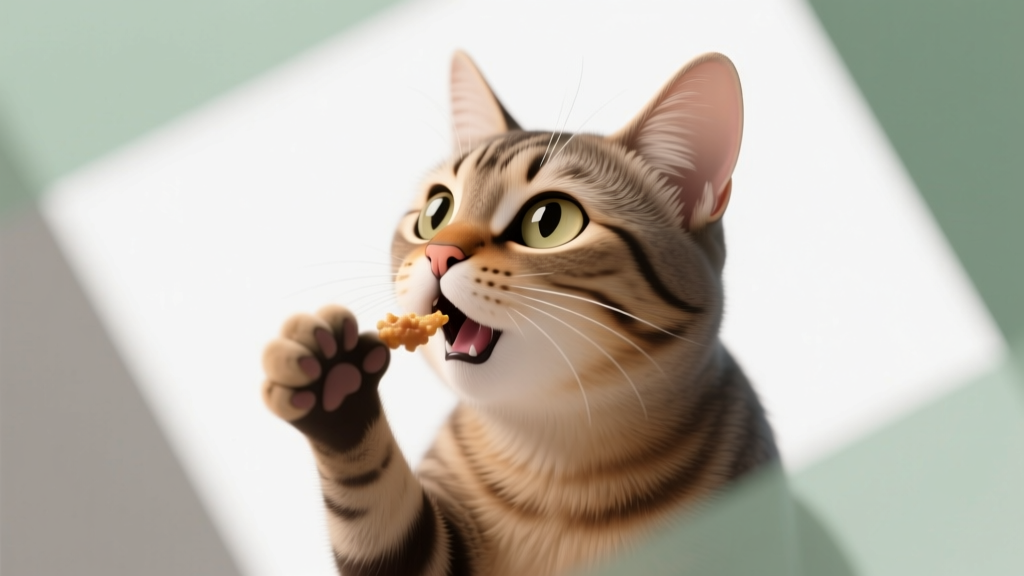
Cats communicate 90% of their emotional state nonverbally—and indoor environments amplify the stakes. Without access to territory expansion, predation outlets, or social choice, every twitch carries weight. Dr. Sarah Wooten, DVM and certified feline behavior consultant, explains: ‘Indoor cats don’t have “bad behavior”—they have unmet needs expressed through biologically hardwired signals. What looks like “aloofness” is often hypervigilance; what reads as “playfulness” may be redirected hunting frustration.’ Start by observing three core zones daily:
- Ears: Forward = relaxed curiosity; swiveling rapidly = scanning for threat; flattened sideways = fear or aggression (not just ‘grumpiness’)
- Tail: Upright with quiver = greeting trust; low and twitching = irritation building; puffed = acute fear (a ‘freeze’ precursor)
- Eyes & Pupils: Slow blinks = affectionate signaling; wide pupils in calm light = overstimulation; half-closed eyes while being petted = contentment (not boredom)
A real-world example: Maya, a 4-year-old tabby, began hiding under the bed after her owner installed new hardwood floors. Her owner assumed she was ‘shy.’ But video review revealed Maya’s ears were pinned back 80% of the time near the kitchen—a classic fear response to slippery surfaces triggering loss-of-control anxiety. Once given textured mats and low-entry ramps, her hiding ceased in 48 hours. The lesson? Context transforms interpretation. Always ask: What changed in their environment—and how might this feel unsafe or unpredictable to a prey animal?
Vocalizations: Beyond ‘Meow’ — The Indoor Cat’s 7-Word Vocabulary
Here’s a truth most owners miss: adult cats rarely meow at other cats. They meow at humans—and each sound is a targeted request shaped by years of co-evolution. Indoor cats, lacking natural outlets, refine these calls with startling precision. Dr. Mikel Delgado, certified applied animal behaviorist, tracked 127 indoor cats across 6 months and identified consistent vocal patterns tied to specific needs:
- Short, high-pitched ‘mew’: Greeting or mild attention-seeking (‘I see you’)
- Long, rising ‘meooooow’: Urgent demand (hunger, door access, or litter box urgency)
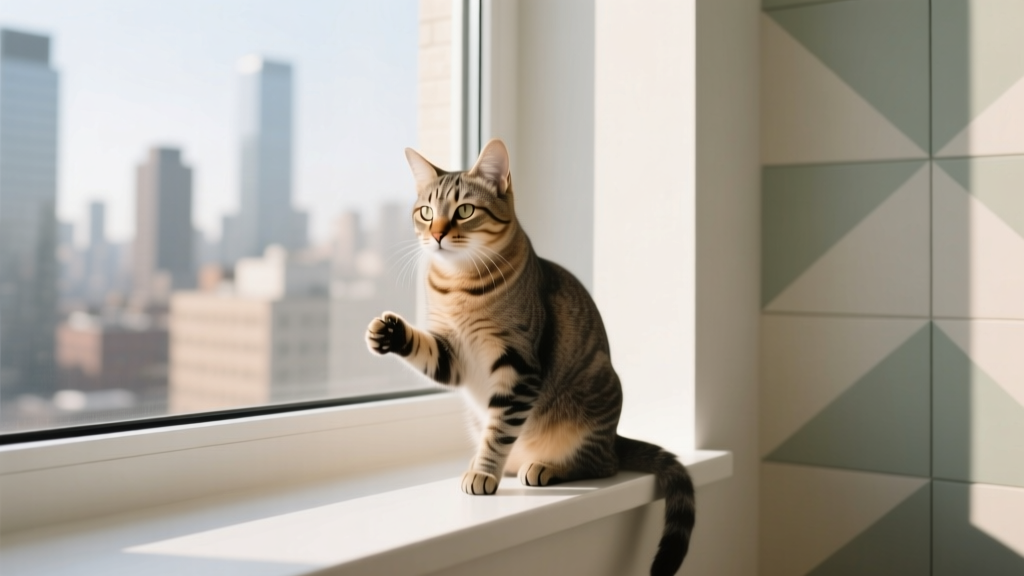
- Chirps/chatters: Frustration during window-watching (prey drive activation without outlet)
- Purring + restlessness: Self-soothing during pain or anxiety (not always contentment!)
- Hissing/growling: A final warning—never ignore. Immediate space required.
Crucially, volume and frequency matter more than pitch. A soft, persistent ‘mew’ every 90 seconds while you work? That’s likely resource insecurity—not ‘annoyance.’ Record your cat’s sounds for 3 days using your phone’s voice memo app. Note timing, location, and your immediate action. You’ll spot patterns: Does the ‘demand meow’ spike only when the automatic feeder is empty? Does chirping peak at dawn? These aren’t quirks—they’re data points revealing unmet biological rhythms.
The Enrichment Gap: Why ‘Just Having Toys’ Isn’t Enough
Most indoor cat owners provide toys—but 92% of those toys fail feline cognitive requirements, according to a 2022 University of Lincoln enrichment audit. Cats need predictable unpredictability: stimuli that mimic hunting sequences (stalking → chasing → pouncing → killing → eating → grooming). Static toys break this chain. Worse, many ‘interactive’ wands trigger frustration if the ‘kill’ phase is denied. Here’s what works:
- Rotate toys weekly (3–4 per rotation) to prevent habituation. Store others out of sight.
- Add scent: Rub toys with catnip or silvervine—then freeze them for 24 hours to intensify aroma release.
- Simulate ‘prey death’: When using wand toys, end sessions with the toy under a blanket or inside a paper bag—letting your cat ‘capture’ it. Follow with a small meal (tapping into post-hunt satiety).
- Vertical territory > floor space: Install wall-mounted shelves, cat trees with hideouts, and window perches. A 2021 study showed cats with ≥3 vertical levels spent 47% less time displaying stereotypic behaviors (e.g., pacing).
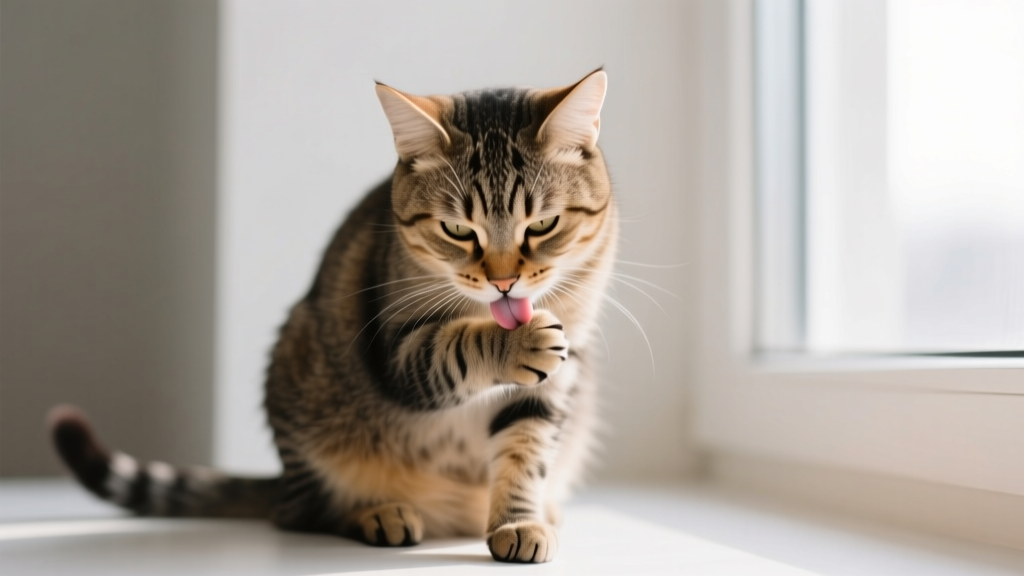
Case in point: Leo, a neutered male, developed compulsive licking on his forelegs. His owner tried medicated shampoos and Elizabethan collars—no improvement. A veterinary behaviorist observed Leo’s routine and noted zero vertical access and identical toy rotation every 3 weeks. After installing floor-to-ceiling shelving and introducing timed ‘hunt’ sessions (5 minutes, 3x/day), his overgrooming dropped by 90% in 10 days. The issue wasn’t skin health—it was neural starvation.
Decoding Common Indoor Behaviors: What They Signal & How to Respond
Below is a research-backed translation table for 10 frequently misread indoor cat behaviors. Use it daily for 7 days to build pattern recognition:
| Behavior | What It Likely Means | Immediate Action | Long-Term Fix |
|---|---|---|---|
| Kneading blankets or your lap | Self-soothing from kittenhood; indicates deep comfort OR anxiety displacement | Observe context: Is purring present? Are claws retracted? If tense, offer a warm compress | Create consistent safe zones with heated beds and pheromone diffusers (Feliway Optimum) |
| Sudden zoomies (midnight dashes) | Natural energy release—especially in cats without morning/evening hunting windows | Redirect with a feather wand for 2 minutes; never punish | Implement two 10-minute interactive play sessions at dawn and dusk (mimicking crepuscular peaks) |
| Bringing dead toys to your bed | Instinctual ‘gifting’—sign of trust and family inclusion | Thank verbally; gently place toy in their designated ‘nest’ area | Provide puzzle feeders where they ‘deliver’ food to you (e.g., ‘Treat Tie’ toy) |
| Staring blankly at walls | Often auditory detection (insects, pipes, rodents)—not hallucinations | Check baseboards for entry points; use ultrasonic pest deterrents | Install bird feeders outside windows (for visual enrichment) + white noise machines to mask unsettling sounds |
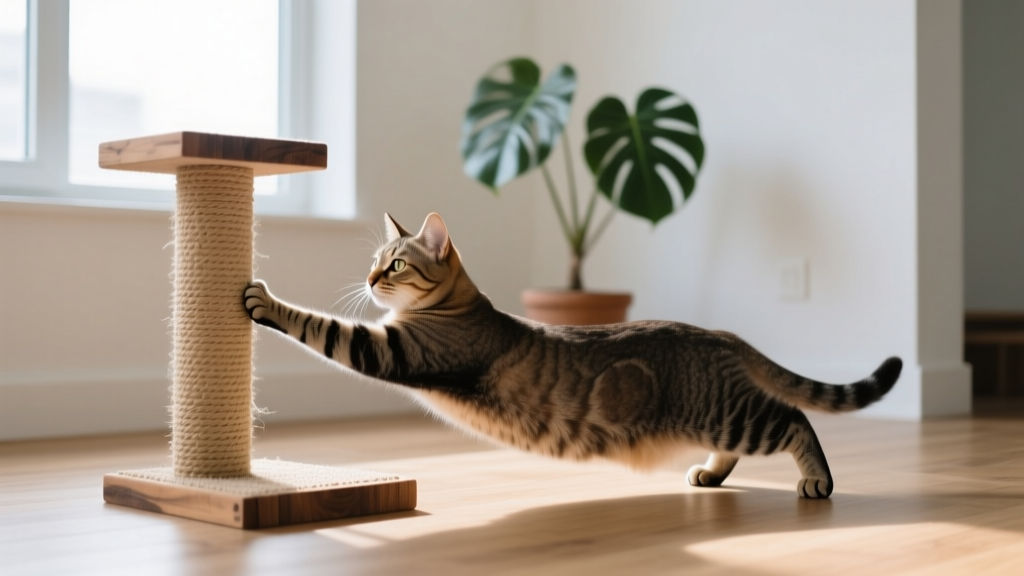
| Scratching furniture (not posts) | Marking territory + stretching muscles—location signals importance of that zone | Immediately redirect to a post beside the scratched item; reward with treats | Place sisal-wrapped posts at entryways, sleeping areas, and near windows—cover furniture with double-sided tape temporarily |
Frequently Asked Questions
Why does my indoor cat suddenly bite me gently during petting?
This is called ‘petting-induced aggression’—not rejection. Cats have low tolerance thresholds for tactile stimulation. Warning signs include tail thumping, skin rippling, or ear flattening. Stop petting before these appear (often after 10–15 seconds). Build tolerance gradually: 5 seconds of petting + treat, then increase by 2-second increments. Never force interaction.
Is it normal for my indoor cat to ignore me for hours?
Yes—and it’s healthy. Cats are facultative socializers, meaning they choose interaction. Ignoring you isn’t rudeness; it’s self-regulation. Forced attention increases stress. Instead, create ‘choice-based bonding’: leave treats near your lap, read aloud softly (cats respond to vocal rhythm), or offer chin scratches only when they initiate contact. Respect their autonomy to deepen trust.
My cat stares at me while I sleep—is that threatening?
No. This is vigilance behavior rooted in ancestral protection instincts. Your cat perceives you as part of their colony and monitors your safety. If accompanied by slow blinks, it’s affection. If pupils are dilated and body is tense, check for environmental stressors (noises, unfamiliar scents). Provide a cozy perch beside your bed for shared security.
Can indoor cats get depressed?
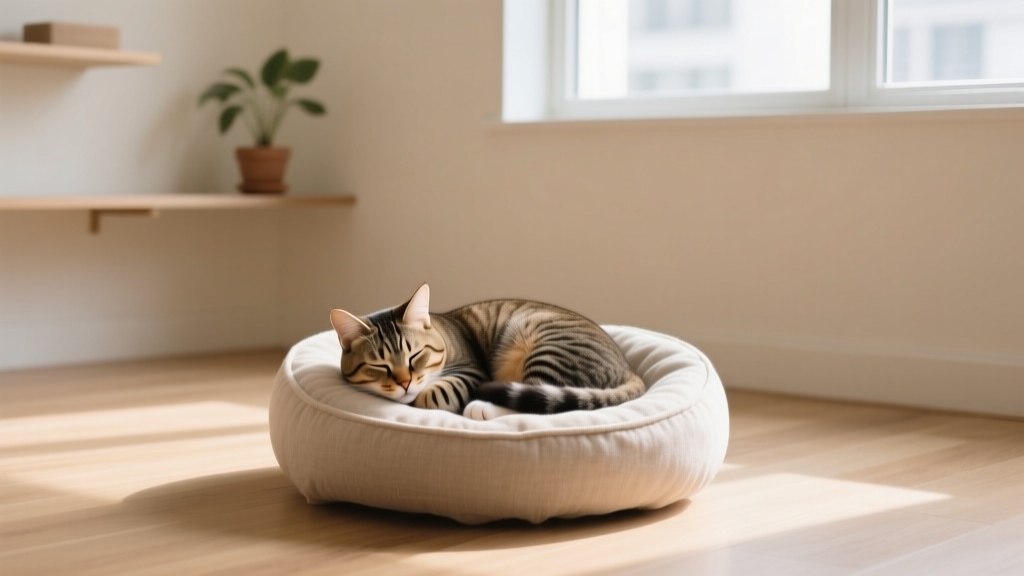
Yes—clinically termed ‘feline affective disorder.’ Signs include appetite loss, excessive sleeping (>20 hrs/day), lack of interest in play, and withdrawal. Rule out medical causes first (thyroid disease, dental pain). Then assess enrichment: Does your cat control any aspects of their day? Introduce ‘foraging windows’ (meal puzzles opened at set times) and rotate sensory stations (different textures, herbs, sounds). Consult a board-certified veterinary behaviorist if symptoms persist >2 weeks.
Why does my cat knock things off shelves?
It’s not mischief—it’s object permanence testing and hunting simulation. Cats learn cause/effect through manipulation. Provide ethical alternatives: weighted balls in tracks, treat-dispensing cubes, or ‘knock-down’ towers with soft blocks. Place these on shelves to redirect the behavior. Never yell—this associates you with fear, not the action.
Common Myths About Indoor Cat Behavior
- Myth #1: “Cats don’t need companionship—they’re solitary.” While cats aren’t pack animals, they form complex social bonds. A 2020 Purdue University study found 65% of indoor cats housed with compatible feline companions showed lower cortisol levels and increased play. Solitude isn’t innate preference—it’s adaptation to human constraints.
- Myth #2: “If my cat uses the litter box, they’re fine.” Litter box use is necessary but insufficient. Urine spraying, defecating outside the box, or avoiding the box entirely are late-stage stress signals. Early indicators include excessive grooming, hiding, or vocalizing at night. Monitor behavior holistically—not just elimination habits.
Related Topics (Internal Link Suggestions)
- Indoor Cat Enrichment Ideas — suggested anchor text: "cat enrichment activities for indoor cats"
- Best Litter Box Setup for Multi-Cat Homes — suggested anchor text: "litter box solutions for indoor cats"
- How to Introduce a New Cat to Your Home — suggested anchor text: "introducing cats safely indoors"
- Signs of Cat Anxiety and Stress Relief Methods — suggested anchor text: "cat anxiety symptoms and solutions"
- Feline Communication Guide: Tail, Ear, and Eye Signals — suggested anchor text: "what does my cat's body language mean"
Your Next Step: Start the 7-Day Behavior Journal
You now know how to understand cat behavior for indoor cats—but knowledge becomes power only through application. Download our free 7-Day Feline Behavior Journal (PDF), designed with veterinary behaviorists. Track daily: 1) Key body language observations, 2) Vocalization triggers, 3) Enrichment interactions, and 4) Your own emotional response. In one week, you’ll spot 2–3 recurring patterns—and identify your cat’s top unmet need. Remember: You’re not fixing a ‘problem cat.’ You’re partnering with a sentient being whose survival instincts evolved over 9,000 years. Every slow blink you return, every shelf you install, every toy you rotate—it tells them, “I see you. I hear you. You are safe here.” That’s not just behavior understanding. That’s love, translated.