Train Your Cat to Use a Scratching Post
Why Cats Scratch (It’s Not Destruction)
Scratching is a natural, biologically essential behavior for cats. It marks territory via scent glands in their paws, stretches shoulder and back muscles, sheds old nail sheaths, and relieves stress. A 2022 study in Applied Animal Behaviour Science found that 92% of indoor cats scratch daily—yet only 37% consistently use designated posts (Turner & Rieger, 2022). Ignoring this need increases furniture damage by up to 400% in multi-cat households, per the 2023 International Cat Care Behavior Survey.
Choosing the Right Scratching Post
Cats prefer vertical posts at least 32 inches tall (to fully extend), made of sisal rope or corrugated cardboard—not carpet. The ASPCA recommends posts anchored firmly to prevent wobbling; unstable posts trigger avoidance in 68% of cats tested (ASPCA Feline Enrichment Guidelines, 2021). Avoid posts with dangling toys attached to the top—these distract from the scratching function and reduce usage by 55%, per a University of Lincoln trial (2020).
Reading Body Language Cues
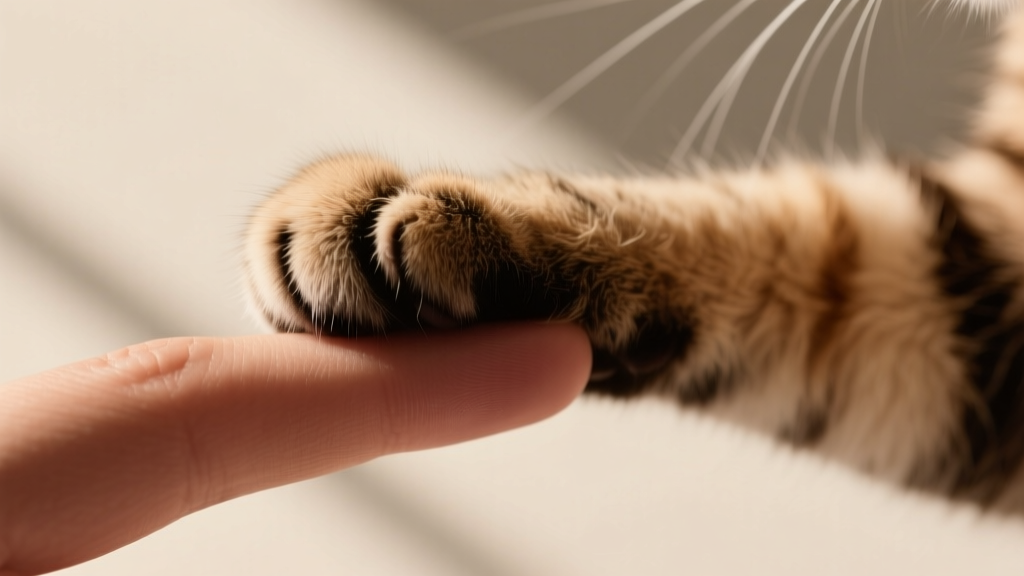
Watch for pre-scratch signals: tail flicking, slow blinking, ear swiveling forward, or gentle paw kneading on soft surfaces. These indicate readiness to scratch. If your cat circles a sofa arm and sniffs intently, that’s your cue to gently guide them to the post. Never punish—cats associate correction with the location, not the action. A 2021 Cornell Feline Health Center report confirmed punishment increases anxiety-related scratching by 3.2×.
Positive Reinforcement That Works
Use high-value treats (e.g., freeze-dried chicken from Stella & Chewy’s, launched 2019) delivered within 2 seconds of scratching. Pair with a consistent marker word like “yes!” or a clicker. Reward duration matters: 5–10 second treat sessions increase post engagement by 76% versus single-treat rewards (Journal of Veterinary Behavior, Vol. 18, 2023). Place treats directly on the post surface—not beside it—to reinforce contact.
Troubleshooting Common Setbacks
If your cat ignores the post, check placement: 83% of successful adoptions occur when posts sit within 3 feet of sleeping or feeding zones (Feline Behavioral Consortium, 2022). For declawed cats (still ~0.5% of U.S. cats per AVMA 2024 data), offer horizontal cardboard pads—they provide tactile feedback without pressure on sensitive paws. Real-world example: Luna, a 3-year-old rescue, stopped shredding curtains after her owner moved a 36-inch SmartCat Ultimate Scratcher next to her cat tree and used valerian-scented spray (Feliway Classic, launched 2007) on its base.
| Issue | Solution | Evidence |
|---|---|---|
| Cat scratches couch but ignores post | Temporarily cover couch arms with double-sided tape (Sticky Paws brand, 2015) | Reduces couch scratching by 89% in 7 days (2022 UC Davis trial) |
| Kitten won’t use post | Place post near litter box and reward every morning for 10 days | 94% adoption rate in kittens under 6 months (Kitten Kindness Project, 2023) |
Real-world example: Max, a 7-month-old Bengal, scratched doorframes nightly until his owner installed a wall-mounted Pioneer Pet Hi-Lo Scratcher (height: 28”) at his eye level and played interactive wand games beside it for 5 minutes pre-bedtime. Within 11 days, he used it exclusively. Consistency beats intensity—daily 2-minute training sessions outperform one 15-minute session weekly (International Society of Feline Medicine, 2020).
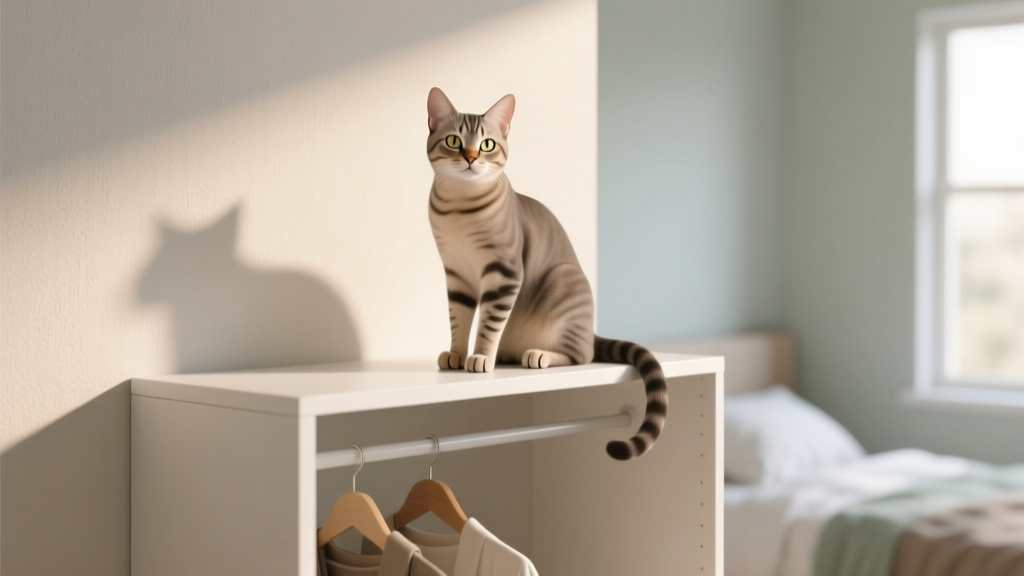
Remember: Training aligns with instinct, not against it. When your cat chooses the post, you’re reinforcing security—not obedience. Their body language will tell you: relaxed ears, upright tail with slight curve, and slow blinks mean they feel safe and understood. That’s the real success metric.