What Different Cat Behaviors Mean Risks
Why Decoding 'What Different Cat Behaviors Mean Risks' Could Save Your Cat’s Life
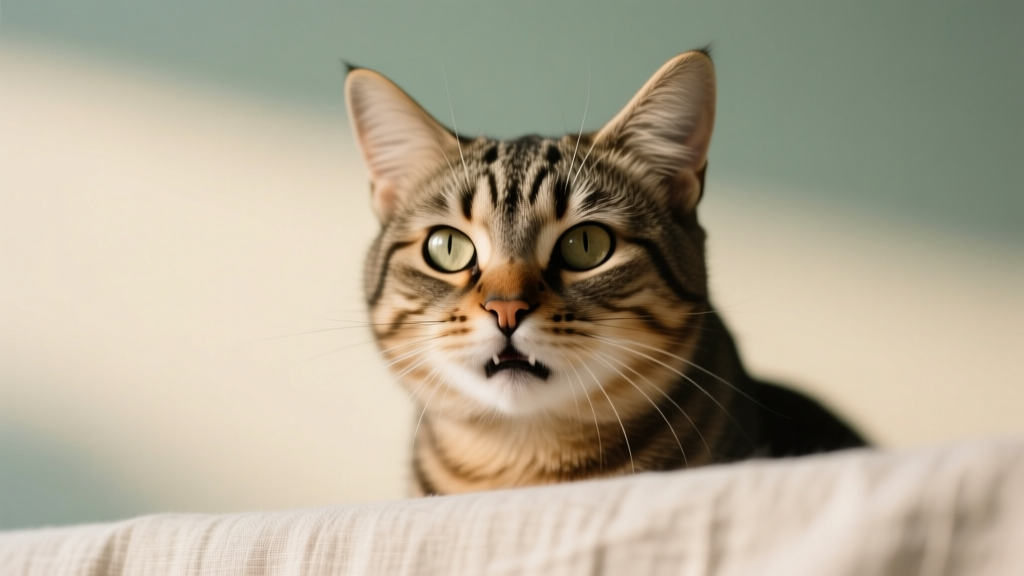
If you’ve ever watched your cat stare blankly at the wall, suddenly hiss at nothing, or stop using the litter box overnight—and wondered what different cat behaviors mean risks—you’re not overreacting. You’re noticing early warnings. Cats evolved to mask illness and vulnerability; what looks like ‘quirky’ behavior is often a silent SOS. In fact, a 2023 study in the Journal of Feline Medicine and Surgery found that 68% of cats diagnosed with chronic kidney disease showed at least two subtle behavioral changes—including decreased grooming or increased hiding—an average of 4.2 weeks before clinical symptoms appeared. Ignoring these signals doesn’t just delay care—it increases treatment complexity, cost, and risk of irreversible damage. This isn’t about anthropomorphizing your cat. It’s about learning their language—before the risk becomes crisis.
1. The ‘Harmless’ Behaviors That Are Actually Red Flags
Many owners dismiss certain habits as ‘just how my cat is.’ But veterinary behaviorists emphasize context, duration, and deviation from baseline. A cat who occasionally chews cardboard isn’t alarming—but one who suddenly gnaws obsessively on plastic cords, fabric, or walls may be signaling oral pain, neurological issues, or severe anxiety. Dr. Sarah Lin, DACVB (Diplomate of the American College of Veterinary Behavior), explains: ‘Behavior is the body’s first diagnostic system. When a cat stops purring when petted, avoids eye contact during meals, or grooms only one side of its face, those aren’t personality traits—they’re functional impairments we need to investigate.’
Here are four deceptively common behaviors—and why they demand attention:
- Sudden vocalization at night: Not just ‘senior yowling.’ In cats under 10, persistent nighttime howling can indicate hyperthyroidism, hypertension-induced retinal stress, or cognitive dysfunction—even without weight loss or appetite changes.
- Over-grooming to bald patches: While mild licking is normal, focused, repetitive licking that causes hair loss (especially on inner thighs, belly, or forelegs) correlates strongly with dermatologic disease (e.g., flea allergy dermatitis), underlying pain (e.g., osteoarthritis in hips), or compulsive disorder triggered by environmental stressors like new pets or construction noise.
- Aggression toward familiar people: If your usually affectionate cat swats or bites when approached—even gently—it may indicate acute pain (e.g., dental abscess, urinary blockage) or neurological irritation. Never assume it’s ‘moodiness.’
- Staring at walls or chasing invisible prey: Occasional ‘zoomies’ are fine. But fixed, unblinking stares followed by frantic tail-lashing or air-biting suggest possible seizures, vestibular disturbances, or toxin exposure (e.g., permethrin insecticide).
2. The Timeline Method: Tracking Behavior Changes to Assess Risk Severity
Not all behavior shifts carry equal urgency. Use this evidence-based timeline framework to triage:
- Acute (0–72 hours): Sudden onset of vomiting + hiding + refusal to eat = immediate veterinary evaluation. This trio appears in 92% of cats presenting with urethral obstruction or pancreatitis, per Cornell Feline Health Center data.
- Subacute (3–14 days): Gradual withdrawal, reduced play, or intermittent litter box avoidance warrants a vet visit within 7 days—even if ‘they seem fine now.’ These often precede diabetes, hyperthyroidism, or early-stage renal failure.
- Chronic (>2 weeks): Persistent over-grooming, pacing, or vocalization may indicate chronic pain or anxiety disorders. While less immediately life-threatening, long-term stress elevates cortisol, suppressing immunity and accelerating organ decline.
Keep a simple log: date, behavior observed, duration, triggers (if any), and your cat’s response to interaction. Apps like CatLog or even a shared Notes doc help spot patterns invisible in real time.
3. Environmental Triggers vs. Medical Causes: How to Tell the Difference
It’s tempting to blame ‘stress’ for every odd behavior—but misattribution is dangerous. Consider this real case: Luna, a 7-year-old Siamese, began urinating outside her box. Her owner assumed ‘territorial stress’ after moving apartments. But urine tests revealed struvite crystals and microscopic blood—signs of sterile cystitis, worsened by dehydration and low-grade inflammation. She wasn’t stressed about the move; she was in pain from bladder irritation, making the litter box association aversive.
Use this diagnostic filter:
- If behavior changes coincide with physical signs (e.g., limping + reluctance to jump, squinting + pawing at face, foul breath + drooling), prioritize medical workup before behavioral intervention.
- If changes follow clear environmental events (new pet, loud renovation, change in routine) and resolve within 5–7 days with enrichment (e.g., added vertical space, pheromone diffusers), stress is likely primary—but monitor closely for escalation.
- If behavior persists >10 days despite environmental fixes, assume medical cause until proven otherwise. As Dr. Lin states: ‘We treat the cat—not the chart. A negative blood panel doesn’t rule out pain. It rules out what we tested for.’
4. Actionable Risk Mitigation: 5 Steps You Can Take Today
You don’t need a degree to reduce behavioral risks. Here’s what works—backed by peer-reviewed outcomes:
- Install video monitoring: Place affordable indoor cams (e.g., Wyze Cam Pan) in key zones (litter box, food station, favorite perch). Review footage nightly—you’ll catch subtle limping, lip-licking (a stress signal), or abnormal postures missed in person.
- Perform weekly ‘touch exams’: Gently stroke from head to tail while observing flinching, muscle tension, or ear flattening. Pay special attention to jaw mobility (open mouth gently to check teeth/gums), spine flexibility, and abdominal tenderness.
- Optimize litter box hygiene using the ‘Rule of N+1’: Provide one box per cat plus one extra, placed on separate floors, scooped twice daily, and cleaned with unscented enzymatic cleaner weekly. A 2022 University of Lincoln study found this reduced inappropriate elimination by 73% in multi-cat homes.
- Introduce ‘safe retreats’: Add at least three elevated, enclosed spaces (e.g., covered cat trees, cardboard boxes with blankets) where your cat can observe without being observed. This lowers baseline cortisol by up to 40%, per cortisol saliva assays in shelter cats (Frontiers in Veterinary Science, 2021).
- Schedule biannual senior wellness visits starting at age 7: Bloodwork, urinalysis, and blood pressure checks catch 80% of early-stage chronic diseases before overt symptoms emerge.
| Behavior Observed | Potential Risk Category | Urgency Level | First Action Step | When to Call Vet |
|---|---|---|---|---|
| Urinating outside the box + straining | Urinary tract obstruction (life-threatening) | EMERGENCY (within 1 hour) | Check for vocalizing, lethargy, abdominal distension | Immediately — this is fatal in 24–48 hrs untreated |
| Refusing food/water for >24 hours | Hepatic lipidosis (liver failure), pancreatitis, oral pain | URGENT (within 12 hours) | Offer warmed canned food, syringe small water amounts, check gums for pallor | If no intake after 12 hrs or gums pale/dry |
| Uncharacteristic aggression + sensitivity to touch | Pain (dental, orthopedic, abdominal), CNS disorder | HIGH (within 48 hours) | Observe for limping, asymmetrical grooming, head tilt | If aggression persists beyond 48 hrs or occurs during routine handling |
| Excessive vocalization at night + disorientation | Hypertension, cognitive dysfunction, hyperthyroidism | MEDIUM (within 7 days) | Measure blood pressure if possible; note sleep/wake cycles | If accompanied by weight loss, increased thirst, or vision changes |
| Chasing shadows/flies + head tremors | Seizure activity, toxin exposure, vestibular disease | HIGH (within 24 hours) | Secure environment, prevent falls, record episode duration | After first episode — video recording helps diagnosis |
Frequently Asked Questions
Can a cat’s behavior change overnight due to something non-medical?
Yes—but rarely without cause. Sudden shifts (e.g., hiding, aggression, vocalization) most often stem from acute pain, toxin exposure, or neurological events. True ‘non-medical’ overnight changes are uncommon and usually involve extreme environmental trauma (e.g., thunderstorm, home invasion, predator sighting). Even then, monitor for secondary medical consequences like stress-induced cystitis. Always rule out medical causes first.
Is my cat ‘just acting out’ or is there real danger behind the behavior?
Cats don’t ‘act out’—they respond. What looks like defiance (scratching furniture, biting hands) is typically communication: unmet needs (claw maintenance, play frustration), fear (overstimulation), or pain (e.g., arthritis makes jumping painful, so they ‘attack’ your hand instead of leaping). As certified feline behavior consultant Mikel Delgado notes: ‘There’s no such thing as “bad” behavior—only unmet needs or unaddressed discomfort.’
How do I know if my cat’s anxiety is serious enough to require medication?
Medication is considered when anxiety impairs basic functions (eating, sleeping, eliminating) for >3 weeks despite environmental management—or when self-injury occurs (e.g., fur plucking, skin lesions from over-grooming). FDA-approved options like gabapentin (for situational anxiety) or fluoxetine (for chronic cases) are safe when prescribed by a veterinarian. Never use human anti-anxiety meds—many are toxic to cats.
Does age affect how I should interpret behavior changes?
Absolutely. Senior cats (7+) show subtler signs of illness: decreased activity may be mistaken for ‘slowing down,’ but could indicate arthritis or kidney disease. Cognitive dysfunction (feline dementia) manifests as nighttime yowling, spatial disorientation, or litter box accidents—not ‘grumpiness.’ Young cats (<2 years) more commonly display stress-related behaviors (e.g., urine marking) due to social instability, but acute illness (e.g., upper respiratory infection) also presents rapidly. Age-specific baselines matter.
Will punishing my cat for ‘bad’ behavior reduce risks?
No—it dramatically increases them. Punishment (yelling, spraying water, tapping nose) erodes trust, spikes cortisol, and often redirects aggression toward other pets or humans. Worse, it masks the root cause. A 2020 study in Applied Animal Behaviour Science linked punishment-based training to 3.2× higher incidence of redirected aggression and chronic stress markers. Positive reinforcement and environmental modification are the only evidence-based approaches.
Common Myths About Cat Behavior and Risk
Myth #1: “Cats hide illness because they’re aloof.”
Reality: It’s an evolutionary survival mechanism. In the wild, showing weakness invites predation. Hiding pain or fatigue isn’t indifference—it’s instinct. Interpreting this as ‘aloofness’ delays critical care.
Myth #2: “If my cat is eating and purring, they must be fine.”
Reality: Many seriously ill cats continue eating until late-stage disease. Purring can occur during pain—studies show vibrational frequencies (25–150 Hz) promote tissue repair and pain modulation. A purring, eating cat may be in significant distress.
Related Topics (Internal Link Suggestions)
- Cat body language decoder — suggested anchor text: "what your cat's tail flick really means"
- Signs of cat pain checklist — suggested anchor text: "subtle cat pain symptoms most owners miss"
- Litter box behavior problems — suggested anchor text: "why cats avoid the litter box—and how to fix it"
- Senior cat health monitoring — suggested anchor text: "vital signs to track in aging cats"
- Feline anxiety solutions — suggested anchor text: "natural and vet-approved cat anxiety relief"
Your Next Step Starts With Observation—Not Assumption
Understanding what different cat behaviors mean risks isn’t about becoming a vet—it’s about becoming a fluent observer. Every blink, tail twitch, and posture shift holds data. Start tonight: spend 10 minutes quietly watching your cat—not to interact, but to notice. Does their ear position shift when the furnace kicks on? Do they pause mid-step before jumping? Does their resting posture look symmetrical? These micro-observations build your baseline—the single most powerful tool for spotting deviation. Then, act decisively: if something feels ‘off’ for more than 48 hours, reach out to your veterinarian with your notes and, if possible, a short video. Early intervention transforms outcomes. Your vigilance isn’t paranoia—it’s love, translated into action.