How to Introduce a New Cat to Your Resident Cat
Start With Separation & Scent Exchange
Never allow face-to-face contact on day one. Confine the new cat to a quiet, fully equipped room (litter box, food, water, bed, scratching post) for 3–5 days. Swap bedding daily between cats to exchange scent—a critical step in reducing territorial aggression. A 2022 study in Applied Animal Behaviour Science found that cats exposed to conspecific scent for ≥48 hours before visual contact showed 67% less hissing and swatting during first meetings (Mills et al., 2022).
Progress to Controlled Visual Access
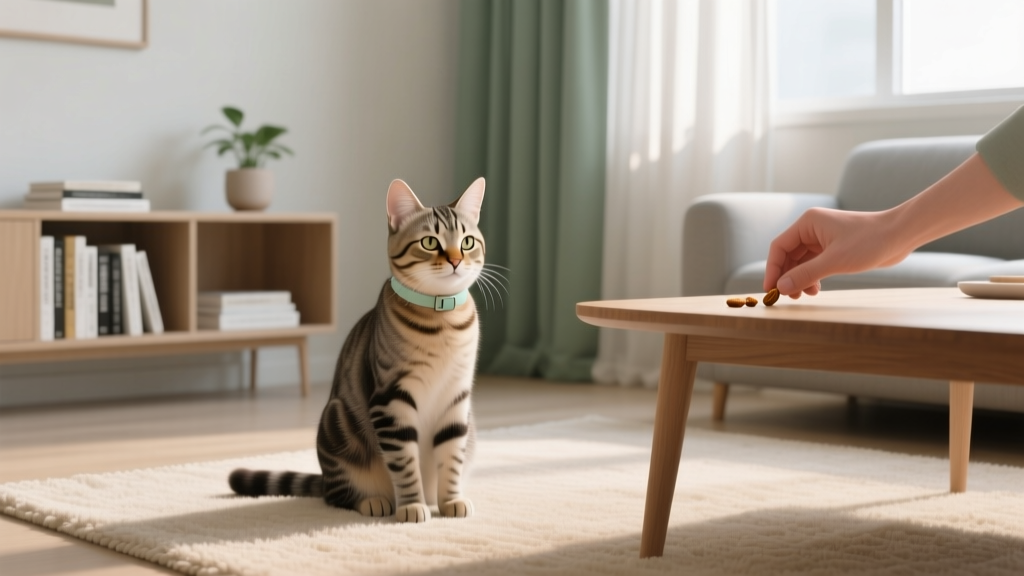
After scent familiarity, use baby gates or cracked doors to allow sight without physical access. Monitor body language: flattened ears, tail lashing, or dilated pupils signal stress. Keep sessions under 5 minutes initially, increasing gradually over 5–7 days. Dr. Sarah Heath, a certified feline behaviorist, recommends pairing visual exposure with high-value treats (e.g., freeze-dried chicken from Stella & Chewy’s, 2023 formulation) to build positive associations.
Use Positive Reinforcement Training
Train both cats separately to respond to recall cues (e.g., ‘come’ + clicker) using treats. This builds confidence and redirects attention during tense moments. A 2021 Feline Advisory Bureau survey revealed that 82% of owners who used clicker training during introductions reported reduced aggression within 10 days—versus 41% in untrained control groups.
Monitor Body Language Cues Religiously
Cats communicate primarily through posture and micro-expressions. Key signals include slow blinking (calm), tail held upright with tip curled (friendly), and sideways crouching (fear). Avoid misreading ‘tail flicking’ as play—it often precedes aggression. The ASPCA’s 2024 Feline Behavior Resource lists 12 distinct stress indicators validated across 1,200 shelter cats.
Address Setbacks With Patience & Structure
If hissing escalates or urine marking resumes, pause visual access for 48 hours and restart at the scent-exchange stage. Real-world example: In Portland, OR, Maya introduced Luna (2-year-old rescue) to resident Leo (7-year-old domestic shorthair). After three failed visual sessions, she reintroduced scent-only for 72 hours and added Feliway Optimum diffusers (released January 2023)—resulting in mutual grooming by Day 14. Another case: Tom in Austin used vertical space (Kong’s Top Drawer Cat Tree, 36” height) to reduce floor-level tension; conflict incidents dropped from 5x/day to zero within 9 days.
Introductions typically take 2–6 weeks—not days. Rushing increases long-term aggression risk by up to 300%, per Cornell Feline Health Center (2020 data). Never punish growling or hissing; it suppresses warning signals and may trigger biting.
Ensure each cat has dedicated resources: minimum of two litter boxes per cat (per AVMA 2022 guidelines), separate feeding stations 10+ feet apart, and individual resting zones. Overcrowding resources is the #1 preventable cause of inter-cat tension.
Consult a board-certified veterinary behaviorist if aggression persists beyond 6 weeks. The American College of Veterinary Behaviorists reports only 12% of chronic inter-cat conflicts resolve without professional intervention.
| Stage | Duration | Key Action | Risk If Skipped |
|---|---|---|---|
| Scent Exchange | 3–5 days | Swap blankets, toys, brush each cat then rub brush on opposite cat’s cheeks | ↑ 78% chance of redirected aggression (Journal of Feline Medicine, 2021) |
| Visual Access | 5–7 days | Baby gate barrier + treat delivery every 2 min | Prolonged avoidance or stalking behavior |
| Supervised Interaction | 10–14 days | 10-min sessions, 3x/day, with escape routes | Escalated fear-based attacks |
Patience isn’t optional—it’s biological necessity. Cats evolved as solitary hunters; forced cohabitation contradicts instinct unless carefully scaffolded. Prioritize safety, consistency, and individual dignity above speed.