How to Interpret Cat Behavior
Why Misreading Your Cat Isn’t Just Confusing—It’s Costing You Trust, Safety, and Peace
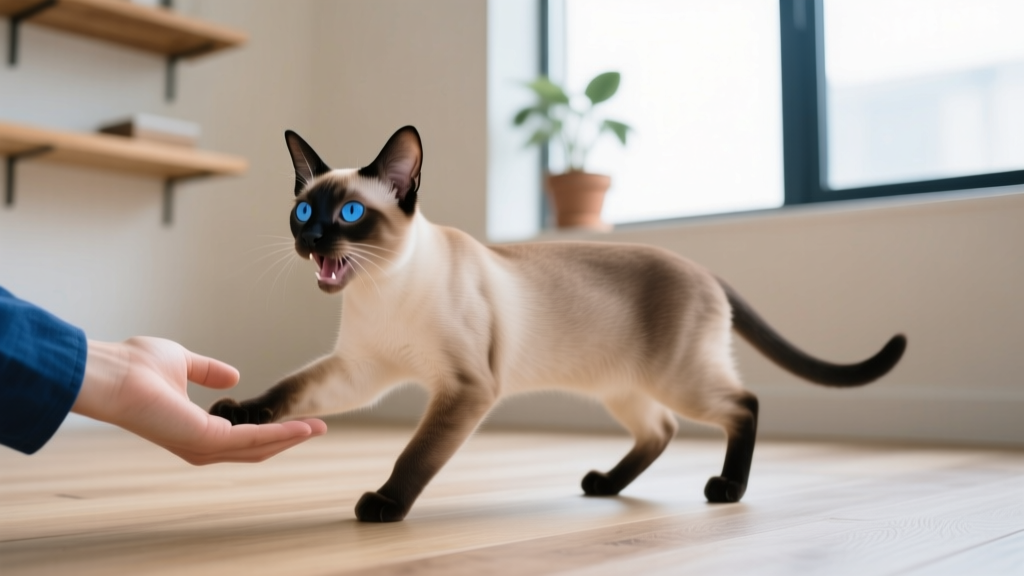
If you’ve ever wondered, "How to interpret cat behavior" when your usually affectionate cat suddenly swats at your hand, hides for days after a visitor leaves, or stares intently at an empty corner—this isn’t mysticism. It’s miscommunication. Cats don’t speak human, but they broadcast constantly: through ear position, tail flicks, pupil dilation, even the rhythm of their purr. And when we miss those signals, we risk escalating stress, triggering aggression, overlooking early illness signs, or unintentionally reinforcing fear-based habits. In fact, a 2023 study in Applied Animal Behaviour Science found that 68% of cats surrendered to shelters exhibited behavior problems rooted in chronic misinterpretation—not 'bad temperament.' The good news? With just 15 minutes of focused observation and evidence-based decoding, you can transform confusion into clarity—and deepen your bond in ways that improve both your well-being and theirs.
Your Cat’s Body Language: Reading the 5 Key Signal Systems
Cats communicate across five overlapping sensory channels—posture, ears, eyes, tail, and vocalization—and each tells a story only when viewed together. A slow blink isn’t just ‘cute’; it’s a deliberate trust signal. A twitching tail tip isn’t ‘playful’—it’s the first warning before overstimulation. Dr. Sarah Wooten, DVM and certified feline behavior specialist, emphasizes: "Cats rarely use one cue in isolation. If the tail is low but the ears are forward and pupils are constricted, that’s curiosity—not fear. But if the tail is low, ears are flattened, and pupils are dilated? That’s acute anxiety, and intervention is needed."
Here’s how to decode each system:
- Ears: Forward and upright = engaged curiosity; swiveling independently = environmental scanning; flattened sideways or backward = fear, pain, or defensive readiness (not always aggression—often a plea for space).
- Eyes: Slow blinks = affection and safety; wide-open with dilated pupils = arousal (could be excitement, fear, or pain); half-closed or squinting = relaxation—or, if persistent, ocular discomfort or systemic illness.
- Tail: Upright with quiver = greeting joy; gently curved like a question mark = friendly invitation; puffed and low = fear or defensiveness; rapid side-to-side flick = rising frustration (‘I’m done’).
- Posture: Crouched low with tucked legs = hiding from threat; stretched out belly-up = deep trust (not an invitation to rub—many cats tolerate this but feel vulnerable); arched back + sideways stance = defensive display (often mistaken for play).
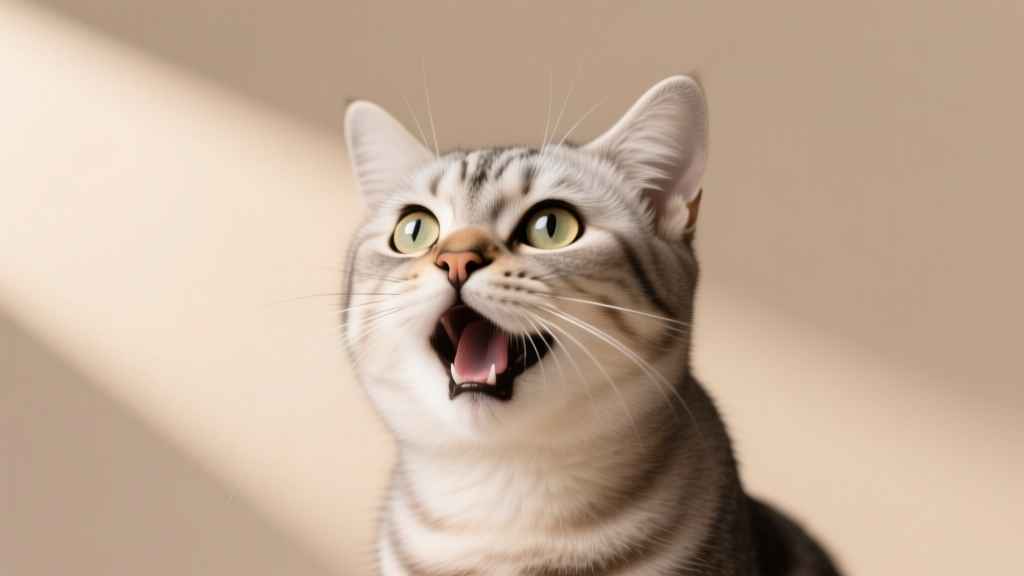
- Vocalization: Purring doesn’t always mean contentment—it occurs during labor, injury, and vet visits as a self-soothing mechanism. Chirps and chatters often signal frustrated hunting instinct—not hunger. A low, guttural growl paired with flattened ears means ‘back off now.’
The Context Rule: Why Location, Timing & History Change Everything
Two identical tail flicks can mean opposite things depending on context. A tail flick while your cat watches birds through the window is predatory focus. The same flick while you’re petting her mid-back? That’s overstimulation—and ignoring it may lead to a bite. Context includes three layers:
- Environmental triggers: New furniture, loud appliances, outdoor cats visible through windows, or even changes in lighting can shift baseline behavior.
- Temporal patterns: Does the yowling happen only at 3 a.m.? That could indicate cognitive decline in senior cats (feline dementia), not attention-seeking. Is the litter box avoidance sudden or gradual? Sudden onset suggests pain (UTI, arthritis); gradual may reflect substrate aversion or location issues.
- Individual history: A rescue cat with past trauma may freeze instead of fleeing—a survival strategy misread as ‘calm.’ A kitten raised without litter box modeling may never grasp elimination etiquette without gentle, consistent retraining—not punishment.
A real-world case: Luna, a 4-year-old domestic shorthair, began urinating outside her box after her owner installed smart-home lights. Her vet ruled out UTI, but a behaviorist observed Luna flinching at the sudden light bursts at night. Reverting to motion-sensor nightlights reduced incidents by 92% in 10 days. Context wasn’t just helpful—it was diagnostic.
Decoding Stress: The Silent Signals Most Owners Overlook
Cats mask distress masterfully. Unlike dogs, they rarely whine, pace, or beg. Instead, they show subtle, cumulative stress markers that escalate silently—until they erupt as aggression, inappropriate elimination, or overgrooming (leading to bald patches). According to the International Society of Feline Medicine (ISFM), chronic low-grade stress is linked to feline interstitial cystitis (FIC), inflammatory bowel disease (IBD), and even diabetes.
Watch for these under-the-radar stress indicators:
- Micro-freezing: Brief, full-body stillness lasting 2–5 seconds when approached—even if followed by normal activity.
- Excessive grooming of one area: Especially inner thighs, belly, or base of tail—often linked to anxiety or pain.
- Changes in sleep architecture: Sleeping more than 18 hours/day *plus* restlessness at night (pacing, vocalizing) can signal pain or cognitive dysfunction.
- Resource guarding: Sitting beside—but not using—the food bowl, water fountain, or litter box, signaling insecurity about access.
- “Ghosting”: Disappearing for >24 hours after household changes (e.g., guests, renovations), then returning withdrawn or hyper-vigilant.
Pro tip: Keep a 7-day ‘Behavior Log’ (pen-and-paper or app-based) noting time, location, trigger (if any), observed signals, and your response. Patterns emerge within a week—and often reveal root causes invisible in real time.
What Your Cat’s “Weird” Habits Really Mean (And When to Worry)
From kneading blankets to bringing you dead bugs, many behaviors puzzle owners. Here’s what science says—and when red flags appear:
- Kneading (“making biscuits”): A neonatal comfort behavior tied to nursing. In adults, it signals deep relaxation and security. Red flag: Kneading accompanied by excessive vocalization or licking fabric obsessively—may indicate anxiety or nutritional deficiency.
- Bringing you ‘gifts’ (dead or toy prey): Not guilt or training—it’s an inclusive hunting ritual. Your cat sees you as an inept but beloved clan member and is trying to teach or feed you. Red flag: Sudden onset in older cats, especially with lethargy—can indicate cognitive decline or vision loss prompting increased ‘hunting’ indoors.
- Staring blankly at walls/ceilings: Often auditory tracking (high-frequency sounds humans can’t hear—rodents, insects, electrical hums). Red flag: Staring + head pressing, disorientation, or circling—immediate vet consult for neurological workup.
- Sucking on wool or fabric: Linked to early weaning or breed predisposition (especially Siamese, Burmese). Usually harmless unless causing GI obstruction. Red flag: Onset after age 5 with weight loss—rule out pica from nutrient deficiency or GI disease.
| Signal | Most Likely Meaning | Immediate Action | When to Consult a Vet or Behaviorist |
|---|---|---|---|
| Low, rapidly swishing tail + flattened ears | Acute fear or defensive readiness | Stop interaction. Create escape route. Lower your height. Speak softly or stay silent. | If recurring daily without clear trigger—or paired with hiding, appetite loss, or aggression toward people/pets. |
| Purring + tense body + dilated pupils | Self-soothing during pain or distress | Minimize handling. Observe for limping, vocalizing on movement, or reluctance to jump. | Within 24 hours—purring ≠ wellness. Rule out dental pain, arthritis, or internal inflammation. |
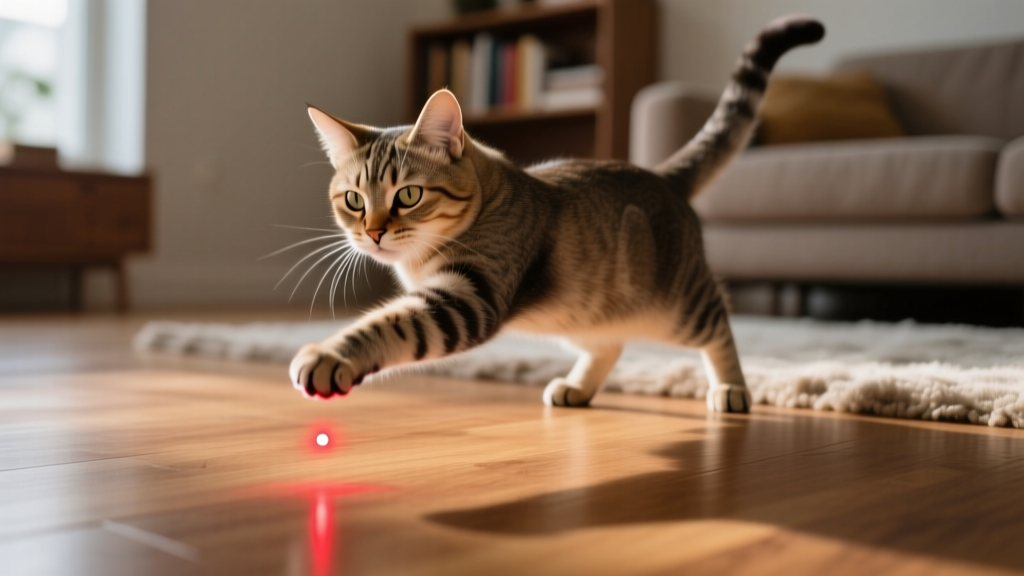
| Chattering at windows + wide eyes + crouched posture | Frustrated hunting instinct (prey drive) | Redirect with interactive play (feather wand, laser pointer *followed by tangible reward*). | If chattering escalates to aggression toward windows, mirrors, or people—or if cat stops eating after seeing prey. |
| Overgrooming one patch (e.g., inner thigh) + hair loss | Anxiety or localized pain (allergy, skin infection, arthritis) | Check skin for redness, scabs, or fleas. Block access temporarily with soft collar or onesie. | Within 48 hours—chronic overgrooming causes irreversible damage and indicates significant underlying issue. |
| Sudden litter box avoidance (outside box, on carpet) | Medical issue (90% of first-time cases) OR aversion (cleanliness, location, type of litter) | Thoroughly clean soiled areas with enzymatic cleaner. Offer 2nd box in quiet location with unscented clumping litter. | Immediately—rule out UTI, kidney disease, or constipation before assuming behavioral cause. |
Frequently Asked Questions
Do cats really hold grudges when I scold them?
No—they don’t process punishment the way humans or dogs do. Scolding (yelling, spraying water, tapping nose) only teaches your cat that *you* are unpredictable or threatening. What looks like a ‘grudge’ is actually learned avoidance: your cat associates your presence with fear, so they hide or freeze. Positive reinforcement (treats for calm behavior near you) rebuilds safety faster than any apology.
Why does my cat stare at me and then look away slowly?
This is a profound sign of trust—called a ‘cat kiss.’ In feline social structure, direct prolonged eye contact is a challenge or threat. A slow blink followed by looking away signals, ‘I see you, and I am not afraid.’ Return the gesture: soften your gaze, blink slowly, and pause. Many cats will blink back—confirming mutual respect.
Is it true that cats don’t love their owners like dogs do?
False—and outdated. A landmark 2019 study at Oregon State University used the ‘secure base test’ (used for human infants and dogs) and found that 64.3% of cats showed secure attachment to their owners—comparable to children and dogs. Cats express love differently: through proximity, scent rubbing, slow blinking, and following you room-to-room—not through exuberant greetings. Their love is quieter, but no less deep.
My cat used to be cuddly, but now avoids me. Did I do something wrong?
Not necessarily—but something changed. Sudden withdrawal is almost always a symptom, not a choice. Causes range from undiagnosed pain (dental, arthritis, hyperthyroidism) to environmental stressors (new pet, construction noise, even your perfume change). Start with a full veterinary exam—including bloodwork and orthopedic check—before assuming behavioral causes. Never assume ‘they’ll come around.’
Can I train my cat to stop scratching furniture?
Yes—but not by punishment. Scratching is essential for claw maintenance, stretching, and scent marking. Redirect, don’t suppress: place sturdy, vertical scratching posts *next to* the furniture they target, sprinkle with catnip, and reward use with treats. Cover the furniture temporarily with double-sided tape or aluminum foil (textures cats dislike). Consistency over 2–3 weeks reshapes the habit.
Common Myths About Cat Behavior
Myth #1: “Cats are aloof and don’t care about people.”
Reality: Neuroimaging studies show cats process human voices in the same brain regions as dogs—and respond more strongly to their owner’s voice than strangers’. Their independence reflects evolutionary survival strategy, not emotional detachment. They choose connection on their terms, not yours.
Myth #2: “If my cat is eating and playing, they can’t be stressed or sick.”
Reality: Cats are masters of masking illness. Up to 70% of cats with early-stage kidney disease or dental pain maintain normal appetite and activity—until symptoms become severe. Behavioral shifts (even subtle ones) are often the *first* and *most reliable* indicators of trouble.
Related Topics (Internal Link Suggestions)
- Feline Stress Reduction Techniques — suggested anchor text: "how to reduce cat stress at home"
- Understanding Cat Body Language Charts — suggested anchor text: "cat body language infographic"
- When to See a Veterinary Behaviorist — suggested anchor text: "certified cat behaviorist near me"
- Litter Box Training Troubleshooting — suggested anchor text: "why is my cat peeing outside the litter box"
- Cat Enrichment Ideas for Indoor Cats — suggested anchor text: "indoor cat enrichment activities"
Conclusion & Next Step: Turn Observation Into Connection
Learning how to interpret cat behavior isn’t about becoming a mind reader—it’s about becoming a fluent listener. Every flick of an ear, pause in breathing, or shift in weight carries meaning. And when you respond accurately—not with assumptions, but with empathy and evidence—you build a relationship grounded in mutual safety and respect. Your next step? Pick *one* signal from this guide—like slow blinking or tail position—and observe your cat for just 5 minutes today. Note what happens before and after. Then, share your observation in our free Cat Behavior Journal (downloadable PDF) to track patterns and get personalized insights. Because the most powerful tool you have isn’t a treat or a toy—it’s your attention, applied with curiosity and care.