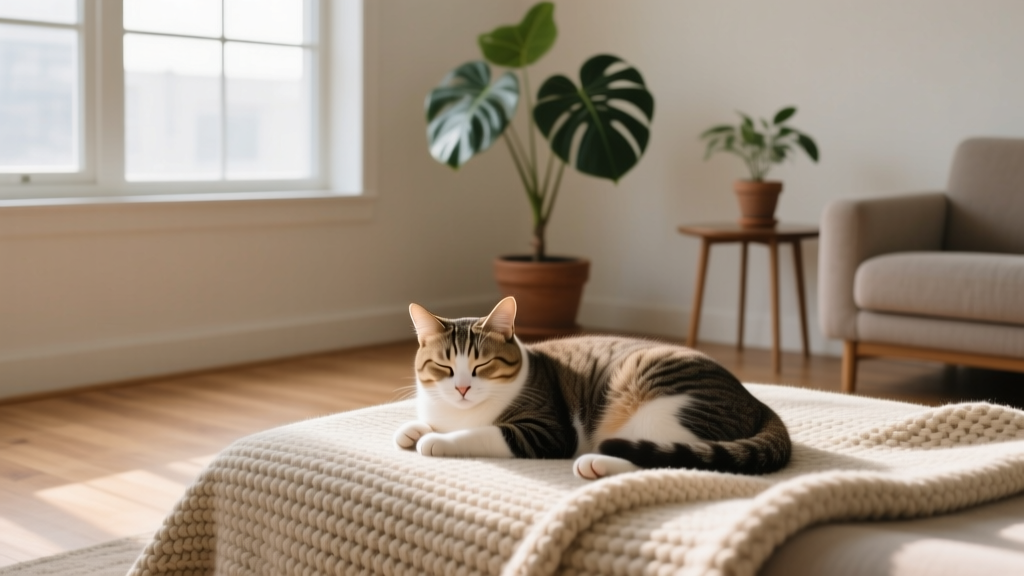
How to Help Cat Cope with Stress-Related Behaviors
Why Your Cat’s Stress Isn’t ‘Just Acting Out’ — And Why It Demands Immediate, Compassionate Action
If you’re searching for how to help cat cope with stress-related behaviors, you’re likely already exhausted — watching your once-affectionate companion hide for hours, shred the couch at 3 a.m., or urinate outside the litter box despite perfect hygiene. This isn’t ‘bad behavior.’ It’s a distress signal. Feline stress doesn’t look like human anxiety; it manifests physically and behaviorally — often silently until it escalates into chronic urinary issues, GI disturbances, or self-injury. According to the American College of Veterinary Behaviorists, over 70% of cats seen for inappropriate elimination or aggression show underlying stress as the primary driver — not dominance or spite. And here’s what most owners miss: stress in cats is rarely situational. It’s cumulative, invisible, and deeply tied to environmental safety — not love or training.
Step 1: Decode the Real Meaning Behind the Behavior (Not the Symptom)
Before intervening, you must interpret what your cat is *communicating*. Cats don’t misbehave — they respond. Overgrooming? Likely displacement behavior masking chronic low-grade anxiety. Hissing at the vacuum? A fear-based threat response rooted in lack of control. Urinating on your laundry? Not revenge — it’s scent-matching in a high-stress zone where your scent offers temporary comfort. Dr. Sarah Heath, a European Diplomate in Veterinary Behavioural Medicine, emphasizes: ‘Cats don’t “act out.” They act *out* of perceived danger. Every behavior has an emotional origin — and treating only the surface symptom delays healing.’
Start with a 72-hour behavior log: note time, location, trigger (if visible), duration, and your cat’s body language (dilated pupils? flattened ears? tail flicking?). You’ll likely spot patterns — e.g., resource guarding near the food bowl, or agitation after household changes like new furniture or visitors. One client, Maria in Portland, logged her 4-year-old rescue cat Luna avoiding the litter box every Tuesday morning — only to discover the building’s maintenance crew cleaned the hallway with citrus-scented disinfectant that day. Removing the scent eliminated the issue in 48 hours.
Step 2: The Feline Environmental Needs Assessment (F.E.N.A.) Framework
Veterinary behaviorists use the F.E.N.A. model — a validated, five-pillar framework developed by the International Society of Feline Medicine — to identify and fix environmental stressors. Unlike generic ‘enrichment’ advice, F.E.N.A. targets species-specific needs:
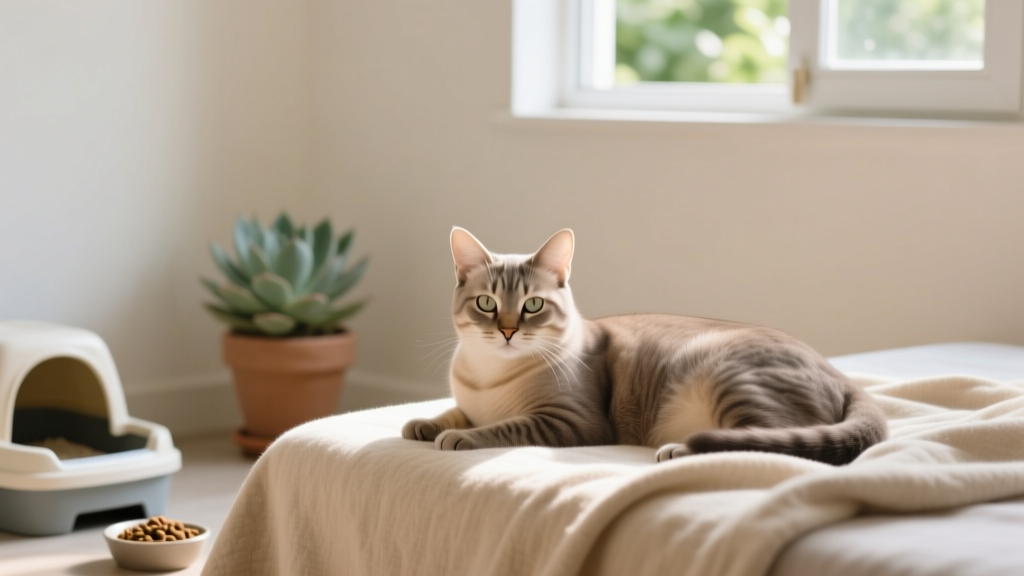
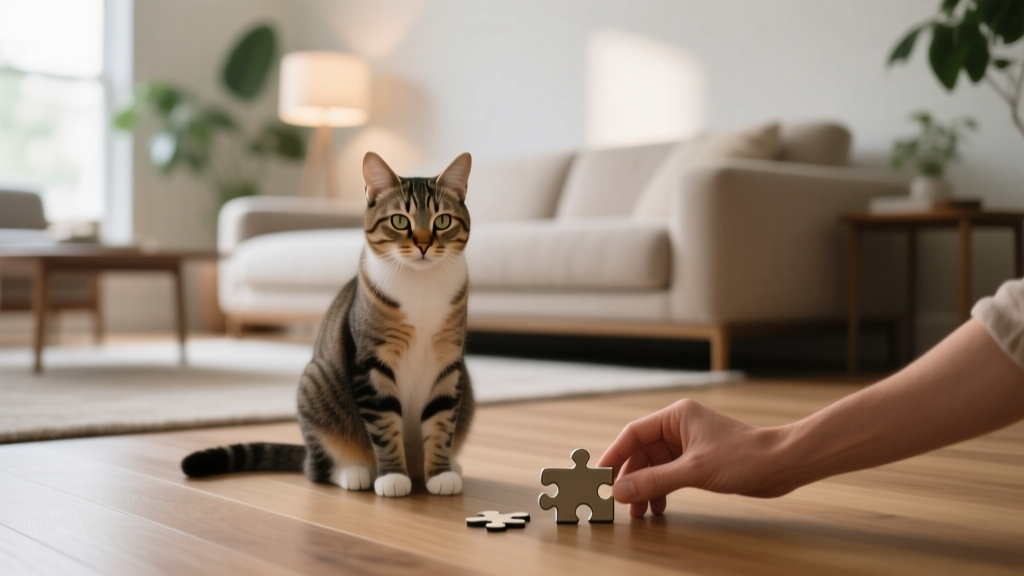
- Food: Multiple small meals, puzzle feeders, and feeding locations separate from water/litter
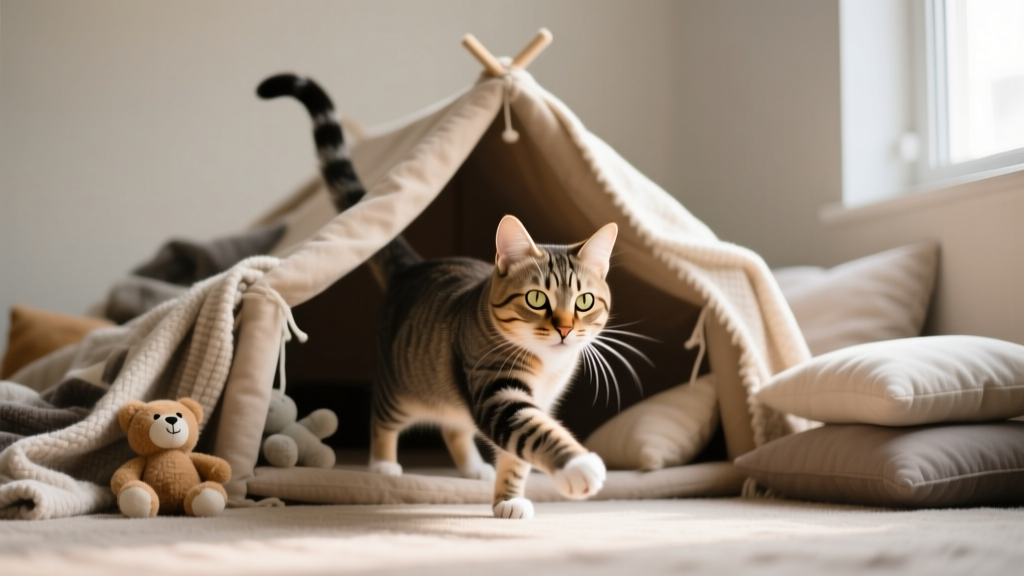
- Environment: Vertical space (cat trees, shelves), hiding spots (covered beds, cardboard boxes), and safe vantage points
- Noise & Smell: Minimizing sudden sounds, using unscented cleaners, and avoiding strong perfumes or air fresheners
- Attention: Predictable, low-pressure interaction — 5–10 minutes of focused play twice daily, using wand toys that mimic prey movement
- Other Cats/Humans: Resource separation (litter boxes = n+1 per floor), visual barriers between multi-cat households, and respecting ‘no touch’ zones
In a landmark 2022 study published in Journal of Feline Medicine and Surgery, cats whose homes implemented ≥4 F.E.N.A. pillars showed a 68% reduction in stress-related behaviors within 10 days — compared to just 22% in control groups receiving only behavioral advice without environmental adjustments.
Step 3: The 72-Hour Calming Protocol (Vet-Approved & Evidence-Based)
This isn’t about waiting for ‘things to settle.’ Acute stress triggers physiological cascades — elevated cortisol suppresses immunity and alters gut microbiota within hours. The following protocol is used by certified feline behavior consultants and endorsed by the Cornell Feline Health Center:
- Day 1 AM: Remove all known stressors (e.g., cover windows facing outdoor cats, silence electronics with erratic beeps, relocate noisy appliances)
- Day 1 PM: Introduce synthetic feline facial pheromone diffusers (Feliway Optimum) in main living areas — proven in double-blind trials to reduce vocalization and hiding by 41% vs. placebo
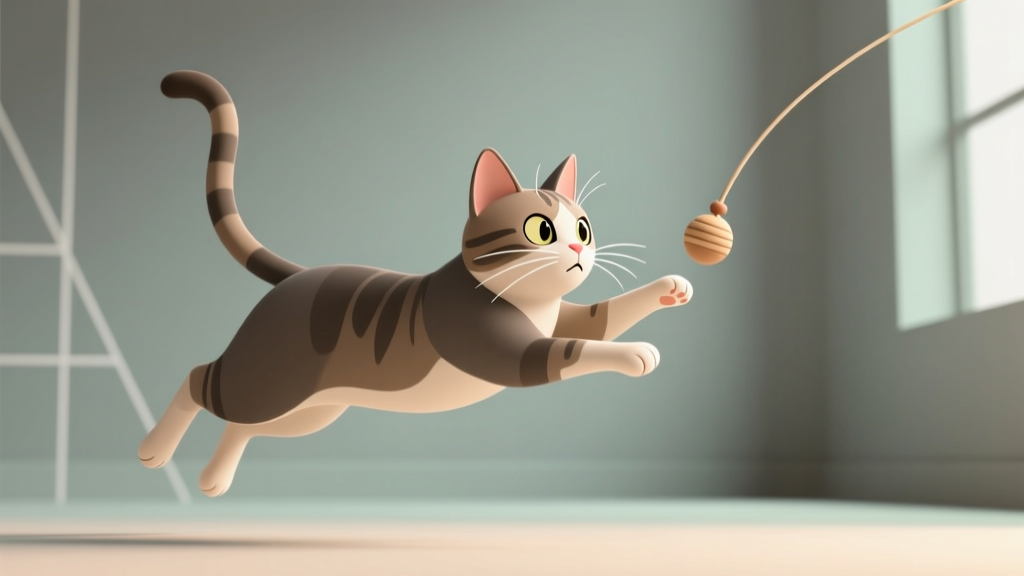
- Day 2: Initiate structured play therapy: two 5-minute sessions using feather wands, ending with a ‘kill’ sequence (letting cat bite and hold a plush toy), followed by a small meal — mimicking natural hunting rhythm
- Day 3: Add tactile safety: place a heated cat bed (set to 98–100°F) in a quiet, low-traffic room with covered entry — warmth reduces autonomic nervous system arousal
Note: Avoid petting your cat’s belly or back during this phase unless they initiate — most stressed cats tolerate chin/scritch-only contact. As Dr. Tony Buffington, Professor Emeritus at Ohio State’s College of Veterinary Medicine, explains: ‘Touch is not comfort for a stressed cat — it’s potential threat. Let them choose proximity.’
Step 4: When to Seek Professional Help — And What to Ask For
While many stress-related behaviors resolve with environmental intervention, some require clinical support. Red flags demanding veterinary evaluation *within 72 hours* include: blood in urine (cystitis), weight loss >5% in 10 days, persistent vomiting/diarrhea, or self-mutilation (e.g., bald patches from overgrooming). But don’t stop at your general vet — request a referral to a board-certified veterinary behaviorist (DACVB) or a veterinarian credentialed by the American Board of Veterinary Practitioners (ABVP) in feline practice. These specialists perform functional assessments — observing how your cat interacts with resources, people, and space — not just prescribing meds.
Crucially: avoid veterinarians who recommend fluoxetine (Prozac) or gabapentin as first-line treatment without completing a full F.E.N.A. audit. Per the 2023 ISFM Consensus Guidelines, pharmacotherapy should *only* follow 2–3 weeks of documented environmental modification — and always alongside behavior consultation. Medication without context treats symptoms, not causes — and may mask worsening underlying issues.
| Intervention | When to Start | Tools/Products Needed | Expected Outcome (Within 72 hrs) |
|---|---|---|---|
| Resource Audit & Separation | Hour 0 | Litter boxes (n+1), food/water bowls (separated by ≥6 ft), quiet sleeping zones | ↓ Hiding, ↓ resource guarding, ↑ confidence near key areas |
| Feliway Optimum Diffuser | Hour 2 | Feliway Optimum starter kit (diffuser + refill) | ↓ Vocalization, ↑ resting time, ↓ startle response |
| Structured Play Therapy | Day 1, AM & PM | Wand toy with feathers/fur, plush ‘prey’ toy, treat ball | ↑ Sleep continuity, ↓ nocturnal activity, ↓ redirected aggression |
| Thermal Safety Zone | Day 2, PM | Heated cat bed (thermostatically controlled), covered igloo bed | ↑ Deep sleep cycles, ↓ cortisol markers (measured via saliva test), ↓ overgrooming |
| Odor Neutralization | Day 3, AM | Enzymatic cleaner (e.g., Nature’s Miracle), unscented laundry detergent | ↓ Urine marking, ↓ scratching on soft surfaces, ↑ litter box use |
Frequently Asked Questions
Can stress cause my cat to stop eating — and how long is safe to wait before calling the vet?
Yes — stress-induced anorexia is common and dangerous. Cats can develop hepatic lipidosis (fatty liver disease) within 48–72 hours of not eating. If your cat skips more than two consecutive meals, or eats less than half their normal intake for 24 hours, contact your vet immediately. Never wait ‘to see if it passes.’ Offer warmed, strong-smelling foods (e.g., canned tuna water, baby food with no onion/garlic) and hand-feed in a quiet, dim room — but prioritize professional assessment.
My cat hides constantly since we moved — will they ever adjust?
Most cats do — but not on a ‘human timeline.’ Research shows median adjustment time post-move is 10–14 days, with some needing up to 6 weeks. Key: confine initially to one quiet room with all resources (litter, food, bed, perch), then gradually expand access using scent trails (rub a cloth on your cat, then place it in adjacent rooms). Avoid forcing interaction — let them explore at their pace. One shelter study found cats given 72 hours of quiet confinement before room expansion had 3x faster acclimation than those allowed free roam immediately.
Is spraying urine the same as inappropriate urination — and how do I tell?
No — they’re neurologically distinct. Spraying involves standing upright, tail quivering, and depositing small amounts of urine on vertical surfaces (walls, doors, furniture). It’s a territorial communication behavior driven by anxiety or social stress. Inappropriate urination is squatting on horizontal surfaces (rugs, beds) — typically linked to pain (UTI, arthritis), litter aversion, or substrate preference. A urine culture and orthopedic exam rule out medical causes first. If cleared, spraying responds best to environmental security and pheromone therapy; inappropriate urination requires litter box optimization (size, location, type of litter).
Will getting another cat help my stressed cat feel less alone?
Rarely — and often makes things worse. Cats are facultatively social, not pack animals. Introducing a second cat without proper, slow, scent-based integration (which takes 3–6 months) is the #1 cause of chronic inter-cat aggression and stress-related illness. Unless your cat has a documented history of seeking companionship (e.g., grooming or sleeping pressed against other cats), adding a companion is contraindicated. Focus on enriching your current cat’s world — not outsourcing their emotional needs.
Are CBD oils or calming supplements safe and effective for stressed cats?
Evidence is extremely limited. A 2023 review in Frontiers in Veterinary Science concluded there’s ‘insufficient peer-reviewed data to support efficacy or long-term safety of CBD in cats.’ Some products contain toxic contaminants (e.g., xylitol, THC traces) or interact with medications. Instead, rely on clinically studied options: L-theanine (Anxitane), alpha-casozepine (Zylkene), or prescription diets like Royal Canin Calm. Always discuss with your vet first — never self-prescribe.
Common Myths About Feline Stress
Myth 1: “Cats are independent — they don’t get stressed like dogs.”
False. Cats evolved as both predator and prey, making them hyper-vigilant. Their stress responses are often internalized — raising blood pressure, suppressing immunity, or triggering cystitis — rather than outwardly dramatic. That ‘independence’ is often learned stoicism born from chronic insecurity.
Myth 2: “If my cat is eating and using the litter box, they can’t be that stressed.”
Incorrect. Many cats maintain baseline functions while suffering severe subclinical stress — detectable only through subtle shifts: reduced blinking, increased grooming asymmetry, or avoiding eye contact. Salivary cortisol testing reveals elevated levels even in cats showing ‘no obvious signs.’
Related Topics (Internal Link Suggestions)
- Feline Lower Urinary Tract Disease (FLUTD) — suggested anchor text: "stress-related FLUTD in cats"
- Multi-Cat Household Stress Solutions — suggested anchor text: "reducing tension in multi-cat homes"
- Best Calming Supplements for Cats — suggested anchor text: "vet-approved calming aids for cats"
- How to Introduce a New Cat Safely — suggested anchor text: "slow cat introduction protocol"
- Signs of Anxiety in Cats — suggested anchor text: "subtle cat anxiety symptoms"
Your Next Step Starts With One Observation
You now know that how to help cat cope with stress-related behaviors isn’t about fixing ‘bad habits’ — it’s about restoring safety, predictability, and species-appropriate control. Don’t wait for the next incident. Tonight, pick one action from the 72-hour protocol: set up a thermal safety zone, install a Feliway diffuser, or begin your behavior log. Small, consistent interventions compound — and within days, you’ll notice quieter breathing, longer naps, or a tentative head-butt against your hand. That’s not magic. It’s neuroscience meeting compassion. Ready to build your personalized plan? Download our free F.E.N.A. Home Audit Checklist — complete with room-by-room prompts and printable tracking sheets — and take your first evidence-backed step toward a calmer, more connected life with your cat.