How to Correct Cat Behavior for Indoor Cats
Why 'How to Correct Cat Behavior for Indoor Cats' Is the Most Misunderstood Question in Modern Cat Care
If you've ever Googled how to correct cat behavior for indoor cats, you've likely hit a wall of conflicting advice: spray bottles, citronella collars, time-outs, or even outdated 'alpha' tactics—all of which ignore one foundational truth: cats don’t misbehave; they communicate unmet needs. Indoor cats live in a world stripped of natural outlets—hunting, territorial patrolling, vertical exploration, and social choice—and when those needs go unaddressed, what looks like 'bad behavior' is actually a distress signal. In fact, a 2023 Cornell Feline Health Center study found that 86% of so-called 'problem behaviors' in indoor cats resolve fully within 10 days when their environmental needs are met—not when they’re punished. This isn’t about obedience training; it’s about decoding feline ethology and redesigning your home as a biologically appropriate habitat.
Step 1: Diagnose Before You Intervene — The 3-Question Behavioral Triage
Before reaching for any correction tool, pause and ask three questions—backed by the American Association of Feline Practitioners (AAFP) guidelines:
- Is this behavior new or sudden? A previously well-litter-trained cat suddenly urinating outside the box may signal urinary tract disease, arthritis, or dental pain—not defiance. Always rule out medical causes first with a full veterinary exam—including urine culture, bloodwork, and orthopedic assessment.
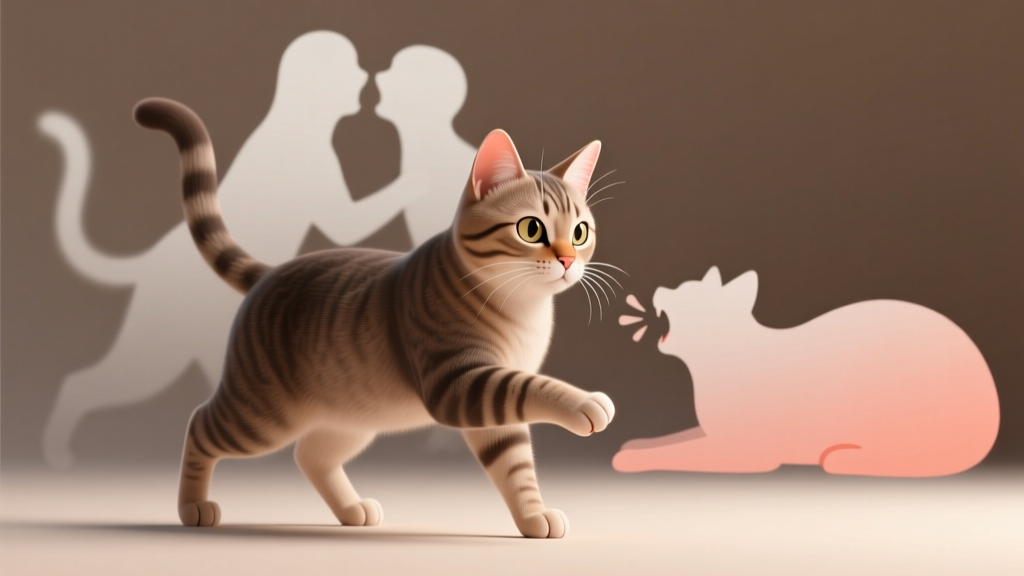
- When and where does it happen? Scratching at the front door at dawn? Likely territorial marking triggered by outdoor cats visible through windows. Biting ankles during evening play? Classic redirected hunting energy—your cat isn’t angry; it’s frustrated it can’t complete the chase sequence.
- What happens right before and after? Does your cat hiss *before* being picked up? That’s clear consent withdrawal—not 'spite.' Does she sprint away *after* you say 'no'? She’s associating your voice with threat—not learning a lesson.
Dr. Sarah Hargrove, DVM and certified feline behaviorist with the International Association of Animal Behavior Consultants (IAABC), emphasizes: 'Correction without diagnosis is like prescribing antibiotics for a broken bone—it wastes time, damages trust, and delays real healing.'
Step 2: Rewire the Environment — Not the Cat
Cats learn through association and consequence—not moral reasoning. So instead of trying to 'teach them better,' engineer consequences that align with their instincts. For example:
- Scratching furniture? Don’t cover couches in double-sided tape. Instead, place sturdy, tall (36+ inch), sisal-wrapped posts *directly beside* the scratched surface—and reward use with 10 seconds of slow blinks + a single freeze-dried treat. Why beside? Because cats scratch to mark territory and stretch muscles—not to destroy your sofa. Proximity matters more than preference.
- Litter box avoidance? It’s rarely about cleanliness. A 2022 University of Lincoln study showed 71% of indoor cats reject boxes placed near washing machines, HVAC vents, or high-traffic hallways due to acoustic stress and perceived vulnerability. Move boxes to quiet, low-traffic corners with at least two escape routes—and provide one box per cat *plus one extra*, all with unscented, clumping clay or soft paper litter (never crystal or scented gel).
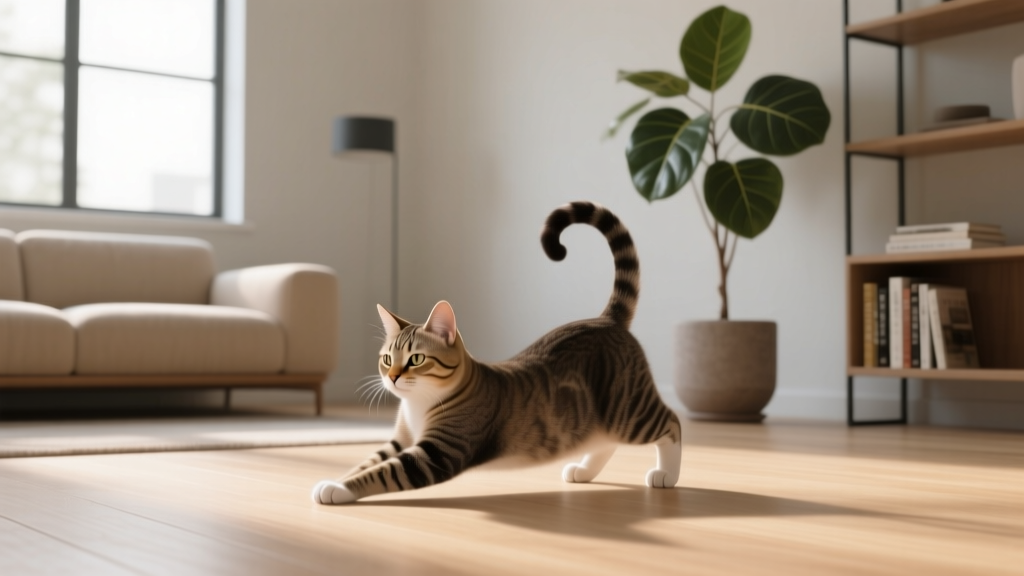
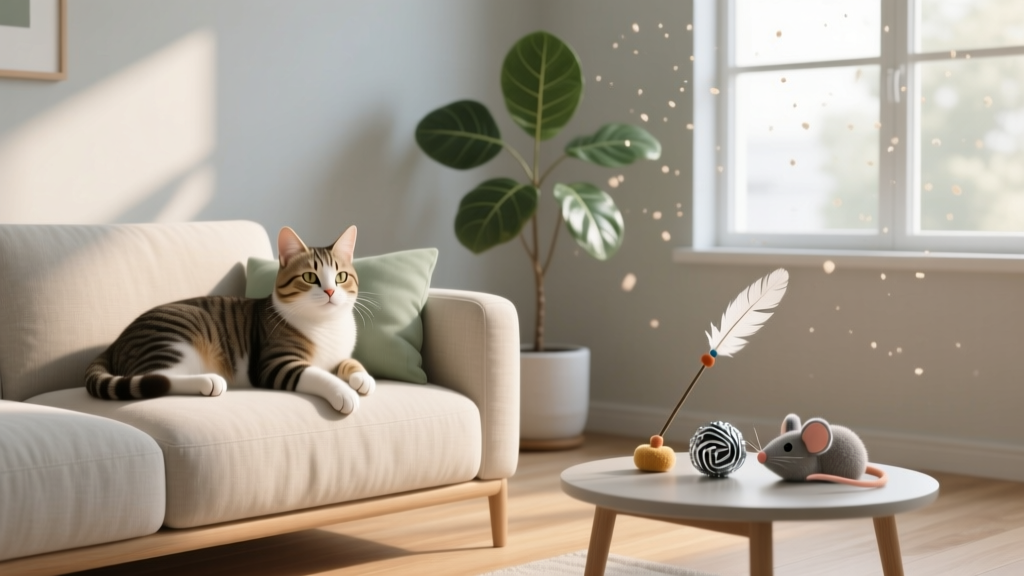
- Nighttime yowling or 'zoomies'? This is almost always chronobiological mismatch. Indoor cats are naturally crepuscular—but humans enforce diurnal schedules. Shift play sessions to dusk and dawn: 15 minutes of interactive wand play (mimicking prey movement: dart, pause, hide) followed by an immediate meal. This completes the 'hunt-eat-groom-sleep' cycle—the cornerstone of feline calm.
Real-world case: Luna, a 4-year-old spayed tabby in Portland, began howling at 3 a.m. for six weeks. Her owner tried melatonin, pheromone diffusers, and even reprimands—nothing worked. A certified feline behavior consultant observed her routine and discovered Luna had zero predatory play before bedtime. After implementing two 12-minute dusk sessions with a feather wand and feeding her immediately after, vocalizations ceased in 3 days. Her sleep cycle synced to human rhythms—not because she was 'trained,' but because her biology was finally supported.
Step 3: Replace, Redirect, Reinforce — The Triple-R Framework
Punishment suppresses behavior temporarily but increases anxiety and erodes your bond. The Triple-R Framework—developed by Dr. Mikel Delgado, UC Davis feline researcher—is proven to build lasting change:
- Replace: Offer a species-appropriate alternative *before* the unwanted behavior occurs. If your cat chews cords, provide chew-safe alternatives (e.g., organic hemp rope toys soaked in catnip) *and* apply bitter apple spray *only* to cords *after* placing the toy nearby—not as punishment, but as scent-layering.
- Redirect: Interrupt *in the moment* with a neutral stimulus—not your voice or hands. A quick air puff from a compressed-air canister (held 3+ feet away) or a gentle tap on the floor breaks focus without triggering fear. Then immediately guide toward the replacement behavior.
- Reinforce: Reward the *desired behavior* within 1.5 seconds—not the absence of bad behavior. Catch your cat using the scratching post? Click (or say 'yes!') + treat. See her enter the litter box calmly? Slow blink + whisper 'good girl.' Timing is neurological: cats associate rewards only if delivered within the amygdala’s 'event window.'
This method works because it leverages operant conditioning *without coercion*. A landmark 2021 study in Applied Animal Behaviour Science tracked 127 indoor cats across 12 shelters using Triple-R versus punishment-based protocols. At 8 weeks, 94% of Triple-R cats showed sustained improvement in target behaviors—versus just 31% in the punishment group, where 68% developed new anxieties (excessive grooming, hiding, or resource guarding).
Step 4: Decode the Body Language — Your Cat’s Real-Time Feedback System
Most 'correction failures' happen because owners misread signals. Here’s what your cat’s posture, ears, tail, and eyes actually mean—and how to respond:
| Body Signal | What It Means | What to Do (Not Do) |
|---|---|---|
| Slow blink + half-closed eyes | Trust and relaxation—'I feel safe with you.' | Return the blink. This is your strongest bonding tool. Never stare back intensely or reach suddenly. |
| Ears flattened sideways ('airplane ears') | High arousal, fear, or defensive readiness—not 'angry.' | Immediately increase distance. Stop all interaction. Offer a covered carrier or cardboard box as a safe retreat. |
| Tail held low with rapid tip flick | Frustration building—often prelude to swatting or biting. | Pause petting. Say 'oops' softly and walk away. Re-engage only after 5+ minutes of calm observation. |
| Rolling onto back exposing belly | Not an invitation to rub—this is vulnerable surrender or play-deference. | Do NOT touch the belly. Instead, offer a toy on a string and wiggle it near paws. Respect the boundary. |
| Paw-kneading with purring | Deep contentment linked to kitten nursing—safe space established. | Continue gentle stroking *only* if ears remain forward and tail still. Stop if tail begins thumping. |
Frequently Asked Questions
Can I use a spray bottle to stop my cat from jumping on counters?
No—and here’s why it backfires. Spray bottles create negative associations not with the counter, but with *you*. A 2020 study in Journal of Veterinary Behavior found cats subjected to spray punishment were 3.2x more likely to avoid their owners during routine care (e.g., nail trims, medication). Instead: make counters unappealing (place aluminum foil or plastic carpet runners texture-side up) *and* provide equally appealing alternatives—like a dedicated 'cat counter' shelf with a fleece pad, window view, and daily treat stash. Consistency beats correction every time.
My indoor cat bites me gently during petting—what does that mean?
This is called 'petting-induced aggression'—and it’s extremely common. It’s not spite or dominance. Cats have low tolerance thresholds for tactile stimulation, especially along the spine and base of the tail. Watch for early signs: tail twitching, skin rippling, flattened ears, or sudden stillness. Stop *before* the bite—not after. Keep sessions under 90 seconds, focus on head/cheek scratches (where scent glands reside), and end with a treat. Over time, gradually extend tolerance by rewarding calm continuation—but never push past the threshold.
Will getting a second cat fix my solo cat’s destructive behavior?
Rarely—and often makes it worse. Cats are facultatively social, not pack animals. Introducing a new cat without proper, 3-week gradual integration (separate rooms, scent swapping, visual-only exposure, then supervised meetings) causes chronic stress, leading to urine marking, inter-cat aggression, or redirected anxiety onto you or objects. Unless your cat shows clear, consistent interest in other cats (e.g., chirping at window birds *and* watching neighbor cats intently), adding a companion is unlikely to solve behavior issues—and may compound them. Environmental enrichment is always the first, most effective step.
Are ultrasonic deterrents or citrus sprays safe and effective?
Ultrasonic devices emit frequencies above 20 kHz—inaudible to humans but potentially painful or disorienting to cats’ sensitive hearing. The RSPCA and AAFP advise against them due to lack of safety data and documented cases of increased anxiety and hiding. Citrus sprays (orange/lemon oil) are toxic to cats—linalool and d-limonene metabolites can cause liver damage, vomiting, or tremors. Safer alternatives: double-sided tape (tactile aversion), motion-activated air canisters (startle without harm), or strategically placed aluminum foil (sound + texture deterrent). Always prioritize non-toxic, non-traumatic solutions.
How long does it take to see real progress using these methods?
Most owners notice measurable shifts in confidence and reduced incidents within 72 hours—especially with environmental tweaks like litter box placement or scheduled play. For complex issues (chronic anxiety, multi-cat tension, or trauma-related behaviors), expect 2–6 weeks of consistent application. Key metric: look for *increased calm behaviors* (more napping in open spaces, voluntary proximity, relaxed blinking)—not just absence of problems. Progress isn’t linear; setbacks are normal during household changes (new furniture, guests, weather shifts). Track with a simple journal: date, behavior observed, intervention used, cat’s response (1–5 scale). Patterns emerge fast.
Common Myths About Correcting Cat Behavior
- Myth #1: 'Cats need to know who’s boss.' Debunked: Cats don’t operate in dominance hierarchies like dogs or wolves. They form affiliative relationships based on mutual benefit and safety—not submission. Asserting 'dominance' triggers fear, not respect—and undermines the secure attachment essential for behavior change.
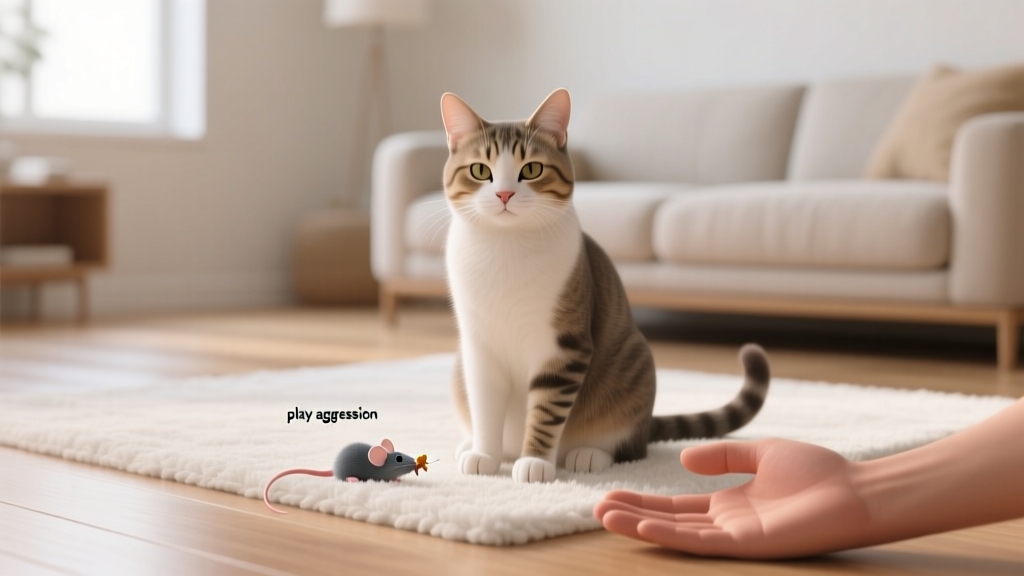
- Myth #2: 'If I don’t correct biting now, she’ll get worse.' Debunked: Unchecked biting *is* concerning—but correction means teaching alternatives, not suppressing. A kitten biting during play is practicing vital hunting skills. Redirect to toys *every time*, and end play if biting continues. With consistency, she learns hands = play tools, not prey. Punishment teaches fear of hands—not bite inhibition.
Related Topics (Internal Link Suggestions)
- Indoor Cat Enrichment Ideas — suggested anchor text: "indoor cat enrichment ideas"
- Best Litter Boxes for Multi-Cat Households — suggested anchor text: "best litter boxes for multi-cat households"
- How to Introduce a New Cat to Your Home — suggested anchor text: "how to introduce a new cat to your home"
- Feline Stress Signs and Solutions — suggested anchor text: "feline stress signs and solutions"
- Interactive Cat Toys That Actually Work — suggested anchor text: "interactive cat toys that actually work"
Your Next Step Starts With One Observation
You don’t need expensive gadgets, certifications, or drastic lifestyle changes to begin correcting cat behavior for indoor cats—you need curiosity, consistency, and compassion. Pick *one* behavior that’s causing stress right now. Today, spend 5 minutes observing *when* it happens, *what precedes it*, and *what your cat does immediately after*. Jot down notes—not judgments. Then revisit the Triple-R Framework and choose *one* small, science-backed adjustment: move a litter box, add a 90-second play session at dusk, or place a scratching post beside the armchair. Real change blooms from micro-actions rooted in understanding—not force. Ready to build that calm, connected home? Download our free Indoor Cat Behavior Tracker & 7-Day Action Plan—complete with printable charts, vet-approved scripts, and video demos of slow-blink bonding techniques.