Cat Paw Patting the Refrigerator Water Dispenser
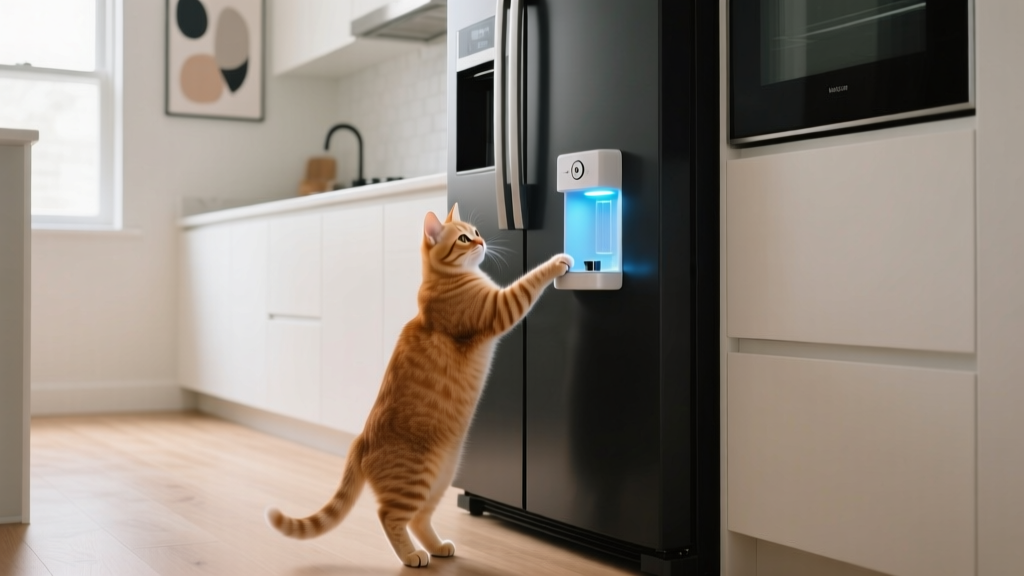
You’re in the kitchen, half-awake, reaching for a glass of water. The fridge hums quietly. Then you hear it: tap… tap-tap… tap. You turn and there’s your cat—focused, serious, and weirdly determined—patting the refrigerator water dispenser like it owes them money. Sometimes they stare at the little lever. Sometimes they pat the drip tray. Sometimes they bat at the stream as if it’s a tiny river that needs supervising. And of course, they look at you afterward with that expression that says, “I did a thing. Your move.”
If you’ve ever wondered whether your cat is thirsty, bored, brilliant, or plotting to flood your kitchen, you’re not alone. This behavior is common, and it’s a perfect little window into feline instincts: curiosity, hunting skills, and a lifelong fascination with moving water.
Why Cats Do This: The Science and Evolution Behind the Paw
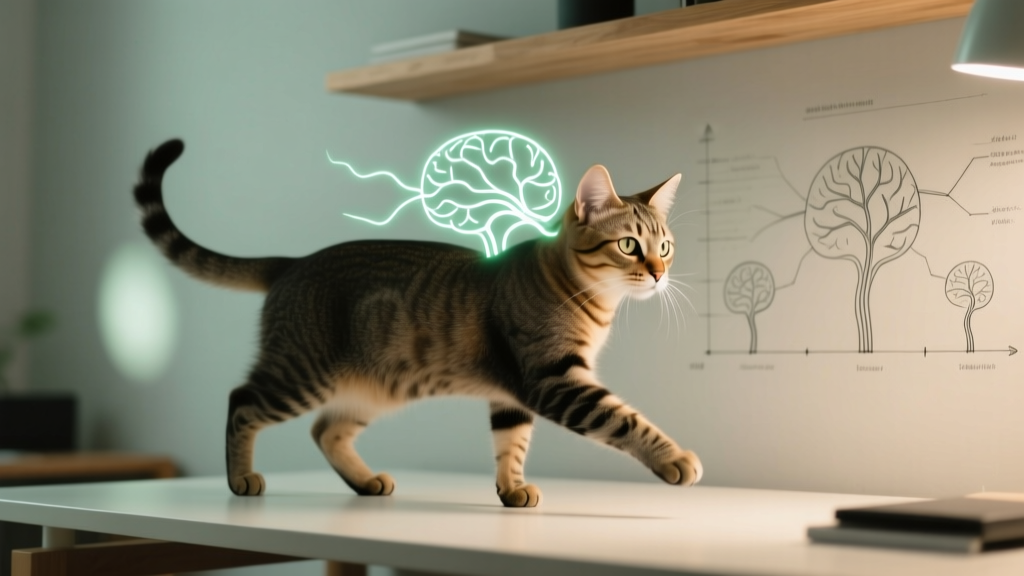
Cats come preloaded with a few “factory settings” that show up in the funniest places—like your refrigerator door. Paw patting the dispenser is a blend of ancient survival instincts and modern household engineering.
- Moving water feels safer. In the wild, stagnant water can carry more bacteria and parasites. Many animals, cats included, show a preference for water that moves because it’s more likely to be fresh. Your fridge dispenser, with its little trickle and drip sounds, can register as “fresh source found!”
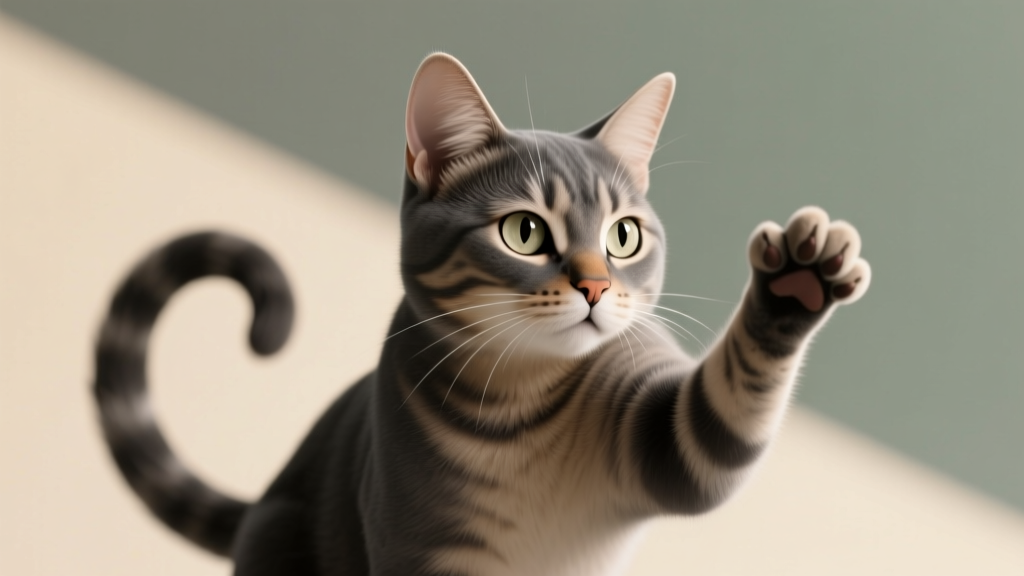
- They’re testing the environment. Cats investigate with paws the way we use hands. A paw is both a sensor and a tool—sensitive pads, retractable claws, and the ability to tap without fully committing. The dispenser is a fascinating “interactive object” that sometimes responds.
- Predatory instincts love movement. A drip is basically a tiny moving target. Movement triggers a cat’s attention system, even if they’re not hungry. It’s the same reason they stalk a dust mote in a sunbeam like it’s big game.
- Cause-and-effect learning is fun. Cats are excellent at discovering patterns. If they paw the lever and water appears (or you show up and make water appear), their brain files that away: “Paw thing = something happens.” That’s rewarding, even when the reward is simply your attention.
In short: your cat isn’t “being weird.” Your cat is being a cat—with a modern appliance as their enrichment toy.
A Detailed Breakdown: Different “Types” of Dispenser Patting
Not all dispenser-patting is the same. The context matters, and your cat’s version can tell you what they’re trying to accomplish.
1) The “I Want a Drink” Tap
This is the most straightforward: your cat approaches the dispenser with purpose, paws at the lever or the area where water comes out, and may lick the nozzle or try to catch drips. You’ll often see:
- Focused body posture, forward ears
- Sniffing the spout
- Repeated tapping in the same spot
- Following you closely if you walk away (because you are now the water assistant)
Common scenario: Your cat ignores their water bowl all day, then suddenly becomes a fridge-water connoisseur at 10 p.m. when you’re in pajamas.
2) The “Drip Hunter” Game
Some cats aren’t trying to drink at first—they’re trying to catch the water. If your dispenser drips or leaves tiny puddles in the tray, it becomes a hunting ground.
- Quick, playful paw swats
- Head tilts and intense staring at a single droplet
- Jumping back when water moves (then returning immediately, because courage is complicated)
Common scenario: Your cat hears you fill a cup, sprints in like it’s a dinner bell, and begins batting the leftover drips with Olympic-level enthusiasm.
3) The “Summon the Human” Button
Here, the dispenser is less about water and more about communication. If your cat has learned that pawing the dispenser makes you come over, they may do it for attention, play, or food.
- Looking back and forth between dispenser and you
- Meowing immediately after tapping
- Patting, then walking a few steps away as if to say “Follow me”
Common scenario: Your cat pats the dispenser, you stand up, and they lead you to the treat cabinet like this was the plan all along.
4) The “Sensory Curiosity” Investigation
Fridges make noises. The dispenser area may smell like water, plastic, metal, and whatever cup you used last. Cats are sensory scientists, and this is a small, fascinating laboratory.
- Slow, careful tapping
- Sniffing repeatedly
- Rubbing cheeks on the fridge edge afterward (marking it as part of their territory)
What It Means About Your Cat’s Mood and Feelings
Your cat’s emotional state shows up in their body language while they paw at the dispenser:
- Curious and engaged: Ears forward, relaxed tail, smooth movements. This is your cat enjoying a little enrichment.
- Playful: Bouncy posture, quick swats, maybe a sideways hop. They’re treating water as a toy.
- Frustrated: Repeated tapping with increasing intensity, vocalizing, tail flicking sharply. They want an outcome (water, attention) and aren’t getting it.
- Anxious or uncertain: Approaching slowly, flinching at sounds, crouching low. The dispenser noise may be startling, or they’re unsure if it’s “safe.”
- Persistent and problem-solving: Calm but determined tapping, watching for results. This is often a confident cat who enjoys puzzles.
Think of it like this: the dispenser is an interactive puzzle box, and your cat’s mood affects how they “play” with it.
Related Behaviors You Might Also Notice
Once you’ve seen dispenser patting, you’ll probably recognize the same instincts elsewhere:
- Paw-dipping in the water bowl before drinking (testing depth or movement)
- Drinking from the faucet or demanding you turn it on
- Batting at the toilet water (please close the lid—your future self will thank you)
- Playing with ice cubes like they’re slippery little prey
- Knocking cups over to watch water move (and to watch you react)
- Following you to the sink whenever you enter the bathroom, because water might happen
These behaviors often cluster in cats who are more curious, more playful, or simply more opinionated about hydration.
When It’s Normal (Most of the Time) vs. When to Be Concerned
For most cats, patting the refrigerator water dispenser is harmless curiosity or a learned “trick.” But pay attention to patterns—especially around thirst.
Normal signs
- Occasional tapping after you use the dispenser
- Playful swatting at drips
- Drinking normally from their usual water source too
- No other changes in appetite, litter box habits, or energy
Potential concern signs
- Sudden increase in thirst: more desperate water-seeking, draining bowls, pestering for water constantly
- More frequent urination or larger clumps in the litter box
- Weight loss despite normal eating
- Lethargy or behavior changes
- Pawing obsessively in a way that seems compulsive or prevents normal rest
Increased thirst can be linked to medical issues like diabetes, kidney disease, or hyperthyroidism. If the dispenser obsession comes with bigger drinking/peeing changes, schedule a vet visit. Your cat’s quirky habit might be the first clue that something’s off.
How to Respond (and Whether to Encourage It)
You don’t need to “train it out” of your cat unless it’s causing a problem. Instead, decide what you want the behavior to mean in your household.
If you’re happy to let it happen
- Offer a better option: A pet water fountain often scratches the same “moving water” itch, with less mess and less fridge harassment.
- Keep the dispenser area clean: Wipe drips and sanitize the tray so it doesn’t become a sticky playground.
- Reinforce calm behavior: If your cat sits politely near the dispenser, you can reward with attention or a small treat. This can reduce frantic pawing.
If your cat is doing it to summon you constantly
- Don’t accidentally reward the tap every time. If tapping always earns immediate attention, it becomes a powerful “button.” Occasionally wait for a calmer moment (like when all four paws are on the floor) before responding.
- Add scheduled play. Many “attention taps” are a sign of an under-stimulated cat. Two short interactive play sessions a day can dramatically reduce appliance-based mischief.
- Teach an alternative cue. Some cats can learn “sit” or “touch” as a clearer way to ask for things—less wet, less noisy.
If safety is an issue
- Discourage jumping/climbing around the fridge if your cat is slipping or getting into unsafe spots. Use a nearby perch or cat tree as a “legal” viewing area.
- Check for sharp edges around the dispenser area and ensure there’s nothing they can snag a claw on.
The goal isn’t to stop curiosity—it’s to guide it into options that work for both of you.
Fun Facts and Research Nuggets About Cats and Water
- Cats are designed to be subtle drinkers. Domestic cats descended from desert-dwelling ancestors, and many cats still get a good portion of their moisture from food—especially wet diets. That can make them pickier about water sources.
- Some cats prefer water away from food. In nature, food near water can mean contamination. Try placing water bowls in multiple locations, not right next to the food bowl.
- Cats use their paws as precision tools. Those paw pads are packed with sensory receptors. Tapping the dispenser isn’t random; it’s information-gathering.
- Drips are irresistible “micro-movement.” A tiny droplet wobbling or sliding down plastic is the kind of small motion that grabs a predator’s attention fast—especially in an otherwise quiet kitchen.
FAQ: Cat Paw Patting the Refrigerator Water Dispenser
1) Is my cat trying to tell me they’re thirsty?
Often, yes—especially if they sniff the spout, lick drips, or pat in a focused way. But some cats do it for play or attention. Watch whether they’re also drinking normally from their usual water source.
2) Why does my cat ignore their water bowl but love the dispenser?
Many cats prefer moving water or fresher-tasting water. Bowls can also pick up odors (plastic holds smells), collect dust, or feel “stale.” Try a ceramic/stainless bowl, refresh water frequently, and consider a fountain.
3) Is it bad to let my cat drink from the fridge dispenser?
In small amounts, it’s usually fine if the area is clean and your cat isn’t stressing the mechanism. The bigger issue is hygiene (drip trays can get grimy) and creating a habit where your cat demands dispenser water instead of using their own setup.
4) My cat paws at the dispenser and meows—are they training me?
They might be. Cats learn quickly what gets a response. If dispenser-tapping reliably makes you appear, talk, pet, or provide water, it becomes a very effective communication tool from your cat’s perspective.
5) When should I worry about this behavior?
If it’s paired with a noticeable increase in drinking, urination, weight loss, appetite changes, or lethargy, schedule a vet visit. Also get help if the behavior becomes obsessive and interferes with normal rest or daily routines.
6) How can I redirect it without upsetting my cat?
Offer an alternative that meets the same need: a water fountain, a “special” water station, or a small daily ice-cube play session on a towel. Reward your cat for using the alternative, and avoid reinforcing frantic dispenser pawing with immediate attention every time.
Your cat pawing the refrigerator water dispenser is one of those delightful, slightly chaotic reminders that cats are curious little engineers. With a bit of observation, you can figure out whether it’s thirst, play, communication, or all three—then set up a solution that keeps your cat hydrated, enriched, and just mischievous enough to stay interesting.
Has your cat developed a unique “water routine” or a particular appliance they’ve decided to operate? Share your story (and your funniest dispenser moments) with the Cat Lovers Base community at catloversbase.com.