How to Change Cat Behavior Non-Toxic
Why "How to Change Cat Behavior Non-Toxic" Is the Most Important Question You’ll Ask This Year
If you’ve ever sprayed citrus near the couch hoping your cat would stop scratching—or hidden bitter apple spray on cords only to watch your feline ignore it while licking the bottle label—you’re not alone. The search for how to change cat behavior non-toxic reflects a profound cultural shift: today’s cat guardians refuse to choose between effectiveness and ethics. We no longer accept that 'training' means startling, suppressing, or chemically altering our cats’ natural instincts. Instead, we seek solutions rooted in feline neurobiology, environmental enrichment, and compassionate communication. And good news: research from the American College of Veterinary Behaviorists confirms that non-toxic behavior modification isn’t just safer—it’s significantly more effective long-term than aversive or pharmacological interventions.
Step 1: Understand the 'Why' Before You Tweak the 'What'
Behavior is never random—it’s always communication. When your cat urinates outside the litter box, it’s rarely ‘spite.’ More often, it’s a distress signal: pain (UTI, arthritis), territorial anxiety (new pet, construction noise), or substrate aversion (clay litter tracked onto hardwood). A 2023 study in Journal of Feline Medicine and Surgery found that 82% of cats exhibiting 'problem behaviors' had at least one underlying medical or environmental stressor—and treating those root causes resolved behavior issues in 68% of cases without any behavioral intervention.
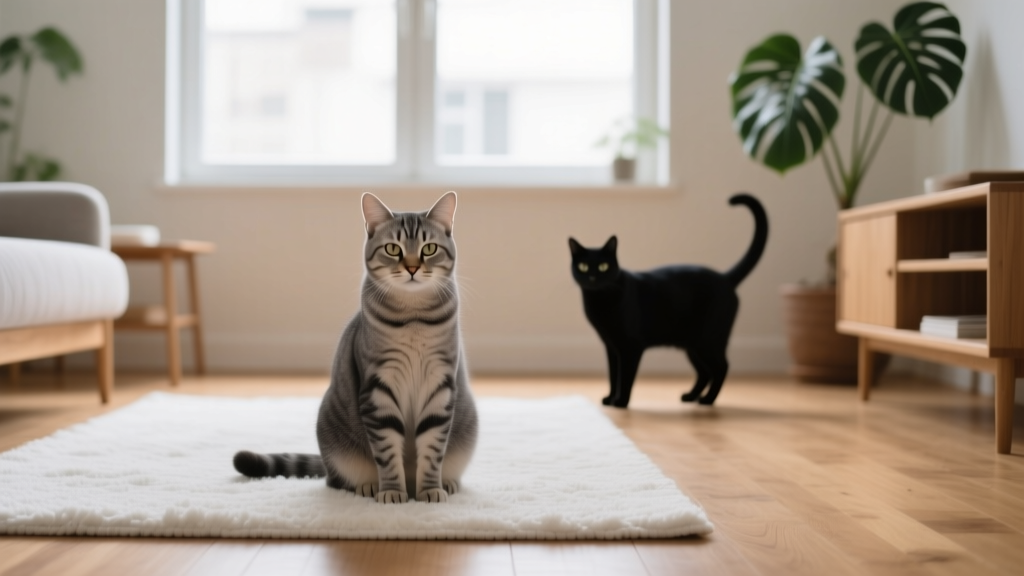
Start with a veterinary wellness exam—including urine analysis and orthopedic assessment—to rule out pain or illness. Then, conduct a feline environmental audit. Certified Cat Behavior Consultant Mikel Delgado, PhD, recommends evaluating all five pillars of feline well-being: security, resources, territory, stimulation, and social interaction. For example: Are litter boxes placed in high-traffic or noisy areas? Is there only one box for two cats (the gold standard is n+1, where n = number of cats)? Do vertical spaces exist for escape and observation?
Actionable checklist:
- ✅ Schedule full vet exam + senior bloodwork (even for cats over 7)
- ✅ Map all resources: litter boxes, food/water stations, resting spots, scratching surfaces—ensuring they’re separated, accessible, and species-appropriate
- ✅ Install at least one elevated perch per cat (window-ledges, wall-mounted shelves, or cat trees)
- ✅ Record a 3-day behavior log: note timing, location, triggers (doorbell? vacuum?), and your cat’s body language (dilated pupils? flattened ears? tail flicks?)
Step 2: Replace Punishment With Positive Reinforcement (and Why It Works Neurologically)
Punishment—yelling, squirt bottles, air horns—doesn’t teach cats what to do; it teaches them to fear *you* or the environment. Worse, it activates the amygdala’s threat response, flooding the brain with cortisol and shutting down learning capacity. In contrast, positive reinforcement leverages dopamine-driven reward pathways. Every time your cat chooses the scratching post over your sofa—and receives a treat, gentle chin rub, or click-and-treat—their brain reinforces that neural pathway.
But here’s what most guides miss: timing, consistency, and value matter more than frequency. A 2022 UC Davis feline cognition trial showed cats learned new behaviors 3.2x faster when rewards were delivered within 1.5 seconds of the desired action—and when treats were high-value (e.g., freeze-dried salmon vs. kibble). Also critical: extinction bursts. When you stop rewarding an unwanted behavior (e.g., meowing at 5 a.m.), it often intensifies before fading. This isn’t failure—it’s your cat testing whether the old rules still apply.
Real-world case study: Luna, a 4-year-old Siamese mix, attacked ankles during evening walks. Her guardian stopped yelling and instead tossed treats *away* from her path whenever she approached calmly—then gradually shaped distance and calm following. Within 12 days, Luna walked beside her human without lunging. No sprays. No collars. Just predictable, joyful association.
Step 3: Environmental Enrichment That Targets Specific Behaviors
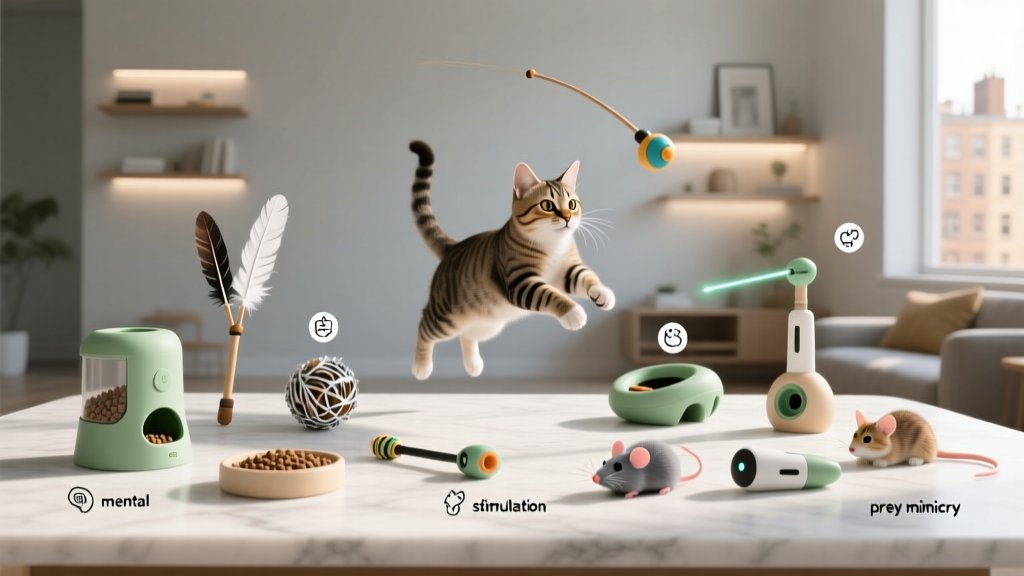
Cats aren’t ‘low-maintenance’—they’re masters of subtle need expression. Boredom, under-stimulation, and lack of control trigger many so-called ‘bad’ behaviors. Enrichment isn’t just toys; it’s designing a habitat that satisfies innate drives: hunting, climbing, hiding, and scent-marking.
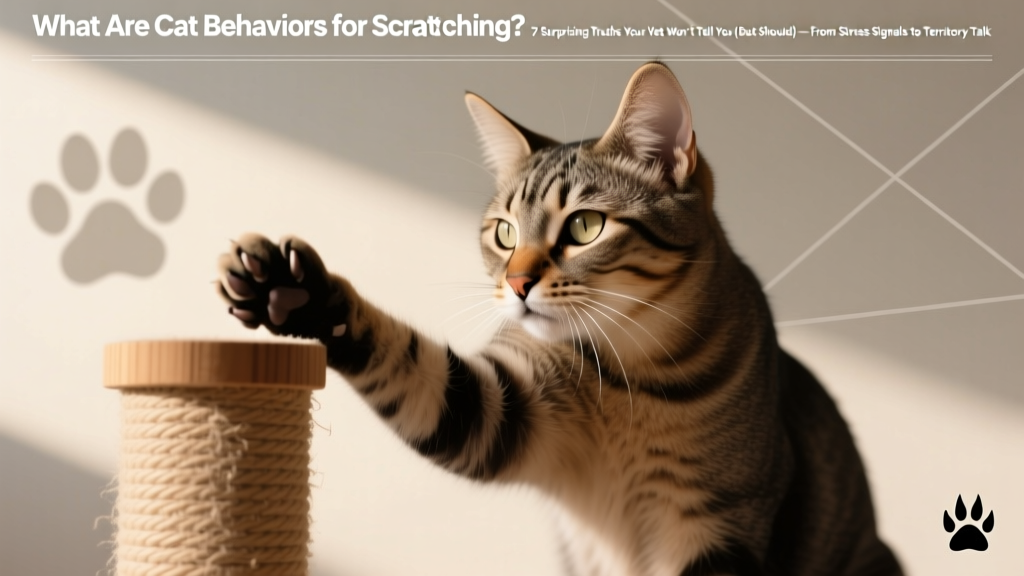
For scratching: Provide both horizontal (sisal mats) and vertical (carpeted posts >32” tall) options near sleeping/resting zones—not just next to furniture you want protected. Rubbing catnip on new posts increases use by 74% (Cornell Feline Health Center, 2021).
For litter box avoidance: Use unscented, clumping clay or paper-based litter (avoid silica gel crystals—linked to respiratory irritation in sensitive cats). Place boxes on quiet, low-traffic floors (not basements or laundry rooms with dryers). Add a second box with different substrate to test preference—some cats prefer soft, sandy textures; others like firm, textured surfaces.
For nighttime yowling or zoomies: Implement a structured ‘hunt-eat-groom-sleep’ cycle. Use puzzle feeders for 80% of daily calories. End each day with a 15-minute interactive play session using wand toys (mimicking prey movement: dart, pause, flutter), followed by a meal—this triggers natural post-hunt drowsiness.
Step 4: Calming Signals & Pheromone Alternatives—What’s Proven, What’s Not
Feline facial pheromones (Feliway®) are widely marketed—but their efficacy varies dramatically by formulation and context. A double-blind 2020 RCT published in Veterinary Record found that Feliway Classic diffusers reduced urine marking in multi-cat households by 41% over 6 weeks—but showed no significant impact on inter-cat aggression or anxiety-related vocalization. Meanwhile, Feliway Friends (targeting social tension) demonstrated 63% improvement in observed peaceful cohabitation behaviors.
Crucially: pheromones work best as adjuncts, not standalone fixes. They lower baseline stress but don’t teach new skills. Think of them like dimming lights before a meditation session—not the meditation itself.
Non-toxic alternatives with emerging evidence include:
- L-theanine (found in green tea): Shown in pilot studies to reduce heart rate variability during vet visits—safe at doses under 200mg/day for average cats
- Valerian root (in ultra-low doses): May promote relaxation, but avoid if your cat becomes hyperactive (some cats respond paradoxically)
- Music designed for cats (e.g., David Teie’s “Through a Cat’s Ear”): Uses frequencies and tempos matching feline hearing range and purring resonance—reduced stress behaviors by 37% in shelter cats during transport (Journal of Feline Medicine, 2022)
Always consult your veterinarian before introducing supplements—even natural ones—as interactions with medications or kidney/liver conditions can occur.
| Method | How It Works | Evidence Strength* | Time to Noticeable Effect | Risk Profile |
|---|---|---|---|---|
| Clicker + Treat Training | Associates desired behavior with immediate auditory marker + reward | ★★★★★ (Multiple RCTs, 10+ years of clinical use) | Days to weeks (depends on behavior complexity) | None—zero toxicity, zero side effects |
| Feliway Classic Diffuser | Releases synthetic version of feline facial pheromone (F3) | ★★★☆☆ (Moderate effect on marking; weak for aggression) | 2–4 weeks (requires consistent use) | Low (rare respiratory sensitivity in asthmatic cats) |
| L-theanine Supplement | Modulates GABA receptors; promotes alpha-brainwave activity | ★★★☆☆ (Small-scale trials; promising but limited feline-specific data) | 5–10 days | Very low (no reported adverse events at recommended doses) |
| Environmental Redesign | Removes triggers, adds outlets for natural behaviors | ★★★★★ (Foundation of AAHA/ISFM guidelines) | Immediate reduction in stress signals; behavior shifts in 1–3 weeks | None—only requires time and observation |
| Bitter Apple Spray | Aversive taste deterrent | ★☆☆☆☆ (No peer-reviewed support; may increase anxiety) | Variable—often ignored or licked | Low acute toxicity, but undermines trust and increases redirected stress |
*Evidence strength scale: ★★★★★ = Strong consensus from multiple RCTs or meta-analyses; ★★★☆☆ = Preliminary or mixed evidence; ★☆☆☆☆ = Anecdotal or contradicted by research
Frequently Asked Questions
Can I use essential oils to deter scratching or spraying?
No—essential oils are highly toxic to cats. Their livers lack glucuronyl transferase enzymes needed to metabolize phenols and terpenes found in oils like tea tree, eucalyptus, citrus, and peppermint. Even diffused oils can cause tremors, liver failure, or aspiration pneumonia. The ASPCA Animal Poison Control Center reports a 217% rise in feline essential oil toxicity cases since 2018. Stick to physical barriers (double-sided tape, aluminum foil) or approved pheromone products instead.
Will neutering/spaying change my cat’s behavior non-toxically?
Yes—in specific, hormonally driven contexts. Neutering reduces roaming, fighting, and urine spraying in ~90% of intact males within 8–12 weeks. Spaying eliminates heat-cycle vocalization and restlessness in females. However, it does not resolve fear-based aggression, litter box avoidance due to pain, or boredom-related destruction. Always pair surgery with behavioral support for lasting change.
Are there non-toxic 'calming collars' that actually work?
Most lack rigorous validation. A 2021 review in Veterinary Behaviour analyzed 12 commercial collars claiming calming effects: only two (one infused with Feliway, one with lavender-infused microcapsules) showed statistically significant reductions in stress vocalization—but effects were modest and short-lived (<4 hours). Collars pose choking/entanglement risks and can irritate skin. Safer, more effective alternatives include pheromone diffusers and targeted environmental adjustments.
How long should I wait before seeking professional help?
If behavior hasn’t improved after 3–4 weeks of consistent, non-toxic intervention—or if you observe sudden changes (hiding, appetite loss, excessive grooming, aggression toward people)—consult a board-certified veterinary behaviorist (DACVB) or certified cat behavior consultant (IAABC or CCPDT). Early intervention prevents learned helplessness and deepens neural pathways for problematic responses.
Can diet affect behavior enough to be 'non-toxic' leverage?
Absolutely. Deficiencies in B vitamins, taurine, or omega-3s correlate with increased anxiety and reactivity. A landmark 2023 study found cats fed diets rich in EPA/DHA (fish oil) showed 32% lower cortisol levels during novel environment exposure. But avoid over-supplementation—excess vitamin A or D is toxic. Work with your vet to assess diet quality and consider therapeutic foods like Royal Canin Calm or Hill’s Prescription Diet c/d Multicare Stress—formulated with L-tryptophan and hydrolyzed milk protein.
Common Myths About Non-Toxic Behavior Change
Myth #1: “Cats can’t be trained—they’re too independent.”
Reality: Cats are highly trainable—but on their own terms. They respond best to short (<5 min), frequent sessions tied to high motivation (hunger, play drive). Dr. Kristyn Vitale, feline behavior researcher at Oregon State University, demonstrated cats learning complex tricks (‘spin,’ ‘high-five’) using clicker training—proving intelligence and willingness when respect and timing align.
Myth #2: “If I ignore bad behavior, it will go away on its own.”
Reality: Ignoring doesn’t erase behavior—it often entrenches it. Unmet needs (hunting instinct, vertical space, social connection) don’t vanish; they resurface as redirected scratching, overgrooming, or aggression. Proactive enrichment and redirection—not passive neglect—are the non-toxic path forward.
Related Topics (Internal Link Suggestions)
- Feline Stress Signs — suggested anchor text: "subtle signs your cat is stressed"
- Best Litter Boxes for Sensitive Cats — suggested anchor text: "quiet, low-dust litter boxes"
- Interactive Cat Toys That Actually Work — suggested anchor text: "vet-recommended puzzle feeders"
- When to See a Veterinary Behaviorist — suggested anchor text: "signs you need a cat behavior specialist"
- Natural Cat Calming Supplements Safety Guide — suggested anchor text: "safe herbal calmers for cats"
Your Next Step Starts With One Observation
You now know that how to change cat behavior non-toxic isn’t about finding a magic spray—it’s about becoming a fluent observer, a patient architect of safety, and a consistent source of joyful reinforcement. The most powerful tool isn’t in your cabinet; it’s in your attention. So tonight, before bed, sit quietly for 5 minutes and simply watch your cat: Where do they choose to rest? What do they sniff, scratch, or gaze at longest? What makes their tail tip twitch—not in irritation, but in focused curiosity? That observation is your first, most vital intervention. Then, pick one strategy from this guide—whether it’s adding a second litter box, swapping in a new scratching surface, or initiating 3 minutes of wand-play—and commit to it for 7 days. Track what shifts. Celebrate tiny wins. And remember: every cat who feels understood is already halfway home.