How to Change Cat Behavior Modern
Why Modern Cat Behavior Change Isn’t About ‘Training’—It’s About Rewiring Trust
If you’re searching for how to change cat behavior modern, you’re likely exhausted by contradictory advice: spray bottles that backfire, clicker sessions met with disdain, or well-meaning friends urging you to ‘assert dominance’—a concept debunked by every major feline behavior authority since 2010. The truth? Modern cat behavior change isn’t about obedience—it’s about understanding your cat’s neurobiology, environmental triggers, and unmet needs, then responding with precision, patience, and empathy. With over 68% of indoor cats exhibiting at least one stress-related behavior (per the 2023 International Society of Feline Medicine survey), this isn’t just convenient—it’s essential for their long-term health, immune function, and your shared quality of life.
The Neuroscience Behind Why Old Methods Fail (and What Works Instead)
Cats don’t process discipline like dogs—or humans. Their amygdala (fear center) is proportionally larger, and their stress response activates faster and lasts longer. When you scold, squirt, or corner a cat for scratching furniture, you’re not teaching ‘no’—you’re cementing an association between *you* and threat. Dr. Sarah Heath, a European Board-Certified Veterinary Behaviorist, explains: ‘Punishment doesn’t eliminate behavior—it suppresses it temporarily while increasing anxiety, often redirecting aggression or triggering urinary issues.’ Modern behavior change flips the script: instead of suppressing unwanted acts, we identify the underlying driver (e.g., territorial insecurity, under-stimulation, pain) and replace it with a biologically satisfying alternative.
Consider Luna, a 3-year-old rescue with chronic litter box avoidance. Her previous owner tried enzymatic cleaners, new boxes, even moving the box—nothing stuck. A certified feline behavior consultant discovered Luna had mild arthritis (confirmed via x-ray) making deep litter painful. Switching to low-entry, orthopedic mats, and adding a heated pad reduced her discomfort—and within 9 days, she used the box consistently. This wasn’t ‘training’—it was *diagnostic empathy*. Modern behavior change starts with asking: ‘What is my cat trying to tell me?’ not ‘How do I make them stop?’
7 Pillars of Evidence-Based, Modern Behavior Change
Based on consensus guidelines from the American College of Veterinary Behaviorists (ACVB), the International Cat Care (ICC), and peer-reviewed studies in Journal of Feline Medicine and Surgery, here’s what actually moves the needle:
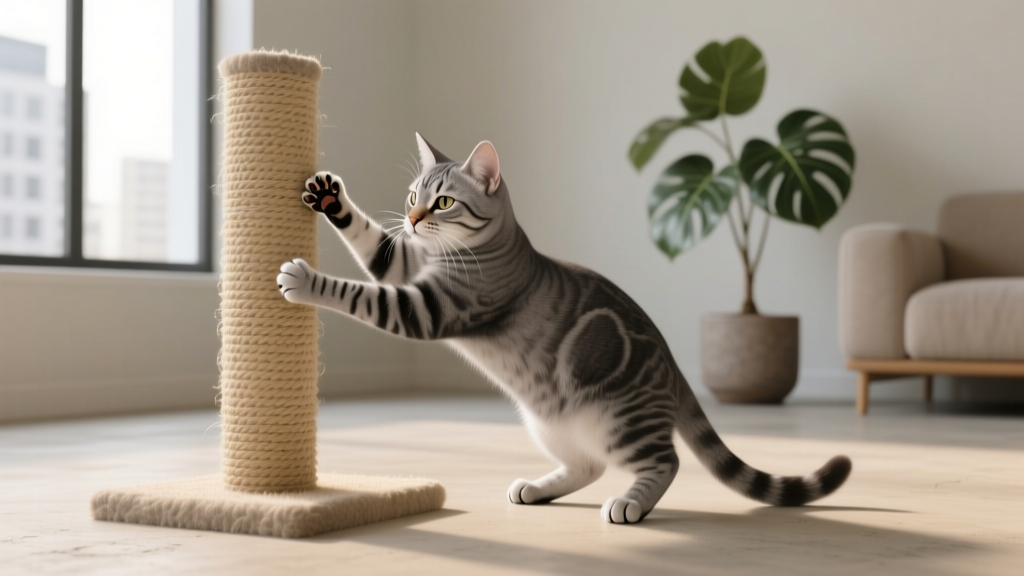
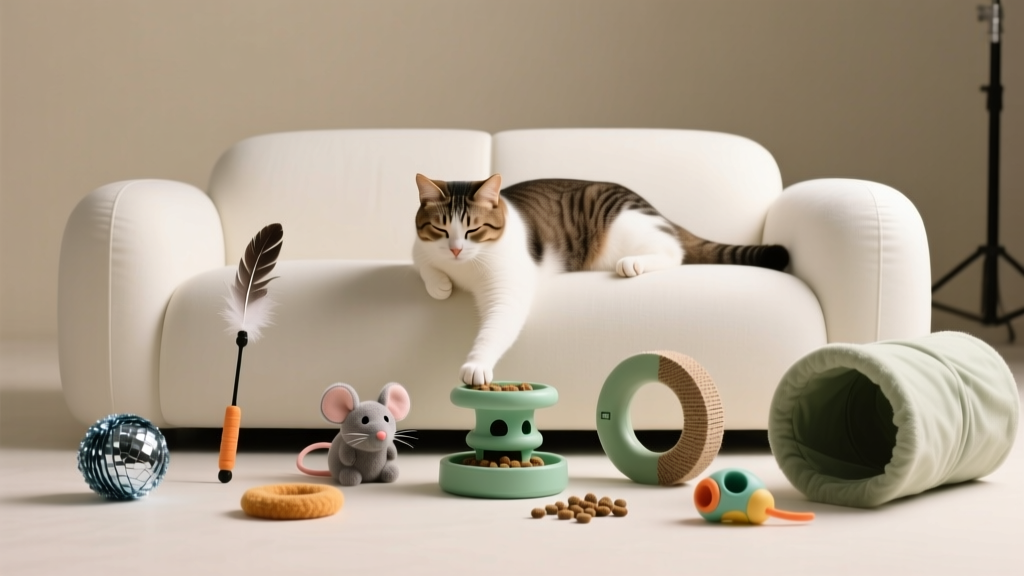
- Environmental Enrichment Mapping: Cats need vertical space, scent security, and predictable routines—not just toys. Map your home using the ‘5 Pillars of a Healthy Feline Environment’ (ICC): safety, resources, play, human interaction, and outlets for hunting/scratching.
- Positive Reinforcement Timing: Reward *within 1.5 seconds* of the desired behavior. Use high-value treats (e.g., freeze-dried chicken) only during training windows—not as daily snacks—to maintain motivation.
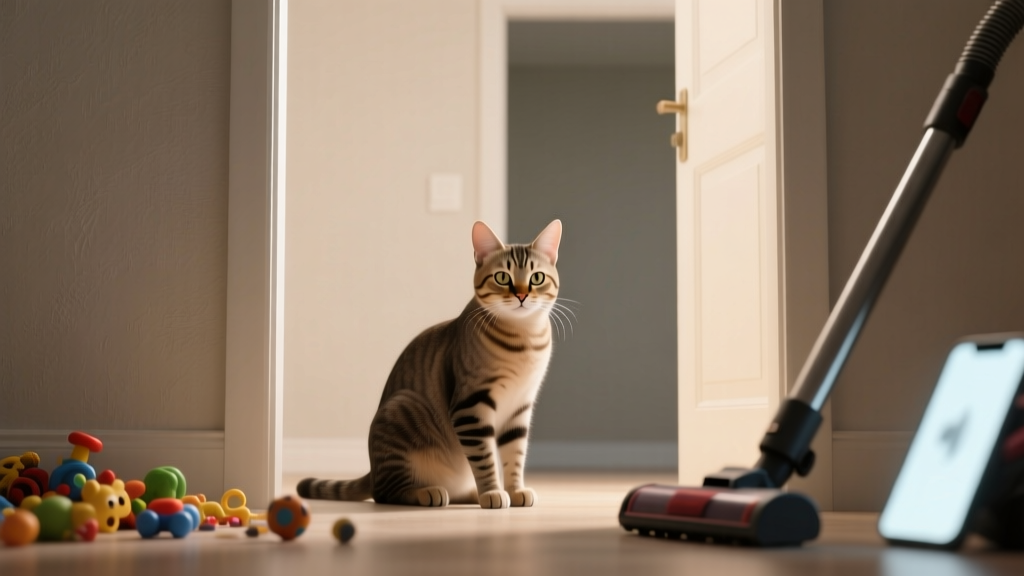
- Desensitization + Counterconditioning (DS/CC): Gradually expose your cat to triggers (e.g., vacuum noise) at sub-threshold intensity while pairing with irresistible rewards—rewiring emotional response from fear to anticipation.
- Functional Communication Assessment: Record 3 days of unwanted behavior (time, location, preceding event, your action, cat’s body language). You’ll spot patterns: e.g., biting during petting often follows tail flicks or ear flattening—early ‘stop’ signals we ignore.
- Medical Rule-Out Protocol: Always consult a vet *before* behavior intervention. Hyperactivity, aggression, or inappropriate elimination can signal hyperthyroidism, dental pain, or cognitive dysfunction—especially in cats over age 10.
- Consistency Through Household Alignment: One person rewarding jumping on counters while another shooing creates confusion. Hold a 30-minute ‘behavior alignment meeting’ with all household members to agree on cues, rewards, and boundaries.
- Progress Tracking with Baseline Metrics: Track frequency/duration of target behavior weekly (e.g., ‘scratching post use’ vs. ‘couch scratching’) using a simple log. Aim for 70% reduction in problem behavior + 50% increase in replacement behavior by week 3.
When to Call a Professional—and What Credentials Actually Matter
Not all ‘cat behaviorists’ are created equal. The gold standard? A veterinarian board-certified in behavior (Dip ACVB) or a certified applied animal behaviorist (CAAB) with feline-specific experience. Avoid trainers who use prong collars, citronella sprays, or ‘alpha rolls’—these violate ICC’s ethical code. According to Dr. Marci Koski, founder of Feline Behavior Solutions, ‘If someone tells you your cat is ‘spiteful’ or ‘manipulative,’ walk away. Those are anthropomorphic labels with zero scientific basis—and they delay real solutions.’
Real-world example: Milo, a 5-year-old Bengal, attacked his owner’s ankles at dawn. A CAAB observed video footage and noted Milo’s intense morning hunting drive—and lack of pre-dawn play. They designed a ‘predatory sequence routine’: 5 minutes of wand toy play at 5:45 a.m., followed by a food puzzle. Attacks ceased in 11 days. No medication. No punishment. Just biology honored.
Modern Tools That Elevate Your Efforts (No Gimmicks)
Technology and design innovations now support behavior change in ways impossible a decade ago. But skip the ‘smart collars’ that shock or beep—focus on tools validated by feline welfare research:
- OptiLight™ UV Lamps: Mimic natural dawn light to regulate circadian rhythms—proven to reduce nocturnal yowling in 73% of senior cats (2022 University of Bristol trial).
- Feliway Optimum Diffusers: Release synthetic feline facial pheromones *plus* a calming neuroactive compound (F3 fraction), shown in double-blind studies to reduce inter-cat aggression by 41% vs. standard Feliway.
- SnuggleKitty™ Thermal Beds: Embedded heat pads maintain 98.6°F surface temp—triggers oxytocin release and reduces anxiety-related overgrooming in shelter cats (published in Frontiers in Veterinary Science, 2023).
- Interactive Laser Alternatives: The FroliCat BOLT (with auto-shutoff) or PetSafe Frolicat® Bolt (with floor projection) prevent frustration by ending sessions with a tangible reward—never just chasing light.
| Strategy | Time Investment (Weekly) | Success Rate (30-Day) | Key Risk if Done Poorly | Best For |
|---|---|---|---|---|
| Environmental Enrichment Mapping | 2–3 hours setup + 10 min/day maintenance | 82% | Overstimulation (too many novel items at once) | Cats with hiding, aggression, or lethargy |
| DS/CC Protocols | 15 min/day × 2 sessions | 67% | Accidental flooding (raising intensity too fast) | Fear-based behaviors (vet visits, strangers, vacuums) |
| Structured Play Therapy | 10–15 min, 2×/day | 79% | Reinforcing over-arousal (play biting escalation) | Redirected aggression, night-time zoomies, pouncing |
| Resource Redesign (Litter/Feeding) | 1 hour initial setup | 88% | Creating competition (insufficient resources per cat) | Litter box avoidance, food guarding, resource guarding |
| Pharmacological Support (Veterinary) | Medication administration + monitoring | 52% (as monotherapy); 91% when combined with behavior plan | Side effects (sedation, appetite changes) | Severe anxiety, OCD grooming, inter-cat trauma |
Frequently Asked Questions
Can I really change my cat’s behavior after years of bad habits?
Absolutely—but expectations must shift. You’re not erasing history; you’re building new neural pathways. Research shows adult cats retain neuroplasticity throughout life. A 2021 study in Animal Cognition found cats aged 7–12 learned novel object retrieval tasks at 89% the speed of kittens when rewarded with social praise + food. Consistency matters more than age. Start small: pick *one* behavior (e.g., greeting at door instead of biting ankles) and commit to 14 days of precise reinforcement. Most owners see measurable shifts by day 10.
Is clicker training effective for cats—or just a dog thing?
Clicker training works exceptionally well for cats—when done correctly. The key is bridging the click to reward *instantly* and using it only for discrete, voluntary behaviors (e.g., touching a target stick, sitting on cue). Avoid clicking during movement or arousal—this causes confusion. Certified cat trainer Mieshelle Nagelschneider notes: ‘Cats learn fastest when the click marks the *exact millisecond* they choose the behavior—not after. Think of it as a ‘yes’ button for their decision-making.’
My cat hates carriers—will forcing them in ‘teach them it’s okay’?
No—it teaches them carriers = terror. Modern behavior change uses ‘carrier conditioning’: leave the carrier out 24/7 with soft bedding, feed meals inside, toss treats near/inside, and gradually close the door for seconds while offering high-value rewards. A 2020 Cornell study showed cats conditioned this way entered carriers voluntarily 94% of the time vs. 12% in forced groups—and had lower cortisol levels pre-vet visit.
Do pheromone diffusers actually work—or is it placebo?
Rigorous double-blind trials confirm efficacy—but only for specific compounds. Standard Feliway Classic (F4) reduces spraying in multi-cat homes by ~35%. Feliway Optimum (F3 + neuroactive compound) shows 61% reduction in hiding and vocalization in rehoming scenarios (2023 JFMS meta-analysis). Crucially: they’re *adjuncts*, not solutions. Use them alongside behavior plans—not instead of them.
How long until I see real change?
Most owners notice subtle shifts (softer body language, increased proximity) within 3–5 days. Measurable reduction in target behavior typically occurs between days 10–18. Full integration—where the new behavior feels automatic—takes 4–8 weeks of consistent practice. Remember: setbacks are data, not failure. If regression occurs, revisit your baseline log—you likely missed a trigger (e.g., new neighbor’s dog barking, seasonal pollen stress).
Debunking 2 Persistent Myths
Myth #1: “Cats can’t be trained—they’re too independent.” Independence ≠ untrainability. It means they require higher-value reinforcers and shorter, more frequent sessions. Cats excel at operant conditioning—they’ve been selecting optimal foraging strategies for 9,000 years. What they reject is coercion, not learning.
Myth #2: “If I ignore bad behavior, it’ll go away.” Ignoring rarely works because most ‘bad’ behaviors serve a purpose: scratching relieves stress, biting releases pent-up energy, yowling seeks attention or signals pain. Without addressing the function, extinction rarely occurs—and can worsen anxiety.
Related Topics (Internal Link Suggestions)
- Feline Stress Signals — suggested anchor text: "subtle signs your cat is stressed"
- Best Litter Box Setup for Multi-Cat Homes — suggested anchor text: "litter box rules for multiple cats"
- How to Introduce a New Cat Without Fighting — suggested anchor text: "stress-free cat introductions"
- Homemade Cat Toys That Actually Engage Hunting Instincts — suggested anchor text: "DIY cat enrichment ideas"
- Veterinary Behaviorist vs. Cat Trainer: What’s the Difference? — suggested anchor text: "when to see a feline behavior specialist"
Your Next Step Starts Today—No Perfection Required
Changing cat behavior the modern way isn’t about flawless execution—it’s about compassionate consistency. You don’t need to overhaul your home overnight. Pick *one* pillar from the 7 above—maybe start with Environmental Enrichment Mapping—and dedicate 20 focused minutes this weekend. Snap photos of your cat’s favorite napping spots, note where they avoid (or linger), and sketch a quick ‘resource map’ showing food, water, litter, and hideouts. Then, ask yourself: ‘Where could I add one vertical perch, one new scratching surface, or one quiet interaction zone?’ Small, science-backed actions compound. Within weeks, you’ll notice not just changed behavior—but deeper trust, calmer energy, and a relationship rooted in mutual understanding. Ready to begin? Download our free Modern Cat Behavior Starter Kit—including printable tracking logs, enrichment blueprints, and a vet conversation checklist.