How to Calm an Aggressive Cat: Practical Steps
Recognize the Triggers
Aggression in cats is rarely random. Common triggers include fear (e.g., sudden loud noises), territorial intrusion (a new pet or visitor), redirected arousal (seeing birds through a window), pain (arthritis or dental disease), or overstimulation during petting. A 2022 Cornell Feline Health Center study found that 68% of aggression cases in indoor cats were linked to unaddressed environmental stressors—not personality flaws.
Decode Body Language Accurately
Cats signal distress before escalating: flattened ears, dilated pupils, low tail swishing, stiff posture, or rapid blinking. Tail flicking at the tip often precedes a swipe—unlike relaxed tail waving. As noted by Dr. Sarah Heath in *Feline Behaviour and Welfare* (2021), misreading slow blinks as contentment—when paired with tense shoulders—leads to dangerous assumptions.
Create Safe Zones & Vertical Space
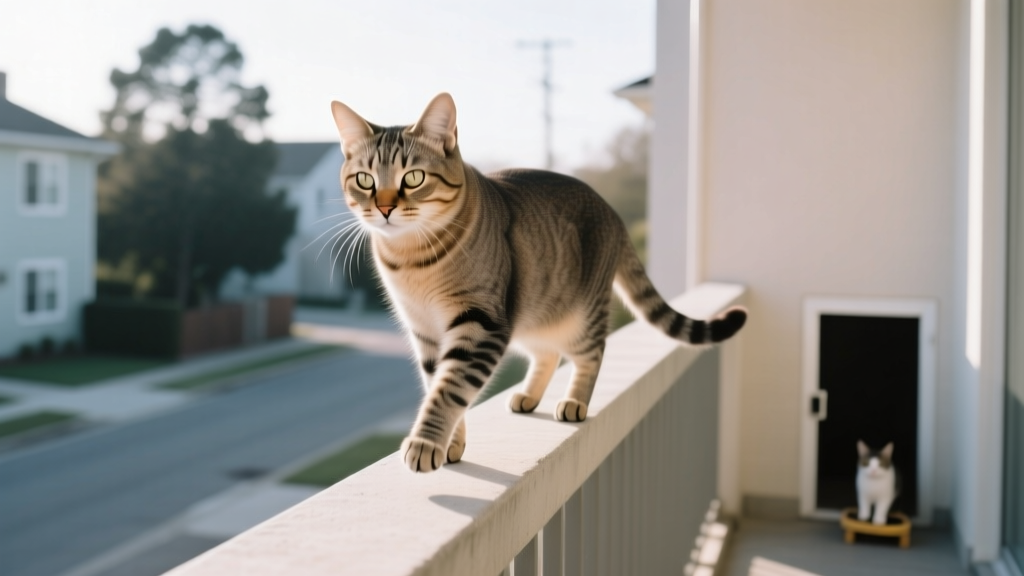
Provide at least one elevated perch per cat, placed 3–5 feet above floor level. Install shelves or cat trees near windows for observation without exposure. A 2023 ASPCA Shelter Behavior Study showed cats given vertical territory exhibited 42% less resource-guarding aggression within 10 days. Add soft bedding, covered beds (like the PetSafe Frolicat Bolt), and pheromone diffusers (Feliway Optimum, launched Q2 2022).
Use Positive Reinforcement Training
Never punish aggression—it increases fear and erodes trust. Instead, reward calm proximity with treats (e.g., Greenies Temptations Soft Treats) or play sessions using wand toys. Start with 30-second intervals where your cat remains relaxed near a trigger (e.g., another cat behind a baby gate), then gradually increase duration. Consistency over 2–3 weeks yields measurable change, per the 2020 International Society of Feline Medicine (ISFM) Guidelines.
Rule Out Medical Causes First
Up to 35% of sudden-onset aggression stems from underlying illness—especially in cats over age 7. Schedule a vet visit including bloodwork, dental exam, and orthopedic assessment. Hyperthyroidism, osteoarthritis, and hypertension are frequent culprits. A 2021 Journal of Feline Medicine and Surgery review emphasized that 29% of aggressive senior cats showed full behavioral improvement after treating undiagnosed pain.
Real-world scenario #1: Luna, a 4-year-old Siamese, began hissing at her owner’s ankles each morning. Observation revealed she was ambushed by the vacuum cleaner noise at 7:30 a.m. daily. After shifting cleaning to evenings and offering tuna treats during quiet mornings, aggression ceased in 12 days.
Real-world scenario #2: Milo, a neutered 6-year-old domestic shorthair, attacked visitors entering the front door. His owner installed a ‘calm zone’—a closed bedroom with food, litter, and Feliway—used only when guests arrived. Within 3 weeks, Milo chose the room voluntarily and no longer lunged.
| Signal | Meaning | Action to Take |
|---|---|---|
| Ears pinned back, tail puffed | Acute fear or defensive readiness | Immediately stop interaction; retreat 6+ feet |
| Staring with unblinking eyes | Threat assessment or challenge | Break gaze; offer side-profile posture |
| Low growl or yowl | Pain or intense discomfort | Schedule veterinary exam within 48 hours |
| Slow blink + relaxed whiskers | Trust and safety | Maintain calm presence; avoid sudden moves |
Desensitization works best when paired with counterconditioning. For example, pair the sound of a doorbell (recorded at low volume) with high-value treats like freeze-dried chicken. Increase volume only when your cat consistently approaches for treats. Never force proximity—let your cat initiate contact on their terms. Patience is non-negotiable: most cats require 14–21 days of consistent routine before showing reliable improvement.
If aggression persists beyond 4 weeks despite environmental adjustments and veterinary clearance, consult a board-certified veterinary behaviorist (DACVB). The American College of Veterinary Behaviorists lists 72 certified specialists nationwide as of March 2024. Early intervention prevents learned aggression patterns from solidifying into long-term habits.