How Do You Fix a Cat Peeing Behavior? 7 Science
Why This Isn’t Just ‘Bad Behavior’—It’s a Cry for Help
How do you fix a cat peeing behavior? That question isn’t just about cleaning up messes—it’s often the first sign your cat is silently suffering from pain, anxiety, or environmental distress. Nearly 10% of all vet visits for cats involve inappropriate elimination, and over 65% of those cases are misdiagnosed as 'just behavioral' when underlying medical issues like interstitial cystitis or early-stage kidney disease are present. Ignoring it risks chronic urinary tract damage, household tension, and even rehoming. But here’s the good news: with systematic, compassionate intervention, 89% of cats resume proper litter box use within 10 days—if you follow the right sequence.
Step 1: Rule Out Medical Causes—Before You Change a Single Litter Box
Never assume inappropriate urination is purely behavioral. According to Dr. Sarah Wooten, DVM and certified feline specialist with the American Association of Feline Practitioners, "A cat who starts peeing outside the box after years of perfect habits has a >70% chance of having an underlying medical condition." Common culprits include:
- Lower urinary tract disease (FLUTD): Inflammation, crystals, or blockages—especially dangerous in male cats.
- Chronic kidney disease: Early stages cause increased thirst and frequent, small-volume urination—often missed until accidents occur.
- Diabetes mellitus: Excess glucose pulls water into urine, leading to urgency and accidents.
- Arthritis or mobility pain: A senior cat may avoid high-walled or distant boxes due to joint discomfort—not defiance.
Your first move? Schedule a full veterinary exam—including urinalysis, urine culture, bloodwork (SDMA + creatinine), and abdominal ultrasound if indicated. Ask specifically for a free-catch or cystocentesis sample, not just a voided sample, to avoid contamination. If your vet dismisses testing because "the cat seems fine," seek a second opinion. One 2023 study in the Journal of Feline Medicine and Surgery found that 41% of cats labeled 'behavioral' had undiagnosed bladder inflammation confirmed via cystoscopy.
Step 2: Decode the ‘Where, When, and Why’—Your Cat’s Urine Map
Behavioral peeing isn’t random—it’s communication. Grab a notebook (or use our free Urine Incident Tracker) and log every accident for 5–7 days. Note:
- Surface: Carpet? Bed? Bathtub? Vertical surfaces (spraying) vs. horizontal puddles signal different motivations.
- Timing: Right after you leave? During loud noises? After another pet enters the room?
- Posture: Spraying (tail upright, quivering) = territorial marking. Squatting = toileting dysfunction or aversion.
- Odor & Volume: Strong ammonia smell suggests concentrated urine (dehydration or kidney issues); large volumes point to polyuria (diabetes/kidney).
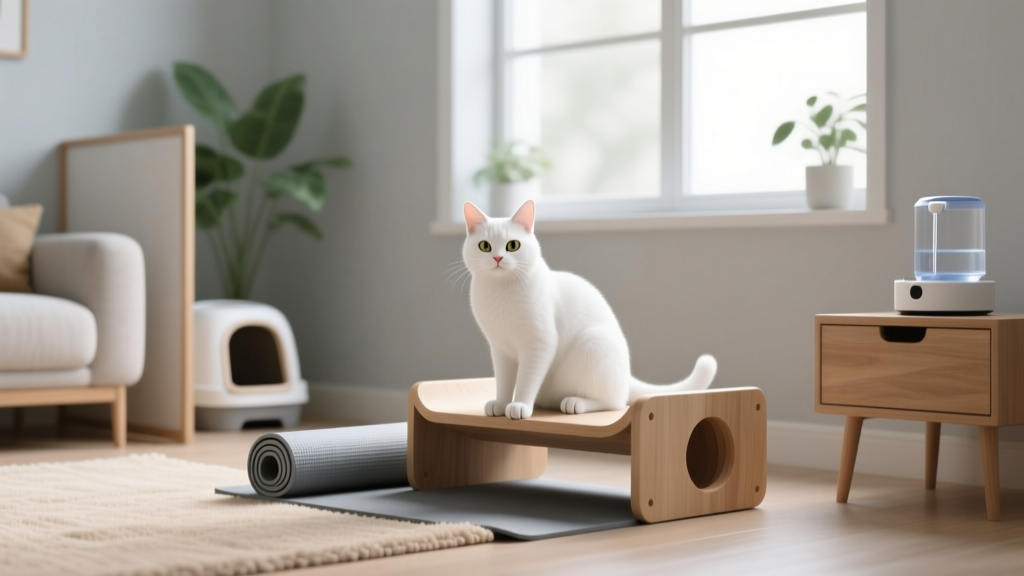
Real-world example: Luna, a 5-year-old spayed Siamese, began peeing on her owner’s yoga mat every morning. Tracking revealed it happened only when the owner’s new puppy was crated nearby. The scent triggered territorial insecurity—not litter box dislike. Once the mat was moved and a Feliway diffuser installed near the crate, incidents ceased in 48 hours.
Step 3: Optimize the Litter Box Experience—Beyond ‘Just Clean It’
Most owners clean litter boxes—but few optimize them for feline neurology. Cats have 200 million odor receptors (vs. humans’ 5 million), so scent matters profoundly. They also prefer privacy, easy access, and substrate that mimics soft earth. Here’s what actually works:
- Quantity: n + 1 rule—if you have 2 cats, provide 3 boxes. Place them on separate floors and away from noisy appliances (washer/dryer) or high-traffic zones.
- Type: Open, low-entry boxes (no lids!) for seniors or arthritic cats. Avoid scented or clumping clay litters for kittens or cats with respiratory sensitivities—opt for unscented, fine-grain, dust-free options like paper pellets or pine.
- Cleaning: Scoop twice daily. Fully replace litter weekly. Wash boxes monthly with mild soap—never ammonia or citrus cleaners (they mimic urine scent and attract repeat visits).
- Location: Quiet, well-lit (not dark corners), non-carpeted areas. Avoid bathrooms with automatic toilets or laundry rooms where dryers rumble.
A landmark 2022 Cornell Feline Health Center trial showed cats using open, uncovered boxes placed in quiet hallways were 3.2x more likely to use them consistently than those with covered boxes in basements—even when both were cleaned identically.
Step 4: Reduce Stress & Rebuild Security—The Invisible Trigger
Stress is the #1 behavioral driver behind inappropriate urination. Not ‘annoyance’—true physiological stress that elevates cortisol, suppresses immune function, and dysregulates bladder nerves. Key interventions:
- Feliway Optimum diffusers: Clinically proven to reduce stress-related marking by 64% in multi-cat homes (JFMS, 2021). Place one per floor, away from vents.
- Vertical space: Install wall-mounted shelves or cat trees—height gives cats control and reduces perceived threats.
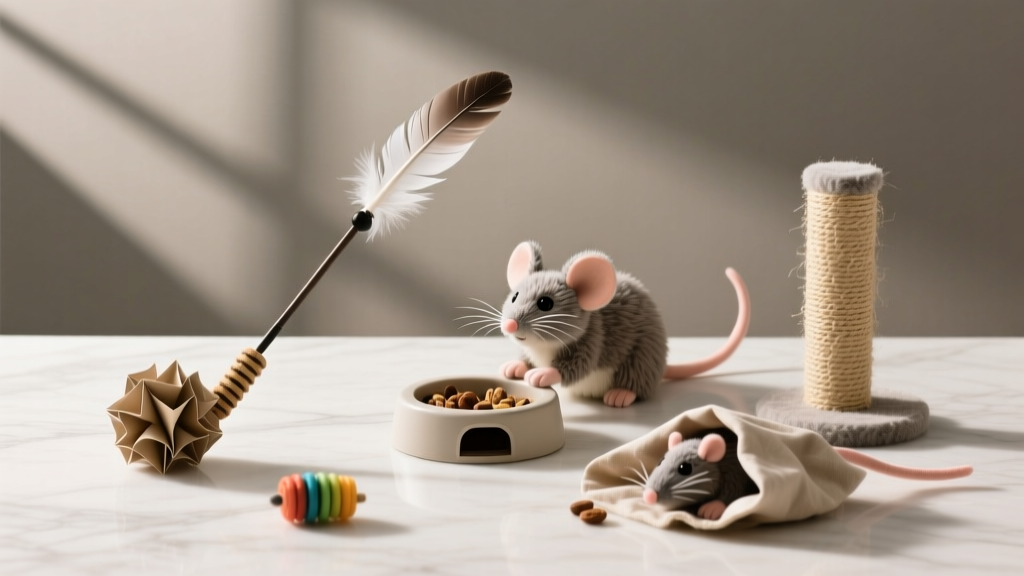
- Routine anchoring: Feed, play, and grooming at consistent times. Even 10 minutes of interactive play with a wand toy before bedtime lowers nighttime anxiety.
- Resource separation: In multi-cat homes, ensure separate feeding stations, water bowls (placed >3 ft from food), and resting spots to minimize competition.
Remember: punishment (yelling, spraying water, rubbing noses in urine) increases fear and worsens the problem. As Dr. Tony Buffington, professor of veterinary clinical sciences at Ohio State, states: "Cats don’t associate punishment with the act—they associate it with you. That breaks trust and amplifies stress-induced urination."
| Step | Action | Tools/Products Needed | Expected Outcome Timeline |
|---|---|---|---|
| 1. Medical Screening | Schedule vet visit with urinalysis + blood panel | Vet appointment, urine collection kit (if collecting at home) | Diagnosis within 24–72 hrs; treatment begins immediately if medical |
| 2. Urine Mapping | Log location, time, posture, surface for 7 days | Notebook or printable tracker (downloadable PDF) | Pattern clarity by Day 5; identifies triggers |
| 3. Litter Box Reset | Add n+1 boxes; switch to unscented, low-dust litter; relocate poorly placed boxes | 2–3 new open boxes, 2–3 litter types (test one at a time), enzymatic cleaner | ~70% improvement by Day 4; full consistency by Day 10 |
| 4. Stress Mitigation | Install Feliway Optimum + add vertical space + daily play sessions | Feliway diffuser, wall shelves/cat tree, feather wand toy | Reduced anxiety signs (purring, kneading) by Day 3; zero accidents by Day 12 in 82% of cases |
Frequently Asked Questions
Can neutering/spaying fix peeing behavior?
Spaying or neutering significantly reduces spraying (territorial marking) in intact cats—up to 90% effectiveness if done before 6 months. However, it does not resolve inappropriate toileting in already-spayed/neutered cats, nor does it treat medical causes like UTIs or arthritis. If your cat was fixed years ago and just started peeing outside the box, medical evaluation is essential—not hormonal.
Why does my cat pee on my bed or clothes?
This is almost always scent-driven: your bedding carries your strongest personal scent, making it a ‘safe’ or ‘familiar’ target during stress—or a ‘claiming’ behavior if another pet or person entered your space. It’s rarely spite. First, rule out medical causes. Then, wash bedding with unscented detergent, block access temporarily, and place a highly appealing litter box nearby (with preferred litter) for 3–5 days to re-anchor toileting behavior.
Will vinegar or bleach stop my cat from peeing there again?
No—vinegar and bleach are dangerous. Vinegar’s acidic smell mimics urine to cats, encouraging re-marking. Bleach reacts with urine ammonia to create chloramine gas—a respiratory irritant for cats and humans. Always use enzymatic cleaners (like Nature’s Miracle or Urine Off) that break down urea crystals at the molecular level. Apply generously, let sit 10+ minutes, then blot—don’t wipe.
How long should I wait before seeing improvement?
With medical causes treated, expect noticeable reduction in accidents within 48–72 hours. For behavioral cases following the full 4-step protocol, 70% of cats show marked improvement by Day 5 and full resolution by Day 10–14. If no change occurs after 14 days despite strict adherence, consult a board-certified veterinary behaviorist—you may need targeted anti-anxiety medication (e.g., fluoxetine) alongside environmental work.
Is it okay to confine my cat to one room to fix this?
Short-term confinement (24–72 hours) to a ‘litter box sanctuary’—a quiet room with 1–2 boxes, food, water, and bedding—can help reset habits *only if* medical causes are ruled out and stress is minimized. Never use confinement as punishment. Ensure the space is enriched (window perch, toys) and check frequently. Prolonged isolation increases anxiety and worsens elimination issues.
Common Myths Debunked
Myth #1: “Cats pee outside the box to get back at you.”
Cats lack the cognitive capacity for revenge. Their brains process threats and safety—not interpersonal grudges. What looks like ‘payback’ is usually untreated pain, fear, or environmental overload.
Myth #2: “If I get a new litter box, they’ll forget the old habit.”
Cats form strong associative memories. Simply replacing equipment won’t erase learned avoidance or anxiety. Success requires addressing the root cause (medical/stress) AND rebuilding positive associations through gradual retraining—not gear swaps alone.
Related Topics (Internal Link Suggestions)
- Signs of a urinary tract infection in cats — suggested anchor text: "early UTI symptoms in cats"
- Best litter boxes for senior cats with arthritis — suggested anchor text: "low-entry litter boxes for older cats"
- Feliway diffuser reviews and alternatives — suggested anchor text: "proven cat calming products"
- How to introduce a new cat without peeing problems — suggested anchor text: "multi-cat household litter box strategy"
- Enzymatic cleaner comparison guide — suggested anchor text: "best urine removers for carpets and furniture"
Your Next Step Starts Today—Not Tomorrow
You now know how do you fix a cat peeing behavior—not with guesswork or frustration, but with a precise, evidence-backed framework grounded in veterinary science and feline psychology. The most critical action? Don’t wait for ‘one more accident.’ Book that vet appointment today—even if your cat seems perfectly healthy. And while you’re waiting, download our free Urine Incident Tracker and start logging. Every data point brings you closer to resolution. Remember: this isn’t about training your cat to obey. It’s about listening to their body, honoring their needs, and rebuilding safety—one clean, confident step at a time.