Cat Paw Tapping Water: Testing Before Drinking
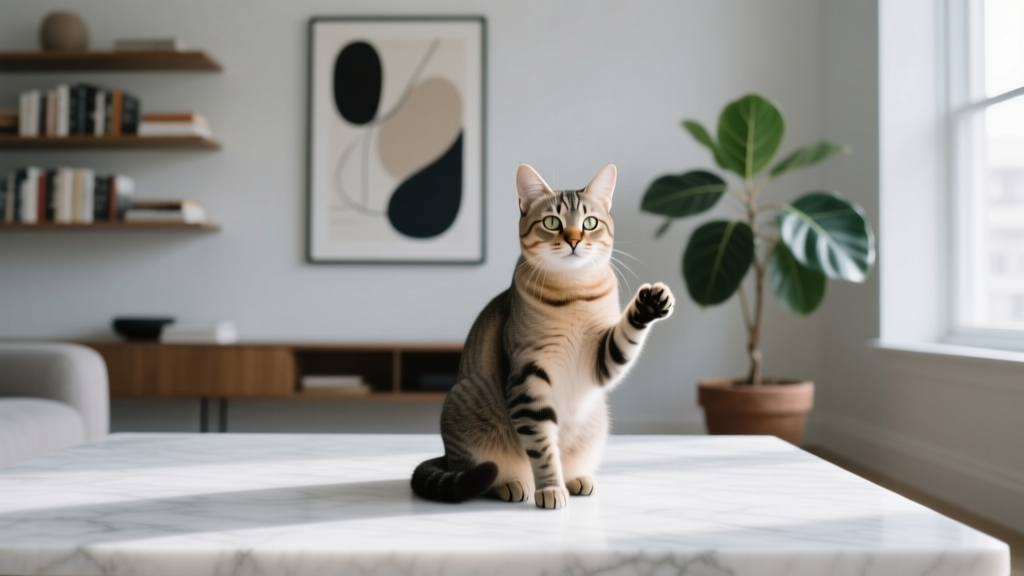
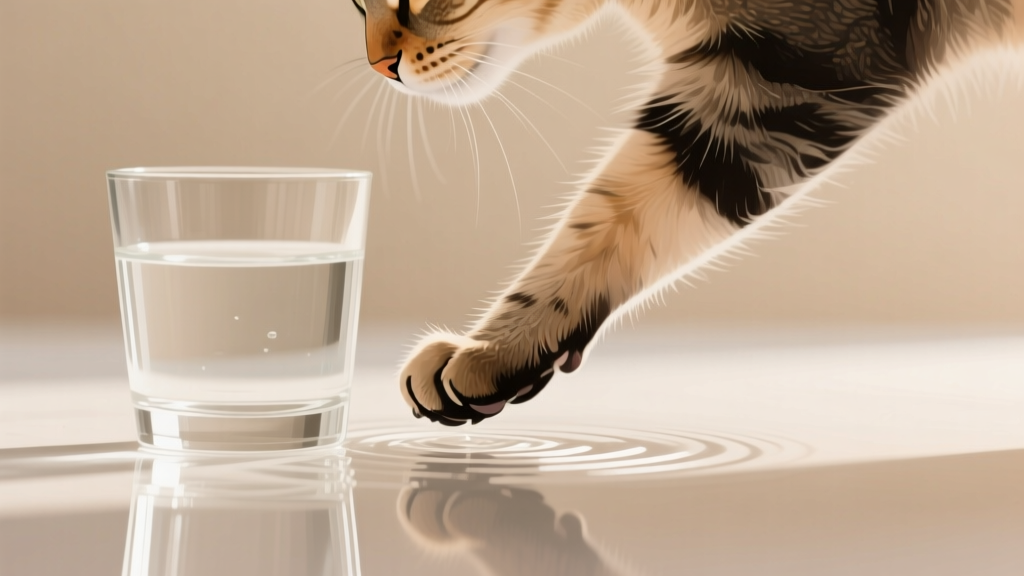
You’ve probably seen it: you set down a fresh bowl of water, your cat strolls over with the confidence of a tiny lion… and then pauses. Instead of drinking right away, they lift one paw and tap-tap the surface like they’re checking if it’s real. Sometimes they tap again, stare at the ripples as if reading tea leaves, then finally take a few polite sips. Other times they walk away like the water failed an important audition.
If you’ve ever wondered, “Is my cat being weird… or brilliant?” the answer is: a little of both. Paw-tapping water is a surprisingly common feline behavior, and it makes a lot of sense once you look at it through a cat’s eyes—especially a cat’s ancestral eyes.
Why Cats Tap Water: A Scientific and Evolutionary Explanation
Cats are descendants of desert-dwelling wildcats. That history shaped a cautious relationship with water. In the wild, stagnant water can mean bacteria, parasites, or predators lurking nearby. Even for a pampered housecat, those instincts still hum quietly in the background: “Is it safe? Is it moving? Can I see it clearly?”
One major factor is that cats aren’t great at seeing still water. Their vision is tuned for detecting motion—excellent for spotting a scurrying mouse, less impressive for identifying a perfectly still, clear surface in a bowl. When water doesn’t move, it can be visually “invisible” or hard to judge. A quick paw tap creates ripples, turning an unclear surface into a moving target their eyes can track.
There’s also the “safety check” component. In nature, stepping into unknown water could mean getting stuck in mud, encountering a snake, or revealing your position to predators. A gentle tap is low-risk information gathering. It’s the feline version of dipping a toe in the pool before committing.
And then there’s learning: cats remember. If a bowl once shocked them (static from a plastic bowl), smelled like detergent, sat near a loud appliance, or tasted “off,” they may become more investigative. Tapping is a quick test—almost like a quality-control habit.
A Detailed Breakdown: Different Contexts Where Paw-Tapping Shows Up
Not all paw taps are the same. The context can tell you a lot about what your cat is thinking.
1) The “Is There Even Water in Here?” Tap
Scenario: You use a clear glass bowl, fill it with clean water, and your cat approaches, squints, and taps lightly. This is often a visibility issue. Still water in a reflective bowl can be hard for cats to perceive, especially under certain lighting.
What you’ll notice: slow approach, focused stare, gentle tap, watching ripples, then drinking once it “looks” like water.
2) The “This Water Is Suspicious” Tap
Scenario: The bowl has been sitting out for a while, or it’s near the litter box, or you just cleaned it and there’s a lingering soap smell. Cats have sensitive noses; if something seems off, they’ll gather more information.
What you’ll notice: sniffing first, repeated tapping, maybe backing up slightly, drinking cautiously or refusing.
3) The “I Prefer Running Water” Tap
Scenario: Your cat loves the faucet or a pet fountain. A still bowl can feel less appealing. Tapping creates movement—and movement is more interesting and, to a cat, often more trustworthy.
What you’ll notice: paw stirring, playful splashing, then drinking from the moving edge or the paw itself.
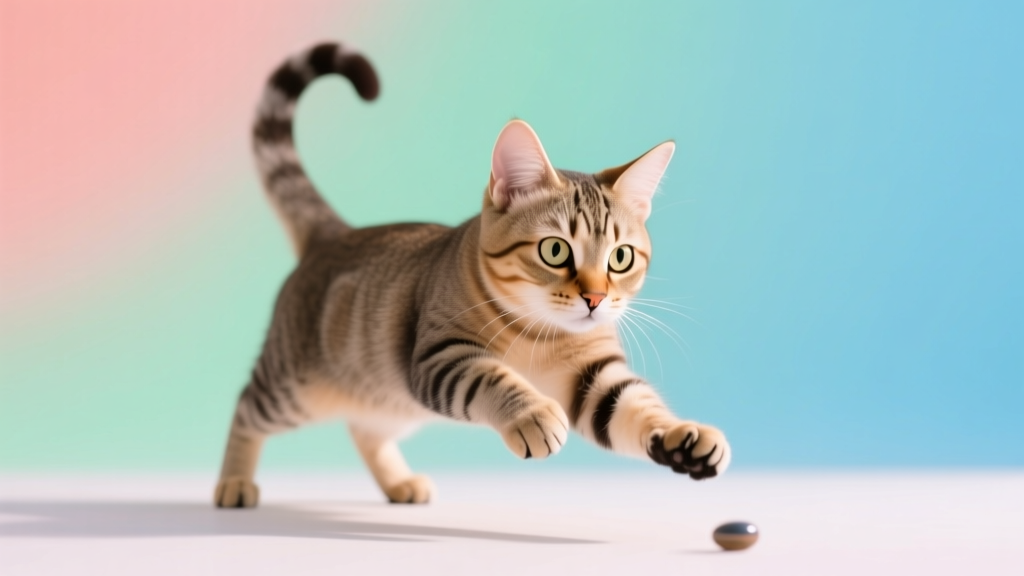
4) The “Play Mode Activated” Tap
Scenario: Your cat treats water like a toy. They tap faster, splash, and then race away as if they’ve defeated the water monster. This is more common in kittens, high-energy cats, and curious adults.
What you’ll notice: quick taps, bigger splashes, side hops, chasing drips, minimal or no drinking.
5) The “Whisker Comfort” Tap
Some cats dislike when their whiskers brush the sides of a bowl (often called whisker sensitivity). They may tap to bring water toward the edge, drink from the rim, or scoop water with a paw to avoid pressing whiskers into the bowl.
What you’ll notice: drinking from the edge only, choosing wide shallow bowls, or “scooping” water and licking it off the paw.
What Paw-Tapping Reveals About Your Cat’s Mood and Feelings
Cats communicate a lot through small behaviors. Water tapping can be a window into how they’re feeling in the moment:
- Curious and alert: gentle tapping, watching ripples, relaxed posture. They’re investigating, not stressed.
- Cautious or unsure: stiff posture, repeated tapping, slow head movements, possibly looking around. Something about the environment or bowl feels questionable.
- Playful: faster taps, splashes, pouncing at ripples. This can be a healthy outlet for energy.
- Overstimulated or picky: tapping followed by walking away, especially if paired with tail flicks or tension. They may not like the setup or the water freshness.
In many homes, paw-tapping is simply your cat being a thoughtful little creature—checking their surroundings and engaging their brain before they drink.
Related Behaviors You Might Also Notice
If your cat taps water, you might see other “investigator” habits too:
- Drinking from the faucet or shower drip: running water is easier to detect and often feels fresher.
- Knocking over the water bowl: sometimes play, sometimes frustration, sometimes a preference for moving water.
- Scratching near the water dish: an instinctive “burying” or “cleaning the area” behavior, or simply a habit of pawing around resources.
- Staring at water before drinking: they’re trying to visually confirm the surface.
- Scooping water with a paw: can be whisker comfort, fun, or a learned preference.
When Paw-Tapping Is Normal vs. When It Might Be a Concern
Normal: Occasional tapping, especially with clear bowls, still water, or new environments. If your cat is otherwise eating, drinking, and acting normally, this is usually just feline quirkiness with a practical purpose.
Potential concerns to watch for:
- Sudden increase in water attention (hovering over water, pawing constantly) paired with increased thirst or more frequent urination. This can be linked to medical issues like diabetes, kidney disease, or hyperthyroidism.
- Drinking very little because they seem “afraid” of the bowl setup. Dehydration can become a risk, especially in cats eating mostly dry food.
- Obsessive pawing to the point of distress or inability to settle, which can sometimes relate to anxiety or compulsive tendencies.
- Pawing with signs of pain (limping, licking the paw, reluctance to bear weight). That’s about the paw, not the water—worth a vet check.
If you notice major changes in drinking habits, weight, appetite, or litter box patterns, it’s wise to talk to your veterinarian. Behavior can be the first clue that something physical is going on.
Tips for Responding to (or Encouraging) the Behavior
You don’t need to “stop” normal water tapping. But you can make drinking easier and reduce any frustration—for both of you and your floor.
Make water easier to see and more appealing
- Try a pet water fountain if your cat loves movement. Many cats drink more from fountains.
- Use wide, shallow bowls to reduce whisker discomfort.
- Choose ceramic or stainless steel over plastic to reduce odors and the chance of taste changes.
- Keep bowls away from litter boxes and strong food smells. Many cats prefer a “clean” drinking zone.
Set up for your cat’s preferences
- Offer multiple water stations around the home, especially in multi-cat households.
- Refresh water daily (more often if your cat is picky). Some cats really do notice “stale” water.
- Add a splash mat under the bowl if your cat turns tapping into a splash party.
Turn it into a relationship win
If your cat taps water and looks at you like you’re the staff, take it as communication: “This could be better.” Meeting their preferences—without making a big fuss—builds trust. Cats thrive when their environment makes sense to them.
Fun Facts and Research-Inspired Nuggets
- Cats are motion specialists. Their eyes are built to detect movement efficiently, which is one reason ripples make water “pop” visually.
- Many cats prefer water away from food. Some feline behaviorists link this to natural instincts: in the wild, water near prey could be contaminated.
- Whiskers are high-sensitivity tools. When a bowl is narrow or deep, repeated whisker contact can be uncomfortable—leading cats to paw, scoop, or drink oddly from the edge.
- Play and survival behaviors overlap. Pawing at water can look like pure entertainment, but it shares roots with careful environmental testing and hunting-style curiosity.
FAQ: Common Questions About Cats Tapping Water
Why does my cat tap the water before drinking?
Usually to create ripples so the water is easier to see, or to “test” the surface for safety and freshness. It can also be a preference for moving water or a playful habit.
Is my cat being picky or is something wrong?
Most of the time, it’s normal pickiness or curiosity. Worry more if your cat’s drinking behavior changes suddenly, they drink much more or much less than usual, or you notice appetite, weight, or litter box changes.
Why does my cat scoop water with their paw and lick it?
This can be a strategy to avoid whisker discomfort from a narrow bowl, or simply a learned preference. Some cats also enjoy the control of bringing water to them.
Will a water fountain stop the paw tapping?
Sometimes. Many cats tap less because the water is already moving and easier to detect. Others will still tap—because tapping is fun, or because they like interacting with water.
My cat keeps tipping the water bowl—related?
It can be. Tipping can be play, frustration with still water, dislike of the bowl material, or even a too-light bowl sliding around. A heavier, wide-based bowl or fountain often helps.
Should I discourage my cat from playing with water?
Not necessarily. If it’s mild and safe, it can be enrichment. If it’s causing constant mess or your cat isn’t drinking enough, adjust the setup: splash mat, heavier bowl, fountain, and multiple water stations.
Paw-tapping water is one of those behaviors that feels silly until you realize your cat is doing a tiny experiment: “Is this water? Is it safe? Is it worth my time?” Once you understand the why, it’s easier to appreciate the cleverness behind the quirk—and to tweak your cat’s water setup in a way that makes them feel secure.
Does your cat tap delicately like a scientist, or splash like they’re starting a one-cat water park? Share your stories (and your funniest “water detective” moments) with the Cat Lovers Base community at catloversbase.com.