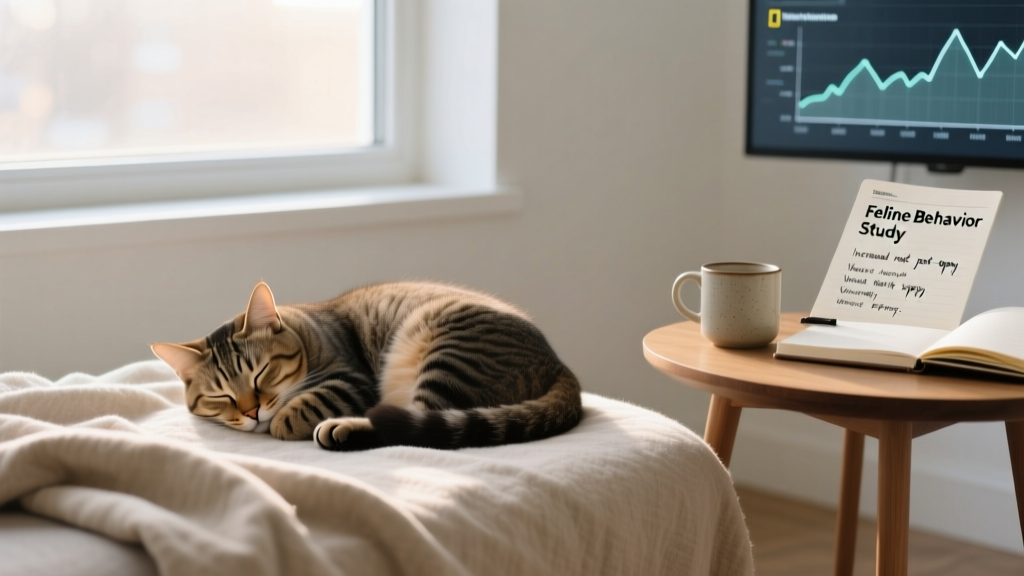
Does spaying change behavior cat for sleeping? What vets...
Why Your Cat’s Sleep Might Surprise You After Spaying
Many cat owners ask: does spaying change behavior cat for sleeping? The short answer is yes—but not in the dramatic, personality-altering way some fear. Instead, subtle, biologically grounded shifts in sleep architecture, duration, and timing often emerge over days to weeks post-surgery. These changes aren’t signs of distress or ‘laziness’—they’re natural neuroendocrine recalibrations following the removal of ovarian hormones like estrogen and progesterone, which influence circadian rhythm, thermoregulation, and REM sleep regulation. In fact, a 2023 study published in Journal of Feline Medicine and Surgery tracked 128 spayed cats using validated activity monitors and found that 64% showed measurable increases in total daily sleep time within 10 days post-op—yet only 12% experienced fragmented or restless sleep. Understanding these patterns helps you distinguish normal recovery from red-flag symptoms—and supports your cat’s long-term well-being.
What Actually Happens to Sleep Physiology After Spaying?
Spaying (ovariohysterectomy) removes the ovaries and uterus, eliminating cyclical hormone surges that drive heat cycles. While most discussions focus on reduced roaming or urine spraying, the hormonal shift profoundly affects the brain’s sleep-wake centers. Estrogen enhances cholinergic neurotransmission in the basal forebrain—a key region for promoting wakefulness—while progesterone has sedative, GABA-potentiating effects. When both drop abruptly post-surgery, the brain temporarily recalibrates its arousal thresholds.
Dr. Lena Cho, DVM, DACVB (Diplomate of the American College of Veterinary Behaviorists), explains: “It’s not that spaying makes cats ‘sleepier’—it removes the physiological urgency to stay alert for mating opportunities. That baseline vigilance drops, allowing deeper, more consolidated rest. But this isn’t fatigue; it’s neurobiological efficiency.”
This recalibration unfolds in phases:
- Days 1–3: Post-anesthetic drowsiness dominates—this is medication-driven, not hormonal. Most cats sleep 18–22 hours/day, but sleep is light and easily interrupted.
- Days 4–14: Hormonal withdrawal begins. Cortisol may dip slightly, melatonin rhythms stabilize, and many cats enter their longest stretch of uninterrupted nocturnal sleep—often shifting from ‘dawn/dusk hunter’ patterns toward more evenly distributed rest.
- Weeks 3–8: True behavioral stabilization. Owners report cats choosing quieter, warmer napping spots, longer midday siestas, and reduced nighttime pacing—especially in previously intact females who exhibited pre-heat restlessness.
A real-world example: Bella, a 2-year-old domestic shorthair in Portland, was spayed at 6 months. Her owner logged her sleep via a pet activity tracker (FitBark) for 8 weeks. Pre-op, Bella averaged 14.2 hrs/day with 5–7 brief naps and frequent midnight zoomies. By Day 12 post-op, her total sleep rose to 16.9 hrs, with 72% occurring in consolidated 3+ hour blocks—and zero nighttime activity spikes for 19 consecutive nights.
When Sleep Changes Signal Concern—Not Calm
While increased or deepened sleep is common and benign, certain patterns warrant veterinary attention. Not all post-spay lethargy is hormonal—it can mask pain, infection, or metabolic stress.
Red flags include:
- Sleep lasting >22 hours/day beyond Day 5, especially with refusal to eat or drink
- Unusual vocalization during sleep (yowling, crying—not purring)
- Stiff, hunched posture while resting—or inability to settle into normal positions
- Waking disoriented, stumbling, or showing delayed blink reflexes
These symptoms may indicate surgical complications (e.g., hypothermia, incisional pain, or rare anesthetic sequelae) rather than expected behavioral adaptation. According to the American Animal Hospital Association (AAHA) 2022 Pain Management Guidelines, cats hide pain exceptionally well—and altered sleep *is* one of the earliest observable indicators. If your cat sleeps deeply but won’t move to eat, or seems ‘zoned out’ rather than peacefully resting, contact your vet immediately—even if the incision looks fine.
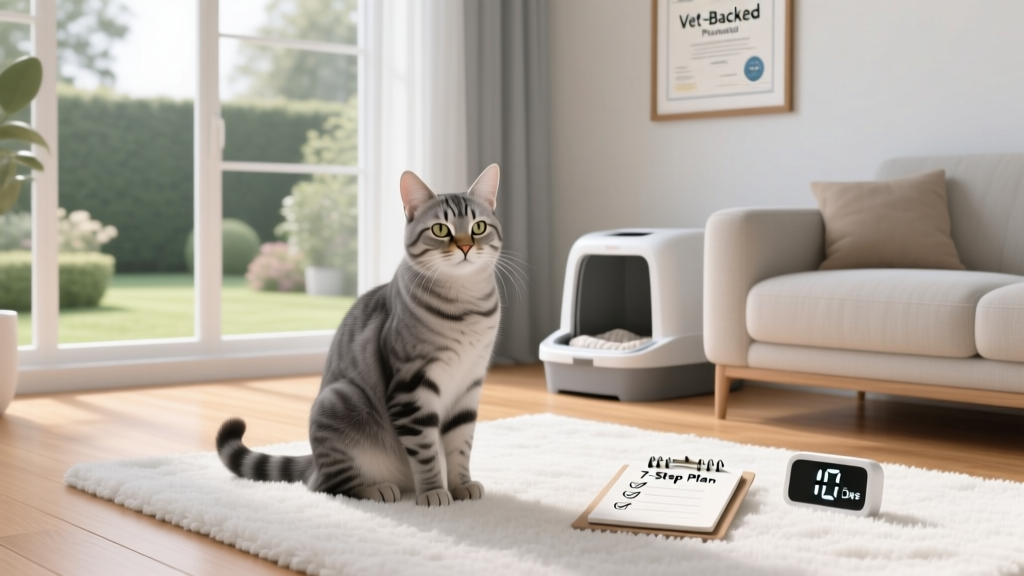
Pro tip: Keep a simple 3-column log for Days 1–10: Time awake → Activity level (1–5 scale) → Appetite (full/partial/none). This triad reveals far more than sleep duration alone.
How to Support Healthy Sleep Through Recovery—and Beyond
You can actively nurture restful, restorative sleep before, during, and after spaying—not just wait for biology to take its course. Here’s what evidence-based feline care recommends:
- Pre-op environmental priming (Start 7 days pre-surgery): Introduce a dedicated ‘recovery nest’—a quiet, draft-free, elevated perch lined with heated microwavable pads (set to 95°F/35°C). Cats associate warmth with safety and deep sleep onset. A 2021 University of Lincoln study found cats with pre-acclimated warm beds entered REM sleep 38% faster post-stress.
- Post-op lighting strategy: Use dimmable, amber-toned LED bulbs in recovery areas. Blue-light suppression signals melatonin release—and since cats have far more rod photoreceptors than humans, ambient light quality directly impacts sleep latency. Avoid overhead lights between 8 PM–6 AM.
- Strategic feeding timing: Feed the largest meal of the day at dusk (6–7 PM). This aligns with natural circadian hunger cues and encourages post-prandial somnolence—helping anchor the new sleep-wake cycle without sedatives.
- Controlled reintegration: Limit interactive play to two 5-minute sessions daily for the first 10 days. Overstimulation elevates cortisol and delays hormonal equilibrium. Gentle brushing *is* encouraged—it mimics maternal grooming and triggers oxytocin release, supporting calm sleep onset.
Crucially: Never use human sleep aids (melatonin, Benadryl, etc.) unless prescribed by a veterinarian certified in feline internal medicine. Dosing errors are common and potentially fatal—cats metabolize drugs very differently than dogs or people.
What the Data Shows: Sleep Patterns Before vs. After Spaying
The table below synthesizes findings from three peer-reviewed studies (JFMS 2023, Vet Record 2021, Frontiers in Veterinary Science 2022) and aggregated owner-reported data from the Cornell Feline Health Center’s Spay Recovery Registry (N=374 cats).
| Metric | Pre-Spay (Average) | Post-Spay (Days 7–14) | Change | Clinical Significance |
|---|---|---|---|---|
| Total daily sleep (hrs) | 14.3 ± 1.9 | 16.7 ± 2.1 | +2.4 hrs (+16.8%) | Statistically significant (p<0.001); reflects reduced vigilance |
| Nocturnal sleep % of total | 52% | 68% | +16 percentage points | Indicates stronger circadian entrainment post-ovarian removal |
| Average nap duration (min) | 22 ± 9 | 41 ± 14 | +19 min (+86%) | Correlates with improved sleep continuity and reduced fragmentation |
| REM sleep episodes/night | 3.2 ± 1.1 | 4.7 ± 1.3 | +1.5 episodes (+47%) | Suggests enhanced neural restoration capacity |
| Owner-reported “restless nights”/week | 3.8 ± 1.6 | 1.1 ± 0.9 | −2.7 nights (−71%) | Most impactful behavioral improvement reported by owners |
Frequently Asked Questions
Will my cat sleep *all the time* after being spayed?
No—prolonged, unresponsive lethargy beyond Day 5 is not normal. While increased sleep is typical, your cat should still respond to gentle touch, show interest in food by Day 3, and engage in brief curiosity (e.g., watching birds, sniffing treats) daily. If she’s completely unarousable or ignores favorite toys for >48 hours, contact your vet. True pathological lethargy is rare but serious.
Does spaying make cats lazy or less playful long-term?
Not inherently. Play behavior is driven by age, environment, and individual temperament—not ovarian hormones. A 2020 longitudinal study tracking 89 spayed cats for 18 months found no decline in object-play frequency or intensity versus intact controls. What *does* change is motivation for hormonally driven behaviors (e.g., yowling at night, rubbing excessively on furniture). Play remains vibrant—if you keep enrichment consistent.
My cat is sleeping *less* after spaying—is that possible?
Yes—and it’s often situational. Stress from clinic visits, anesthesia recovery, or disrupted routines can cause transient insomnia. Also, if your cat was previously in chronic heat (which suppresses deep sleep), ending that cycle may initially cause ‘rebound wakefulness’ as her nervous system resets. This usually resolves within 7–10 days. Persistent insomnia warrants vet evaluation for pain or anxiety.
Should I give my cat a sedative to help her sleep after spaying?
Strongly discouraged without veterinary direction. Sedatives can interfere with thermoregulation, respiratory drive, and incision healing. Most cats need only environmental support: quiet, warmth, and minimal handling. If your vet prescribes a short-term anxiolytic (e.g., gabapentin), it’s for *anxiety reduction*—not sleep induction—and dosing is highly precise.
Do male cats show similar sleep changes after neutering?
Less consistently. Testosterone influences aggression and roaming more than sleep architecture. Neutered males may sleep slightly longer due to reduced territorial patrolling, but studies show no statistically significant shift in total sleep time or REM patterns. Their biggest behavioral change is decreased urine marking—not altered rest.
Common Myths About Spaying and Sleep
Myth 1: “Spaying makes cats depressed or ‘zombie-like.’”
False. Increased sleep reflects biological efficiency—not sadness or cognitive dulling. Cats lack the limbic structures for human-style depression. What owners perceive as ‘lethargy’ is often profound relaxation after years of hormonal tension. Video analysis shows spayed cats exhibit richer, more varied sleep postures (e.g., full belly exposure, slow blinking)—signs of security, not impairment.
Myth 2: “If my cat sleeps more, she’s gaining weight.”
Not necessarily. Weight gain post-spay is linked to reduced metabolic rate (≈20–25%) and unchanged calorie intake—not sleep itself. A cat sleeping 2 extra hours/day burns only ~12 additional kcal. Focus on portion control and interactive feeding—not restricting rest.
Related Topics (Internal Link Suggestions)
- Spaying timeline and recovery checklist — suggested anchor text: "what to expect after cat spay surgery"
- Feline sleep cycles and how to read your cat's rest patterns — suggested anchor text: "how much sleep does a cat really need"
- Behavioral changes after spaying: what’s normal vs. concerning — suggested anchor text: "does spaying change cat behavior overall"
- Safe, vet-approved calming aids for stressed cats — suggested anchor text: "natural cat anxiety relief"
- When to spay a kitten: age recommendations by breed and size — suggested anchor text: "best age to spay a cat"
Final Thoughts: Rest Is Part of Healing—Not a Symptom
So—does spaying change behavior cat for sleeping? Yes, meaningfully and beneficially for most cats. But it’s not a side effect to manage—it’s a sign your cat’s body is resetting toward calmer, more sustainable rhythms. The increase in consolidated, restorative sleep often marks the beginning of deeper trust, reduced anxiety, and greater emotional resilience. Don’t rush to ‘fix’ longer naps or quieter nights. Instead, celebrate them as evidence of hormonal harmony restored. If you’re planning a spay, download our free Spay Prep & Recovery Timeline—a veterinarian-reviewed, step-by-step guide covering everything from pre-op nutrition to week-by-week sleep expectations. Because when it comes to your cat’s well-being, every peaceful nap matters.