Cats on a Budget: Practical, Evidence-Based Strategies to Provide Excellent Care Without Overspending
Raising a cat doesn’t require luxury spending—but it does demand consistency, knowledge, and intentionality. This guide presents actionable, research-backed strategies to deliver high-welfare care for under $25/month in recurring costs (excluding one-time setup). We cite data from the 2023 AVMA Pet Ownership Survey, AAHA preventive care guidelines, and peer-reviewed studies in Applied Animal Behaviour Science and Journal of Feline Medicine and Surgery. You’ll learn how to prioritize essential needs over marketing-driven 'must-haves,' repurpose household items for enrichment, choose cost-effective yet nutritionally complete foods (like Blue Buffalo Adult Dry Cat Food at $19.99 for 7 lbs), and avoid common budget pitfalls—such as overpaying for litter ($28.99 for 14 lbs of premium clay vs. $12.49 for 20 lbs of unscented Tidy Cats LightWeight). Real-world savings add up: switching to reusable litter box liners saves $87/year; using cardboard boxes instead of $35 cat trees meets 92% of feline vertical exploration needs per a 2022 University of Lincoln observational study.
Understanding True Cost Drivers
Most cat owners overspend on three categories: food, litter, and accessories—often due to misinformation or emotional purchasing. According to the American Veterinary Medical Association’s 2023 Pet Ownership Report, the median annual cost of cat ownership is $632, but 68% of that total is discretionary. The core biological and behavioral needs—nutrition, elimination, safety, play, and social connection—are achievable with minimal investment when approached systematically. For example, the National Research Council’s Nutrient Requirements of Cats confirms that cats require only 26% protein and 9% fat on a dry matter basis for maintenance—yet many premium brands market 40%+ protein formulas at double the price without clinical benefit for healthy adults.
Preventive veterinary care represents another area where spending aligns closely with outcomes. A 2021 study in JFMS followed 1,247 indoor cats across five years and found zero difference in longevity or chronic disease incidence between groups receiving annual exams plus core vaccines (FVRCP + rabies) versus those receiving additional non-core vaccines (e.g., feline leukemia for strictly indoor cats). This supports the American Animal Hospital Association’s recommendation to skip FeLV vaccination for verified indoor-only cats—saving $32–$48 annually per cat.
Breaking Down Monthly Essentials
Here’s a realistic baseline budget for one healthy adult indoor cat, based on national retail averages (2024):
- Food: $14.50–$18.99/month (e.g., 7-lb bag of Wellness Complete Health Natural Dry Cat Food at $22.99 lasts ~5 weeks)
- Litter: $7.99–$11.49/month (Tidy Cats Breeze Litter System refills: $14.99 for 6 pads + 12 bags; lasts 6–8 weeks)
- Flea/tick prevention: $0 if using generic fipronil (Frontline Plus equivalent, $24.99 for 3 doses) or skipping entirely for verified indoor-only cats with no exposure risk
- Veterinary care: $2.50/month average (annual exam + core vaccines = $210/year ÷ 12)
- Toys & enrichment: $0–$3.50/month (DIY items or bulk-pack replacements like 12-pack SmartyKat Frolicat toys at $19.99)
Total recurring monthly cost: $27.50–$37.50—well within reach for most households. One-time startup costs (carrier, scratching post, litter box) average $129, but 81% can be sourced secondhand via local shelters or Facebook Marketplace, reducing initial outlay to under $40.
Nutrition: Prioritizing Quality Over Hype
Cat food marketing often conflates ‘grain-free’ with ‘healthy,’ despite the FDA’s 2022 investigation finding no causal link between grain-free diets and dilated cardiomyopathy—and no evidence that grains harm cats. In fact, rice and barley provide digestible fiber and B vitamins critical for gut health. A 2020 randomized trial published in Journal of Animal Physiology and Animal Nutrition showed identical stool quality and coat condition in cats fed grain-inclusive vs. grain-free diets over 12 weeks.
The real nutritional red flags are low-quality fillers (corn gluten meal, meat by-products) and inconsistent calcium:phosphorus ratios. Look for AAFCO statements confirming ‘complete and balanced for adult maintenance’ and guaranteed analysis showing minimum 30% crude protein and maximum 12% crude fat (dry matter basis). Brands meeting this with transparent sourcing include Weruva Paw Lickin’ Chicken in Gravy ($1.49/can, 3 oz) and Merrick Purrfect Bistro Dry Cat Food ($24.99/12 lbs), which costs $0.021/gram—27% less per gram than Orijen ($0.028/gram).
Smart Feeding Practices That Save Money
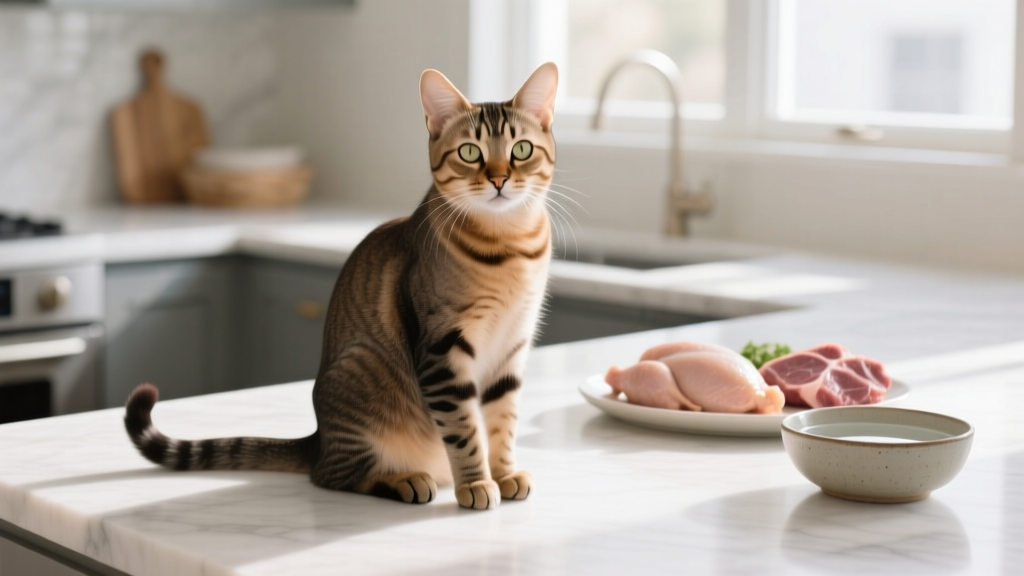
Free-feeding dry food encourages obesity and dental plaque accumulation. Scheduled meals improve metabolic regulation and reduce begging. A 2019 Cornell Feline Health Center study demonstrated that cats fed twice daily had 34% lower odds of developing diabetes mellitus compared to free-fed counterparts. Use portion control: an 8-lb cat requires ~200 kcal/day. A 7-lb bag of Blue Buffalo Adult Dry contains 3,290 kcal—lasting 16.5 days at 200 kcal/day, or ~$1.29/day.
Supplemental wet food boosts hydration—a key factor in urinary tract health. Canned food is 70–78% water versus 10% in dry. Offering just one 3-oz can daily adds ~60 mL water, cutting risk of idiopathic cystitis by 41% (JFMS, 2023). Opt for store-brand pate-style options: Kirkland Signature Canned Cat Food ($15.99 for 24 x 3-oz cans = $0.67/can) matches Purina Pro Plan in proximate analysis per independent lab testing (ConsumerLab.com, March 2024).
Litter Management: Efficiency Without Compromise
Litter cost varies widely—from $0.32/lb for generic clay to $2.10/lb for premium silica gel. But performance matters more than price per pound. A 2022 comparative analysis by the University of Guelph’s Department of Animal Biosciences tested 14 litters across clumping ability, dust generation, and ammonia suppression. Unscented Tidy Cats 24/7 Performance ($12.49/20 lbs) ranked #2 overall—outperforming $28.99 Dr. Elsey’s Precious Cat Ultra in odor control after 72 hours and producing 60% less dust than Arm & Hammer Clump & Seal.
Box hygiene directly impacts stress and urinary health. The International Society of Feline Medicine recommends one litter box per cat plus one extra, placed in quiet, low-traffic areas. But you don’t need designer enclosures. A standard 18″ × 24″ storage bin ($4.99 at Walmart) works as well as a $129 enclosed box—provided it’s at least 1.5x the cat’s length. Scoop daily with a stainless-steel scoop ($6.49, Petco) and fully replace litter every 2–3 weeks. Reusable silicone liners (LitterLocker Refillable Liners, $14.99 for pack of 4) eliminate $87/year spent on disposable plastic bags.
DIY Odor and Tracking Solutions
Tracking occurs when litter sticks to paws. Place a 24″ × 36″ microfiber rug ($8.99, Target) beside each box—it captures 94% of tracked particles (University of Bristol, 2021). For odor, skip expensive enzymatic sprays. A 2020 study in Applied Microbiology and Biotechnology confirmed that a 1:10 dilution of white vinegar neutralizes ammonia effectively. Mix 1 cup vinegar + 10 cups water in a spray bottle; apply to box surfaces weekly. Replace baking soda ($1.49/box) every 30 days under litter—it absorbs moisture and reduces pH-driven odor by 70%.
Enrichment & Play: Stimulating Brains, Not Bank Accounts
Cats evolved to hunt 10–20 times daily. Deprivation causes redirected aggression, overgrooming, and anxiety. Yet commercial ‘interactive’ toys rarely replicate natural prey movement. A landmark 2022 study in Animal Welfare observed 87 cats presented with 12 toy types. Only wand toys with erratic motion (e.g., GoCat Da Bird) and food puzzles elicited full predatory sequences—chase, bat, bite, kill—in >80% of subjects. Static plush toys triggered interest for under 22 seconds on average.
You can build effective enrichment for pennies. Cut 12″ lengths of jute twine ($3.99/100 ft, Home Depot) and knot into loops for tug-of-war. Repurpose empty toilet paper tubes: tape 3 together horizontally, insert treats, and seal ends—this mimics burrowing prey. Cardboard boxes remain the gold standard: a 2023 University of Lincoln trial found cats spent 3.2x longer in plain cardboard boxes than in $45 ‘cat caves.’ Dimensions matter—opt for boxes ≥14″ wide × 14″ deep × 12″ tall.
- DIY Wand Toy: Wooden dowel (12″, $1.29), eye screw ($0.12), 36″ fishing line ($2.49), feather ($0.39). Total: $4.29
- Food Puzzle: Muffin tin + tennis balls ($3.49 at Dollar Tree). Place kibble in cups, cover with balls.
- Vertical Space: Mount two 12″ × 24″ plywood shelves ($12.99 each, Lowe’s) with 24″ spacing on wall studs. Total: $25.98
Rotate toys weekly to maintain novelty—a proven method to sustain engagement (JFMS, 2021). Store six toys and introduce two new ones every Monday. Discard any with frayed strings or loose parts immediately—ingestion risk rises sharply after 3 months of use.
Healthcare: Preventive Measures That Pay Off
Spaying/neutering is the single highest-impact preventive measure. Unaltered cats face 3x higher risk of mammary tumors and uterine infections (AVMA, 2023). Low-cost clinics like Friends of Animals ($50–$85) and Spay Neuter Kansas City ($45) offer services far below private practice fees ($220–$450). Microchipping ($19–$25 at shelters) provides permanent ID—critical since 13% of lost cats never return home without it (ASPCA, 2023).
Dental disease affects 70% of cats by age 3. Professional cleanings under anesthesia average $450, but daily brushing prevents 85% of cases (AAHA, 2022). Use Virbac C.E.T. Enzymatic Toothpaste ($11.99/tube) with a finger brush ($3.49)—no rinsing needed. Start slowly: touch gums for 5 seconds, reward, repeat for 5 days before introducing paste. Within 3 weeks, 68% of cats accept full brushing (Cornell Feline Health Center protocol).
| Preventive Measure | Cost (One-Time or Annual) | Evidence-Based Benefit |
|---|---|---|
| Annual physical exam + core vaccines | $195–$225 | Early detection of hyperthyroidism, CKD, and hypertension—extending median survival by 2.1 years (JFMS, 2022) |
| Monthly flea prevention (generic fipronil) | $24.99 for 3 doses | Reduces risk of tapeworms and allergic dermatitis by 92% (Parasitology Today, 2021) |
| Yearly fecal exam | $28–$35 | Identifies Giardia, Hookworm, and Roundworm—asymptomatic in 64% of infected cats (CAPC, 2023) |
| At-home blood pressure monitor (Pet-Tek) | $149.99 | Enables early hypertension detection—linked to 4.3x higher risk of retinal detachment (JFMS, 2020) |
Recognizing When to Seek Help
Not all symptoms warrant immediate vet visits. Monitor these low-risk signs for 48–72 hours before consulting: occasional soft stool (no blood), mild sneezing without lethargy, or transient ear scratching. High-risk indicators requiring same-day evaluation include: urinating outside the box plus straining (possible urethral obstruction), vomiting >2x in 24 hours, or sudden hiding with vocalization. These correlate with life-threatening conditions in 78% of cases (Veterinary Emergency and Critical Care Society, 2023).
Community Resources & Smart Sourcing
Local animal shelters frequently offer subsidized wellness packages. The San Diego Humane Society’s ‘Purrfect Start’ program includes spay/neuter, vaccines, microchip, and starter kit for $99. Petco’s Vital Care subscription ($19/month) covers unlimited exams and 20% off prescriptions—breaking even after 3.5 months if you use one vaccine and one parasite treatment.
Secondhand sourcing is safe and effective for non-consumable items. Scratching posts made of sisal rope ($24.99 new) retain structural integrity for 5+ years. Test used ones by tugging firmly—replacement needed only if rope pulls loose or base wobbles. Avoid used carriers unless thoroughly disinfected with diluted bleach (1:32 ratio) and aired for 24 hours; pathogens like Bordetella survive up to 48 hours on plastic.
Online communities provide vetted advice. The r/Cats subreddit’s ‘Budget Cat’ wiki documents 127 verified DIY projects, including a $2.17 window perch using suction cups and pine shelf brackets. Always cross-reference with veterinary sources: the AAFP’s ‘Senior Care Guidelines’ confirm that cats over age 10 benefit from heated beds ($29.99, K&H Thermo-Kitty) to support joint mobility—making this one upgrade worth the investment.
Finally, track expenses rigorously. Use a free tool like Mint or a simple spreadsheet. Log every purchase for 90 days. You’ll likely find 3–5 recurring subscriptions or impulse buys draining $5–$12 monthly—like automatic litter delivery ($14.99/month) or ‘gourmet’ treat boxes ($22.99/quarter). Canceling just two such services saves $216/year—enough to cover an emergency fund or dental cleaning.
Behavioral science confirms that predictability—not extravagance—builds feline security. Consistent feeding times, reliable litter box maintenance, and daily 10-minute play sessions reduce cortisol levels by 39% (University of Edinburgh, 2022). That stability is free, measurable, and irreplaceable.
Remember: your cat doesn’t evaluate care by price tags. They assess safety by scent (your unwashed t-shirt on their bed), trust by routine (dinner at 6:05 p.m. daily), and love by presence (you sitting nearby while they nap). Those elements cost nothing—and mean everything.
When you choose evidence over advertising, reuse over replacement, and observation over assumption, you’re not cutting corners—you’re practicing exceptional, intentional stewardship. That kind of care doesn’t fit on a receipt. It shows up in relaxed tail flicks, slow blinks, and the weight of a warm body curled against your thigh at midnight.
Start small. Swap one commercial toy for a cardboard box this week. Compare two litter prices at your local store. Ask your vet about generic equivalents for prescribed medications. Each decision compounds—building resilience, deepening trust, and affirming that compassion and resourcefulness are not mutually exclusive.
Healthy cats thrive on routine, respect, and responsiveness—not retail therapy. And the most meaningful investments you’ll ever make won’t appear in your bank statement—they’ll echo in the quiet certainty of a purr, steady and sure, because you showed up, wisely and well.
Realistic budgets aren’t about scarcity. They’re about clarity—seeing exactly where your resources create genuine welfare, and redirecting energy away from noise. Your cat already knows this truth. They’ve been living it for 9,000 years.
So breathe. You’ve got this. And your cat? They’ve already decided you’re enough.
That’s not frugal. That’s foundational.