Cat Trilling Sound: Happiness and Greeting Vocalization
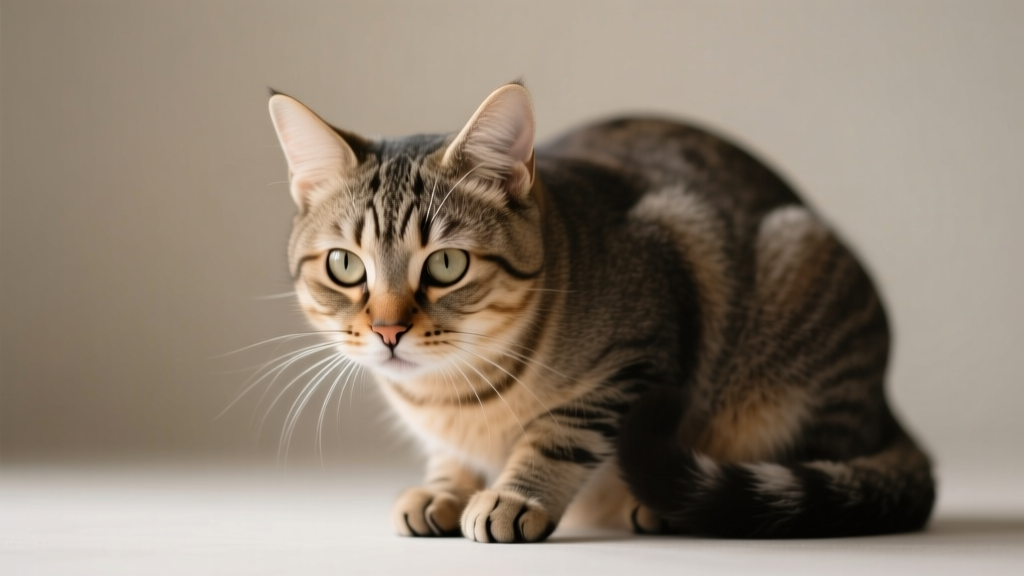
You’re walking to the kitchen in socks, half-awake, and there it is: a tiny, musical “brrrp?” from the hallway. Your cat trots up like they’ve been waiting all morning to deliver the news that you are, in fact, finally awake. Sometimes they add a head-butt to your shin or weave between your ankles like a fuzzy slalom course. Other times they trill from the top of the stairs as if they’re calling you to a meeting.
If you’ve ever wondered, “Is that a meow? A purr? A bird sound?” you’re not alone. That sweet little cat trilling sound is one of the most charming feline vocalizations—and it often signals happiness, greeting, and friendly connection.
The science (and evolution) behind cat trilling
Trilling—often described as a high-pitched, rolling “brrr” or “prrt”—sits somewhere between a meow and a purr. It’s typically short, light, and upbeat.
From an evolutionary and behavioral standpoint, trilling makes sense as a close-range social signal. Wild and free-roaming cats aren’t constant chatterboxes; being too noisy can attract predators or rivals. But domestic cats, living in safer environments (and with humans who respond to sound), have a bigger “vocabulary” for communication. Trills appear to have roots in:
- Mother-to-kitten communication: Mother cats use soft, rolling calls to guide kittens—“follow me” energy. Kittens learn to recognize and respond to these gentle signals.
- Friendly social bonding: In cat-to-cat interactions, trills can function as a non-threatening greeting, helping maintain social harmony.
- Human-directed communication: Domestic cats quickly learn which sounds make humans look, talk back, feed them, or engage. A trill is non-demanding and pleasant—humans tend to react positively.
In other words, trilling is often the sound of a cat saying, “You’re safe, I’m friendly, come closer,” with a dash of “and I’d like a little attention, please.”
What trilling sounds like (and how it differs from meowing and purring)
Many owners describe trilling as:
- A chirpy “brrrp” or “mrrr”
- A rolling R sound (especially in cats that “talk” a lot)
- A quick, musical burst rather than a long meow
Compared to other sounds:
- Meow: Often longer and more direct. Meows are frequently human-focused—“I need something.”
- Purr: Usually continuous and vibrational. Purring can mean contentment, but cats also purr when anxious or in pain as a self-soothing behavior.
- Chirp (bird-like): Often used when watching prey out the window, sounding like “ek-ek-ek.” Trills are typically more social than prey-focused.
Common contexts: when cats trill and what’s happening
Trilling isn’t one-size-fits-all. The same sound can show up in different moments, and context matters. Here are the scenarios cat owners recognize instantly:
1) The “Hello, you exist!” greeting
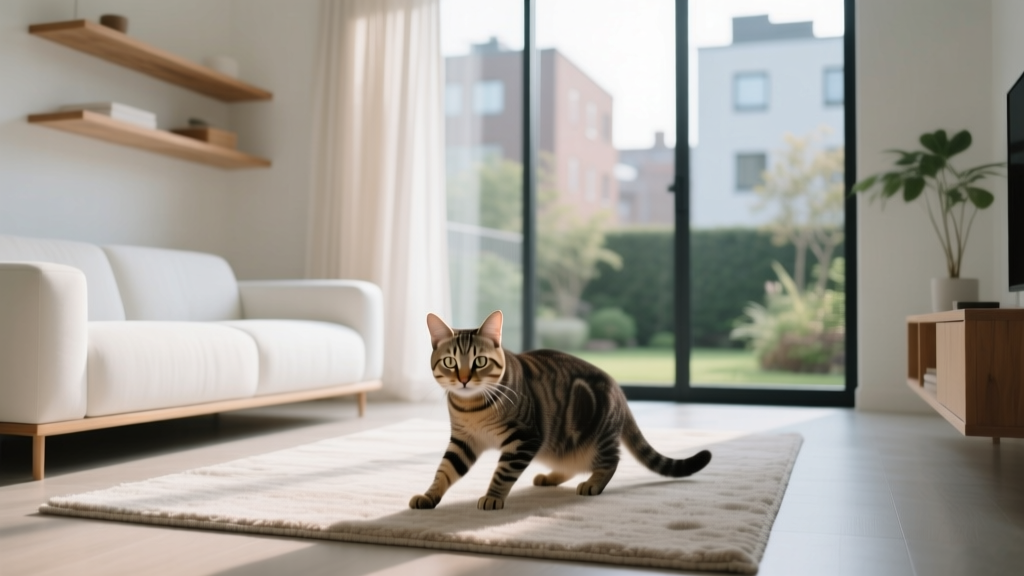
You come home, and your cat trots out with a confident tail-up. They trill once or twice, rub your legs, and maybe lead you toward the kitchen. This is often a warm social greeting—your cat is acknowledging you and reconnecting.
2) The “Follow me” invitation
Your cat trills and walks a few steps, then looks back to see if you’re coming. Repeat. This commonly shows up when they want you to:
- watch them eat
- follow them to a sunny spot
- check out a toy they “killed”
- go to the treat cabinet (of course)
3) The affectionate check-in
You’re working on your laptop, and your cat hops up, gives a tiny trill, and head-butts your hand off the mouse. This is often social bonding: “Hi. Still friends? Great. Pet me.”
4) The excited anticipation trill
Some cats trill when they see you pick up the food bowl, open the treat jar, or grab the wand toy. These trills may be a mix of excitement and positive expectation—like a kid hearing the ice cream truck.
5) The polite request (instead of a demanding meow)
Not every cat is a dramatic vocalist. Some cats use trills as a softer way of asking for something. Think of it as: “Excuse me, could you possibly provide snacks and/or door service?”
What trilling says about your cat’s mood and feelings
Most of the time, a trill points to a positive or affiliative emotional state. Here’s what it commonly signals:
- Friendly confidence: Your cat feels safe enough to approach and vocalize.
- Social connection: They’re engaging you as a social partner (yes, you’re part of their “group”).
- Gentle excitement: Trilling is often upbeat—like a small burst of joy.
- Comfort with routine: Many cats trill in predictable daily moments, which suggests the routine is reassuring.
Pay attention to the whole cat, not just the sound. A happy trill often comes with:
- tail held upright (sometimes with a little hook at the tip)
- soft eyes or slow blinks
- relaxed ears facing forward
- gentle rubbing or bunting (head-butting)
Related behaviors you might also notice
Trilling rarely happens in isolation. Cats often pair it with other “friendly” signals. You may see:
- Tail-up greeting: The cat version of a confident “hi.”
- Bunting: Rubbing their cheeks/head on you to deposit friendly scent signals.
- Figure-eighting: Weaving around your legs, often with little trills mixed in.
- Slow blinking: A relaxed, affiliative gesture—like a soft compliment.
- Kneading: Sometimes follows trilling if your cat settles in for cuddles.
- Purr + trill combo: Some cats trill as they purr, especially when greeting or being petted.
When trilling is normal… and when it might be a concern
In most households, trilling is a normal, healthy behavior—often a sign of a socially comfortable cat. But any vocalization can change with health, stress, or aging. Consider checking in with your veterinarian or observing more closely if:
- The trilling suddenly increases and seems frantic, especially in an older cat (could relate to anxiety, cognitive changes, or sensory decline).
- The trill sounds strained, hoarse, or painful—like your cat is trying to vocalize but can’t. This may indicate upper respiratory issues or laryngeal irritation.
- Trilling comes with signs of distress: hiding, reduced appetite, crouching, dilated pupils, aggressive behavior, or litter box changes.
- Your cat trills constantly at doors/windows with pacing, agitation, or attempts to escape—sometimes linked to stress, boredom, or territorial arousal (especially if outdoor cats are visible).
If the sound is the same as always and your cat’s behavior, appetite, grooming, and litter box habits are normal, it’s usually just part of their unique communication style.
How to respond (and how to encourage more of it)
If you want more trills in your life (understandable), the secret is simple: reward the communication you like in ways your cat enjoys. Try these tips:
- Trill back—gently: Many cats respond to a soft, friendly voice. You don’t need to mimic perfectly; a light “Hi!” in a warm tone can become your shared greeting ritual.
- Offer predictable attention: If your cat trills at morning greeting time, respond with 10–20 seconds of petting or a slow blink. Consistency builds trust.
- Use the “follow me” moment: If your cat trills and walks away, follow (when you can). You’re reinforcing that communication works.
- Pair trills with enrichment: Trilling can increase when cats feel socially satisfied and mentally engaged. Daily play sessions, food puzzles, and window perches all help.
- Respect boundaries: If trilling flips into overstimulation (tail swishing, skin twitching, ears turning sideways), pause petting. A cat can be happy and still have a short touch tolerance.
Most importantly: respond to trilling with calm, positive energy. Cats are excellent at learning emotional “patterns.” If trilling gets them a gentle, safe interaction, they’ll keep using it.
Fun facts and research-flavored tidbits about trilling
- Some breeds are famous for it: Siamese, Tonkinese, and other “talky” cats may trill frequently, but any cat can be a triller.
- It often functions like a social glue: In multi-cat homes, trills can appear during friendly approaches—like a polite announcement of presence to reduce tension.
- Cats adjust vocalizations to humans: Studies on cat communication suggest domestic cats use certain vocal signals more with people than with other cats—because humans respond. Trills fit perfectly in that “effective with humans” category.
- Not all happy cats trill: Some cats are quiet cuddlers. Others are chatty narrators. Vocal style is partly personality and partly learning history.
FAQ: Cat trilling sound
Is trilling the same as chirping?
They’re related but usually different in context. Trilling is commonly social (greetings, inviting you to follow). Chirping is often prey-related (watching birds, hunting play). Some cats blur the line and use a mix of both.
Why does my cat trill when I pet them?
Often it means they’re enjoying the interaction and offering a friendly “conversation” sound. If the trill turns into twitchy skin, tail flicking, or sudden biting, your cat may be getting overstimulated—try shorter petting sessions or switch to cheek/shoulder rubs.
Why does my cat trill and then bite me?
This can happen when a cat is excited, overstimulated, or trying to initiate play. Look at body language: if the cat is wiggly, pupils are large, or they’re grabbing with paws, it’s likely play arousal. Redirect to a toy and avoid using hands as play objects.
Do cats trill to their kittens?
Yes, mother cats often use soft vocalizations to guide kittens, and many behaviorists believe trilling is connected to these early “follow me” communications. Adult cats may carry that sound into social life with humans and friendly cats.
My cat never trills. Does that mean they’re unhappy?
Not at all. Some cats are naturally quiet or communicate more through body language (slow blinks, rubbing, sleeping near you). A non-trilling cat can be perfectly bonded and content.
Should I be worried if my cat suddenly starts trilling more than usual?
Sometimes it’s harmless—your cat learned a new way to get attention, or they’re feeling extra social. But if the increase is sudden and paired with behavior changes (restlessness, appetite changes, litter box issues, confusion), it’s worth discussing with your veterinarian.
That little “brrrp” is one of the sweetest reminders that cats are social in their own elegant, quirky way. When your cat trills at you, they’re often offering a friendly greeting, inviting connection, or expressing happy anticipation—like a tiny welcome-home song just for you.
Does your cat trill at the top of the stairs? Do they use it as a “follow me” command, or as a greeting when you walk in the door? Share your cat’s funniest, cutest trilling stories with the Cat Lovers Base community at catloversbase.com.