Cat Tail Twitching: Subtle Communication Guide
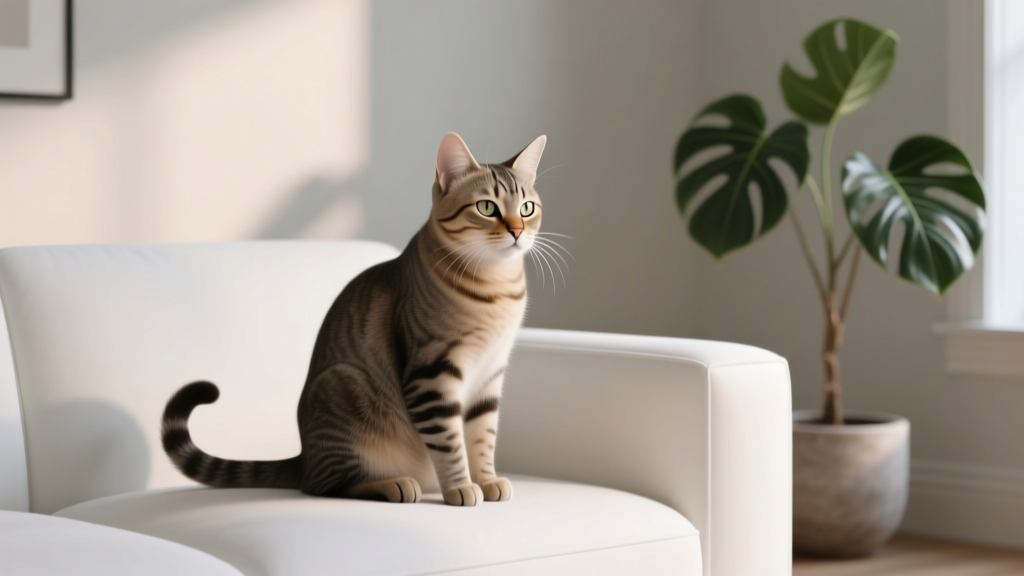
You’re on the couch, half-watching a show, half-watching your cat do that very serious cat thing: sitting like a tiny statue. Everything looks calm… until the tail starts to move. Not a big swish. Not a happy little wiggle. Just a faint twitch-twitch at the tip, like your cat is tapping out a secret message in Morse code. You reach down to pet them, and—oops—your hand gets the “please don’t” glance, or the tail speeds up like it’s suddenly in a hurry.
If you’ve ever wondered, “Is my cat annoyed? Excited? Hunting imaginary ghosts?” you’re in excellent company. Tail twitching is one of the most common (and misunderstood) forms of feline communication. It can mean anything from focused curiosity to simmering irritation—and sometimes it’s simply your cat’s nervous system doing its job. The trick is reading the tail in context, like you’d read tone of voice in a conversation.
Why Cats Twitch Their Tails: The Science and the “Wild Cat” Backstory
A cat’s tail is basically an emotional antenna: it’s packed with muscles, nerves, and vertebrae that allow incredibly precise movement. Evolutionarily, that movement has had real value. In the wild, subtle tail motions can help with:
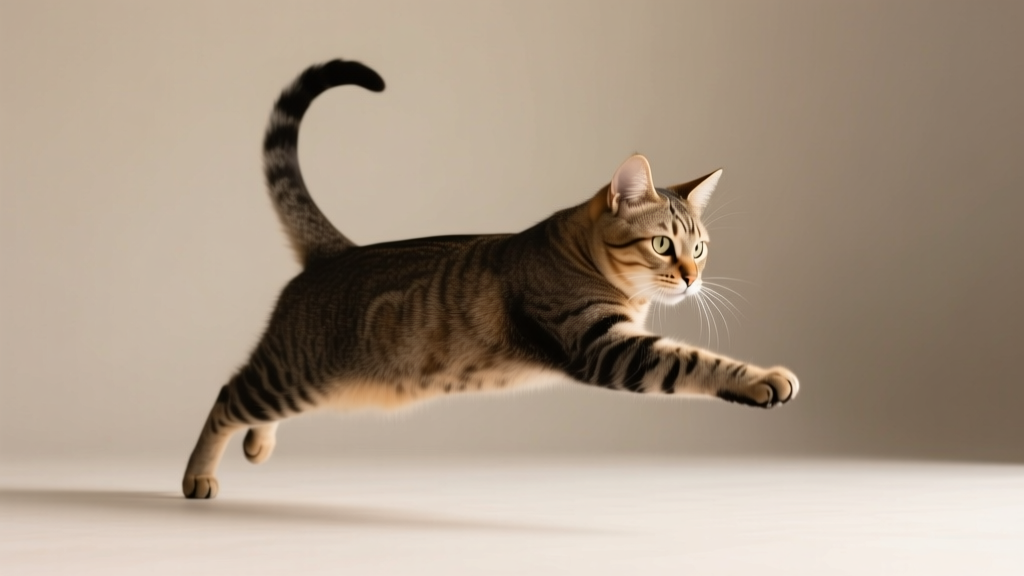
- Balance and agility: The tail acts like a counterweight during climbing, turning, and pouncing. Small adjustments can keep a cat steady on a narrow ledge or mid-leap.
- Hunting control: When a cat is locked onto prey, the body may stay still while the tail “leaks” a little of the internal excitement and readiness.
- Communication: Cats are not pack animals like dogs. They’re social, yes, but they also value personal space and subtle signals. A tail twitch can be a low-volume “message” that avoids a full confrontation.
There’s also the brain side of it. Tail movements can reflect shifts in arousal (think: alertness and emotional intensity). As your cat’s internal state ramps up—interest, stimulation, annoyance, playful energy—the tail often shows it first. That’s why tail twitching can be an early warning sign that your cat is approaching their “I’ve had enough” threshold… or an early hint they’re about to pounce on a toy.
A Detailed Breakdown: Types of Tail Twitching in Different Contexts
Not all tail twitches are created equal. Here are the most common patterns cat owners notice, plus what’s often happening around them.
1) The Tip-Twitch While Watching Something
What it looks like: Your cat’s tail is mostly still, but the last inch flicks side to side.
Common scenario: Your cat is on a windowsill, eyes huge, watching a bird. Or they’re tracking a toy you haven’t even thrown yet.
What it usually means: Focused attention + controlled excitement. This is classic “hunter brain.” Your cat is mentally stalking, even if they’re physically lounging.
2) The Slow Thump-Thump Against the Floor
What it looks like: The tail lifts slightly and taps the ground in a measured rhythm.
Common scenario: You’re petting your cat and everything seems fine—until the tail starts thumping. Or another pet walks by and your cat stays put but starts tapping.
What it usually means: I’m engaged, but I’m not totally comfortable. This can be mild irritation, impatience, or conflicted feelings (they want attention, but not that kind of attention).
3) The Quick Flick-Flick-Flick (Escalating Speed)
What it looks like: Faster, sharper tail flicks, often accompanied by tense posture.
Common scenario: You keep petting despite subtle signals. Or a child is hovering too close. Or your cat is cornered by a situation they can’t control.
What it usually means: Overstimulation or building frustration. This is the “I’m nearing my limit” tail. If it keeps escalating, a swat or bite becomes more likely—not because your cat is “mean,” but because they’re trying to end the interaction.
4) The Full-Body Tail Swish (Big Swooshes)
What it looks like: The tail sweeps broadly from side to side.
Common scenario: Your cat is in play mode, crouched behind furniture, about to ambush your ankles. Or they’re irritated by another cat nearby.
What it usually means: High arousal. This can be play excitement or agitation. Look at the rest of the body to tell which.
5) The “Vibrating Tail” (Quivering While Upright)
What it looks like: Tail held up, with a quick quiver. Sometimes it happens near you or near a favorite spot.
Common scenario: You come home and your cat greets you with an upright tail that vibrates. Or they do it near a scratching post or doorway.
What it usually means: Often happy excitement—a friendly greeting. In some cases, especially near vertical surfaces, it can be related to scent marking behavior (more on that in the “concern vs normal” section).
What Tail Twitching Says About Your Cat’s Mood
Tail language makes the most sense when you combine it with three other “channels”: eyes, ears, and body tension.
- Curious/engaged: Tail tip twitching + forward ears + still body + steady stare. Your cat is interested and mentally “working.”
- Playful: Faster tail movements + wiggly rear end + playful crouch + pupils slightly dilated. Expect a pounce.
- Conflicted: Tail thumping + ears slightly to the side (“airplane ears”) + body staying put. Your cat wants something to change (less petting, more space, different approach).
- Irritated/overstimulated: Sharp tail flicks + skin rippling on the back + ears back + tense shoulders. This is your cue to pause and give space.
- Anxious/alert: Tail twitching + low body posture + scanning environment. Something feels unpredictable to your cat.
A helpful way to think about it: the tail is often the “truth teller.” Your cat might stay in your lap because it’s warm, but the tail will reveal whether they’re actually enjoying the petting.
Related Behaviors You Might Notice (Tail Twitching’s “Friends”)
Tail twitching rarely happens alone. Watch for these companions:
- Skin twitching or rippling along the back: A classic sign of overstimulation or sensitivity.
- Ear swivels: Ears rotating like satellite dishes mean your cat is tracking sounds and staying vigilant.
- Pupil changes: Sudden dilation can mean excitement, play arousal, fear, or stress.
- Whisker position shifts: Whiskers forward often indicate interest; whiskers pulled back can indicate discomfort.
- “Petting-induced” bite: The tail often speeds up before a nip. It’s not betrayal—it’s communication you can learn to spot earlier.
When Tail Twitching Is Normal… and When It Might Be a Concern
Normal tail twitching is typically situation-based: it happens during hunting-watching, play, mild annoyance, or excitement, and it stops when the situation changes.
Potential concern signs include:
- Sudden increase in tail sensitivity: If your cat seems pained when the tail is touched or starts twitching with discomfort, consider injury or pain.
- Compulsive or nonstop twitching: Persistent twitching without an obvious trigger may warrant a veterinary check, especially if paired with skin rippling, frantic grooming, or agitation.
- Tail held oddly or limp: Could indicate trauma, nerve issues, or pain.
- Quivering tail + spraying behavior: If your cat backs up to vertical surfaces and releases urine, that’s territorial marking and may be linked to stress, hormones, or changes in the home. A vet visit is wise to rule out urinary issues, and a behavior plan can help.
If the tail twitching is new, intense, or paired with hiding, aggression, reduced appetite, or litter box changes, it’s smart to consult your veterinarian first. Pain and stress can look like “attitude.”
How to Respond: Practical Tips to Improve Your Cat-Human Relationship
Think of tail twitching as helpful feedback. Your cat is giving you a chance to adjust before they need to escalate.
- During petting: If the tail starts thumping or flicking sharply, pause. Let your cat choose what happens next. Many cats appreciate short petting sessions with breaks.
- Try “consent tests”: Pet for 3–5 seconds, then stop. If your cat leans in, head-butts, or repositions closer, continue. If they freeze, look away, or the tail speeds up, give space.
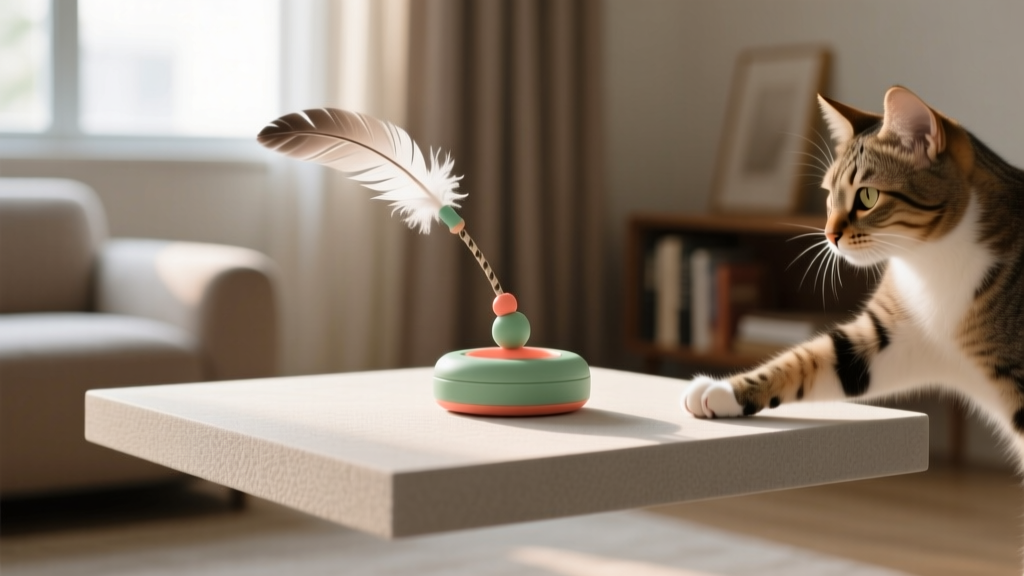
- For play twitching: Great news—you have a ready-to-hunt cat. Use wand toys and give them a satisfying “catch” at the end. This channels that twitchy energy into healthy play instead of ankle ambushes.
- At the window: Tail tip twitching while bird-watching is enrichment in action. Consider a bird feeder outside (placed safely), a window perch, or short daily play sessions to mimic hunting.
- When irritation is brewing: Reduce stimulation: lower noise, increase hiding spots, provide vertical space (cat trees/shelves), and allow your cat a dignified exit route.
- For multi-cat homes: Tail thumping when another cat approaches often means “too close.” Add more resources: multiple litter boxes, feeding stations, and resting areas to reduce social pressure.
Fun Facts and Research-Flavor Nuggets About Cat Tails
- The tail is a precision tool: Cats have many small muscles in the tail that allow those tiny tip movements—perfect for subtle signaling.
- Subtle beats loud: Cats often prefer low-intensity communication. A tail flick can be the polite version of “I’m not comfortable,” before a cat resorts to swatting or leaving.
- Tail language isn’t a single dictionary word: The same twitch can mean different things depending on posture and environment—because it reflects arousal, not a single emotion.
- You can spot escalation early: Many “random” cat bites are preceded by small signs: tail movement, ear shift, skin ripple, pause in purring. Your cat is usually warning you in whispers.
FAQ: Cat Tail Twitching Questions Cat Owners Ask All the Time
Why does my cat’s tail twitch when I pet them?
Often it’s mild overstimulation or mixed feelings—your cat likes being near you but is getting sensitive to touch. Pause, then use short petting bursts and focus on areas many cats prefer (cheeks, under the chin, base of ears) rather than full-body strokes.
Is a twitching tail a sign my cat is mad?
Not always. A gentle tip twitch can mean curiosity or play focus. Faster, sharper flicks—especially with ears back or a tense body—are more likely irritation. Think of it as a volume knob for arousal rather than a single “mad” signal.
Why does my cat’s tail twitch when they watch birds?
That’s hunting mode. Your cat’s brain is running the stalk-and-pounce program while their body stays still. It’s normal and can be a sign of healthy engagement with their environment.
What does it mean when my cat’s tail vibrates when they see me?
Many cats do this as an enthusiastic greeting—like an excited little shiver. If it happens while your cat is backed up to a wall and you notice spraying, that’s different and should be addressed with your vet and a behavior plan.
My cat’s tail twitches while they’re lying down—are they dreaming?
They might be. During rest, small tail movements can happen with light sleep or relaxation, especially if you also see paw twitches or whisker movement. If it’s constant, intense, or seems uncomfortable, get it checked.
Can tail twitching mean my cat is in pain?
It can, especially if the tail or lower back is sensitive to touch, your cat suddenly avoids being handled, or they seem stiff. Pain-related behavior changes deserve a vet visit to rule out injury or medical issues.
Tail twitching is one of those “tiny but mighty” cat signals—easy to miss, incredibly informative once you notice it. The more you watch the whole picture (tail + ears + eyes + body), the more fluent you become in your cat’s everyday language. And when you respond to that language—pausing, giving space, offering a toy instead of a hand—your cat learns you’re a safe, respectful companion. That’s when the really good stuff happens: more trust, more affection, fewer surprise swats, and a cat who feels understood.
Have a cat with a particularly dramatic tail? Or a tiny tail-tip twitcher who runs the household like a quiet CEO? Share your cat’s tail-telling stories with the Cat Lovers Base community at catloversbase.com.