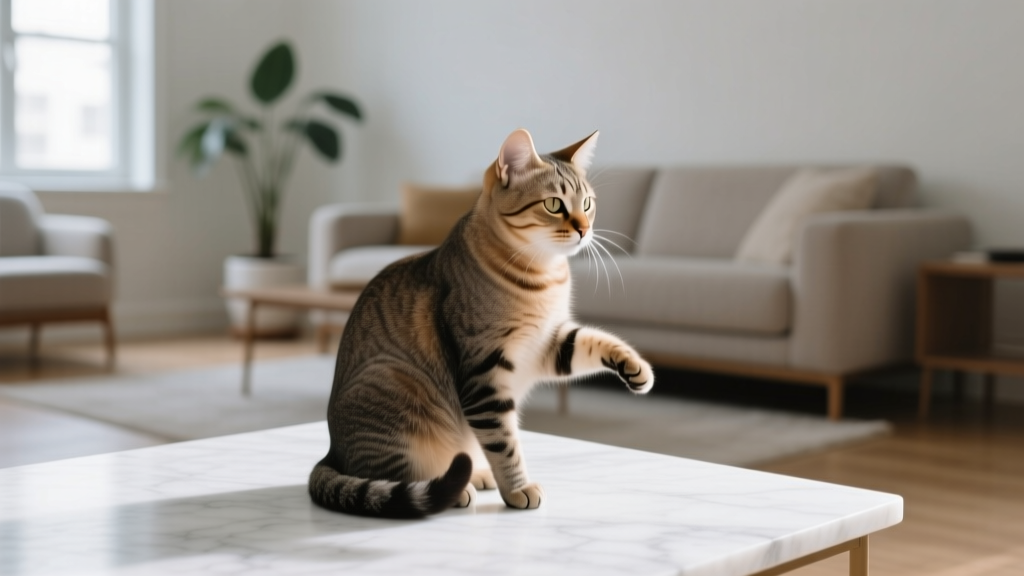
How to Read a Cat's Behavior
Why Learning How to Read a Cat's Behavior Is the Single Most Important Skill Every Cat Owner Needs
\nIf you've ever wondered why your cat suddenly swats at your hand after purring, hides when guests arrive, or stares intently at an empty corner — you're not alone. How to read a cat's behavior isn’t just about curiosity; it’s the foundation of trust, safety, and lifelong well-being for both you and your feline companion. Cats don’t speak our language — but they communicate constantly, using a rich, nuanced syntax of tail flicks, ear rotations, pupil dilation, and micro-expressions that most humans miss entirely. Misreading these signals doesn’t just lead to confusion — it can escalate minor stress into chronic anxiety, trigger defensive aggression, delay detection of early illness, and even fracture the human-cat bond before it fully forms. In fact, a 2023 study published in Applied Animal Behaviour Science found that 68% of cats surrendered to shelters exhibited behavioral issues rooted in long-term miscommunication — not 'bad temperament.' The good news? These signals are learnable, consistent, and profoundly revealing — once you know where and how to look.
\n\nYour Cat’s Body Language: Decoding the 5 Key Zones
\nCats communicate through integrated signals across five anatomical zones — and reading them in isolation leads to dangerous misinterpretation. Veterinary behaviorist Dr. Sarah Hargrove, DVM, DACVB, emphasizes: 'A twitching tail means something very different when paired with forward-facing ears versus flattened ones. Always assess posture holistically — never cherry-pick one cue.'
\n\n1. Ears: Think of ears as emotional dials. Forward and slightly tilted = relaxed curiosity. Fully forward and erect = alert interest (or mild concern). Slightly back and sideways ('airplane ears') = uncertainty or low-level stress. Flat against the head ('helmet ears') = fear, defensiveness, or preparation to strike. A 2022 Cornell Feline Health Center observational study documented that cats displaying flattened ears for >90 seconds during routine handling were 4.2x more likely to develop redirected aggression within 48 hours.
\n\n2. Eyes & Pupils: Slow blinks ('cat kisses') signal deep trust and calm — a deliberate, voluntary relaxation of the orbicularis oculi muscle. Wide-open eyes with dilated pupils? Not always excitement — in low-light settings, it’s normal; in bright rooms, it often signals arousal, fear, or pain. Constricted pupils in dim light? A red flag for hypertension or ocular pain. As Dr. Hargrove notes: 'Pupil size is less about light and more about autonomic nervous system activation — your cat’s internal 'fight-or-flight' gauge.'
\n\n3. Tail: Forget the myth that a raised tail always means happiness. A gently curved 'question mark' tail = friendly greeting. A stiff, vertical tail with a slight quiver tip = intense affection (often seen during leg-rubbing). A rapidly lashing tail? Immediate warning — this is not playfulness, but escalating agitation. A puffed-up tail ('bottlebrush') combined with arched back = full defensive mode. Crucially, a tail held low and tucked under the body signals profound fear or submission — commonly misread as 'shyness' when it may indicate trauma history or chronic stress.
\n\n4. Posture & Weight Distribution: Observe how your cat carries its weight. A crouched, low-to-the-ground stance with tense muscles = preparedness to flee or freeze. A stretched-out 'loaf' position (paws tucked, back rounded) = contentment and security. But note: a 'sploot' (hind legs extended backward) in warm weather signals comfort; the same posture in cool rooms may indicate joint discomfort limiting tucking ability. A 2021 University of Lincoln feline ethology study confirmed that cats with osteoarthritis spent 37% less time in classic loaf positions — opting instead for shallow, guarded reclines.
\n\n5. Whiskers: These aren’t just tactile sensors — they’re mood barometers. Relaxed, forward-facing whiskers = neutral or curious. Whiskers pulled tightly back against cheeks = fear, anxiety, or defensiveness. Whiskers splayed wide and forward during interaction = high engagement (could be positive or predatory focus). Never trim whiskers — doing so impairs spatial awareness and induces severe disorientation and stress, per American Association of Feline Practitioners (AAFP) guidelines.
\n\nVocalizations: What Your Cat *Really* Means (Beyond 'Meow')
\nHere’s the truth most owners miss: adult cats rarely meow at other cats — they meow almost exclusively to communicate with humans. That ‘meow’ isn’t one word — it’s a dialect shaped by your responses over time. Dr. John Bradshaw, anthrozoologist and author of My Cat Likes to Hide in Boxes, states: 'Cats have evolved a repertoire of 16 distinct meow variants — each calibrated to elicit specific human behaviors, like opening a door or offering food.'
\n\nConsider these real-world examples:
\n- \n
- The 'Demand Meow': Short, rising pitch, repeated rhythmically — used when food is late. Respond consistently, and you reinforce it. Ignore it, and it escalates to yowling or destructive behavior. \n
- The 'Greeting Trill': A chirpy, rolling sound made while approaching — equivalent to 'Hello, I’m here and happy to see you.' Often accompanied by head-butting. This is pure social bonding. \n
- The 'Anxious Chatter': Rapid, staccato teeth-chattering at windows — triggered by prey they can’t reach. While instinctual, chronic chatter (especially with tail-lashing) indicates frustration that can spill into redirected aggression toward household members. \n
- The 'Pain Yowl': Long, low-pitched, mournful cry — often heard at night in older cats. Not 'crying' — it’s a distress vocalization linked to hyperthyroidism, kidney disease, or cognitive decline. A 2020 Journal of Feline Medicine and Surgery study found 89% of cats exhibiting nocturnal yowling had underlying medical conditions requiring intervention. \n
Vocalizations gain meaning only in context. A hiss during play is a clear 'stop now' boundary. A hiss during grooming may indicate painful skin lesions. A soft, rumbling purr while being held could signal comfort — or, counterintuitively, self-soothing during pain (documented in post-surgical recovery cats).
\n\nEnvironmental Cues: What Your Cat’s Choices Reveal About Their Inner State
\nCats vote with their feet — and their napping spots, scratching surfaces, and litter box habits tell powerful stories. Certified cat behavior consultant Mieshelle Nagelschneider explains: 'A cat’s spatial choices are direct reflections of perceived safety, control, and resource access. Watch where they go — and where they avoid.'
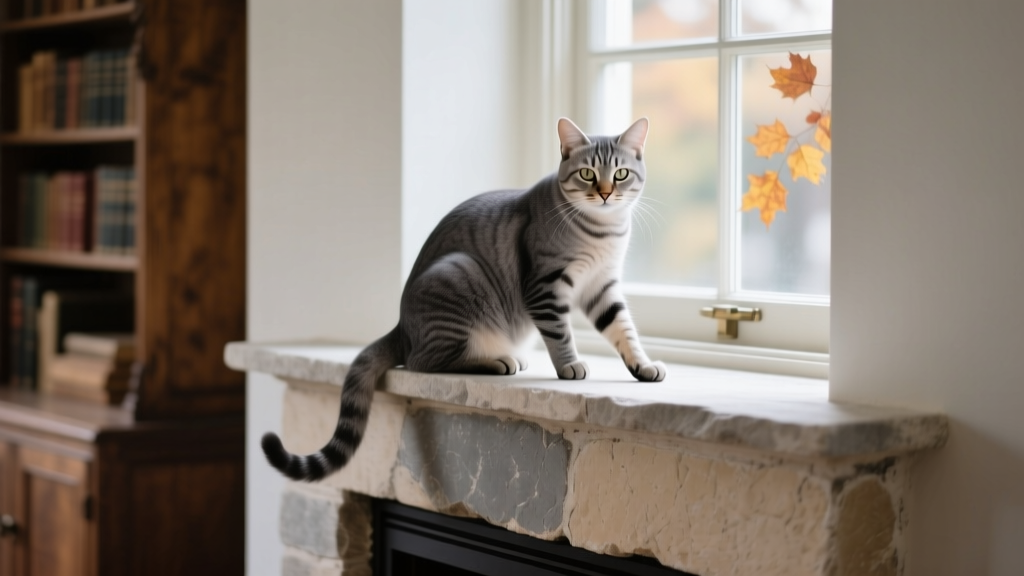
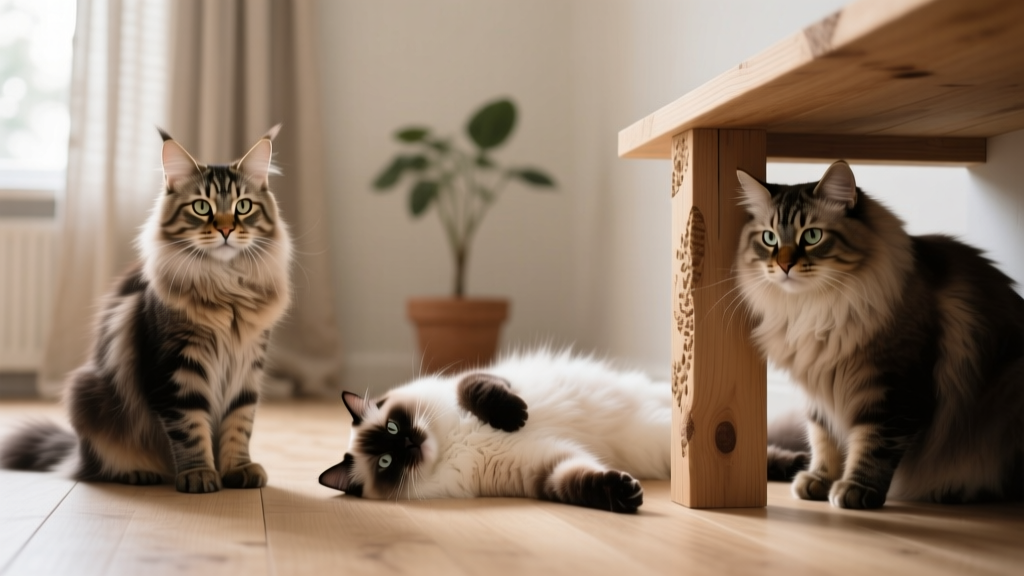
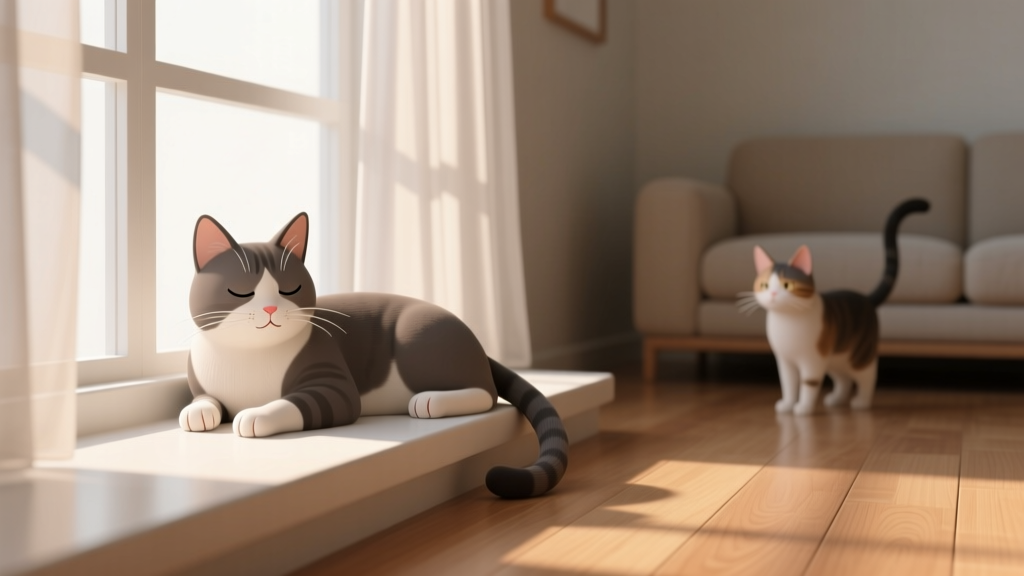
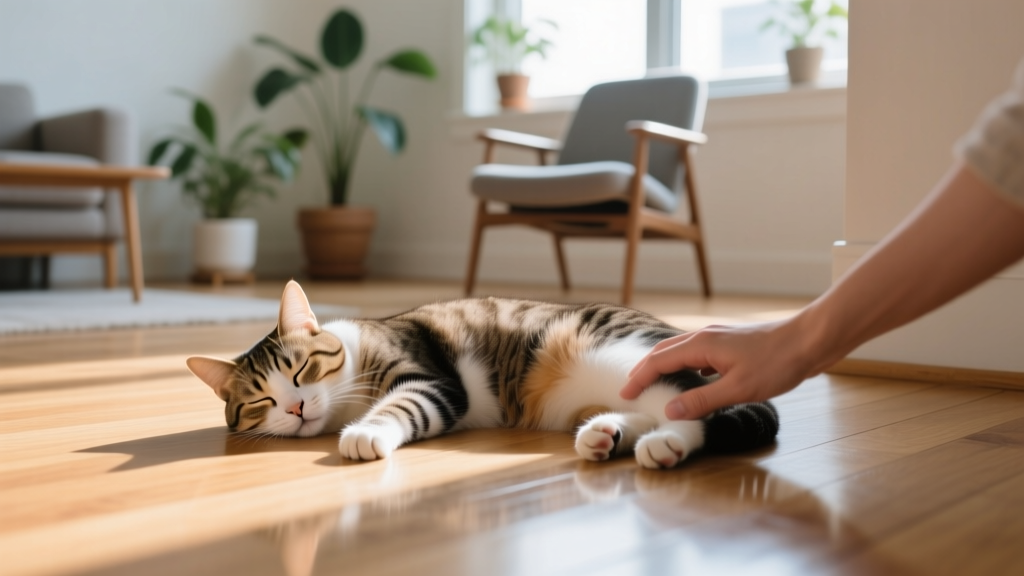
\n\nResting Locations: A cat sleeping belly-up on your bed? High-trust signal — but only if they’re relaxed, not frozen. Sleeping in closets, under beds, or atop high shelves? Often indicates need for sanctuary — either due to household stressors (new pets, children, loud appliances) or lingering anxiety from past rehoming. Conversely, a cat who avoids elevated perches entirely may signal vision impairment or vestibular issues.
\n\nScratching Behavior: Scratching isn’t about claw maintenance — it’s multimodal communication. Vertical scratching deposits visual marks (claw sheaths), olfactory signals (interdigital glands), and auditory cues (sound of claws on surface). A sudden shift from carpet to couch? May indicate inadequate scratching post height, texture mismatch, or territorial insecurity. A 2022 International Society of Feline Medicine survey found 73% of inappropriate scratching cases resolved within 10 days when owners provided a 36-inch-tall sisal post placed *next to* the targeted furniture — not across the room.
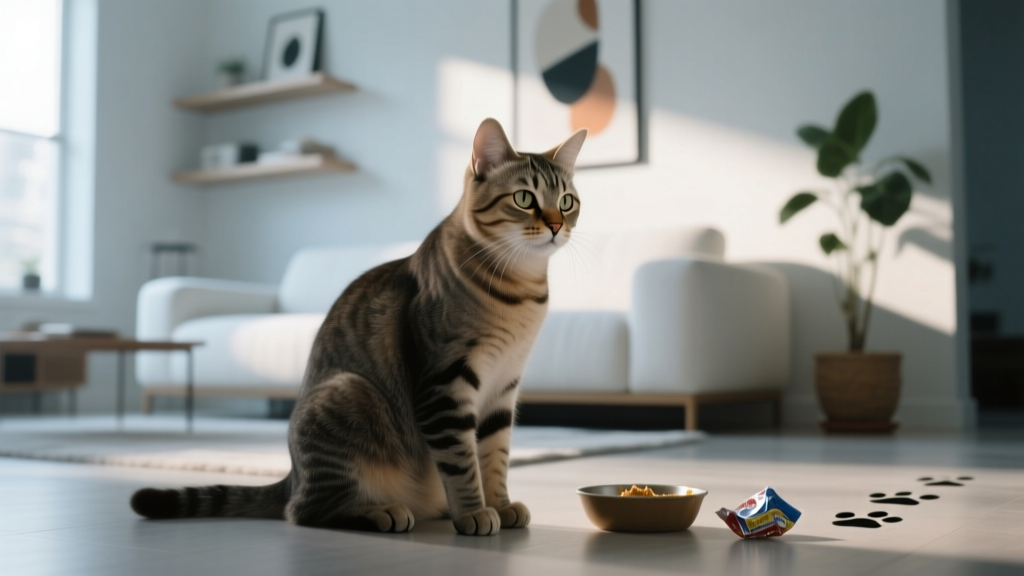
\n\nLitter Box Patterns: This is where behavioral insight meets urgent health triage. Urinating outside the box isn’t 'spite' — it’s a symptom. Medical causes (UTIs, arthritis, diabetes) must be ruled out first. But once cleared, behavior patterns reveal volumes: spraying (vertical marking) = territorial stress; squatting and urinating on laundry = scent association + anxiety; digging excessively post-elimination = dissatisfaction with substrate or cleanliness. Dr. Hargrove stresses: 'If your cat starts avoiding the box, assume medical cause until proven otherwise — then pivot to environmental enrichment and stress reduction.'
\n\nStep-by-Step Guide: Building Your Cat’s Behavioral Profile in 7 Days
\nYou don’t need a degree — just consistency and observation. Use this evidence-based protocol developed by the AAFP and International Cat Care:
\n\n| Day | \nAction | \nTools Needed | \nExpected Outcome | \n
|---|---|---|---|
| Day 1 | \nBaseline video recording: Capture 3x 5-minute sessions of your cat in varied contexts (alone, with you, near windows/doors) | \nSmartphone, quiet environment | \nRaw footage to identify baseline ear/tail/posture patterns | \n
| Day 2 | \nMap safe zones: Note all locations where cat rests, eats, eliminates, scratches — mark on home sketch | \nPaper, pen, floor plan | \nVisual map revealing resource distribution and potential conflict zones | \n
| Day 3 | \nSound log: Record vocalizations + immediate context (time, activity, your action before/after) | \nNotes app or journal | \nPattern recognition (e.g., 'meows 3x before breakfast → opens food cabinet') | \n
| Day 4 | \nInteraction audit: Track duration/frequency of petting, play, talking — note cat’s response (lean-in, flick tail, leave) | \nTimer, notebook | \nIdentify personal tolerance thresholds (e.g., 'stops purring at 90 sec') | \n
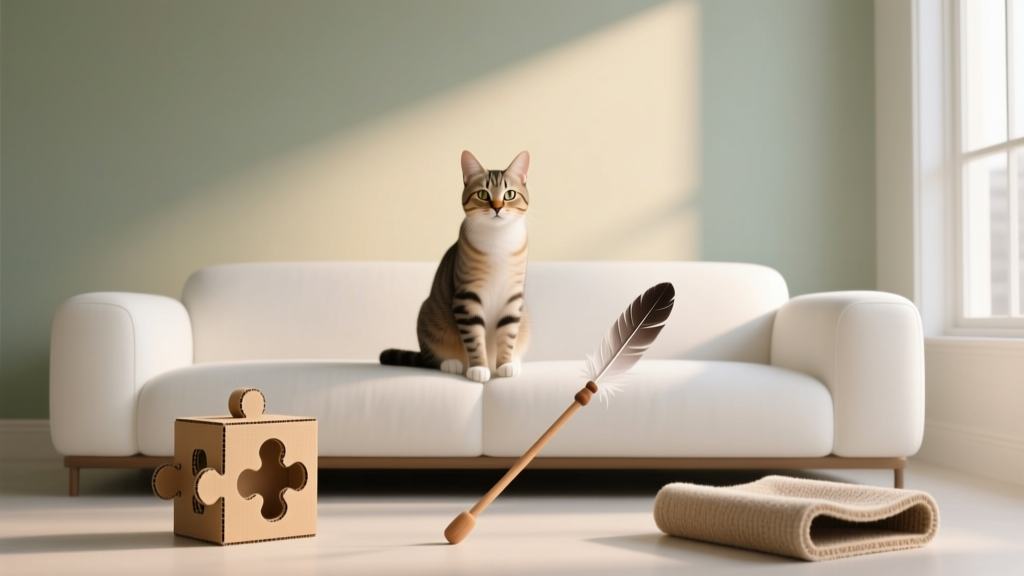
| Day 5 | \nEnrichment trial: Introduce ONE new element (e.g., cardboard box, window perch, food puzzle) — observe engagement duration & body language | \nNew enrichment item | \nReveals motivation drivers (prey drive vs. comfort-seeking vs. curiosity) | \n
| Day 6 | \nStressor scan: Document household changes (new smells, sounds, people, routines) occurring in past 72 hours | \nCalendar, checklist | \nCorrelate behavioral shifts with environmental variables | \n
| Day 7 | \nSynthesize findings: Draft 'Cat Communication Cheat Sheet' with top 3 signals + your cat’s unique variations | \nTemplate or blank document | \nPersonalized, actionable reference for daily interactions | \n
Frequently Asked Questions
\nDo cats really understand human emotions?
\nYes — but not cognitively like humans. Research from the University of Milan (2022) demonstrated that cats synchronize their behavior with their owner’s emotional state: they spent significantly more time near owners displaying sadness (via facial expression and tone) and increased vigilance when owners showed anger. They’re reading physiological cues — heart rate, breathing patterns, muscle tension — not interpreting abstract feelings. This makes emotional attunement a two-way street: your calm presence lowers their cortisol levels, while your anxiety elevates theirs.
\nWhy does my cat stare at me without blinking?
\nA prolonged, unblinking stare is a low-level threat display — especially if combined with dilated pupils or forward-leaning posture. It signals 'I’m monitoring you; you’re in my space.' This differs sharply from the slow blink, which is a deliberate sign of trust. If your cat stares intensely, avoid direct eye contact; instead, look away slowly and offer a slow blink yourself. Many owners report this de-escalates staring within 3–5 days of consistent practice.
\nCan I train my cat to respond to commands like 'come' or 'no'?
\nYou can — but not through dominance or punishment. Positive reinforcement works: pair a distinct verbal cue ('here!') with high-value treats *only* when your cat voluntarily approaches. Never say 'no' — it’s meaningless noise. Instead, interrupt unwanted behavior with a neutral sound (a soft 'psst') and redirect to an incompatible action (e.g., offer a toy during scratching). Certified trainer Jackson Galaxy notes: 'Cats comply when the alternative is more rewarding — not because they respect authority.'
\nMy cat used to be affectionate — what changed?
\nSudden behavioral shifts are red flags. First, rule out pain: dental disease, arthritis, or hyperthyroidism commonly cause withdrawal. Next, consider environmental stressors: subtle changes like new laundry detergent scent, rearranged furniture, or even neighbor construction vibrations can trigger chronic anxiety. A 2023 ASPCA study found 41% of 'suddenly aloof' cats had undiagnosed oral pain. Always consult your veterinarian before assuming 'personality change.'
\nIs it okay to punish a cat for bad behavior?
\nNo — punishment is ineffective and harmful. Cats don’t associate delayed consequences with actions. Spraying water, yelling, or tapping their nose creates fear, erodes trust, and often worsens the behavior (e.g., hiding, aggression, litter avoidance). The AAFP explicitly advises against punishment-based methods. Focus on understanding the 'why' and modifying the environment or providing alternatives.
\nCommon Myths About Reading Cat Behavior
\nMyth #1: 'Cats are aloof and don’t form deep bonds.' False. fMRI studies show cats experience attachment to owners comparable to dogs and infants — activating the same oxytocin pathways. Their independence reflects evolutionary adaptation, not emotional detachment. Securely attached cats seek proximity during stress and use owners as 'safe bases' — observable in shelter studies where bonded cats explore more freely when owners are present.
\n\nMyth #2: 'A purring cat is always happy.' Incorrect. Purring occurs during labor, injury recovery, and terminal illness. It’s a self-soothing mechanism linked to frequencies (25–150 Hz) shown to promote bone density and tissue repair. Context is essential: purring while trembling, hiding, or refusing food signals distress — not contentment.
\n\nRelated Topics (Internal Link Suggestions)
\n- \n
- Understanding cat body language signs of stress — suggested anchor text: "cat stress signals" \n
- How to introduce a new cat to your household — suggested anchor text: "introducing cats safely" \n
- Best cat enrichment toys for indoor cats — suggested anchor text: "indoor cat enrichment ideas" \n
- When to take your cat to the vet for behavioral changes — suggested anchor text: "cat behavior vet check" \n
- How to stop cat aggression toward people or other pets — suggested anchor text: "managing cat aggression" \n
Conclusion & Your Next Step
\nLearning how to read a cat's behavior transforms cohabitation from guesswork into genuine partnership. It turns confusion into clarity, frustration into empathy, and reactive discipline into proactive care. You now hold the keys: decode the five body zones, listen beyond the meow, interpret environmental choices, and track patterns methodically. But knowledge becomes power only when applied. So your next step is simple yet profound: choose one signal from today’s guide — maybe ear position or tail movement — and observe it intentionally for just 60 seconds, three times today. Jot down what you see. Notice how context changes meaning. That tiny act builds neural pathways for deeper connection. And when you recognize that slow blink not as coincidence but as love — that’s when you truly begin to speak cat.