Cat Paw Tapping at the Treat Jar: Demand Pattern
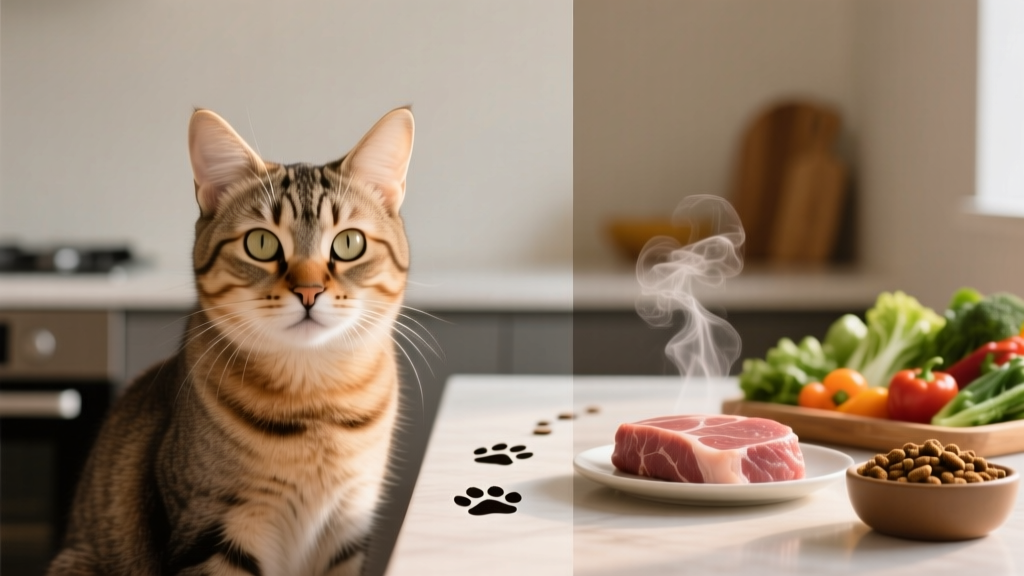
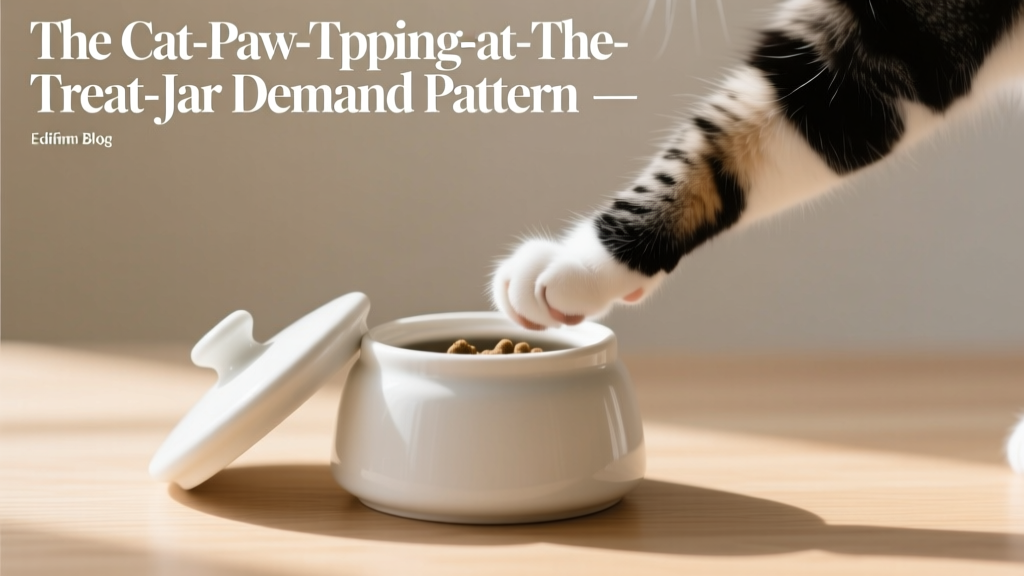
You’re in the kitchen. Your cat appears—silent as a shadow—then trots to the counter where the treat jar lives. Tap. Tap. Tap. A neat little paw pats the glass (or plastic) like they’re placing an order. Maybe they glance at you, then back at the jar, then tap tap again, a tiny metronome of insistence. You swear you haven’t even moved toward the treats, but somehow your cat is already running the whole routine.
If this sounds familiar, you’re not alone. Paw tapping at the treat jar is one of those charmingly bossy cat behaviors that feels both adorable and mildly manipulative. It’s also a classic example of a “demand pattern”—a learned sequence your cat uses to get a specific outcome. The good news: it’s normal, it’s fascinating, and it can tell you a lot about how your cat thinks.
Why Cats Tap the Treat Jar: Evolution Meets Learning
From an evolutionary standpoint, cats are problem-solvers who thrive on cause-and-effect. In the wild, a cat’s survival depends on noticing patterns: rustling grass means prey; a bird’s pause means a chance to pounce; a certain path means a reliable hunting spot. Domestic life changes the “prey,” but not the brain. Now the reliable resource might be a treat jar, a kibble bin, or a cabinet where the good stuff lives.
Paw tapping is also rooted in feline motor instincts. Cats use their paws to investigate objects, “test” surfaces, and manipulate things in their environment. Kittens paw at their mother’s belly to stimulate milk flow; adult cats paw at blankets or soft surfaces to knead. That same paw-based curiosity can easily transfer to objects associated with rewards.
Then comes the behavioral science piece: operant conditioning. If your cat taps the jar and—at some point—treats appear, the tapping behavior gets reinforced. It doesn’t even have to work every time. In fact, behaviors can become stronger when rewards are inconsistent (a phenomenon called a variable reinforcement schedule). Translation: if you sometimes give treats after tapping, you may create a tiny treat-junkie gambler who thinks, “Maybe this time the jar will pay out.”
Breaking Down the Behavior: Different Contexts, Different “Messages”
Not all paw taps are created equal. The context and body language around the tap tell you what’s really going on.
1) The Polite Tap
What it looks like: Soft tapping, relaxed posture, tail neutral or gently upright, maybe a slow blink in your direction.
What it usually means: “Hey, just checking… are treats on the agenda?” This is often a cat who has learned that tapping is an acceptable way to ask.
2) The Persistent Tap-and-Stare
What it looks like: Tap tap tap, followed by direct eye contact. The cat may sit very still afterward, like they’ve submitted a formal request.
What it usually means: “I’m pretty sure this works. I will wait here until reality catches up.” These cats are excellent at training humans.
3) The Tap With Vocal Back-Up
What it looks like: Paw tapping paired with chirps, meows, or a little “mrrp.”
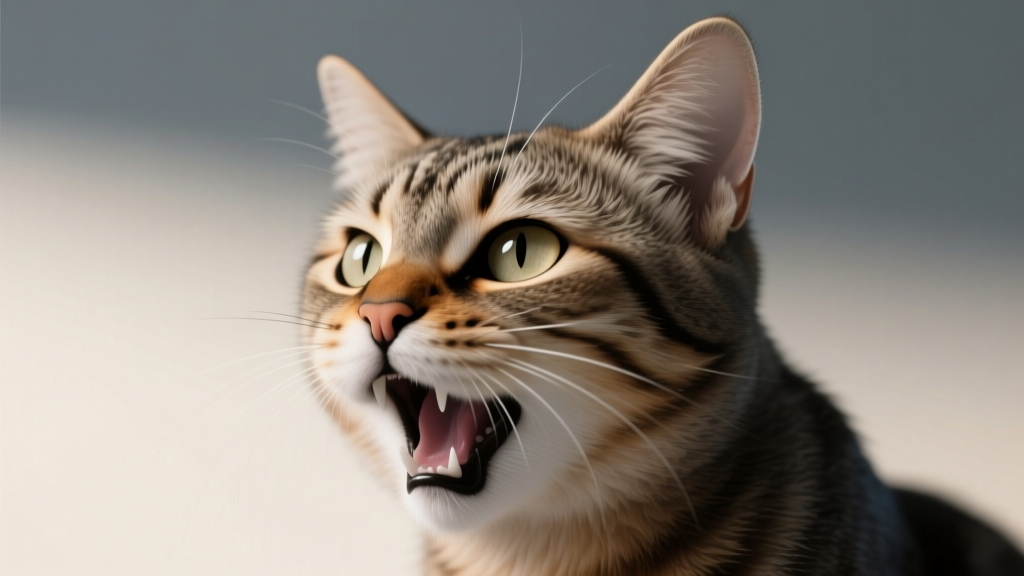
What it usually means: Excitement, impatience, or a stronger sense of entitlement. Some cats add sound when the usual signal isn’t getting the response they want.
4) The Tap-and-Redirect (Tap, then Lead You There)
What it looks like: Your cat taps the jar, then walks a few steps, looks back, returns to tap again, or rubs your legs to steer you toward the “treat station.”
What it usually means: A full communication routine—almost like a two-part sentence: “Treats. Now. Follow me.” It’s also common in cats who enjoy interactive social cues.
5) The “Kitchen Time” Tap
What it looks like: Tapping happens at certain times of day (after you get home, after dinner, before bed).
What it usually means: Your cat is running a schedule. Cats love predictability, and many develop time-based habits anchored to your routines.
6) The Tap During Food Prep
What it looks like: You’re making coffee or cooking and your cat taps the treat jar—or any container that has ever produced food.
What it usually means: Opportunism and association: “Whenever humans do kitchen things, good smells happen, and sometimes I get something.”
What Paw Tapping Reveals About Your Cat’s Mood
Treat-jar tapping is less about “dominance” and more about confidence, expectation, and communication. Here’s what it can indicate emotionally:
- Curiosity: Your cat is investigating an object linked with interesting outcomes. Relaxed ears and a soft face often accompany this.
- Anticipation: A slightly forward-leaning posture, focused eyes, and a tail that quivers at the tip can signal excited expectation.
- Frustration (mild): Faster tapping, more intense staring, or escalating vocalization can mean, “This usually works—why isn’t it working?”
- Seeking interaction: Some cats aren’t hungry; they’re bored. Tapping can be a reliable way to get you to engage, talk, or move.
- Food motivation: Cats vary widely in food drive. A highly food-motivated cat may develop more elaborate “asking” behaviors.
One important nuance: a cat can be both affectionate and demanding. Many cats learn that being cute and polite gets them results. This doesn’t mean they’re “using” you in a cold way—it means they’ve discovered a successful communication strategy with their favorite human.
Related Behaviors You Might Also Notice
Paw tapping rarely lives alone. If your cat has a treat-jar routine, you might see:
- Cabinet patrolling: Sitting by a cupboard and pawing at the door seam like a tiny safecracker.
- Counter checks: Hopping up and sniffing the same spot where treats were placed once—three weeks ago.
- “Lead the human” behavior: Walking a few steps, looking back, repeating until you follow.
- Jar tipping attempts: Nudging or hooking the jar with a paw to see if physics will cooperate.
- Location-specific meowing: Cats can “assign” certain vocalizations to certain places (kitchen meow vs. play meow).
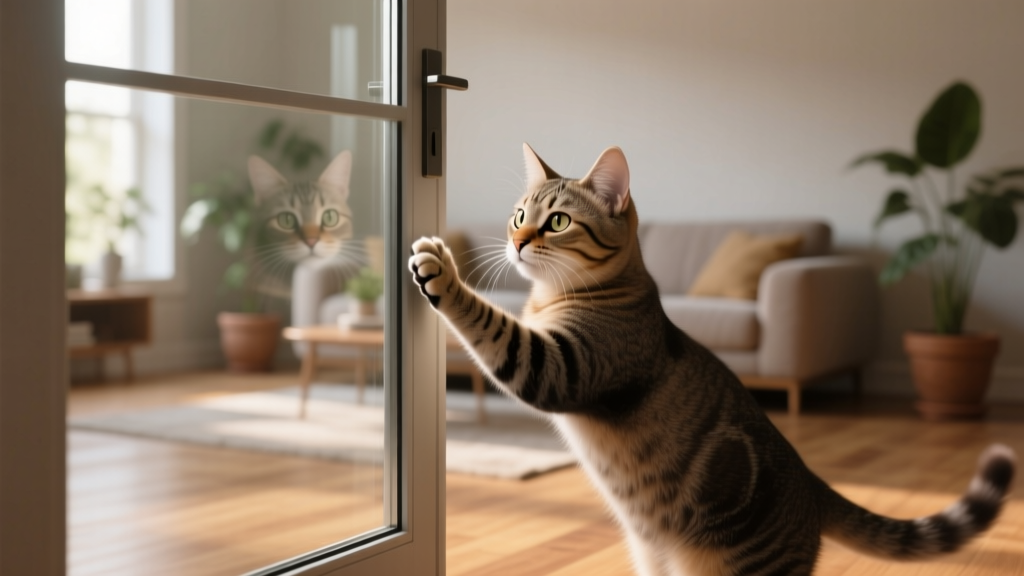
- Door tapping: Similar tapping at bedroom doors, pantry doors, or even your laptop when it competes for attention.
When Paw Tapping Is Normal… and When It Might Signal a Problem
In most households, treat-jar tapping is perfectly normal—often a sign of a socially confident cat who has learned how to communicate.
It’s worth paying closer attention if:
- The behavior suddenly increases (a cat who never cared about treats becomes obsessed).
- Your cat seems ravenous despite normal meals (possible medical issues like hyperthyroidism, diabetes, intestinal parasites, or malabsorption).
- There’s weight loss, increased thirst/urination, vomiting, or diarrhea along with increased food-seeking.
- The tapping turns frantic (pacing, yowling, agitation), especially in senior cats—this can sometimes relate to cognitive changes, stress, or pain.
- Your cat guards the kitchen or becomes aggressive around food resources (this can reflect anxiety or multi-cat tension).
If you see sudden behavior changes or any health red flags, check in with your veterinarian. Food-seeking behaviors can be purely learned, but they can also be the first clue that something physical is going on.
How to Respond (Without Creating a Tiny Treat Tyrant)
You don’t have to shut the behavior down—unless it’s driving you nuts or causing nutritional problems. The goal is to respond in a way that supports good habits and keeps your cat feeling understood.
1) Decide What You’re Reinforcing
If tapping earns treats every time, tapping will increase. If tapping earns treats sometimes, tapping can become very persistent. Pick a plan you can stick to.
2) Put Treats on a Predictable Schedule
Cats relax when life is predictable. If your cat begs in the evening, consider a small, scheduled treat time after dinner. When the reward is reliable, the demand often becomes less frantic.
3) Ask for an Alternate Behavior
Instead of rewarding tapping, reward something you like better:
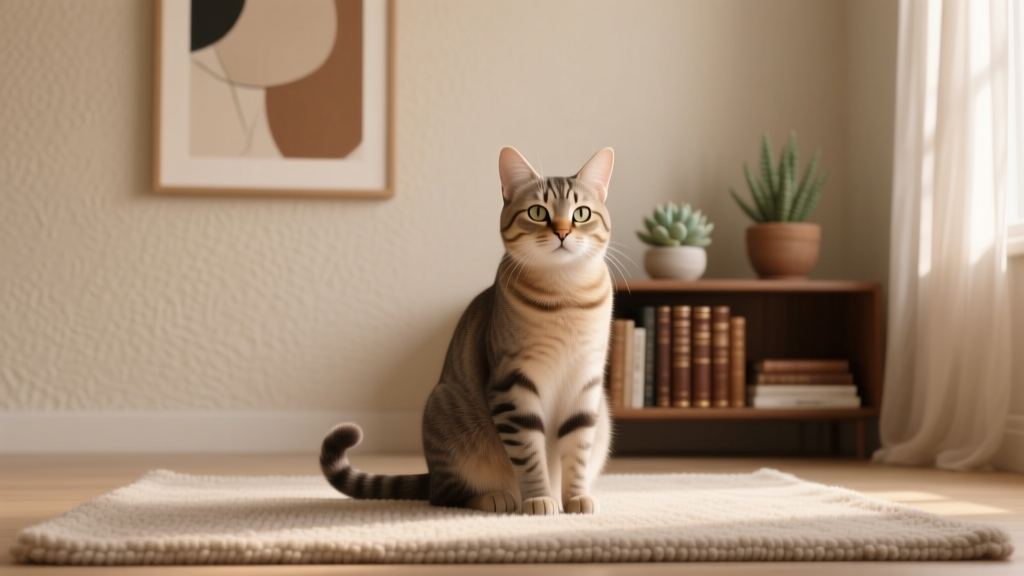
- Sitting on a mat (“go to your spot”)
- Making eye contact quietly
- Touching your hand with their nose (a simple “target” cue)
Then give the treat. You’re not denying your cat—you’re teaching them a clearer, calmer way to ask.
4) Use Treats as Enrichment, Not Just Snacks
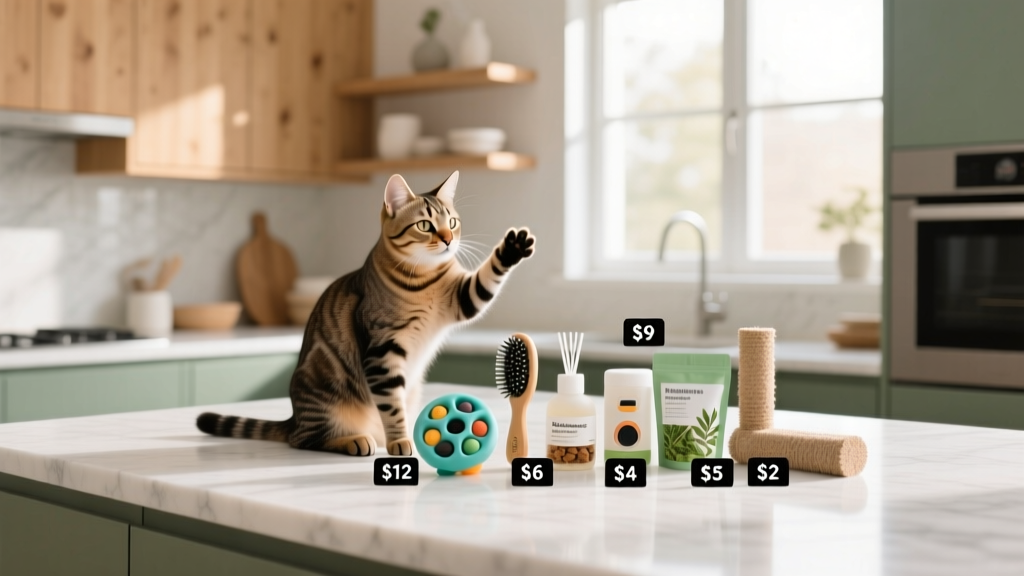
If your cat taps because they’re bored, try putting treats into a puzzle feeder, snuffle mat, or a simple DIY scavenger hunt (a few treats hidden around a room). This channels that clever paw energy into foraging, which is deeply satisfying for cats.
5) Keep the Treat Jar Out of Sight (If Needed)
Some cats fixate on visual cues. If the jar is always on the counter, it can become a constant trigger. Storing it in a cabinet can reduce “cue-induced” begging—especially for cats who struggle to settle.
6) Watch the Calories
Treats are fun, but they add up fast. If tapping has turned into a frequent negotiation, measure treats like you would any other food. Many cats do best when treats are kept to a small portion of daily calories (your vet can help you pick a target for your cat).
Fun Facts & Research-Adjacent Nuggets
- Cats are skilled at reading human routines. They may not “tell time” like we do, but they’re excellent at predicting what happens after certain cues: you put on socks, you leave; you open a specific drawer, food appears.
- Inconsistent rewards can intensify persistence. This is a well-known principle in learning theory: variable reinforcement often produces strong, resilient behavior patterns.
- Some cats develop “ritualized communication.” A behavior sequence (tap → look → vocalize → lead you) can become a stable routine because it reduces uncertainty and reliably gets a response from you.
- Paws are more than tools—they’re information gatherers. Touch is part of how cats explore. That little tap isn’t just asking; it’s also interacting with a meaningful object in their territory.
FAQ: Cat Paw Tapping at the Treat Jar
Is my cat being rude or demanding?
Your cat is being communicative. “Demanding” is a human label; in your cat’s mind, they’ve learned a signal that works. If you don’t love the signal, you can teach a different one without punishing the cat.
Should I ignore the tapping?
Ignoring can work if you’re consistent, but many people find it easier to redirect. For example: wait for a pause in tapping, ask for “sit” or “go to mat,” then reward. That way your cat still gets feedback, just for a calmer behavior.
Why does my cat only do it with me and not other family members?
Cats learn person-specific patterns. If you’re the one who usually delivers treats (or responds fastest), your cat will aim the behavior at you. Different humans reinforce different behaviors, even unintentionally.
My cat taps the jar and then bites the bag—what does that mean?
That’s often escalation from excitement or frustration: “I asked nicely; now I’m adding emphasis.” It can also be sensory enjoyment (crinkle sounds). Try moving treats to a sturdier container and rewarding an alternate behavior before your cat gets worked up.
Can I train my cat to tap a bell or button instead?
Yes—many cats learn target training quickly. Just be careful what you wish for: if the new “ask” behavior is easier, you may get more requests. Put it on a schedule or pair it with a calm behavior like sitting on a mat.
Does treat-jar tapping mean my cat is hungry?
Sometimes. Often it means your cat has learned that tapping starts a treat routine. If the behavior increases suddenly or is paired with weight loss or increased thirst, consult your veterinarian to rule out medical causes.
If your cat has a signature treat-jar move—gentle taps, dramatic stares, or a full percussion concert—share your story with fellow cat lovers on catloversbase.com. The best part of living with cats is realizing they all invent their own little languages, and we’re lucky enough to learn them.