Cat Paw Resting on the Heating Vent: Warmth Seek
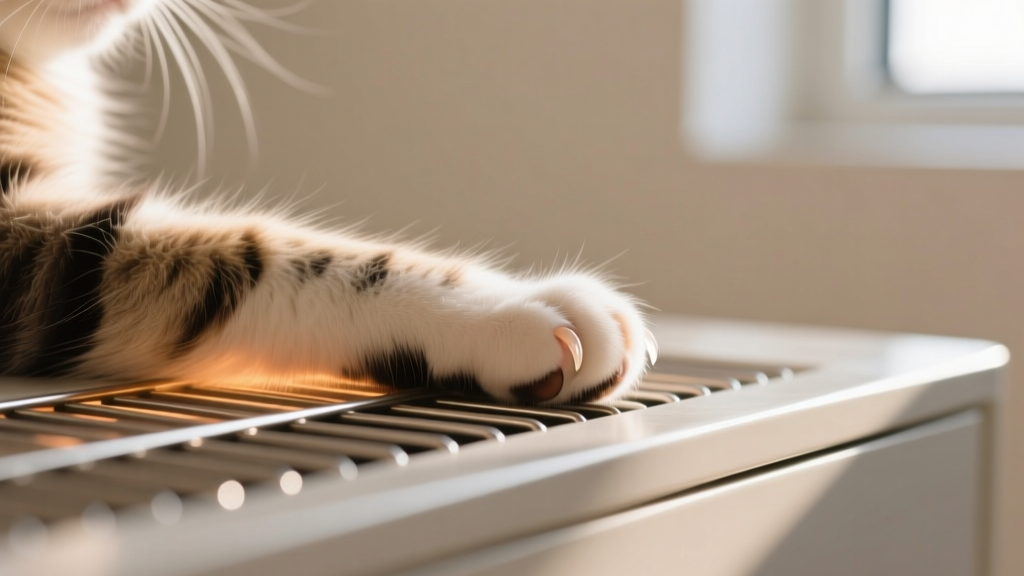
You’re padding through the house in socks, minding your business, when you notice it again: your cat is parked near the floor vent like a tiny, furry landlord. Sometimes they sprawl out with full-body confidence, but other times it’s oddly specific—just one paw delicately placed on the heating vent, as if they’re testing the temperature for you.
If you’ve ever wondered, “Is my cat trying to warm their beans?” or “Why only the paw?” you’re not alone. This is one of those classic cat behaviors that’s equal parts practical and hilarious—and it can tell you a lot about what your cat is feeling in the moment.
Why Cats Do This: The Science (and Evolution) Behind the Warmth Seek
Cats are heat enthusiasts by design. Domesticated cats descended from wildcats that evolved in warm, arid regions. Their bodies are built to conserve and enjoy warmth, and their comfort zone tends to run hotter than ours. While humans often prefer a room around 68–72°F (20–22°C), many cats act like the thermostat should be set to “toasty blanket forever.”
There are a few biology-meets-behavior reasons your cat might place a paw on a vent:
- Thermoregulation: Cats maintain a body temperature around 100.5–102.5°F (38–39°C). Warm surfaces help them conserve energy by reducing the need to generate heat internally.
- Heat-seeking sensors: Cat paws are packed with nerve endings. Using a paw is a quick way to sample the warmth before committing their whole body.
- Comfort and security: Warmth is soothing. For many animals, warmth signals safety: a cozy den, a sunlit perch, a protected resting spot.
- Microclimates matter: Even if your home feels warm, the air near the floor can be cooler. A heating vent creates a little “micro vacation” of warm air right where cats like to lounge.
In other words: your cat isn’t being weird. They’re being extremely cat.
A Closer Look: Different Contexts for the Paw-on-Vent Habit
That single paw resting on the vent can mean a few different things depending on what the rest of your cat’s body is doing—and what’s going on in the home.
1) The “Temperature Tester” Paw
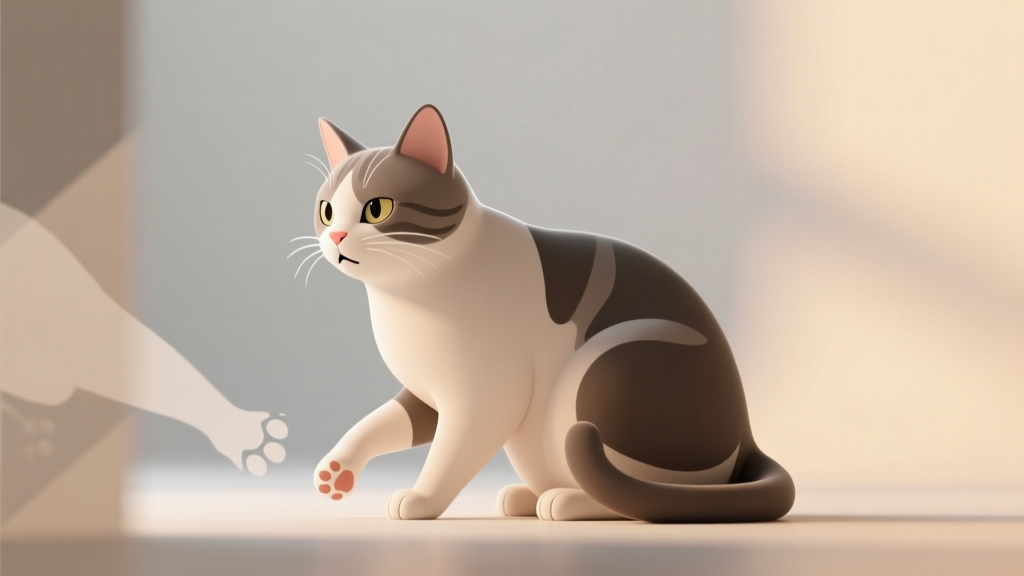
Your cat approaches the vent, places one paw down, and pauses—almost like they’re waiting for feedback. This is often a cautious, curious check-in. Maybe the heat just turned on with a whoosh, or the vent cover is a little cooler than expected. The paw is their built-in thermometer.
2) The “I Own This Spot” Paw
If your cat sits or loafs beside the vent and drapes a paw over it like an aristocrat resting a hand on a cane, that can be subtle territory behavior. Warm resources are valuable. Your cat may be signaling, “This is my warm patch—please direct all foot traffic elsewhere.”
3) The “Half Committed” Relaxation Paw
Some cats don’t want a full-body heat soak—they just want enough warmth to take the edge off. One paw on the vent can be a compromise: cozy, but not overheating.
4) The “After Nap Recharge” Paw
After a long nap, cats sometimes seek a brief warm-up, especially older cats or cats in cooler homes. The paw-on-vent moment might be a transitional behavior: wake up, stretch, warm the paws, then wander off to the next important task (staring at a wall).
5) The “Draft Detector” Paw
If your heating isn’t on and your cat still paws at the vent, they may be responding to airflow—cool drafts can be just as interesting as warm air. Some cats use paws like little investigative tools, feeling for air movement and vibration.
What It Can Say About Your Cat’s Mood and Feelings
Cat behavior is all about context, and warmth-seeking can be both practical and emotional. Here are some common “mood translations”:
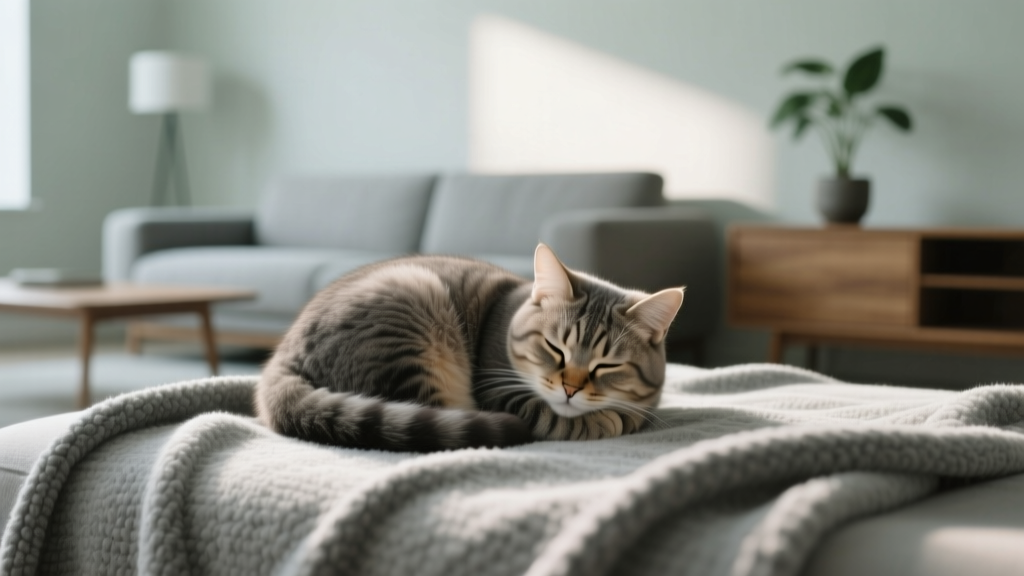
- Content and settled: Soft eyes, relaxed posture, slow blinks, and a paw resting casually suggests calm enjoyment.
- Curious and alert: Ears forward, head tilted toward the vent, paw tapping lightly—your cat is investigating changes (sound, airflow, temperature).
- Seeking comfort: If your cat chooses the vent after a stressful event (guests, loud noises, a vet visit), warmth may be self-soothing.
- Low-level possessiveness: If your cat guards the vent, blocks other pets, or gives a hard stare when someone walks by, they may be resource-guarding a favorite warm zone.
- Needing extra warmth: Older cats, thin cats, and cats with arthritis often gravitate to heat sources. Their bodies feel better when warm.
Think of it this way: warmth is a physical comfort that often doubles as emotional reassurance.
Related Behaviors You Might Notice
If your cat is a heating vent fan, you may also spot these warm-and-cozy classics:
- Sunbeam chasing: Moving from patch to patch as the sun shifts across the floor like a tiny solar panel.
- Radiator hugging or baseboard lounging: Especially in winter, cats know exactly where heat lives.
- Stealing your seat: You stood up and now the chair is warm—finders keepers.
- Burrowing under blankets: Heat plus “den” vibes equals ultimate cat satisfaction.
- Sleeping on electronics: Modems, laptops, game consoles—if it’s warm, it’s a bed.
- Paw tucking (“loafing”): Cats tuck paws under to conserve heat when resting.
All of these behaviors are variations on the same theme: comfort, security, and energy conservation.
When It’s Normal vs. When It Might Be a Concern
Most of the time, a paw on the heating vent is perfectly normal. Still, behavior changes are worth noticing—especially if warmth-seeking becomes intense or sudden.
Usually Normal
- Your cat does it mostly in colder months.
- They’re otherwise eating, drinking, playing, and socializing as usual.
- They alternate between warm spots and other favorite areas.
- No skin changes, limping, or obsessive licking.
Potential Concern Signs
- Sudden, extreme heat-seeking: If your cat is glued to heat sources more than usual, it can sometimes indicate they’re not feeling well, losing weight, or struggling to stay warm.
- Stiffness or reluctance to move: Heat can relieve joint pain, so increased heat-seeking may accompany arthritis (common in older cats).
- Compulsive pawing or agitation at the vent: Persistent scratching, pacing, or vocalizing near the vent could suggest anxiety, frustration, or even a sound/smell issue.
- Skin irritation or burns: Rare, but possible if a vent blows very hot air or if your cat has thin fur in an area.
- Obsessive licking of paws: Could indicate pain, allergies, injury, or irritation—warmth might be comforting but not the root cause.
If you notice a big shift in warmth-seeking paired with appetite changes, hiding, lethargy, coughing, or limping, it’s worth checking in with your vet. Behavior is often the first place cats show us something’s off.
How to Respond (or Encourage It) in a Cat-Friendly Way
If your cat’s paw-on-vent habit is cute and harmless, you can absolutely support it—just do it safely and in a way that strengthens your relationship.
- Make the vent area safe: Ensure the vent cover isn’t sharp, loose, or scorching hot. If the air gets very hot, consider a vent deflector to redirect airflow away from direct contact.
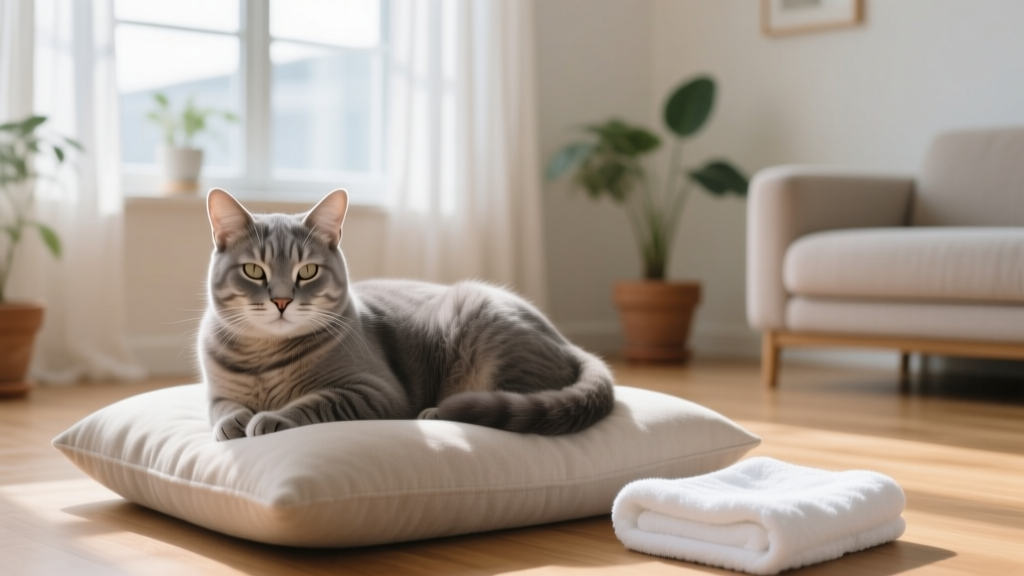
- Add a nearby “approved” warm perch: Place a bed or folded blanket near (not on) the vent. Many cats enjoy the warm air without lying directly on the metal.
- Offer alternatives: A heated cat bed (low, pet-safe temperature) or a microwavable warming pad designed for pets can provide consistent comfort.
- Respect the warm-zone ritual: If your cat uses the vent as their decompression spot, avoid scooping them up constantly. Let it be their little comfort station.
- Watch multi-pet dynamics: If another pet tries to take the spot and your cat gets tense, create additional warm stations to reduce competition.
- Use it as a bonding moment: If your cat is relaxed there, try a gentle cheek rub or slow blink. Some cats are extra receptive to affection when they’re cozy.
A simple goal: keep warmth accessible, predictable, and drama-free.
Fun Facts and Research-Flavored Tidbits About Cats and Warmth
- Cats often prefer warmer ambient temperatures than humans. Many cats will choose resting spots in the 86–97°F (30–36°C) range when given the option—think sunbeam, heated blanket, warm laundry.
- Paws are sensory super-tools. Beyond temperature, cats use paws to detect vibration and texture. A heating vent offers interesting sensations: airflow, faint rattles, and changing warmth cycles.
- Warmth supports rest-and-digest mode. Heat encourages muscle relaxation and can nudge the body toward calm, which is one reason cats look so blissful when they find a warm spot.
- One paw out, one paw in. Some cats regulate their comfort by exposing or warming specific body parts. That single paw on the vent may be a tiny “thermostat adjustment” your cat makes instinctively.
FAQ: Cat Paw on the Heating Vent
Why does my cat only put one paw on the vent instead of lying on it?
One paw is a quick temperature check and a low-commitment way to enjoy warmth. It can also help them avoid overheating while still getting that comforting heat signal.
Is it safe for my cat to sit or sleep on a heating vent?
Usually it’s fine if the vent isn’t hot enough to irritate skin and the cover is secure and smooth. If the air blows very hot or your cat stays there for long periods, consider redirecting airflow with a vent deflector and offering a warm bed nearby.
My cat scratches at the vent—are they trying to get inside?
Sometimes. Vents combine warmth, airflow, and interesting sounds, which can trigger curiosity and hunting instincts. If scratching becomes frequent, check for loose parts, unusual noises, or drafts, and provide an alternative warm spot plus a little playtime to satisfy the “investigator” energy.
Does heat-seeking mean my cat is cold?
Not always. Many cats seek warmth simply because it feels good. But if heat-seeking is new, intense, or paired with weight loss, lethargy, or behavioral changes, it could indicate they’re having trouble staying warm or not feeling well.
Could my cat be doing this because of pain or arthritis?
Yes—warmth can soothe stiff joints. If your cat is older, moving less, jumping less, or seems stiff after resting, talk to your vet about arthritis screening and pain management options.
How can I tell if my cat is relaxed at the vent or guarding it?
A relaxed cat looks soft: loose posture, slow blinks, calm breathing, maybe a gentle purr. Guarding looks tense: stiff body, blocking access, glaring, growling, swatting, or chasing other pets away. If guarding happens, add more warm stations to reduce competition.
If your cat’s paw-on-vent pose makes you laugh every winter, you’re in good company. Cats are masters of comfort engineering, and that tiny paw placement is a perfect example of how thoughtful (and particular) they can be about their environment.
Have a vent-loving cat with a signature routine—like rotating paws, switching sides, or sprinting to the vent the moment the heat clicks on? Share your story (and your cat’s funniest warmth-seeking habits) with the Cat Lovers Base community at catloversbase.com.