Cat Paw Resting on the Cat Bed Edge: Guarding
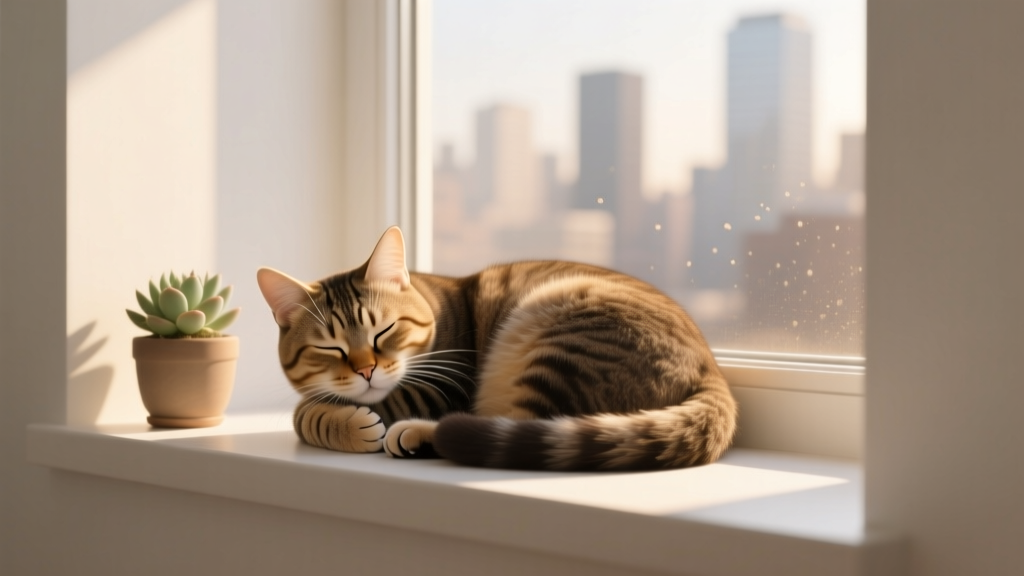
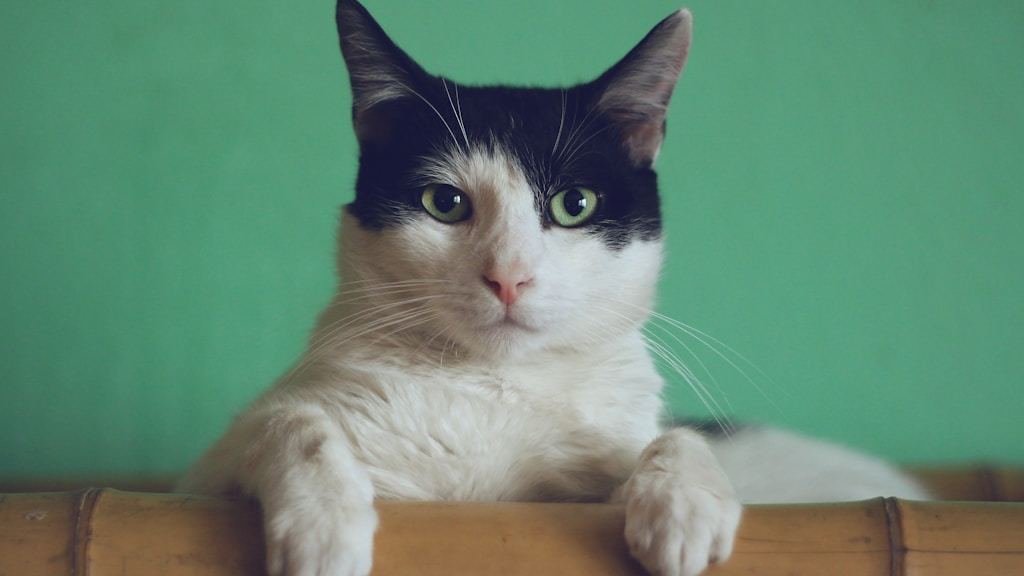
You glance over and there’s your cat: curled in their bed like royalty… except one paw is draped over the edge. It’s not hanging limp like they fell asleep mid-step. It looks placed. Intentional. Almost like they’re holding the bed in place, or keeping a “hand” on the room. You might even swear that paw shifts when you walk by, as if your cat is thinking, “Yes, I see you. This is my spot.”
If you’ve ever wondered why your cat sleeps like they’re guarding their own tiny fortress, you’re in good company. That single paw on the edge can be a surprisingly meaningful little behavior—part comfort, part security system, part “this belongs to me.”
Why Cats Do This: A Scientific and Evolutionary Backstory
Cats are both predators and potential prey. That’s the key to understanding a lot of their “quirky” resting behaviors. In the wild, small felines hunt, yes—but they also have to stay alert for bigger predators and rivals. Resting positions evolved to balance two needs:
- Recover energy (cats sleep a lot because being a predator is metabolically expensive).
- Stay safe (they can’t afford to be completely unaware while they’re vulnerable).
That paw resting on the edge may be your cat’s version of a security sensor. Cats use their bodies to gather information constantly—through touch, vibration, and subtle movement. The paws are particularly information-rich: sensitive pads, sharp claws at the ready, and a strong “grab” reflex. Placing a paw against a boundary (like a bed edge) can help a cat feel anchored and aware of their immediate environment.
There’s also a territorial piece. Cats deposit scent from glands in their paws and between their toes. So contact isn’t only about balance or comfort; it can be a low-key “label maker” move: mine.
A Detailed Breakdown: Different Contexts Where You’ll See the “Guard Paw”
Not all paw-on-edge moments mean the exact same thing. Context matters—what else is happening in the room, what your cat’s body language looks like, and what your household is like.
1) “I’m resting, but I’m on duty” (light sleep mode)
This is common in busy homes. Your cat is relaxed enough to nap, but not relaxed enough to fully sprawl. The paw acts like a brace and a readiness cue. You’ll often see:
- Ears gently angled, not totally flattened or rigid
- Eyes half-closed, slow blinking, or brief peeks
- Tail tucked or loosely wrapped, not thumping
Real-life example: You’re making a sandwich, the dog is wandering around, and the kids are doing homework. Your cat chooses their bed in the corner, drapes a paw over the edge, and dozes—but the ears flick each time someone opens a drawer.
2) “This spot is mine” (resource guarding-lite)
Cats can become attached to cozy resources: a favorite bed, the sunny patch, the top of the cat tree. A paw on the edge can be a subtle claim. It’s not aggressive by default; it’s more like leaving a hand on your parking spot.
Real-life example: You bought a new bed and your cat immediately adopts it. When another cat approaches, your cat doesn’t necessarily hiss—but they tighten their posture, keep the paw draped, and give a slow, confident stare.
3) “I’m unsure” (self-soothing + stability)
If something has changed—new furniture, visitors, a new pet, construction noise—some cats use boundary contact for reassurance. Touching an edge provides a stable reference point, like how people might sleep with a hand on a pillow or tucked under a blanket.
Real-life example: After a move, your cat sleeps more tightly curled, with one paw hooked over the bed edge. They’re resting, but their body language says they’re still mapping the new environment.
4) “Ready to launch” (quick getaway posture)
If the paw is paired with a slightly crouched body and tense muscles, your cat may be positioning for an easy exit. The paw can help them spring or pivot quickly.
Real-life example: The vacuum is out (even if it’s not on). Your cat sits in the bed with one paw over the edge, eyes open more than usual, watching. They’re not fleeing yet, but they’re prepared.
5) “Maximum comfort” (it simply feels good)
Sometimes… it’s just comfy. The bed edge can support the wrist area (the carpus), and cats often enjoy a slight stretch. If your cat looks loose and floppy overall, you’re probably seeing comfort more than guarding.
What This Behavior Says About Your Cat’s Mood
Think of the paw-on-edge as a “headline,” and the rest of the body as the full article. Here’s how to interpret it:
- Relaxed guarding: Soft face, slow blinks, gentle ear flicks, loose toes. Your cat feels safe but likes being aware.
- Confident claiming: Upright chest even while lying down, steady gaze, minimal startle response. Your cat feels ownership and security.
- Mild anxiety: Tighter curl, less belly exposure, quicker head lifts, frequent scanning. Your cat is managing uncertainty.
- High alert: Dilated pupils, stiff posture, ears locked toward sounds, tail tight or twitching. Your cat is on watch and may bolt.
One of the most useful questions to ask: Does your cat return to resting quickly after a small disturbance? A confident cat might lift their head when you walk by, then settle again. A stressed cat might stay tense and track you until you leave.
Related Behaviors You Might Also Notice
Cats are consistent little creatures. If your cat likes the paw-on-edge posture, you may also see:
- Sleeping with one eye “open” (half-lidded monitoring)
- Choosing beds with walls or tight, cave-like spots (security through boundaries)
- Hooking a paw around a toy while dozing (possession + comfort)
- Resting a paw on you—a gentle “claim” and a connection check
- Sitting in doorways like a furry bouncer (territory monitoring)
- Face pointing toward the room rather than the wall (situational awareness)
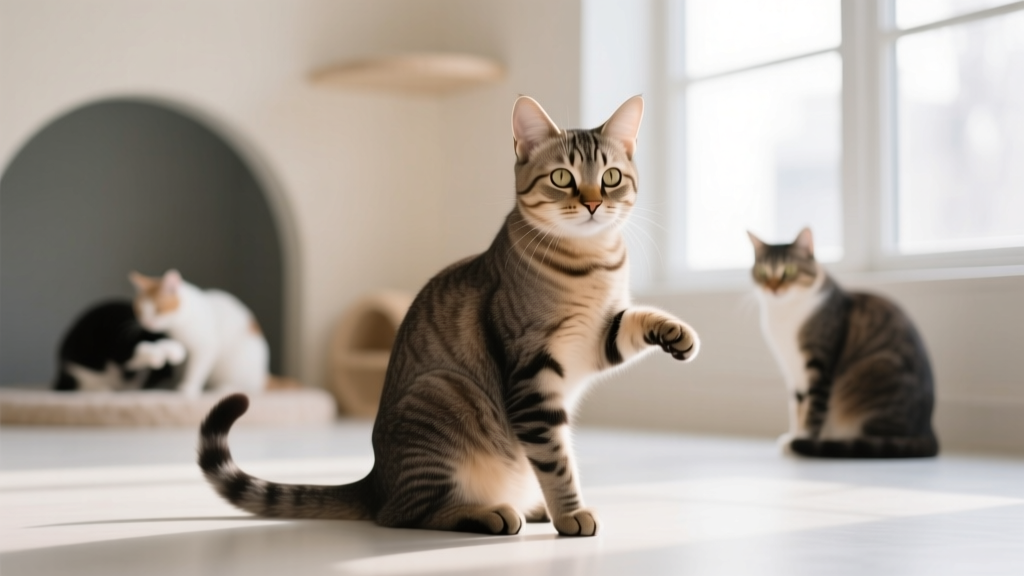
If you live with multiple cats, you might see paw-on-edge paired with subtle blocking behaviors—like choosing a bed position that faces the hallway, or placing their body between another cat and the resource.
When It’s Normal (Most of the Time) vs. When to Be Concerned
Normal: A paw on the edge, especially during naps, is typically just a blend of comfort and awareness. Cats are built to rest lightly and re-activate quickly. It’s part of their charm—and their survival strategy.
Potentially concerning: Consider a closer look if the posture shows up alongside any of these changes:
- New, persistent hypervigilance (startles easily, constantly scanning, can’t settle)
- Resource guarding escalates (swatting, growling, chasing pets away from beds or rooms)
- Signs of pain (stiffness, limping, avoiding jumping, paw tucked oddly, sensitivity when touched)
- Sleep disruption (cat seems exhausted but can’t relax, wakes frequently)
- Sudden behavioral shift after a stressor (new pet, move, loud renovation, neighborhood cats outside)
A note about pain: if your cat consistently rests a paw in an unusual position, avoids putting weight on it, or seems reluctant to knead, it’s worth checking the paw pads and nails—and calling your vet if anything looks swollen, torn, or tender.
How to Respond (or Encourage the Cozy “Guard Paw”)
You don’t need to “fix” this behavior when it’s normal. But you can support what it’s trying to accomplish: comfort, safety, and control over their space.
Make the bed feel like a secure base
- Place beds strategically: a quiet corner with a view of the room is cat gold.
- Add a second option: one open bed and one covered/cave bed lets your cat choose based on mood.
- Stabilize wobbly beds: if the bed edge moves when touched, some cats will stay tense. Put it on a non-slip mat.
Reduce “on duty” pressure
- Create predictable routines: feeding, play, and quiet times help anxious cats settle.
- Offer vertical space: cat trees and shelves reduce the need to guard from the ground.
- Use gentle sound masking: white noise can help if outside sounds keep your cat on alert.
If it’s about sharing resources (multi-cat homes)
- Provide multiple beds in different locations—more than the number of cats is ideal.
- Spread key resources out: beds, water, and litter boxes shouldn’t be in one “defendable” cluster.
- Watch for subtle bullying: one cat doesn’t have to fight to control access; body-blocking and staring can do it.
How to interact in the moment
If your cat is in the guard-paw pose and watching you, respond like a respectful roommate:
- Speak softly, move calmly, avoid looming over the bed.
- Offer a slow blink and look slightly away (cat “politeness”).
- If you want to pet them, ask with your hand at their cheek level and see if they lean in.
Fun Facts and Research-Flavored Nuggets
- Cats sleep in short cycles. Domestic cats often doze in light sleep and switch to deeper sleep when they feel safe. A boundary-touch posture can fit that light-sleep strategy.
- Paws are sensory tools. Cats rely on sensitive paw pads to interpret surfaces and vibrations. Touching the bed edge can provide constant feedback: “Everything’s stable.”
- Scent marking isn’t just rubbing cheeks. Cats have scent glands in multiple places, including paws. Contact with favorite spots helps reinforce a “known” environment—comforting in itself.
FAQ: Cat Paw Resting on the Bed Edge
1) Does my cat’s paw on the bed edge mean they’re protecting the bed?
Often, yes—in a mild, non-dramatic way. It can signal, “This is my safe spot,” combined with a readiness to respond if something changes. But it can also be pure comfort, so check the rest of their body language.
2) Is this a sign my cat doesn’t feel safe?
Not necessarily. Many cats who feel perfectly safe still prefer a semi-alert resting posture. It becomes more concerning if your cat seems unable to fully relax, startles frequently, or shows new stress behaviors (hiding, overgrooming, appetite changes).
3) My cat does this more when guests are over. Why?
Guests change the soundscape, smellscape, and movement patterns of the home. Your cat may choose a “monitoring” rest position—paw on edge, eyes half-open—so they can rest without feeling caught off guard.
4) Can this be related to pain or arthritis?
Sometimes. If the paw is held stiffly, your cat avoids weight on it, or there’s a sudden change in how they lie down, consider discomfort. Older cats with joint pain may choose positions that reduce strain. A vet check is wise if anything looks off.
5) Should I move my cat’s paw back onto the bed?
Better not. If they placed it there, it’s serving a purpose—comfort, balance, or security. Moving it can startle them or make them feel less in control. If you’re worried about them falling, stabilize the bed instead.
6) Why does my cat put a paw on me the same way?
That’s a close cousin of this behavior: connection + gentle control. It can be affiliative (“you’re mine/you’re safe with me”), a way to track your movement, or simply a comfy anchor point.
That one paw on the bed edge might look like a tiny detail, but it’s a sweet window into feline psychology: cats want comfort, control, and just enough awareness to feel secure. When you learn to read these small signals, it becomes easier to build a home that feels predictable and safe—exactly the kind of place where your cat can go from “on duty” to deeply, blissfully off-duty.
Seen your cat doing the classic guard-paw pose in a particularly funny or dramatic way—like guarding a bed they stole from the dog, or keeping one paw on the edge while staring at absolutely nothing? Share your cat’s story (and your best “what is my cat even doing?” moment) on catloversbase.com.