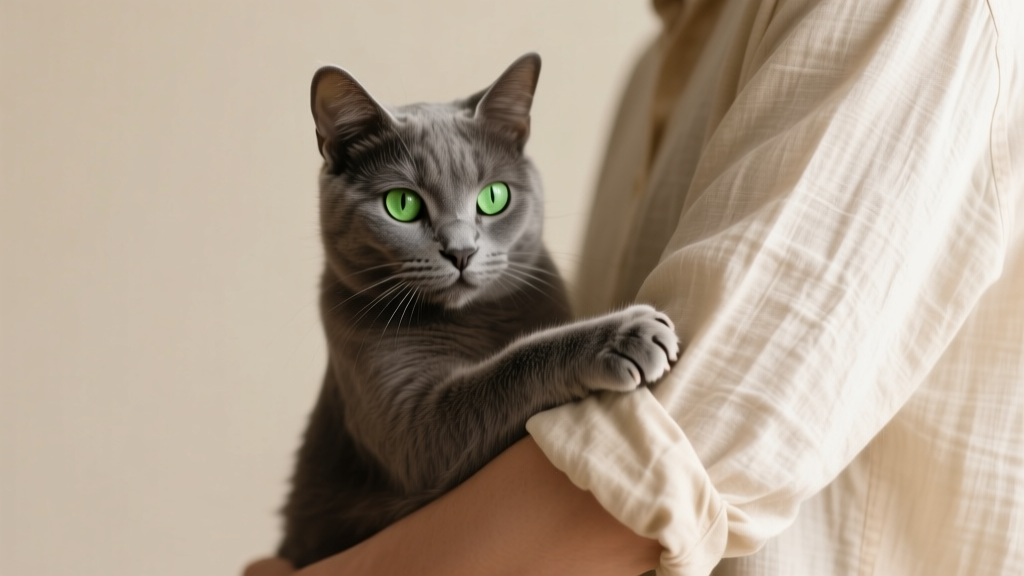
Cat Paw Holding Your Sleeve: Following Behavior
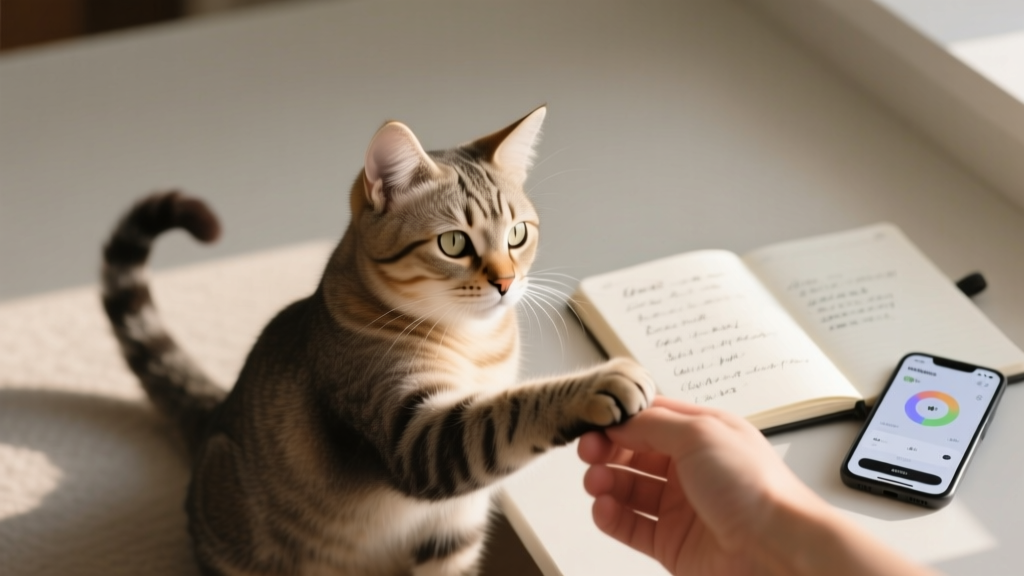
You’re walking from the couch to the kitchen, minding your own business, and you feel it—that soft little hook on your sleeve. You glance down and there’s your cat: eyes wide, whiskers forward, one paw delicately pinning your shirt like they’ve just served you a tiny legal notice. You take another step and the paw follows. Sometimes they add a gentle “mrrp,” sometimes it’s silent, and sometimes it comes with the slow blink that makes you feel like you’ve been personally chosen.
If you’ve ever wondered, “Is my cat being clingy? Bossy? Sweet? Weird?”—good news: paw-holding is a very normal, very feline way of communicating. And it’s one of those behaviors that can mean several things depending on context. Think of it as your cat’s version of tapping you on the shoulder… except with a built-in sleeve anchor.
Why Cats Hold Your Sleeve (The Science and Evolution Behind It)
Cats are both solitary hunters and social learners. Their wild ancestors didn’t form tightly coordinated packs like wolves, but they did develop flexible social skills—especially around resources (food, warm spaces, safe territories) and familiar companions. In a home environment, you’re a major resource provider and a predictable “safe base,” which means your cat is motivated to influence your movement and attention.
Pawing at your sleeve is an elegant adaptation of a few instincts:
- Attention-getting behavior: Cats learn quickly what makes humans respond. A paw on fabric is hard to ignore—especially if it comes with claws lightly snagging. If you’ve ever stopped, talked to them, or petted them after they did it, you may have reinforced it without realizing.
- Kittenhood social behavior: Kittens paw at their mother to solicit care and milk. That pawing motion (and gentle grabbing) can persist into adulthood as a social request: “Stay with me,” “Help me,” or “Notice me.”
- Scent and ownership cues: Cat paws have scent glands. While sleeve-holding isn’t the same as full-on face rubbing, touching you can be part of a “you’re mine / I’m safe with you” routine—especially if your cat also head-bunts or rubs your legs afterward.
- Control of distance: Many cats enjoy being near you, but on their terms. A paw on your sleeve is a subtle way to manage space: “Don’t go too far,” or “Come this way,” without escalating to full vocal demands.
In other words, your cat isn’t trying to be dramatic (well… not only dramatic). They’re using a behavior that’s worked for cats for a long time: gentle physical contact to guide social outcomes.
What “Sleeve Holding” Looks Like in Different Contexts
Same paw, different message. Here are common variations and what they often indicate:
1) The “Don’t Leave” Paw
Scenario: You stand up from the couch. Your cat has been loafed near your leg. As soon as you move, they reach out and lightly hold your sleeve, then follow two steps behind.
What it often means: Your cat was enjoying proximity and wants to maintain it. This is especially common in the evening, during quieter household hours, or when routines change (new work schedule, visitors, travel).
2) The “Come With Me” Paw
Scenario: Your cat approaches, grabs your sleeve, then turns and starts walking—glancing back to make sure you’re coming. Sometimes they’ll do it repeatedly until you follow.
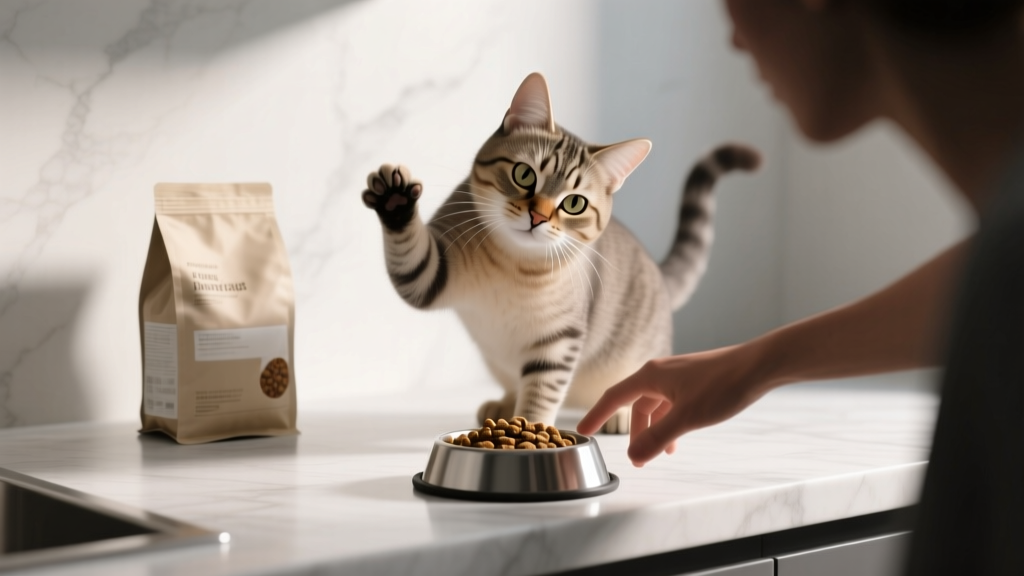
What it often means: You’re being recruited. The destination is usually a food bowl, a treat cupboard, a favorite toy, the litter box area (if they want it cleaned), or a door they want opened.
3) The “Pet Me Like You Mean It” Paw
Scenario: You’re giving polite pets. Your cat puts a paw on your arm or sleeve and gently pulls you closer—or pins your hand in place.
What it often means: “That was good. Continue.” Many cats like predictable, rhythmic strokes. A paw hold can be a request for longer contact or a way to keep your hand where it feels best (often cheeks, chin, or base of ears).
4) The “Overstimulated, Please Stop Moving” Paw
Scenario: Your cat is sitting on you. You shift your arm. They grab your sleeve quickly, sometimes with a firmer grip, and their tail may flick.
What it often means: Not necessarily affection—sometimes it’s an attempt to stabilize their perch or stop the annoying movement. If combined with skin rippling, tail thumping, or ears turning sideways, this can be a polite “Hold still” before they escalate.
5) The “Play Hunter” Paw
Scenario: Your sleeve swishes as you walk. Your cat pounces, catches the fabric, and bunny-kicks or tugs.
What it often means: Your clothing became prey. Movement triggers chase instincts, especially in younger cats or those who need more play outlets.
What This Says About Your Cat’s Mood and Feelings
Because cats are subtle communicators, your best clue is the whole body, not just the paw. Here’s a quick translation guide:
- Relaxed affection: Soft paw touch, slow blink, neutral ears, tail held calmly, kneading nearby, purring. This is “I like you. Stay.”
- Curious/social seeking: Paw + forward whiskers + bright eyes + gentle vocalizing. This is “Interact with me—something interesting is about to happen.”
- Demanding/requesting: Repeated pawing, leading you, sitting by the treat area, short sharp meows. This is “Human, your services are required.”
- Overstimulated or conflicted: Firm grip, tail flicks, ears sideways, sudden freeze, skin twitching. This is “I want contact, but I’m getting irritated—proceed carefully.”
- Anxious attachment: Pawing every time you move, following closely, vocalizing more than usual, searching behavior. This is “I’m not feeling secure right now.”
Most of the time, sleeve holding is a sign your cat feels comfortable initiating contact—and that’s a compliment in cat language.
Related Behaviors You Might Also Notice
Sleeve holding often travels with other “keep you close” or “guide the human” habits:
- Leg weaving: Rubbing and looping around your calves to deposit scent and slow your departure (and occasionally test your balance).
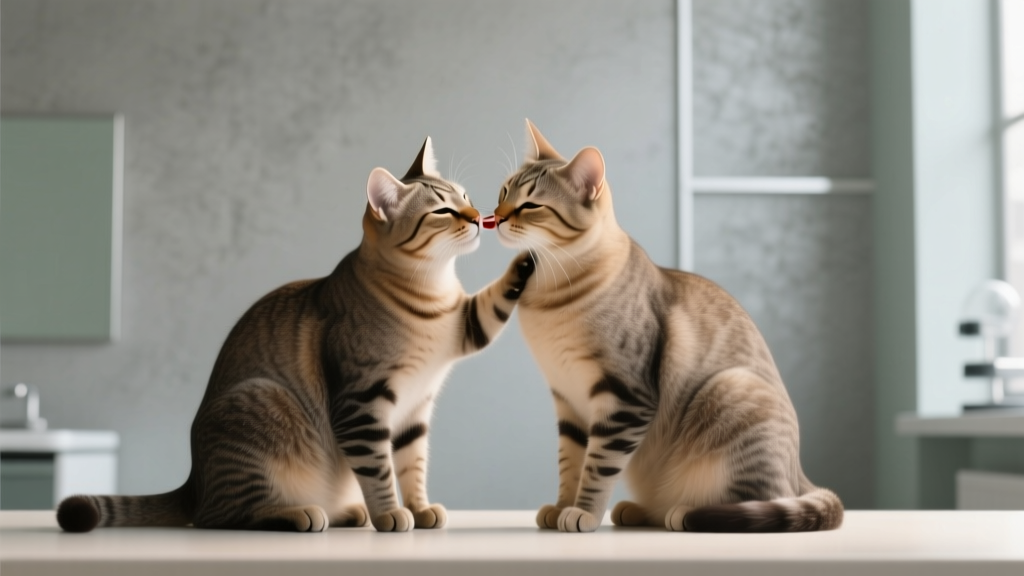
- Head bunting (bunting): Forehead presses to mark you with scent glands and reinforce social bonding.
- Following from room to room: Especially common in cats who bond strongly with one person or who are curious about routines.
- Gentle nibbling or “love bites”: Sometimes paired with paw holds during petting sessions.
- Chirps and trills: Friendly “come here” vocalizations, often used by mother cats with kittens.
- Door monitoring: Sitting near the bathroom door like a tiny security guard, then pawing your clothing when you attempt to leave.
When Sleeve Holding Is Normal (and When to Pay Attention)
Normal: Occasional sleeve holding with soft body language; happening during predictable times (morning routine, evening cuddle time); your cat eats, uses the litter box, and plays normally.
Potential concern: The behavior is new, intense, or paired with signs of stress or discomfort. Consider investigating if you notice:
- Sudden clinginess after being previously independent
- Vocal distress (yowling, persistent crying) when you move away
- Changes in appetite, litter box use, grooming, or sleep
- Increased irritability (hissing, swatting, biting) when touched
- Targeting specific body areas (your cat grabs your sleeve when you reach toward their back/abdomen—could indicate pain avoidance)
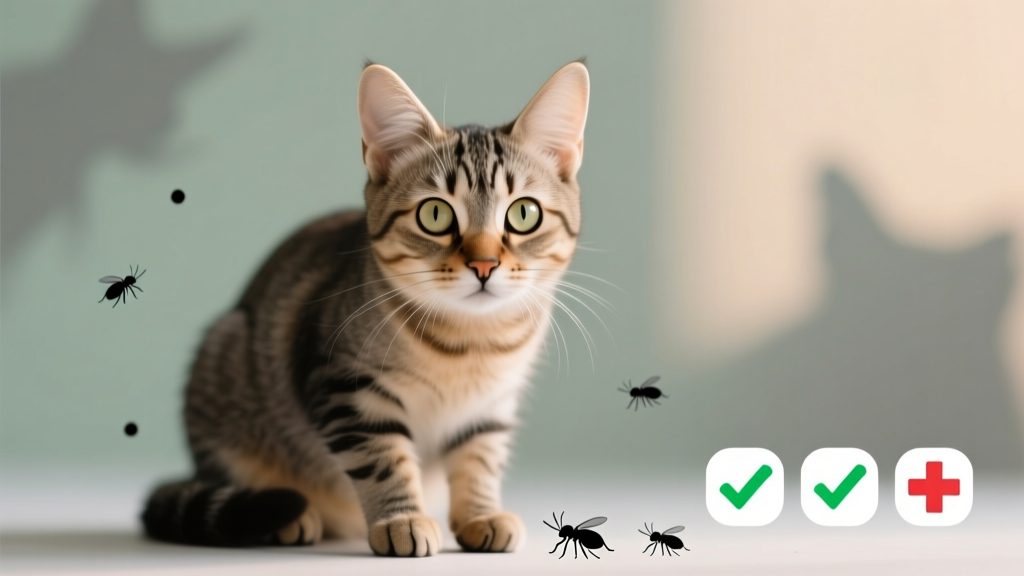
If sleeve holding comes with other behavior changes, a vet check is smart. Cats are experts at hiding discomfort, and “extra attention-seeking” can sometimes be a quiet red flag.
How to Respond (and How to Encourage the Good Version)
You don’t need to shut this behavior down—unless it’s turning into scratching, snagging, or frantic dependence. Aim to respond in a way that supports clear communication and healthy routines.
If It’s Affectionate or Social
- Pause and acknowledge: A calm “hi,” a slow blink, or a few seconds of cheek rubs can meet the need without turning it into nonstop demands.
- Reinforce calm contact: If your cat uses a soft paw, reward with gentle attention. If claws come out, withdraw attention briefly and redirect (more on that below).
- Create “follow time” rituals: Some cats love being part of your routine—invite them to a window perch while you make coffee, or give them a short play session before you start chores.
If It’s Becoming Claw-Heavy or Annoying
- Don’t yank your sleeve away: That can startle your cat or turn it into a tug game. Instead, hold still and gently lower your arm to reduce tension.
- Redirect to an appropriate target: Keep a wand toy or kicker toy nearby. If your cat grabs fabric, offer the toy immediately and praise when they engage with it.
- Trim nails regularly: A small trim can make sleeve holding safer and more comfortable for both of you.
- Reward four paws on the floor: If your cat paws as a demand (especially for food), wait for a calmer moment, then reward the calm behavior so you’re not teaching “pawing equals instant service.”
If It Seems Anxiety-Driven
- Increase predictability: Consistent feeding times, play times, and quiet cuddle windows help cats feel secure.
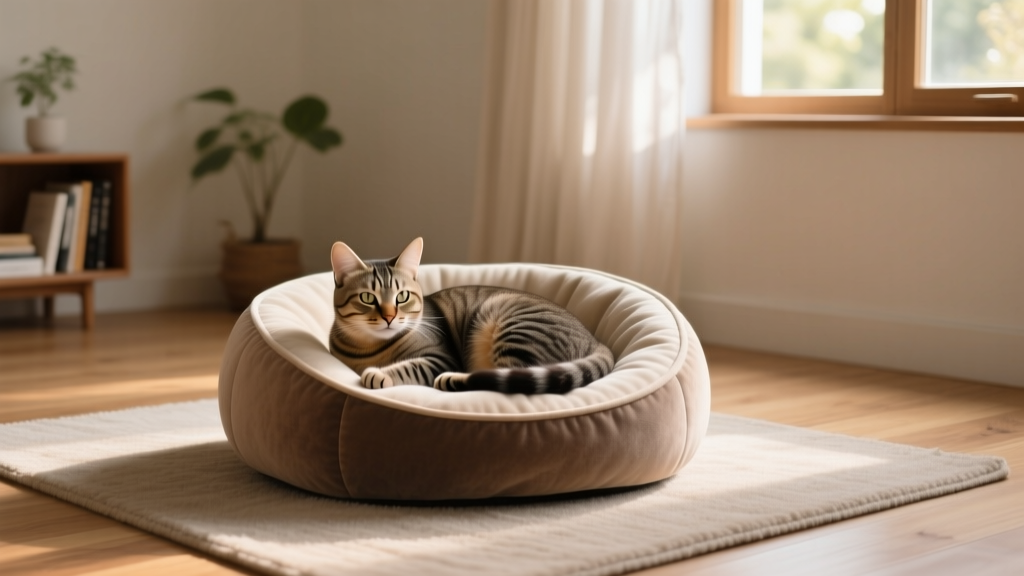
- Offer “independent comfort” zones: A cozy bed near your workspace, a heated pad (cat-safe), or a covered cat cave can reduce the need to physically anchor to you.
- Consider enrichment upgrades: More vertical space (cat tree, shelves), puzzle feeders, and daily interactive play can reduce clinginess that’s really boredom in disguise.
Fun Facts and Research-Adjacent Nuggets
- Cats are excellent at training humans. Behavioral science calls it operant conditioning: if pawing makes you stop, talk, pet, or feed, the pawing is likely to increase.
- Trilling is often a “follow me” sound. Many cats pair sleeve holding with chirps/trills—the same friendly vocal style mother cats use to move kittens along.
- Touch is information for cats. A paw on your sleeve isn’t just “grab”—it’s a way to measure your movement and predict what you’ll do next. Cats are pattern-watchers.
- Some cats prefer contact with clothing over skin. Fabric can feel safer (less direct), warmer, and more consistent in texture—especially for cats who are affectionate but easily overstimulated by skin contact.
FAQ: Common Questions About Cats Holding Your Sleeve
Why does my cat hold my sleeve and stare at me?
Usually it’s a request: attention, play, petting, or “come with me.” Check the setting (near food? near a door?) and their body language (relaxed vs tense). The stare is often your cat waiting for you to respond correctly—like you’re taking a test you didn’t study for.
Is my cat being possessive?
In cat terms, it’s more “social bonding + resource management” than jealousy. Your cat may be reinforcing closeness or asking you to stay put. If it escalates around other pets or people (blocking, swatting, chasing), that’s when it can drift into guarding behavior worth addressing with management and behavior support.
Why does my cat do this when I’m working or on my laptop?
Your attention is elsewhere, your hands are busy, and your routine is predictable—perfect conditions for a cat to try a small physical “hey!” Also, cats often learn that interrupting work gets a bigger reaction than polite waiting.
How do I stop the claw snagging without discouraging affection?
Trim nails, avoid rewarding clawed grabs with immediate petting, and redirect to a toy if it’s play-driven. Then reward the gentle version: soft paw contact earns calm attention; claws out means attention pauses for a moment.
Could sleeve holding mean my cat is in pain?
By itself, not usually. But if it’s new and paired with behavior changes—hiding, reduced appetite, litter box changes, sensitivity to touch, or unusual vocalizing—schedule a vet visit to rule out discomfort.
Why does my cat grab my sleeve and then bite?
That’s often play (your sleeve moved like prey) or overstimulation (“I liked that petting, and now it’s too much”). Switch to a toy, shorten petting sessions, and watch for early signals like tail flicks or skin twitching.
That little paw on your sleeve is one of the sweetest examples of cats meeting us halfway: a gentle, physical, unmistakable message that says, “You and I are connected—pay attention.” With a bit of context-reading and a few smart responses, it can become one of your favorite everyday moments instead of a snagged-shirt mystery.
Does your cat hold your sleeve to escort you somewhere, demand snacks, or insist you sit back down? Share your story (and your cat’s most persuasive tactics) with the Cat Lovers Base community at catloversbase.com.