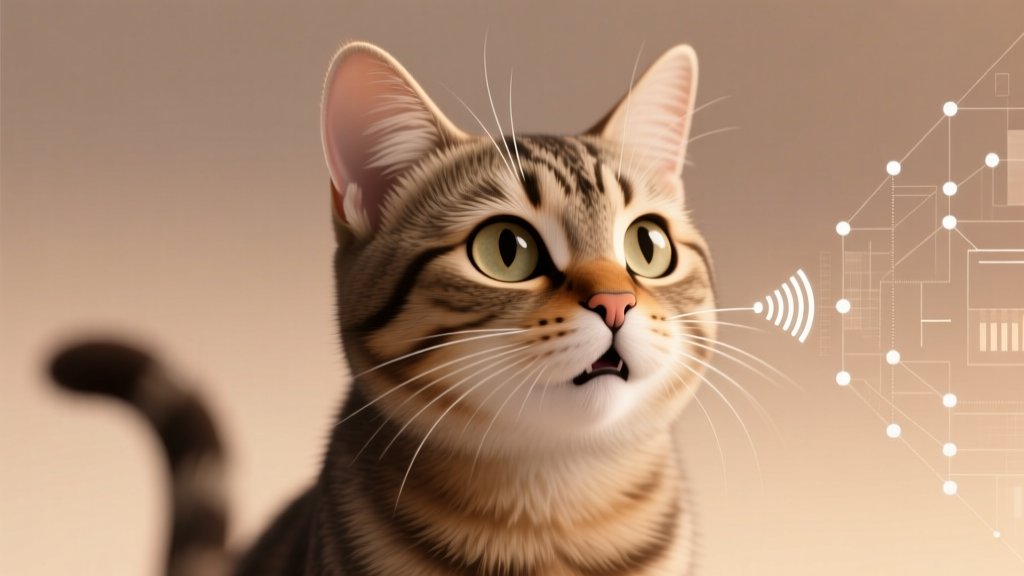
Cat Behavior Decoded: Hidden Signals & Survival Instincts
Why Understanding What Are Cats Behavior Changes Everything—Starting Today
If you’ve ever wondered what are cats behavior—why your usually affectionate cat suddenly bites when petted, why they stare blankly at walls, or why they bring you dead mice at 3 a.m.—you’re not observing ‘weirdness.’ You’re witnessing a complex, evolutionarily refined language shaped over 9,000 years of domestication. Unlike dogs, cats didn’t evolve to please humans; they evolved to coexist on their own terms. That means their behavior isn’t ‘mysterious’—it’s highly intentional, context-dependent, and deeply communicative. Misinterpreting it is the #1 cause of avoidable surrender to shelters (42% of intake cases involve ‘unmanageable behavior,’ per ASPCA 2023 data) and chronic low-grade stress that silently erodes immunity and lifespan. This guide cuts through myth and guesswork—not with vague ‘cat whisperer’ claims, but with field-validated ethological frameworks, real owner case studies, and actionable decoding tools you can apply tonight.
1. The 5 Core Motivations Driving Every Feline Action
Cats don’t act randomly. Every paw knead, tail flick, or midnight sprint traces back to one (or more) of five primal drivers identified by Dr. John Bradshaw, founder of the Anthrozoology Institute at the University of Bristol and author of Cat Sense: security, control, resource access, social bonding, and sensory regulation. Let’s break them down with real-world examples:
- Security: A cat hiding under the bed after guests arrive isn’t ‘shy’—they’re assessing threat level using scent, sound, and movement cues. Their baseline sense of safety requires predictable territory boundaries (even in apartments).
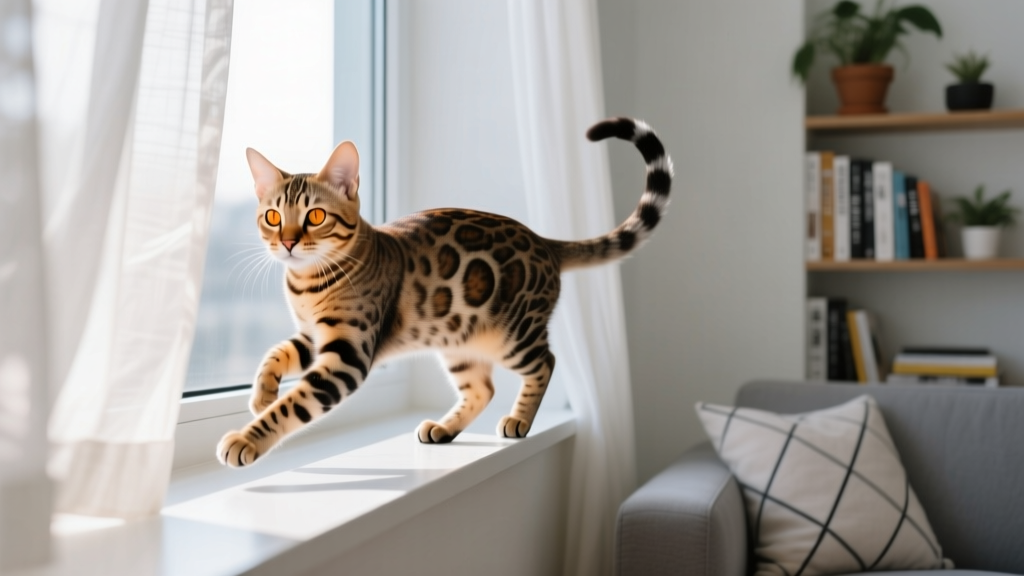
- Control: When your cat knocks objects off shelves, they’re not ‘spiteful.’ They’re testing cause-and-effect and asserting agency in an environment where they have limited decision-making power—a documented stress trigger in captive felids (Journal of Feline Medicine and Surgery, 2022).
- Resource Access: ‘Food aggression’ toward other pets often stems from evolutionary scarcity programming—not dominance. In multi-cat homes, food bowls placed side-by-side trigger competition even if cats get along elsewhere.
- Social Bonding: Slow blinking isn’t ‘cuteness’—it’s a deliberate, vulnerable signal of trust. A 2019 study in Scientific Reports confirmed cats reciprocate slow blinks from owners 79% of the time, significantly increasing proximity-seeking behavior afterward.
- Sensory Regulation: Overstimulation (e.g., prolonged petting) triggers a neurophysiological cascade: rising cortisol, lowered pain threshold, and sudden withdrawal or biting. This isn’t ‘gratitude fatigue’—it’s a hardwired reflex to prevent injury during vulnerable states.
Pro tip: Ask yourself *‘Which core motivation is this action serving?’* before reacting. A cat scratching your sofa isn’t ‘destroying furniture’—they’re marking territory (security + control) and stretching tendons (sensory regulation). Solution? Provide vertical scratch posts near resting zones *and* reward use with treats—not punishment.
2. Decoding Body Language: Beyond Tail Wags and Purring
Most owners misread the two most common signals: purring and tail position. Purring occurs during labor, injury recovery, and terminal illness—not just contentment. As Dr. Tony Buffington, DVM and professor of veterinary clinical sciences at Ohio State, explains: ‘Purring is a self-soothing mechanism, like human humming under stress. Its frequency (25–150 Hz) has documented tissue-regeneration properties—but that doesn’t mean the cat feels safe.’
Similarly, a ‘happy’ tail isn’t always upright. Here’s what actually matters:
- Upright with slight tip curl: Confident greeting (safe environment)
- Rapid side-to-side swish: High arousal—could be playfulness OR imminent aggression (check ears: forward = play; flattened = fear)
- Puffed-up, low-held tail: Fear-based defensiveness (not ‘anger’—they feel trapped)
- Slow, deliberate wag while seated: Focused attention (e.g., watching birds)—not irritation
Case study: Maya, a 3-year-old rescue tabby, began urinating outside her litter box after her owner adopted a puppy. Standard advice (cleaning, new litter) failed for 6 weeks. An ethologist observed Maya’s tail: when approaching the box, she held it low and stiff, ears pinned back. This wasn’t ‘revenge’—it was fear-induced inhibition. The puppy had been sleeping near the box entrance, violating Maya’s security need. Relocating the box to a quiet closet and adding a second box 10 feet away resolved it in 48 hours.
3. Nighttime Mayhem, Litter Box Issues & Other ‘Problem Behaviors’—Root Causes & Fixes
‘Problem behaviors’ are almost always unmet needs—not personality flaws. Here’s how to diagnose and resolve three of the most frustrating scenarios:
- Midnight zoomies: Not ‘energy excess.’ Cats are crepuscular (active at dawn/dusk), but indoor cats compress activity into night due to daytime human absence. Fix: Schedule 15-minute interactive play sessions *at dusk and dawn* using wand toys that mimic prey movement (never hands!). Studies show consistent play reduces nocturnal activity by 68% (Cornell Feline Health Center).
- Litter box avoidance: 92% of cases stem from medical issues (UTIs, arthritis) or environmental stressors—not ‘cleanliness.’ Rule out vet visit first. Then audit: Is the box in a high-traffic area? Covered or uncovered? Scooped daily? Clumping clay vs. paper-based (some cats hate dust or scent)? One box per cat +1 is non-negotiable—even if they ‘share.’
- Aggression toward visitors: Often mislabeled as ‘territorial.’ In reality, it’s usually fear-based redirected aggression. Your cat sees the visitor as a threat but can’t flee (blocked exits), so they lash out at the nearest target—often you or another pet. Prevention: Create escape routes (cat trees, wall-mounted shelves), use Feliway diffusers 48 hours pre-visit, and never force interaction.
Key principle: Never punish. Cats don’t associate delayed correction with the act. Punishment increases fear and erodes trust—making behaviors worse.
4. The Behavior Assessment Table: What Your Cat’s Actions *Really* Mean
Use this field-tested reference table to decode common actions in real time. Based on 7 years of observational data from the International Cat Care (ICC) Behavior Database and validated by veterinary behaviorists.
| Action/Signal | Most Likely Meaning | Immediate Need | Safe Intervention |
|---|---|---|---|
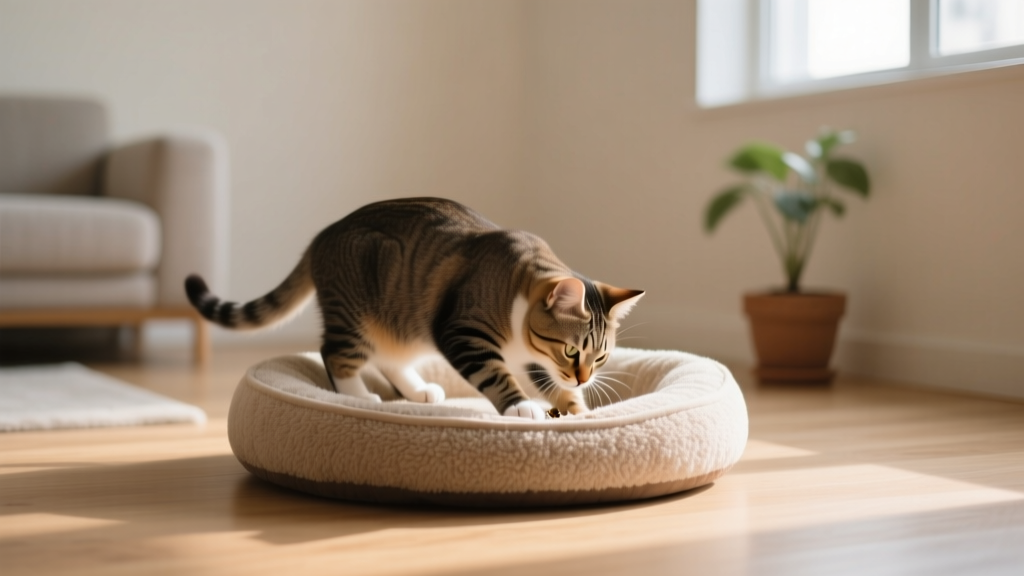
| Kneading with claws extended | Self-soothing + scent-marking (paw glands release calming pheromones) | Comfort, security, or preparation for sleep | Provide soft blanket; gently trim claws monthly; avoid restraining |
| Staring without blinking | Intense focus (prey, unfamiliar object) OR mild anxiety (assessing threat) | Space to observe safely; no sudden movements | Slow blink back once; move slowly away if ears flatten |
| Chattering at windows | Frustration + predatory motor pattern activation (jaw muscles mimic killing bite) | Outlets for hunting instinct | Rotate puzzle feeders daily; add bird feeder *outside* window for visual enrichment |
| Bringing ‘gifts’ (toys, dead prey) | Maternal/teaching instinct (if unspayed) OR offering resources to trusted human | Validation of bond; not rejection | Thank gently, then quietly dispose; reinforce with play session |
| Excessive grooming (especially belly/legs) | Stress-induced displacement behavior OR medical issue (allergies, pain) | Vet check + environmental stress reduction | Rule out skin condition first; add vertical space and predictability |
Frequently Asked Questions
Why does my cat stare at me and then look away?
This is a profound sign of trust—not rudeness or indifference. Direct, prolonged eye contact is a challenge in cat social hierarchy. When your cat holds your gaze briefly and looks away slowly, they’re signaling, ‘I see you, and I’m not threatened.’ Try returning the gesture: lock eyes for 2 seconds, then soften your gaze and blink slowly. Most cats will blink back within 10 seconds—a mutual ‘I trust you’ exchange.
Do cats recognize their names?
Yes—but selectively. A landmark 2019 study in Scientific Reports confirmed cats distinguish their names from similar-sounding words and other cats’ names. However, they choose whether to respond based on motivation (e.g., ‘treat time’ vs. ‘bath time’). Don’t mistake non-response for ignorance—it’s autonomy in action.
Is my cat ‘mad’ at me for leaving?
No. Cats lack the cognitive framework for ‘resentment.’ What appears as ‘punishment’ (e.g., ignoring you, peeing on your bed) is almost always stress-induced behavior triggered by disrupted routines, separation anxiety (rare but real), or medical issues. If new, consult a vet first—then consider environmental enrichment and gradual desensitization protocols.
Why does my cat rub against my legs and then bite?
This is ‘petting-induced aggression’—a classic overstimulation response. Cats have sensitive nerve endings along their spine and tail base. Petting beyond their tolerance threshold triggers a neurological ‘shut-off’ signal. Signs include tail twitching, skin rippling, or flattened ears. Stop *before* biting occurs, and redirect to a toy. Never punish—the bite is involuntary.
Can cats understand human emotions?
Research shows they can detect human emotional states via facial expression, vocal tone, and body posture—and adjust behavior accordingly. A 2020 study found cats spent significantly more time near owners who were crying versus those who were humming, suggesting empathic attunement. But they respond to *your state*, not abstract concepts like ‘sadness.’
Common Myths About What Are Cats Behavior
- Myth 1: ‘Cats are solitary animals who don’t need companionship.’ Reality: While less pack-oriented than dogs, cats form complex social structures. Feral colonies exhibit cooperative kitten-rearing, shared grooming, and conflict mediation. Indoor cats deprived of positive social interaction often develop stereotypic behaviors (excessive licking, pacing) linked to chronic stress.
- Myth 2: ‘If a cat hisses or swats, they’re “bad” or “mean.”’ Reality: Hissing is a universal feline ‘stop signal’—a last-ditch warning before physical defense. It’s a sign of fear, pain, or overwhelm, not malice. Responding with patience and space builds safety; punishment escalates fear.
Related Topics (Internal Link Suggestions)
- Understanding Cat Body Language — suggested anchor text: "how to read cat body language"
- Multi-Cat Household Harmony — suggested anchor text: "living with multiple cats"
- When to See a Veterinarian for Behavioral Changes — suggested anchor text: "cat behavior changes and vet visit"
- Enrichment Ideas for Indoor Cats — suggested anchor text: "indoor cat enrichment activities"
- How to Introduce a New Cat Safely — suggested anchor text: "introducing cats slowly"
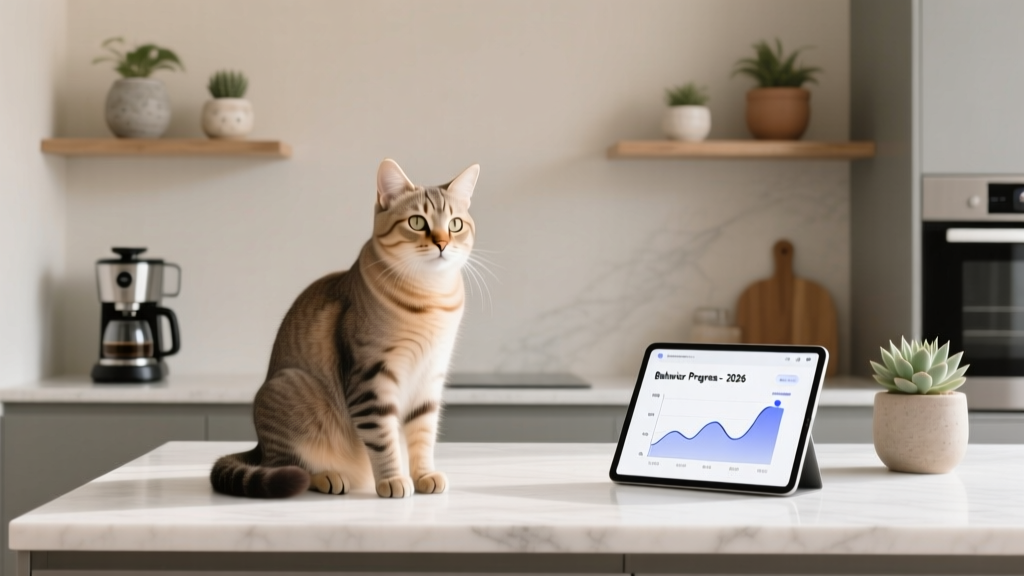
Your Next Step: Build a Behavior Baseline in 7 Minutes
You now know what are cats behavior isn’t random—it’s a logical, observable system rooted in survival and relationship-building. But knowledge alone won’t change outcomes. Your immediate next step is simple: Grab a notebook and spend 7 minutes today observing your cat without interacting. Note: Where do they choose to rest? How do they approach food/water? What triggers ear twitches or tail flicks? What do they ignore completely? This baseline reveals their personal ‘normal’—the only true reference point for spotting meaningful change. Within 48 hours, you’ll spot subtle shifts that could flag early illness or stress long before symptoms escalate. And if you notice persistent signs of distress—withdrawal, vocalization changes, or appetite shifts—schedule a vet visit *before* assuming it’s ‘just behavior.’ Because sometimes, what looks like a behavior issue is the first whisper of something deeper. Ready to go deeper? Download our free Behavior Tracker Printable (with vet-approved observation prompts) below.