Cat Paw Holding Your Finger During Nail Trim: Trust
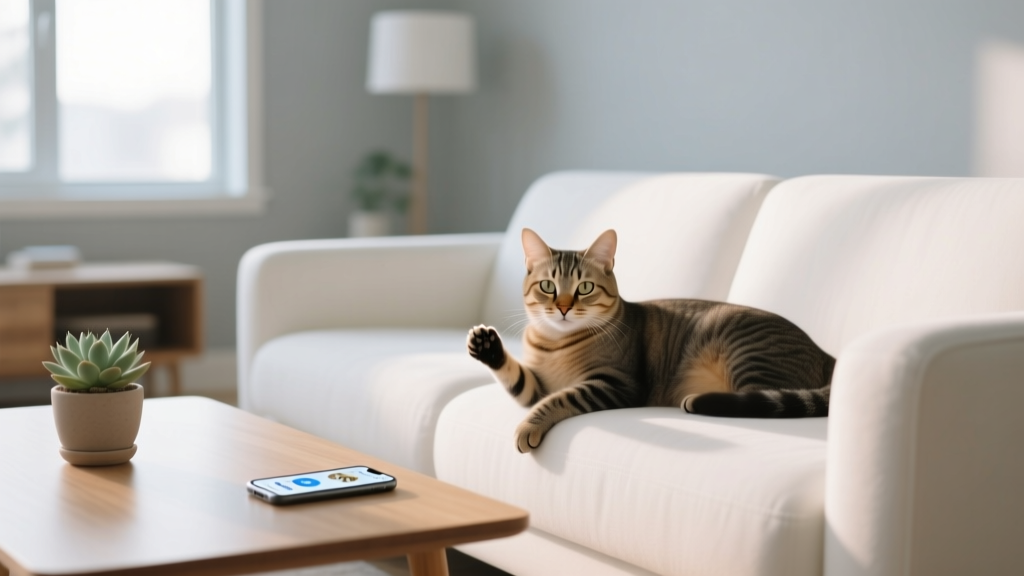
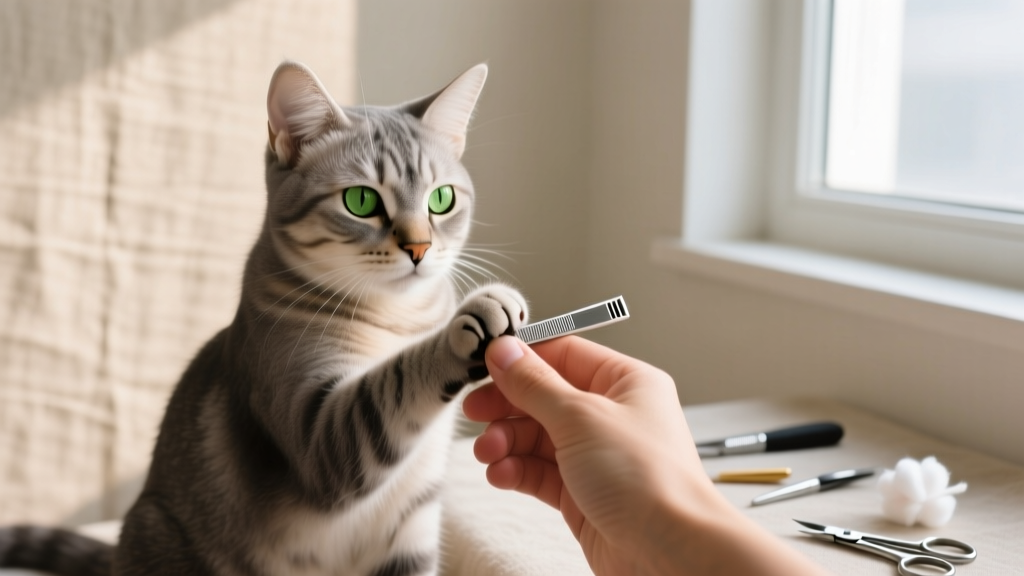
You’ve got the clippers in one hand, your cat’s paw in the other, and you’re bracing yourself for the usual: a dramatic sigh, a wriggle, maybe an offended stare that could curdle milk. And then… something surprising happens. Your cat reaches out, wraps their little paw pads around your finger, and holds on as if to say, “Okay. You may proceed, human.”
It’s one of those quietly mind-blowing cat moments. Nail trims aren’t exactly a spa treatment, so why would a cat hold your finger during the process—especially when they could be plotting an escape?
That tiny paw-grab can be a real sign of trust, but it’s also more nuanced than “my cat loves me.” Cats are subtle communicators. A paw holding your finger can mean comfort, control, reassurance, or even a polite attempt to manage an experience they don’t fully enjoy. Understanding the “why” behind it can make nail trims calmer—and deepen your relationship in the process.
Why Cats Do This (The Science and the Cat Logic)
Cats aren’t built to enjoy restraint. In the wild (and in their instincts), being held still can mean danger. So when a cat cooperates with nail trimming, their behavior is often guided by two forces: social trust and self-regulation.
1. Touch as a calming strategy
Many animals—including cats—use touch to regulate stress. Kittens knead their mother and littermates. Adult cats rub cheeks and bodies on trusted companions. Touch can lower arousal and provide a sense of predictability. When your cat holds your finger, they may be using gentle contact to steady themselves through a mildly stressful event.
2. “I’m participating” (control reduces stress)
Cats cope better when they feel they have some control. A cat who places their paw over your finger may be doing a version of “I’m in this with you.” It’s a small way of participating rather than being passively handled. Even if your cat doesn’t love nail trims, feeling involved can make the experience less threatening.
3. Social bonding behaviors in disguise
Cats form attachment patterns with their favorite humans. Research into cat-human bonds suggests many cats show secure-base behaviors (seeking proximity, checking in visually, using the human as a source of safety). During grooming tasks, a cat may seek reassuring contact the way they might during a thunderstorm: “Stay right here.”
4. Paws are sensitive—and cats are precise
A cat’s paws are loaded with nerve endings. They’re not just “hands”; they’re sensory tools. When your cat holds your finger, they may also be gently monitoring what you’re doing. It’s a tactile check-in: “I feel what you’re doing, and I’m tracking it.”
Breaking Down the Finger-Hold: Different Contexts, Different Meanings
Not all paw holding is the same. The meaning often depends on your cat’s body language, the intensity of the grip, and what’s happening right before and after.
1. The soft “mitten rest”
Your cat lightly places their paw on your finger or hand, pads relaxed, claws not extended. This is the gold standard of calm cooperation. It often shows trust and an attempt to stay grounded.
2. The gentle squeeze
A little pressure, like they’re holding on more firmly. Some cats do this when the trim feels slightly uncomfortable or they’re anticipating the snip. It can mean, “I’m not thrilled, but I’m coping. Keep it predictable.”
3. The “stop right there” hold
The paw clamps down briefly, sometimes with a quick head turn or widened eyes. This can be a polite boundary: “Pause.” If you stop for a second, offer a treat, and slow your pace, many cats will continue.
4. The hook-and-pull
Your cat uses their paw to pull your hand closer—sometimes toward their chest or chin. This can be comfort-seeking, like a child grabbing a parent’s hand during something unpleasant. But it can also be strategic: pulling your hand off position to interrupt the trim.
5. The paw hold + purr combo
A purring cat holding your finger looks like a clear “happy cat,” but remember: cats also purr when nervous. Check the rest of the body. Loose whiskers, soft eyes, and relaxed shoulders usually mean contentment. Stiff posture, rapid breathing, or a tense tail suggests the purr is self-soothing.
What It Says About Your Cat’s Mood and Feelings
Here are some common emotional “translations” of the finger-hold, paired with body language clues.
- Trust and safety: relaxed body, slow blinks, loose tail, ears neutral. Your cat believes you won’t hurt them—even if they’d rather be napping.
- Seeking reassurance: paw hold with leaning into you, frequent eye contact, mild tension in shoulders. Your cat wants connection while they tolerate something uncertain.
- Negotiating boundaries: firmer grip, ears slightly back, brief freeze. Your cat is communicating “go slower” or “take breaks.”
- Trying to control the situation: paw hold paired with squirming, twisting, or pushing your hand away. Not aggression—more like feline bargaining.
- Over threshold (too stressed): very tight grip, claws out, rapid tail flicks, dilated pupils, growling. This is no longer cooperation; it’s a warning sign to stop.
Related Behaviors You Might Also Notice
Cats that hold your finger during nail trims often show other “touch-based” trust behaviors:
- Holding your hand during petting (placing a paw on your wrist like a bookmark)
- Touching you with a single paw when they want attention—gentle taps, sometimes hilariously polite
- Grabbing your sleeve during brushing, as if to say, “Continue, but remain emotionally present”
- Placing a paw on your face in bed (an intimate gesture that is either affectionate or a bold request for breakfast)
- Slow blinking during handling—often a sign they feel safe enough to “soften”
- Kneading near you before or after grooming tasks, a comfort ritual
When Paw Holding Is Normal vs. When It Might Be a Concern
Most of the time, finger-holding during nail trims is normal—and honestly, pretty sweet. Still, pay attention to changes.
Usually normal:
- Your cat has a relaxed or mildly tense body but recovers quickly
- The grip is gentle, claws stay in
- Your cat allows multiple nails to be trimmed with breaks
- The behavior is consistent with their usual personality
Potential concern (pause and reassess):
- Sudden new sensitivity to paw handling (could indicate pain in toes, joints, or nails)
- Claws extending during the grip, paired with growling or biting
- Limping, swelling, or excessive licking of paws
- Behavior changes like hiding more, irritability, or refusing touch
If your cat’s paw handling tolerance suddenly drops, it’s worth checking for issues like an overgrown nail, a tiny paw injury, arthritis, or even mats between toes. When in doubt, a vet check is the kindest next step.
How to Respond (And Encourage That Trust)
If your cat holds your finger during nail trims, you can treat it like what it often is: an attempt to cope and connect. Here’s how to make the most of it.
- Match their pace. If the grip tightens, pause. Let them relax. Nail trims are a conversation, not a wrestling match.
- Use predictable handling. Support the paw gently, avoid twisting toes, and keep the clipper movement slow and clear.
- Trim fewer nails per session. Many cats do best with 1–3 nails at a time. “Micro-trims” build long-term cooperation.
- Pair the trim with high-value rewards. Think lickable treats, tiny chicken bits, or a special treat they only get for nail time.
- Try a steady “anchor” touch. Rest your hand under their paw so they feel supported. Some cats like to keep contact the whole time.
- Watch the body language, not just the paw. The paw hold is only one piece of the emotional puzzle.
- Keep your own energy calm. Cats read tension beautifully. If you’re bracing for battle, your cat may too.
Pro tip: If your cat’s finger-hold seems to help them cope, don’t immediately pull your hand away after a nail. Let them maintain contact for a second. That tiny moment of “we’re okay” can make the next nail easier.
Fun Facts and Research-Adjacent Nuggets
- Cats learn cooperative care through repetition and outcomes. If nail trims repeatedly end with relief and rewards (and not struggle), cats can become surprisingly tolerant—even eager.
- Purring isn’t always happiness. Studies and observations suggest cats purr in multiple emotional states, including stress and pain. Context matters.
- Touch can be information. Cats use whiskers and paws to gather data. A paw on your finger may be your cat’s way of monitoring pressure and movement.
- Affiliative pawing exists. While cats don’t “hold hands” like primates, gentle paw contact is a recognized social behavior—especially in cats who are comfortable with close contact.
FAQ: Cat Paw Holding During Nail Trims
1) Does my cat holding my finger mean they trust me?
Often, yes—especially if the grip is gentle and the rest of their body looks relaxed. It can also mean they’re self-soothing or trying to feel in control. Either way, it’s a good sign they’re engaging with you rather than panicking.
2) My cat holds my finger but still seems annoyed. Is that normal?
Very normal. Many cats don’t love nail trims, but they can tolerate them with coping strategies. Think of the paw hold as your cat saying, “I don’t like this, but I can handle it if we do it my way.”
3) What if my cat suddenly stops doing it?
A change can be as simple as mood or a different environment. But if your cat also becomes more sensitive about paw handling, check for pain: a split nail, sore toe, arthritis, or even just a nail trimmed a bit too close previously. If the sensitivity persists, talk with your vet.
4) Should I keep trimming if my cat grips harder?
Harder gripping can be a warning that stress is rising. Pause, offer a treat, and see if the body relaxes. If you see dilated pupils, tail lashing, stiff posture, or growling, stop and try again later with shorter sessions.
5) Is it better to trim when my cat is sleepy?
For many cats, yes. A relaxed, drowsy cat is less reactive. Just be sure they’re truly comfortable—some cats hate being startled awake for “surprise paw handling.”
6) How can I train my cat to be calmer for nail trims?
Go step-by-step: reward paw touches, then reward holding the paw, then reward seeing the clippers, then reward a single gentle clip. Keeping sessions short and positive builds a cat who thinks, “This is weird, but it pays well.”
A Tiny Paw, A Big Message
When your cat holds your finger during a nail trim, it’s more than a cute quirk. It can be a sign of trust, a request for reassurance, or a clever feline way of staying involved in something they didn’t exactly schedule. If you listen to what the paw (and the rest of the body) is telling you, you can turn nail trims from a dreaded chore into a quiet little bonding ritual—one clipped tip at a time.
Does your cat hold your finger, hug your hand, or do something even stranger during nail trims? Share your story with the Cat Lovers Base community at catloversbase.com—we’d love to hear what your tiny lion does when the clippers come out.