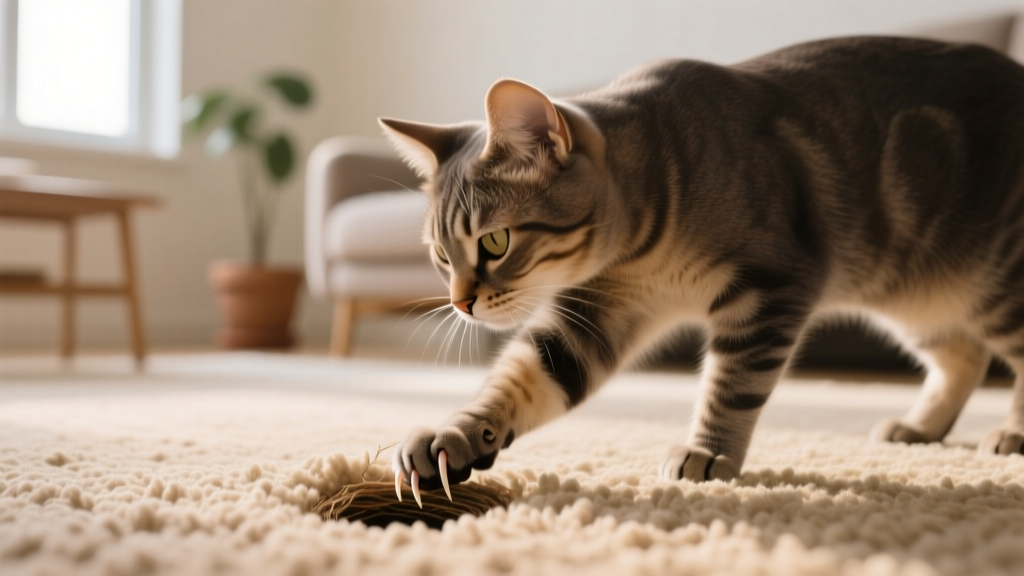
Cat Paw Digging at Carpet: Nesting or Marking?
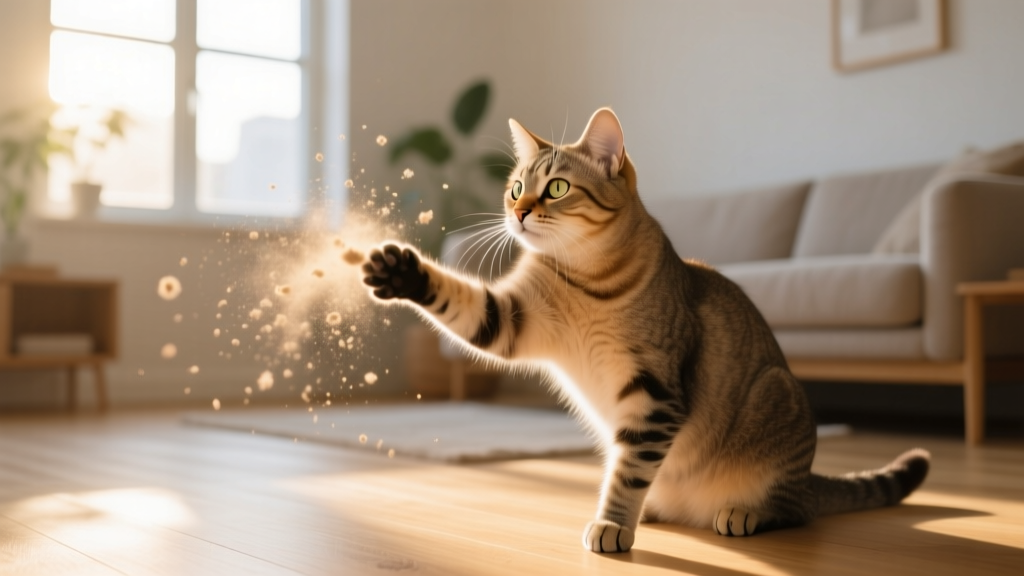
You’re folding laundry or watching a show when you hear it: scritch-scritch-scritch. You glance over and there’s your cat, intensely “digging” at the carpet like they’re trying to reach the center of the earth. Maybe they do it before flopping down for a nap. Maybe it’s right next to their food bowl, the litter box, or—of course—your nicest rug. They pause, look satisfied, and settle in as if they’ve just completed important interior design work.
So what is it? Nesting? Marking? A weird cat hobby? Usually it’s a little of several instincts bundled into one adorable, slightly baffling behavior. The good news: carpet digging is often normal. The even better news: it can tell you a lot about what your cat is feeling and what they need from their environment.
Why cats “dig” at carpet: a peek into feline evolution
Domestic cats may sleep on velvet pillows, but their brains still run plenty of “wildcat software.” Pawing and scraping at surfaces is a classic example of instinct meeting modern home décor.
In the wild (and in feral cat life today), cats use pawing behaviors to:
- Create a comfortable resting spot by flattening grass, leaves, or loose soil—essentially making a quick nest.
- Test a surface for temperature and safety before lying down. Paws are sensitive, and the motion can be part of “checking” the spot.
- Leave scent messages. Cats have scent glands in their paws. Scratching or raking can deposit scent, turning a spot into “mine.”
- Cover or conceal resources. In nature, covering leftovers (or waste) can reduce odor and avoid attracting unwanted attention.
Carpet is a modern substitute for forest floor: it has texture, it holds scent, and it responds to paw movements. From a cat’s perspective, it’s a very convincing “diggable” surface.
Different contexts: what carpet digging can mean in real life
The same digging motion can serve different purposes depending on the situation. Here are the most common contexts cat owners notice—and what’s usually going on.
1) Pre-nap “nesting” (the classic: dig, circle, plop)
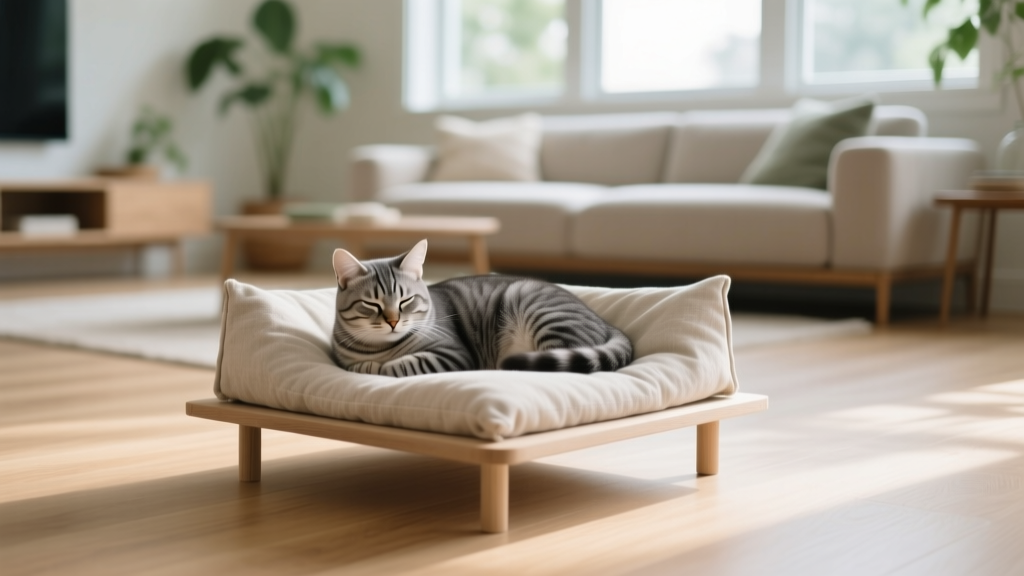
If your cat digs at the carpet, turns in a circle, kneads a little, and then lies down—this is often comfort behavior. They’re arranging the “bed” the way their instincts prefer, even if the carpet can’t really be moved.
What it looks like: concentrated pawing in one spot, sometimes with a little hip wiggle, followed by a satisfied settle. You’ll often see relaxed ears, half-closed eyes, and slow blinks.
Why it happens: It’s self-soothing and familiar. Many cats do a version of this on blankets, laundry piles, and your freshly made bed because those surfaces feel especially “nestable.”
2) “Covering” near food or water (the picky eater special)
Some cats dig or scratch the floor near their food bowl as if they’re trying to bury it. Occasionally they even push imaginary “dirt” over the bowl with dramatic flair.
What it can mean:
- They’re “saving it for later” in instinctive terms.
- The smell is strong, and they’re trying to reduce it.
- They’re not thrilled with the food, the bowl, or the location (too exposed, too noisy, too close to litter).
Vivid scenario: You set down a new canned food. Your cat sniffs, makes eye contact as if to say “bold choice,” then starts scraping the carpet beside the bowl like they’re politely filing a complaint.
3) Territory marking (especially near doors, windows, or favorite hangouts)
If the digging happens in a “hotspot” area—like near the front door, a window where neighborhood cats stroll by, or a favorite perch—it may be more about communication than comfort.
Cats mark territory with scent from glands in their paws. The scratching/digging motion can deposit scent and also leave visual cues (disturbed carpet fibers, tiny snags) that say “I was here.”
Common trigger: Seeing outdoor cats, a new pet in the home, moving furniture, guests visiting, or even a new cleaning product scent that makes the area feel “reset.”
4) Stress, frustration, or “I have energy and no plan” behavior
Sometimes carpet digging is a displacement behavior—something cats do when they’re emotionally revved up and need an outlet. This can show up before play (zoomies), after a startling noise, or when they want something and aren’t getting it fast enough.
What it looks like: faster, more intense digging; a twitchy tail; quick head movements; possibly darting away afterward. In multi-cat homes, you might see it after a tense stare-down.
5) Litter box adjacent digging (and why your rug gets blamed)
If your cat digs at the carpet right outside the litter box, it may be a continuation of burying behavior—or a sign the litter box setup isn’t quite right.
Possibilities include:
- Litter texture is unpleasant (too sharp, too dusty, scented).
- The box is too small or too covered for comfortable turning and digging.
- They’re trying to bury but the litter depth is too shallow.
- They’re stressed about the box location (too busy, no escape route).
What carpet digging says about your cat’s mood
This behavior can be a surprisingly good “mood indicator” once you notice patterns.
- Calm and cozy: Slow digging followed by settling, kneading, purring, or slow blinking. Your cat is regulating their comfort and feels safe.
- Possessive or territorial: Digging near entrances/windows or around favorite human spots, sometimes paired with rubbing cheeks on furniture or scratching posts nearby.
- Uncertain or mildly stressed: Digging that appears after changes (new smells, visitors, schedule shifts). Often short bursts, then vigilance—ears swiveling, scanning the room.
- Frustrated or overstimulated: Rapid, intense digging plus tail lashing, zoomies, or biting at the carpet. This is your cue to offer a better outlet.
Think of carpet digging as your cat’s version of pacing, fluffing a pillow, or tapping a pen: it can be comfort, communication, or nervous energy—sometimes all at once.
Related behaviors you might also notice
Carpet digging rarely travels alone. If your cat does this, you may also see:
- Kneading on blankets, you, or soft cushions (a soothing behavior rooted in kittenhood).
- Scratching posts or corners more often during household changes (territorial messaging).
- Circling before lying down as if they’re patting down invisible grass.
- Burying motions around food bowls or even toys (instinctive “covering”).
- Floor sniffing and flehmen response (that open-mouth “what is that?” face) if they’re processing new scents.
Normal vs. concerning: when to pay closer attention
Most carpet digging is normal and harmless. It becomes more concerning when it’s sudden, extreme, or paired with other changes.
Typically normal:
- It happens before naps or after meals.
- Your cat is otherwise eating, sleeping, using the litter box normally.
- The behavior is occasional and your cat can be redirected easily.
Potential concern signs:
- Compulsive intensity: prolonged digging that seems hard to interrupt, occurring many times a day.
- Damage or self-injury: broken nails, bleeding paws, or raw paw pads.
- Behavioral changes: new hiding, aggression, increased vocalizing, or litter box avoidance.
- New sensitivity: your cat digs and then suddenly bolts, flinches, or seems uncomfortable—pain (arthritis, paw pain) can change how a cat interacts with surfaces.
- GI or appetite changes when digging is happening near food (nausea or food aversion can show up as “burying” motions).
If you’re seeing concern signs, a vet check is a smart first step—especially to rule out pain, skin issues, or anxiety that’s escalating into compulsive behavior.
How to respond (and how to save your carpet without confusing your cat)
You don’t need to “correct” a normal instinct. You just want to guide it to appropriate outlets and make the environment feel secure.
Offer better digging/scratching options
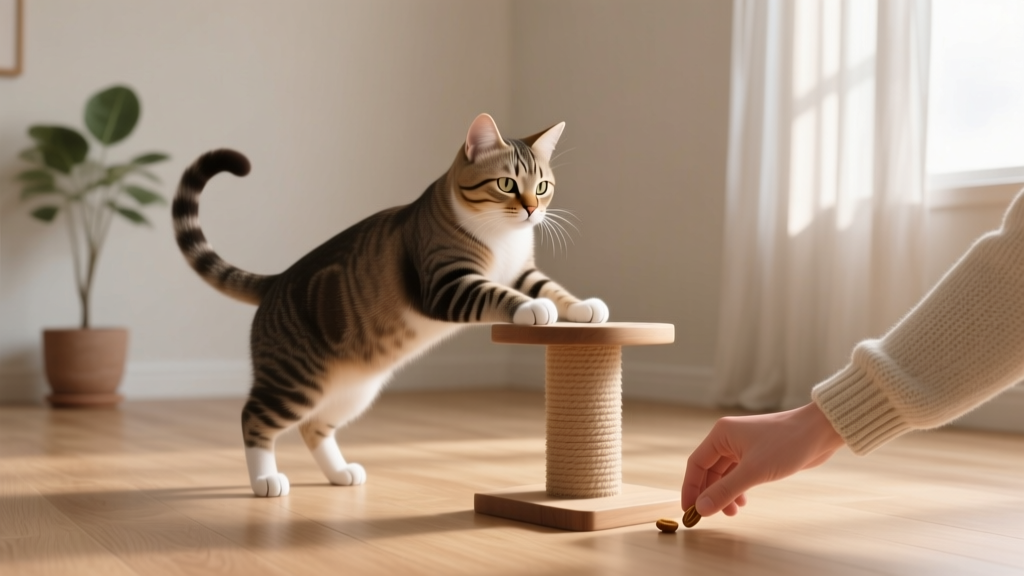
- Add horizontal scratchers (cardboard lounges, sisal mats). Many cats who dig at carpet prefer horizontal textures.
- Try a “dig box”: a shallow plastic bin with crinkly paper, fabric scraps, or large smooth river stones (nothing swallowable). Supervise at first to make sure it stays safe.
- Place scratchers in the “problem” location—near the doorway, by the food area, or beside the nap spot. Cats are location loyal.
Make nap spots more “nestable”
- Put a small fleece blanket or soft mat where your cat likes to dig-then-sleep.
- Choose materials that grip paws (fleece, sherpa) rather than slippery fabrics.
Adjust food station setup if digging happens there
- Move bowls away from high-traffic areas and away from the litter box.
- Use shallow, wide bowls (whisker-friendly) to reduce whisker stress.
- If wet food smell seems to trigger “burying,” offer smaller portions more frequently.
Lower stress and add enrichment
- Give your cat a daily “hunt routine”: wand toy play, then a small meal.
- Use puzzle feeders or scatter kibble for foraging if appropriate.
- If outdoor cats are a trigger, add window film, block direct sightlines, or provide alternative perches.
Protect the carpet while you retrain habits
- Place a washable rug, chair mat (with smooth top), or carpet runner over the favorite digging zone.
- Use double-sided tape strips in small areas (some cats hate the feel), but pair this with an appealing alternative nearby so your cat has a “yes” option.
Fun facts and research-y tidbits (cat behaviorist party talk)
- Paws are scent tools. Cats have glands between their toes. Scratching and raking motions can leave a “signature” that other cats can detect, even if humans can’t.
- Comfort behaviors stack. Digging, kneading, circling, and grooming often cluster together because they all help a cat regulate arousal—basically shifting from alert mode into rest mode.
- Cats love predictable rituals. Many cats repeat the same pre-nap routine in the same spot for years. If your cat digs one exact square of carpet daily, that’s not weird—it’s a ritual.
- Smell changes can “reset” a room. Strong cleaners can remove familiar scent cues. Some cats respond by remarking with scratching or rubbing to make the area feel like home again.
FAQ: Cat paw digging at carpet
Why does my cat dig at the carpet and then lie down?
This is usually nesting behavior—a comfort ritual to “prepare” a resting spot. It’s common and typically a sign your cat feels safe enough to relax.
Is carpet digging the same as scratching?
They overlap. Scratching is often more about claw maintenance and marking, while “digging” can look like raking or pawing without fully hooking claws. In practice, many cats mix the two motions depending on the texture.
Why does my cat dig near their food bowl like they’re burying it?
That’s an instinctive covering behavior. It can mean “save for later,” “reduce the smell,” or “I’m not sure about this food/location.” Try adjusting bowl style, food portioning, and placement.
Should I stop my cat from doing it?
If it’s occasional and not destructive, you don’t need to stop it—just redirect it to better outlets (horizontal scratchers, cozy mats). If it’s damaging carpet or becoming obsessive, it’s worth addressing more actively.
My cat only digs when company comes over. Why?
Guests change the scent and energy in a home. Digging can be a displacement behavior (mild stress outlet) or a way to remark territory. Provide a quiet safe room, extra scratchers, and a predictable routine during visits.
When should I call the vet or a behavior professional?
If the behavior is sudden, intense, paired with litter box issues, appetite changes, aggression, hiding, or any sign of pain (limping, overgrooming paws, broken nails), start with your vet. If medical issues are ruled out and stress seems high, a qualified cat behavior consultant can help with a plan.
Cats don’t dig at carpet to be “difficult.” They’re expressing instincts—comfort, communication, and sometimes a little emotional processing—using the tools they have: paws, scent, and routine. Once you figure out your cat’s main “why,” you can respond in a way that protects your home and makes your cat feel understood.
Does your cat have a signature digging spot or a funny pre-nap ritual? Share your stories (and any carpet-related mysteries) with the Cat Lovers Base community at catloversbase.com—we love a good “why is my cat like this?” moment.