Cat Paw Bumping the Pet Door: Entry Request
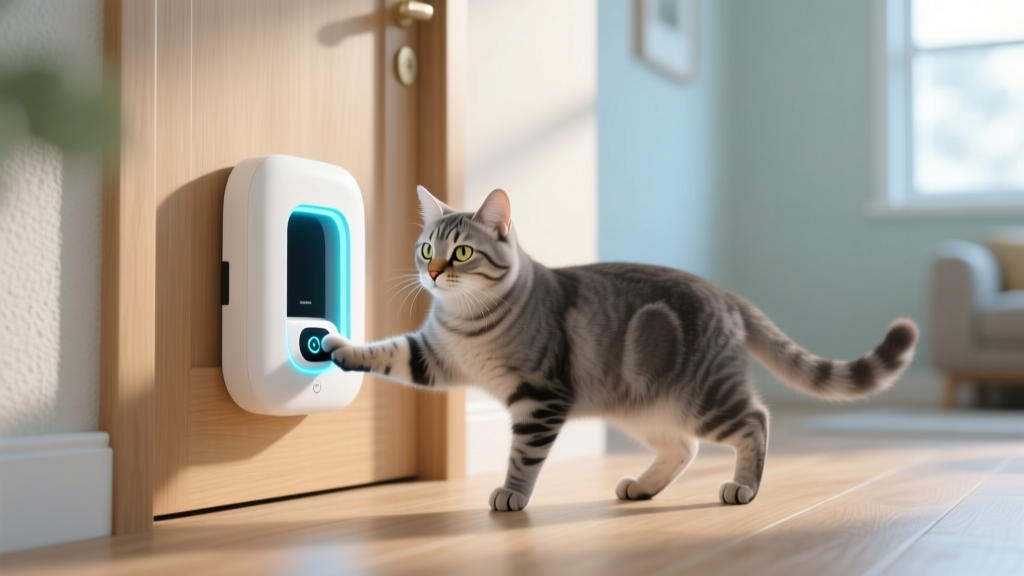
You’re curled up on the couch. The house is quiet. Then you hear it: tap… tap-tap… thump. You look over and see a little paw poking under the pet door, batting at the flap like it’s a suspicious piece of wildlife. Your cat isn’t meowing. They aren’t scratching the frame. They’re just… paw-bumping the pet door again and again, as if politely knocking.
If you’ve ever wondered, “Why don’t you just push through like you’ve done a thousand times?” you’re in good company. Paw-bumping the pet door is one of those cat behaviors that’s equal parts practical, cautious, and—if we’re being honest—slightly dramatic. The good news: it’s usually normal. The better news: it can tell you a lot about what your cat is feeling in that moment.
Why Cats Paw-Bump the Pet Door (The Science and the Cat Logic)
Cats are both predators and prey. That “in-between” role shaped a brain that’s brilliant at risk assessment. A pet door is basically a moving, noisy object that leads into unknown territory on the other side. Even if your cat uses it daily, it can still feel like a mini ambush point: something could be out there, or something could come in.
From an evolutionary perspective, cautious investigation makes sense. In the wild, pushing your head into an opening without checking first is a great way to meet a rival, a predator, or an unpleasant surprise. Pawing first is safer than leading with your face. A paw can test:
- Motion: Does the flap swing freely, or is it stuck?
- Sound: How loud is it today? (Noise sensitivity is real in cats.)
- Smell and airflow: Is there a strange scent or breeze hinting at “something’s out there”?
- Safety: Is this doorway currently “occupied” by another cat, dog, or threat?
There’s also a learning component. If paw-bumping has worked before—maybe you came over and opened the main door, or you praised them, or the flap moved in a satisfying way—your cat may repeat the behavior. Cats are excellent at repeating what gets results, even if the result is simply “my human looked at me.”
A Closer Look: Different Contexts, Different Meanings
Not all paw-bumps are created equal. The details matter: the rhythm, body posture, time of day, and what happens right before and after. Here are common scenarios cat owners recognize.
1) The “Polite Knock”
Your cat walks up calmly, taps the flap once or twice, then waits. Tail neutral, ears forward, eyes soft. This often means: “I’d like access, please.” Some cats treat the pet door like a doorbell.
2) The “Is This Thing Working?” Check
A few quick taps, then a pause, then more tapping—almost like troubleshooting. This can happen when the flap is stiff from cold weather, warped, dirty, or catching on the frame. Many cats will test the resistance before committing their whole body.
3) The “Something’s Out There” Probe
Paw slips under, wiggles, pulls back. Your cat leans in and sniffs, ears rotating like satellite dishes. They may freeze briefly. This usually signals caution. They’re gathering information before crossing a boundary.
4) The “I’m Not Going Through, You Open It” Negotiation
Some cats can use the pet door… but they’d rather not. The flap might brush their whiskers, bump their back, or make a startling clack. Paw-bumping can be a way to request: “Could you open the big door like the staff you are?”
5) The “Hurry Up!” Frantic Tapping
Rapid-fire pawing, sometimes with a meow, maybe even a little body slam. This is often urgency: they’re excited, hungry, chased by another cat, spooked by a noise, or need the litter box now and the pet door is between them and relief.
6) The “I Own This Door” Scent-and-Paw Routine
You might see a rub against the frame, cheek marking, then a few taps. That’s boundary behavior. Doorways are high-value territory markers because they connect spaces. Paw-bumping here can be part of a broader “this is mine” ritual.
What Paw-Bumping Says About Your Cat’s Mood
Your cat’s paw on the flap is like a tiny mood report—if you read the rest of their body language.
- Curious and confident: Tail up or gently swaying, ears forward, smooth movements. They’re interested and feel safe.
- Uncertain or cautious: Low body posture, slow tapping, hesitation, frequent sniffing. They’re assessing risk.
- Irritated or impatient: Tail flicking sharply, louder thumps, vocalizing. Something is blocking their goal (or their schedule).
- Anxious or startled: Wide eyes, ears sideways, tense shoulders, quick retreat after tapping. They want in/out but don’t feel secure.
- Playful: Bouncy posture, sideways hop, pawing like a game. The flap becomes a “mystery toy” that moves.
One of the most useful takeaways: paw-bumping is often a compromise behavior. Your cat wants access, but they’re not fully convinced it’s worth pushing through without extra information—or without you participating.
Related Behaviors You Might Also Notice
If your cat paw-bumps the pet door, you may see similar “boundary-testing” habits elsewhere:
- Pawing under closed doors (bathroom doors are classic): checking for movement, scent, and access.
- Tap-and-run at new objects: a cautious touch followed by a quick retreat.
- Whisker-forward sniffing at thresholds: cats treat doorways like information hubs.
- Body blocking near the door: controlling traffic in a multi-pet home.
- Vocal “announcements” right before tapping: some cats add a commentary track.
These all stem from the same feline theme: “I want to know what’s happening on the other side before I commit.”
When Paw-Bumping Is Normal vs. When It’s a Concern
Most of the time, this behavior is harmless. Cats paw at things that move, make noise, or control access—it’s practically a job description.
Likely normal if:
- Your cat otherwise uses the door normally at other times.
- The tapping is occasional and tied to obvious situations (wind, cold flap, hearing something outside).
- Your cat’s appetite, litter box habits, and energy are normal.
Worth a closer look if:
- Sudden change: A cat who always used the door now refuses and only paw-bumps, especially if they seem distressed.
- Fear signs: Crouching, hiding, aggression, or panic around the door area.
- Physical discomfort: Hesitation to squeeze through, sensitivity when touched, limping, or stiffness. Arthritis or pain can make pushing through a flap unpleasant.
- Obsessive intensity: Prolonged, repetitive pawing that disrupts sleep or daily routine may signal stress or compulsive behavior.
- Outdoor conflict: You notice neighborhood cats outside, urine spraying near the entrance, or your cat is being bullied at the doorway.
If you suspect pain, a vet check is smart. If the issue seems emotional (fear, territorial stress), a feline behavior professional can help you map triggers and set up a calmer entry routine.
How to Respond (And How to Encourage Smooth, Confident Door Use)
You don’t have to “train it out” of them—paw-bumping is communication. But you can make the door experience easier and reduce the need for frantic knocking.
Make the Pet Door Feel Predictable
- Check flap resistance: Clean the hinges, remove debris, and ensure the flap swings easily. A sticky flap creates uncertainty.
- Reduce scary noise: Some doors clack loudly. Softening pads or quieter models can help noise-sensitive cats.
- Improve lighting: A dark doorway can feel risky. A motion-activated night light near the door can increase confidence.
Support Confidence with Gentle “Doorway Coaching”
- Reward brave choices: When your cat pushes through calmly, offer praise, a treat, or a short play session. You’re building a positive association.
- Avoid forcing: Pushing a nervous cat through can backfire and create a long-term fear of the flap.
- Practice in low-stress moments: If they’re already amped up (hungry, spooked), door practice is harder. Choose relaxed times.
Address the “Something’s Out There” Problem
- Look for outdoor visitors: If another cat hangs near the entrance, your cat may be paw-testing for safety. Motion-activated sprinklers, deterrents, or blocking sightlines can help.
- Create an indoor buffer zone: Place a perch or hiding spot near—but not directly beside—the door so your cat can observe without feeling cornered.
Give Them a Better Way to Ask
If your cat is paw-bumping because it reliably summons you, you can replace “door thumping at 3 a.m.” with a calmer signal:
- Teach a bell or button: Some cats learn to tap a soft bell or pet communication button to request door access.
- Respond consistently: If sometimes you open immediately and sometimes you don’t, your cat may escalate the tapping. Predictability lowers volume.
Fun Facts and Researchy Bits (Without the Boring Part)
- Cats prefer investigating with minimal risk. Using a paw first is a classic “safety probe,” similar to how they tap unfamiliar objects before committing.
- Doorways are emotional hotspots. In multi-cat homes, entrances can become “traffic control points,” which is why doorway behaviors often intensify with household changes.
- Many cats learn cause-and-effect with humans quickly. If paw-bumping brings you over—even to say “Stop that!”—it can still reinforce the behavior. Attention is powerful currency.
- Whiskers matter. If a flap brushes whiskers or compresses the face, some cats find it unpleasant. Whiskers are sensory equipment, not just decoration.
FAQ: Cat Paw Bumping the Pet Door
Why does my cat paw at the pet door instead of going through?
Common reasons: they’re testing whether it’s safe, the flap feels stiff or noisy, they’re unsure what’s on the other side, or they’ve learned that pawing gets you to open the main door. Watch body language—calm tapping is different from anxious hesitation.
Is paw-bumping the pet door a sign my cat is stressed?
It can be, but it’s not automatically stress. If you see other stress signals (hiding, aggression, overgrooming, not using the door suddenly, appetite changes), then it’s worth investigating triggers like outdoor cats, loud noises, or a change in routine.
My cat only does it at night. Why?
Nighttime brings different sounds, shadows, and outdoor activity. If neighborhood cats roam after dark, your cat may be extra cautious. Also, a darker doorway can feel less predictable—adding a small night light near the entrance often helps.
Should I open the main door when my cat paw-bumps?
If you don’t mind doing it, it’s fine—just know you may be reinforcing “paw-bump = service arrives.” If you want them to use the pet door more independently, reward calm pet-door use and avoid responding to frantic thumping every time.
Can a pet door hurt my cat or make them afraid?
A poorly fitted door can pinch fur, slam loudly, or resist movement, which can create fear. If your cat startles when the flap hits their back or whiskers, consider adjusting the fit, switching to a softer flap, or choosing a quieter model.
What if my cat used the door before but suddenly won’t?
Check for physical discomfort (especially in older cats), changes in the door mechanism, or something scary outside. A vet visit is a good idea if the change is abrupt or paired with other health signs.
That little paw on the flap is your cat communicating in the most cat-like way possible: testing, negotiating, and gathering intel before committing. With a few tweaks to the door setup—and a bit of curiosity about what your cat is “saying”—you can make entries and exits smoother and more peaceful for both of you.
Does your cat do the gentle “knock,” the impatient thump, or the full paw-under-the-door fishing expedition? Share your story (and your funniest pet-door moments) with the Cat Lovers Base community at catloversbase.com.