Cat Nighttime Activity Solutions
Why Cats Are Active at Night
Cats are crepuscular — naturally most active at dawn and dusk. This is an evolutionary adaptation for hunting when prey is most active. Domestic cats retain this instinct, which often conflicts with their owners' sleep schedules.
Common Nighttime Behaviors
- Running and playing at 3-5 AM
- Vocalizing (meowing, yowling) for attention
- Knocking objects off surfaces
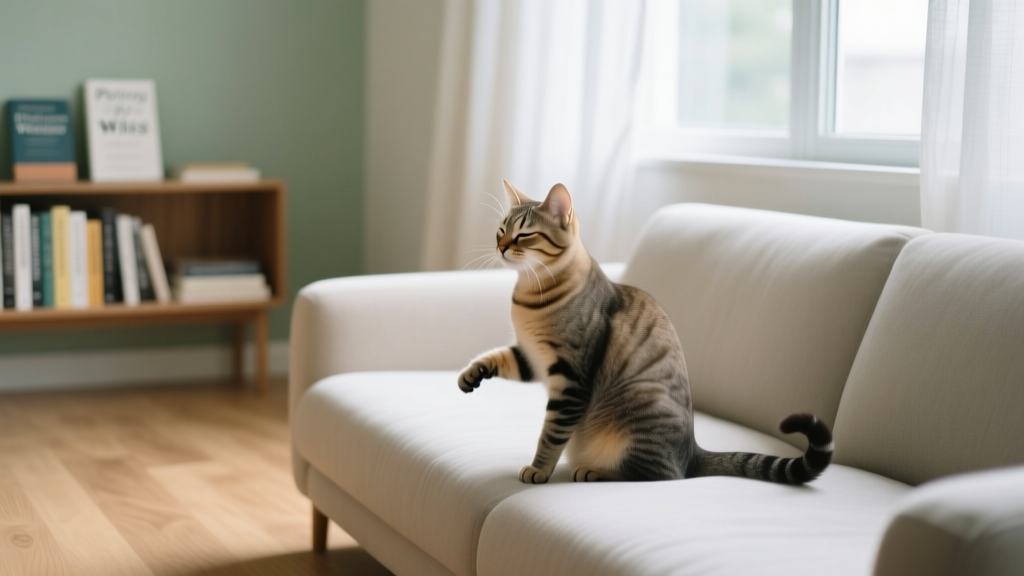
- Jumping on the bed or owner's face
- Scratching doors or furniture
Evening Routine to Promote Sleep
Step 1: Intense Evening Play (30 minutes before bed)
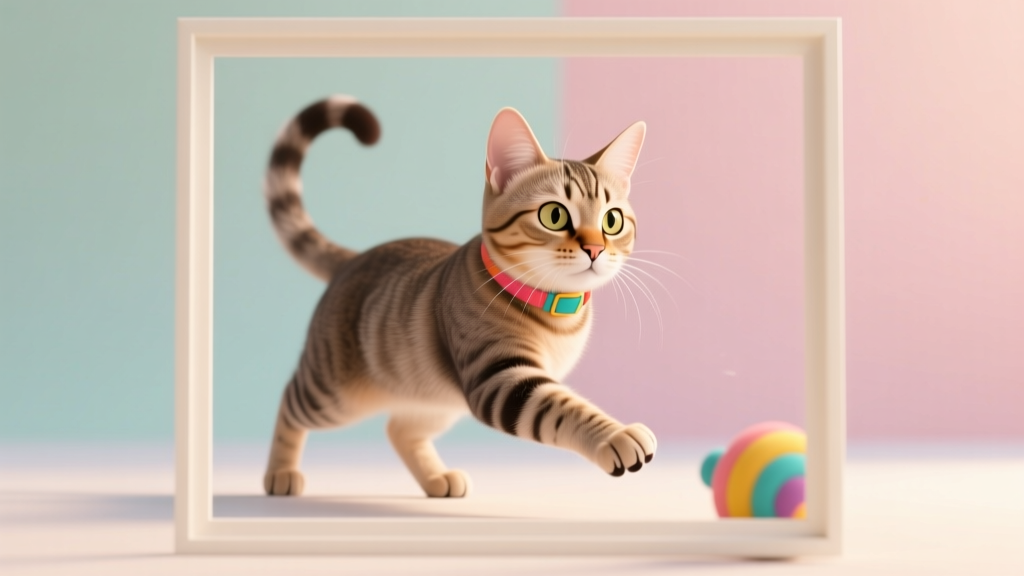
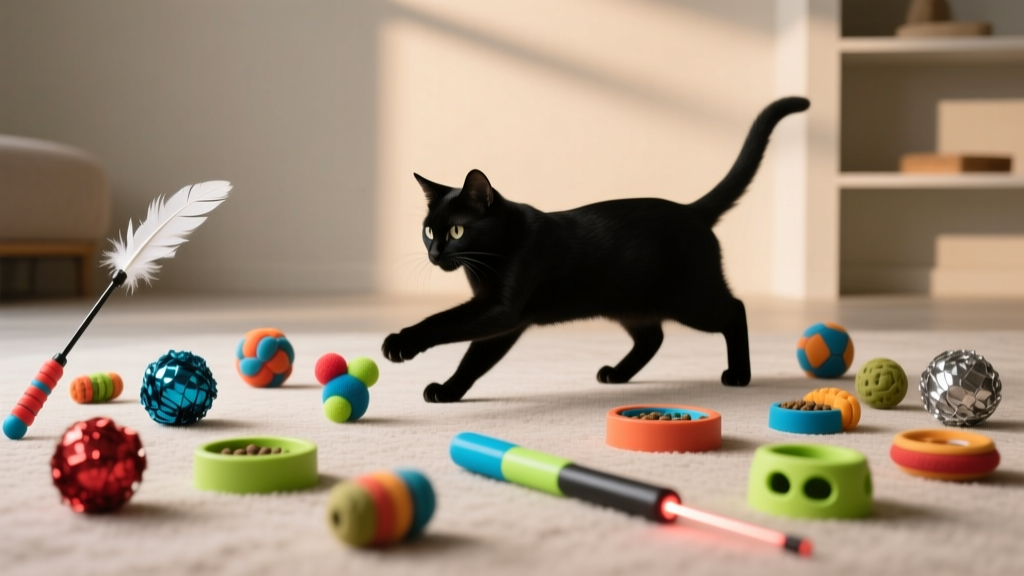
- Use interactive wand toys to simulate hunting
- Make the cat run, jump, and chase
- End with a "catch" — let them grab the toy
- This mimics the hunt-eat-groom-sleep cycle
Step 2: Feeding After Play
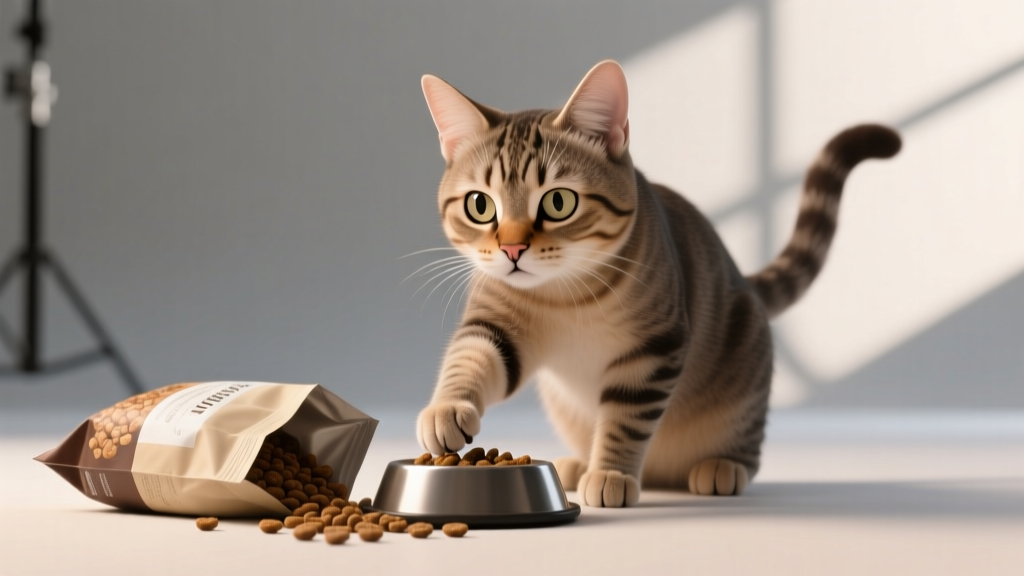
- Feed the last meal of the day right after play
- A full stomach triggers the natural post-hunt rest response
- Consider an automatic feeder for a 4 AM snack (prevents hunger-waking)
Step 3: Environment Preparation
- Dim lights 1 hour before bed to signal nighttime
- Close bedroom door if cat is disruptive
- Provide quiet nighttime activities (puzzle feeders, kicker toys)
What NOT to Do
- Don't respond to nighttime demands — any attention (even scolding) reinforces the behavior
- Don't feed at night — creates a food-expectation pattern
- Don't play at night — teaches that nighttime = fun time
Daytime Adjustments
- Don't let your cat sleep all day — encourage daytime activity
- Provide puzzle feeders and window entertainment during the day
- Interactive play sessions in the afternoon to prevent daytime napping
- Open blinds during the day for natural light exposure
When to See a Veterinarian
Sudden changes in nighttime behavior in older cats may indicate:
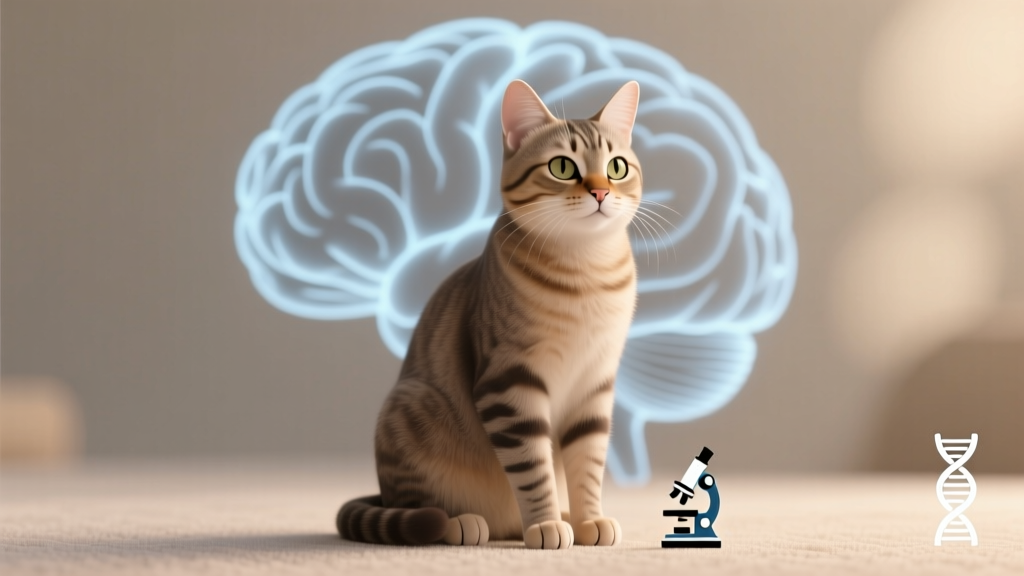
- Cognitive dysfunction (feline dementia) — disorientation at night
- Hyperthyroidism — increased activity and vocalization
- Hypertension — can cause nighttime restlessness
- Pain — arthritis pain may worsen at night