Cat Anxiety: 8 Signals You Should Not Ignore
Understanding Cat Anxiety
Cats hide stress well. Unlike dogs, whose anxiety is often obvious, cats display subtle behavioral changes that owners frequently miss. Recognizing these signals early prevents chronic stress and related health problems.
Signal 1: Over-Grooming
Excessive licking that creates bald patches — especially on the belly, inner thighs, or front legs. This is a self-soothing behavior that can lead to skin infections.
Signal 2: Hiding More Than Usual
If your normally social cat suddenly spends all day under the bed or in closets, something is wrong. New pets, visitors, construction noise, or changes in routine can trigger withdrawal.
Signal 3: Litter Box Avoidance
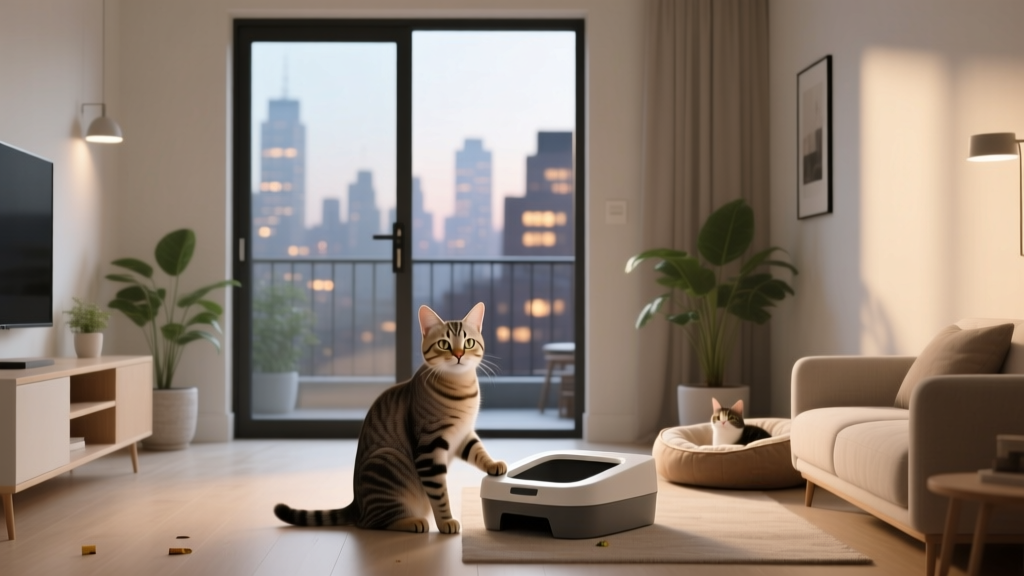
Urinating outside the box (especially on your bed or clothes) is a stress signal, not spite. Cats mark territory with their scent when they feel insecure.
Signal 4: Aggression Toward People
A previously gentle cat that suddenly bites or swats may be redirecting fear-based aggression. This often happens after a frightening event like a vet visit.
Signal 5: Loss of Appetite
Stressed cats may eat less or refuse food entirely. More than 24 hours without eating risks hepatic lipidosis (fatty liver disease) — a veterinary emergency.
Signal 6: Excessive Vocalization
Yowling, crying, or persistent meowing — especially at night — can indicate anxiety, cognitive decline in seniors, or pain.
Signal 7: Dilated Pupils
Constantly wide pupils (not related to lighting) indicate a heightened fight-or-flight state. Combined with a crouched posture, this signals severe stress.
Signal 8: Pica (Eating Non-Food Items)
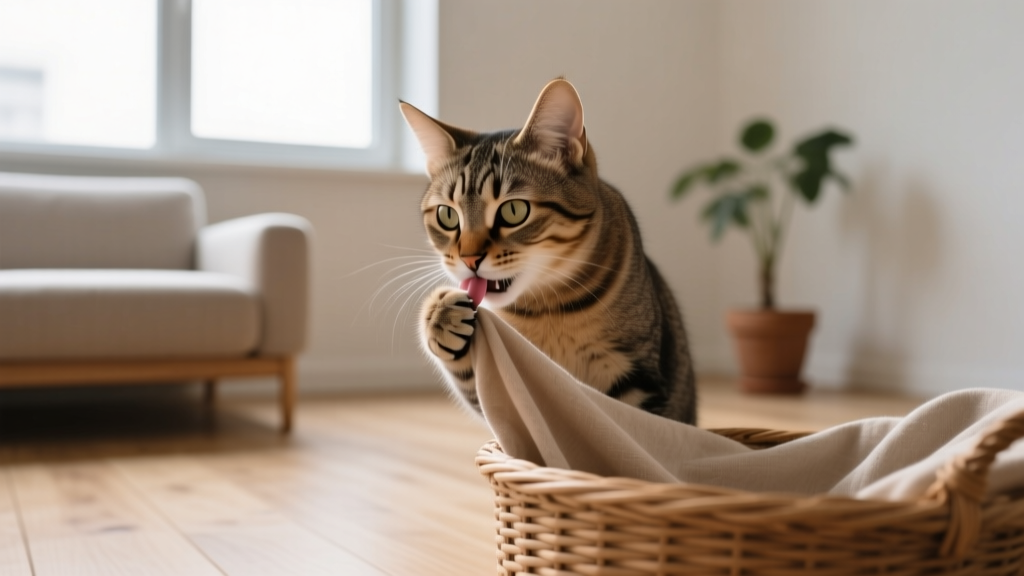
Chewing plastic, fabric, or wool is an anxiety-driven behavior. It can cause life-threatening intestinal blockages and requires immediate intervention.
What You Can Do
- Provide multiple safe hiding spots and vertical escape routes
- Use Feliway diffusers (synthetic calming pheromones)
- Maintain consistent daily routines
- Consult a veterinarian for persistent anxiety — medication may be needed