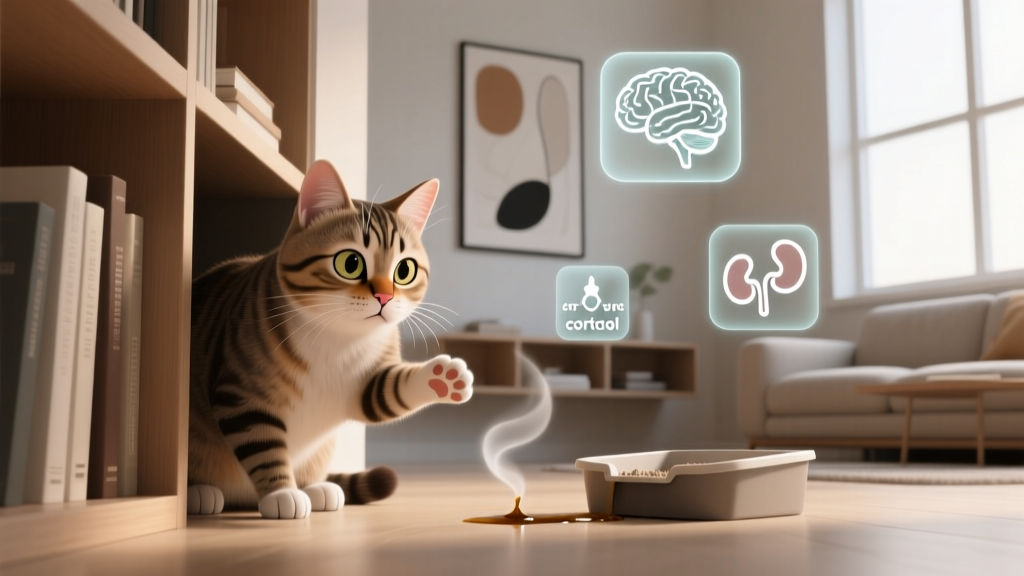
Why Is My Cat Suddenly Hiding, Peeing Outside the Litter...
Why Your Cat’s Behavior Isn’t ‘Just Weird’ — It’s a Fluent Language You Can Learn
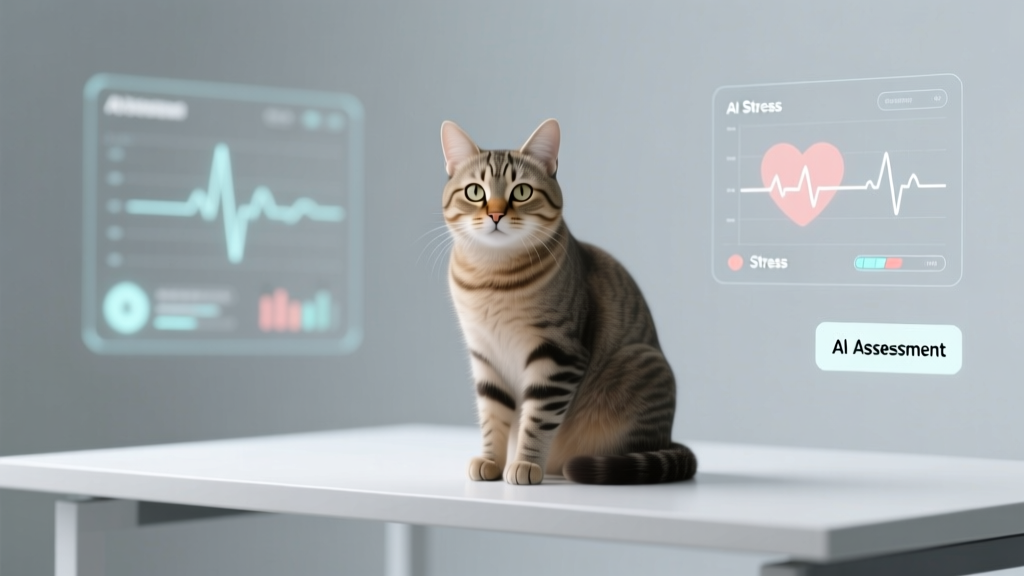
Understanding a cat's behavior isn’t about training obedience — it’s about becoming fluent in a subtle, ancient dialect of body language, scent, timing, and context. Unlike dogs, cats didn’t evolve to seek human approval; they evolved to coexist *on their terms*. That means every tail flick, ear rotation, slow blink, or midnight sprint isn’t random chaos — it’s data. And when that data shifts — say, your formerly affectionate cat starts avoiding your lap or begins scratching the sofa post instead of the scratcher — it’s not ‘bad behavior.’ It’s a signal. In fact, 73% of sudden behavioral changes in cats are linked to underlying stress or medical discomfort, according to the 2023 International Society of Feline Medicine (ISFM) Consensus Guidelines. Ignoring those signals doesn’t just risk your relationship — it can delay diagnosis of painful conditions like cystitis, dental disease, or hyperthyroidism. This guide cuts through myth and guesswork with actionable, vet-validated decoding tools — so you stop reacting and start responding with empathy and precision.
What Your Cat’s Body Language Really Says (And Why ‘Relaxed’ Looks Different Than You Think)
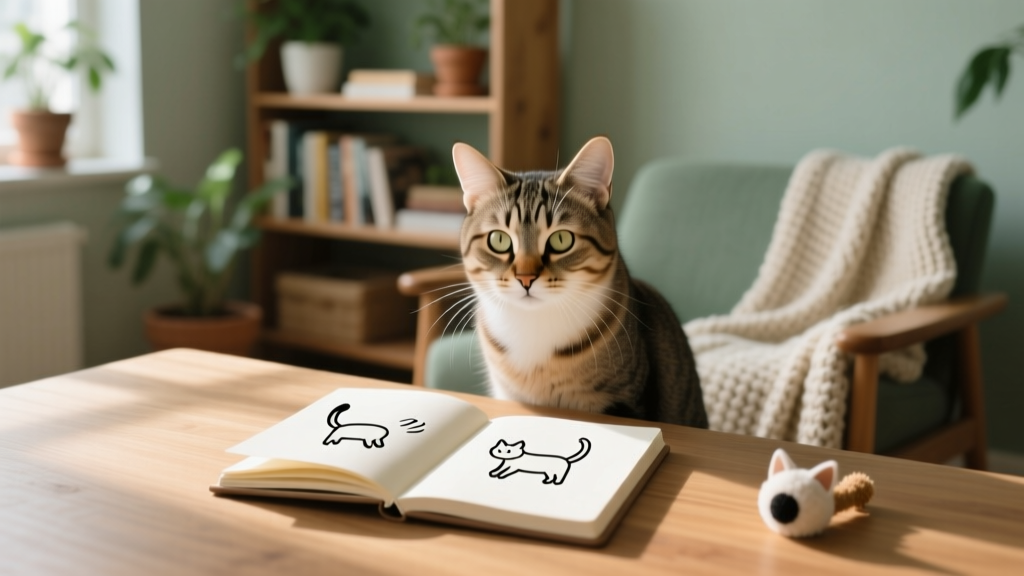
Cats communicate primarily through posture, micro-expressions, and spatial choices — not meows (which they mostly reserve for humans). Dr. Sarah Heath, a European Veterinary Specialist in Behavioural Medicine, emphasizes: ‘A cat’s default state is vigilance. What we mistake for “aloofness” is often optimal environmental scanning — and when that baseline shifts, it’s our first diagnostic clue.’
Here’s how to read the subtleties:
- Ears forward & slightly outward: Calm curiosity — safe engagement. Not ‘happy’ per se, but low-threat awareness.
- Ears flattened sideways (“airplane ears”): Early stress or conflict — often precedes withdrawal or redirected aggression. This is *not* always ‘angry’ — it’s cognitive overload.
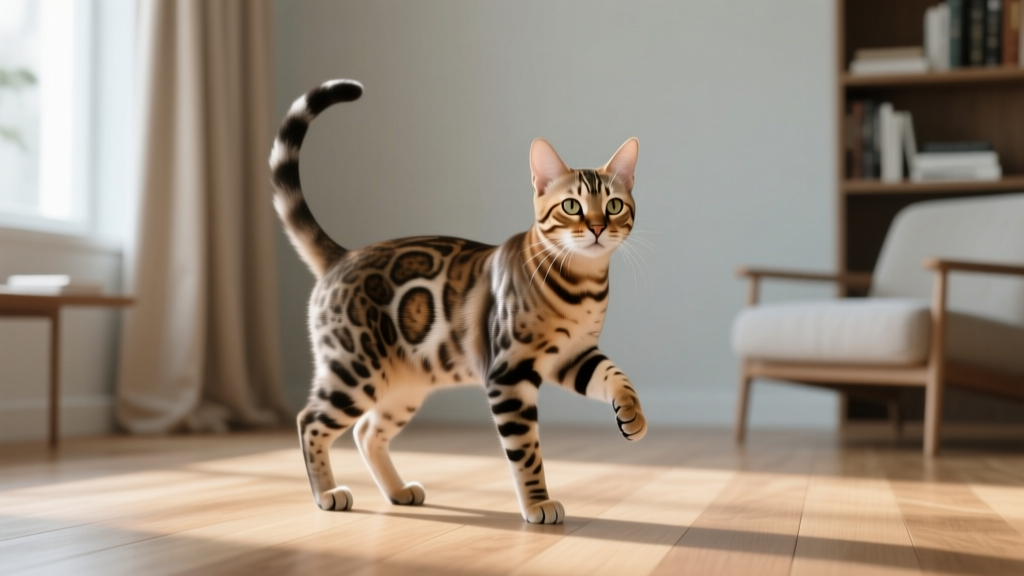
- Tail held high with a gentle curve at the tip: Friendly greeting (the ‘question mark tail’). But if the tail is rigid and vertical — especially with dilated pupils — it signals overstimulation, not confidence.
- Slow blinking while holding eye contact: The ‘cat kiss’ — a deliberate, vulnerable gesture of trust. Reciprocate slowly to reinforce safety.
- Paw-kneading on soft surfaces (‘making biscuits’): A neonatal comfort behavior tied to nursing — indicates deep contentment *or* self-soothing during anxiety. Context matters: kneading while purring = relaxed; kneading while tense and grooming excessively = displacement behavior.
A real-world example: Maya, a 4-year-old rescue tabby, began hiding under the bed after her owner moved apartments. Her ‘relaxed’ posture was misread — she’d lie still with eyes half-closed, leading the owner to assume she was ‘just adjusting.’ But her whiskers were tightly pinned back, and her breathing was shallow and rapid — classic signs of chronic low-grade stress. Only after implementing scent-transfer protocols (using towels rubbed on familiar furniture) and vertical space enrichment did her ‘resting’ posture shift to true relaxation: sprawled belly-up with slow blinks and loose limbs.
The Hidden Stressors Behind ‘Unexplained’ Behavior Shifts
Unlike dogs, cats rarely show overt distress until they’re severely compromised. Their stress responses are often internalized — manifesting as urinary issues, overgrooming, appetite loss, or territorial marking. According to Dr. Tony Buffington, Professor Emeritus of Veterinary Clinical Sciences at Ohio State, ‘Cats don’t get “stress-related illness.” They get stress-induced physiological cascades — cortisol dysregulation, bladder inflammation, GI motility disruption — all triggered by environmental mismatches.’
Top 5 stealth stressors most owners miss:
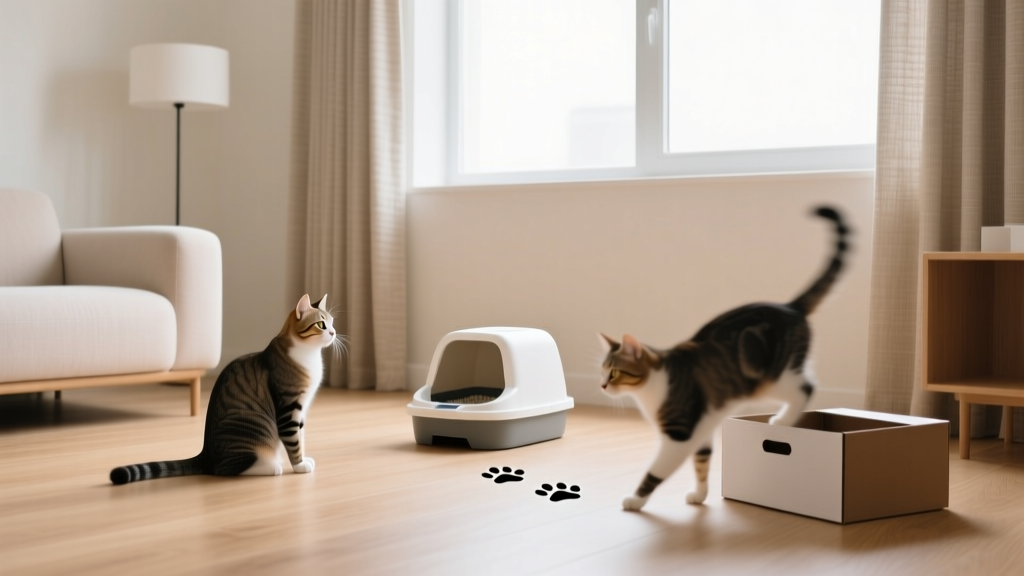
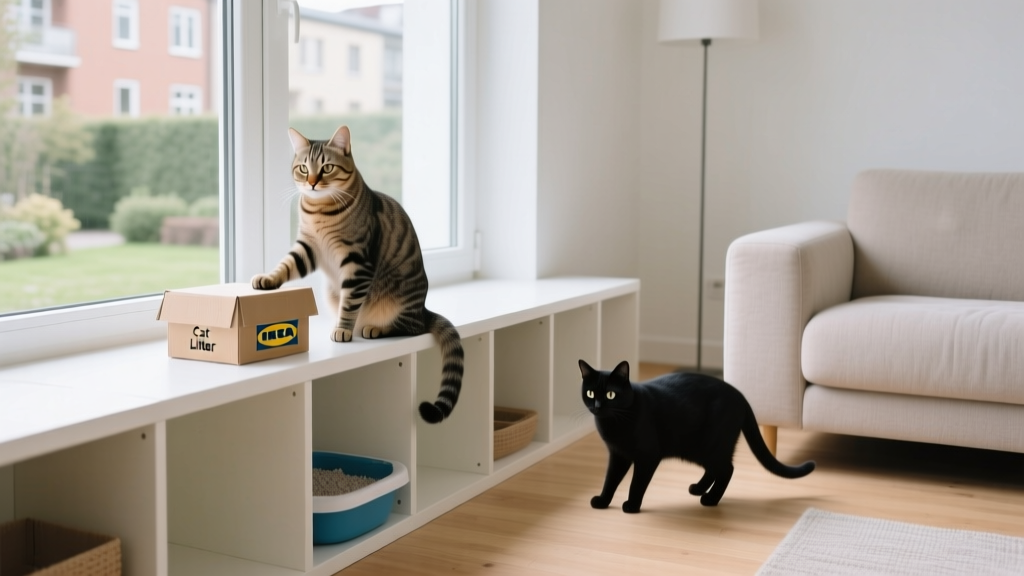
- Resource competition: Even in single-cat homes, perceived scarcity (e.g., one litter box, one food bowl near a noisy appliance, no elevated escape routes near windows where birds gather) triggers chronic low-level threat.
- Scent pollution: Strong cleaners (especially citrus or pine), air fresheners, new laundry detergents, or even your perfume can overwhelm a cat’s olfactory system — triggering avoidance or marking.
- Unpredictable human schedules: Cats thrive on temporal predictability. A partner working late 3 nights/week? A child returning from school with loud backpack drops? These create anticipatory anxiety.
- Visual overstimulation: Birds or squirrels outside windows without an outlet for predatory sequence (stalking → pouncing → ‘killing’) cause intense frustration — often discharged as nighttime zoomies or attacking ankles.
- Subtle health pain: Arthritis in older cats may cause reluctance to jump onto favorite perches — misread as ‘grumpiness.’ Dental pain can make chewing noisy or cause food dropping — mistaken for pickiness.
Action step: Run a ‘Stress Audit’ for 72 hours. Note *when* and *where* problematic behaviors occur (e.g., ‘scratching couch only between 4–5 PM, near sliding glass door’). Correlate with household events (mail delivery, neighbor’s dog barking, HVAC cycling on). Patterns reveal root causes — not symptoms.
Decoding Vocalizations: Beyond ‘Meow’ and ‘Hiss’
Contrary to popular belief, adult cats rarely meow at each other — they meow *at humans* as a learned communication tool. But tone, duration, and context transform meaning entirely:
- Short, rising-pitch ‘mew’: Greeting or request (‘I’m here,’ ‘Feed me’).
- Long, drawn-out ‘meooooow’ with tail down: Frustration or protest (‘You closed the door again?!’).
- Chirps/chatters (rapid teeth-clicking): High-arousal predatory excitement — usually at prey they can’t reach. Not aggression — it’s a neurological ‘release valve.’
- Purring: Not always contentment. Cats purr when injured, giving birth, or dying. It’s a self-soothing mechanism — frequency (25–150 Hz) may promote bone and tissue healing. Listen for tension: stiff body + purring = likely pain or fear.
- Hissing/growling: Last-resort communication. Never punish — it confirms their fear is justified. Instead, increase distance and remove the trigger.
Case study: Leo, a 7-year-old neutered male, began yowling loudly at night. His owner assumed ‘attention-seeking.’ But recording revealed yowls occurred *only* after 2 AM, coinciding with his partner’s sleep apnea episodes (snoring followed by gasping). Leo wasn’t demanding — he was alarmed by the sudden, abnormal human sounds. Switching to white noise in the bedroom resolved it within 3 days.
When ‘Normal’ Behavior Crosses Into Red-Flag Territory
Some behaviors are species-typical — but intensity, frequency, or context can signal trouble. Use this evidence-based threshold guide:
| Behavior | Typical / Healthy | Red Flag Threshold | First Action Step |
|---|---|---|---|
| Litter Box Use | Consistent use, burying waste, no odor aversion | Urinating/defecating outside box >2x/week for >3 days OR straining/crying in box | Vet visit *immediately* — rule out FLUTD (feline lower urinary tract disease), which can be fatal in 48 hrs for males. |
| Grooming | Regular, focused sessions (face, paws, flanks); coat shiny, skin supple | Bald patches, skin lesions, or >2 hours/day grooming (especially flank/abdomen) | Rule out allergies, parasites, or pain via vet dermatology consult; assess for stress triggers. |
| Scratching | Using designated posts/furniture; marks visible but no damage | Destroying multiple surfaces *despite* available alternatives OR blood on claws | Assess claw health (overgrown? infected?) and environmental enrichment (vertical space, play frequency). |
| Social Interaction | Initiates contact on own terms; tolerates handling 5–10 mins | Avoiding all human contact >48 hrs OR sudden aggression during petting (even after purring) | Check for pain (arthritis, dental, abdominal); implement ‘consent-based handling’ training. |
| Night Activity | Occasional bursts, chasing shadows, vocalizing briefly | Daily sustained activity >2 hrs between midnight–5 AM disrupting sleep | Implement structured daytime play (2x 15-min predatory sequence sessions) + feeding puzzle before bedtime. |
Frequently Asked Questions
Why does my cat stare at me silently — is it threatening?
No — prolonged, unblinking eye contact *is* threatening in cat language. But a soft, slow-blinking gaze? That’s profound trust. If your cat holds your gaze without blinking, gently look away or offer a slow blink yourself. This de-escalates and builds rapport. Staring without blinking from a distance may indicate curiosity or mild concern — observe body language (relaxed ears? tail still?) before assuming intent.
My cat brings me dead mice/birds — is this a gift or a complaint?
It’s both — and neither. Ethologically, it’s a teaching behavior: mother cats bring prey to kittens to instruct hunting. When your cat brings you ‘gifts,’ they’re treating you as an inept offspring needing lessons. It’s not gratitude — it’s pedagogy. To reduce it: provide daily interactive play mimicking the full predatory sequence (stalk → chase → pounce → kill → chew), and keep your cat indoors or use a Birdsbesafe collar. Never punish — it confuses them and damages trust.
Is it normal for my cat to suckle on blankets or my arm?
Yes — especially in early-weaned or orphaned cats. Suckling releases endorphins and evokes neonatal security. As long as it’s not causing skin damage or interfering with function, it’s benign. If excessive or paired with other anxiety signs (excessive grooming, vocalization), consider environmental enrichment and consult a veterinary behaviorist. Avoid scolding — redirect to a soft fleece toy designed for suckling.
Why does my cat suddenly dash around the house like a maniac?
These ‘zoomies’ are typically pent-up predatory energy release — especially common in indoor cats lacking natural outlets. They’re usually harmless if brief (<2 mins) and occur post-nap or pre-dawn. However, if they happen multiple times daily, involve vocalization or disorientation, or begin after age 10, rule out hyperthyroidism or cognitive dysfunction. Prevent with scheduled play: use wand toys to simulate prey movement for 15 minutes twice daily, ending with a ‘kill’ (letting cat bite a toy, then offering a treat).
Can cats really recognize their names — or are they just responding to tone?
Yes — a landmark 2019 study published in Scientific Reports confirmed cats distinguish their names from similar-sounding words, even when spoken by strangers. But they choose whether to respond based on motivation — not obedience. Your cat hears you. They’re just weighing if it’s worth getting up. Build responsiveness by pairing their name with high-value rewards (tuna, play) — never punishment.
Common Myths About A Cat's Behavior
Myth #1: “Cats are solitary animals who don’t need companionship.”
Fact: While cats aren’t pack-dependent like dogs, they form complex social bonds — with humans and other cats — when relationships are built on mutual respect and resource security. Feral colonies and multi-cat households demonstrate nuanced hierarchies, allogrooming, and cooperative kitten-rearing. Loneliness manifests as depression-like symptoms: lethargy, decreased appetite, and reduced exploration.
Myth #2: “If my cat isn’t purring or rubbing, they don’t love me.”
Fact: Affection expression varies wildly by temperament, genetics, and early experience. Some cats show love through proximity (sleeping near you), bringing ‘gifts,’ or following you room-to-room. Forcing physical contact undermines trust. Observe *their* preferred language — not yours.
Related Topics (Internal Link Suggestions)
- Understanding cat body language cues — suggested anchor text: "cat body language decoder"
- How to stop cats from scratching furniture — suggested anchor text: "stop cat scratching naturally"
- Signs of stress in cats and how to fix it — suggested anchor text: "cat stress relief guide"
- Best interactive toys for indoor cats — suggested anchor text: "indoor cat enrichment toys"
- When to take your cat to the vet for behavior changes — suggested anchor text: "cat behavior vet checkup"
Your Next Step: Become a Behavior Translator, Not a Trainer
You now hold the keys to interpreting a cat's behavior not as mystery, but as meaningful dialogue. Remember: every change is data, not defiance. Every ‘problem’ is a mismatch between your cat’s evolutionary needs and their current environment — and that mismatch is solvable. Start tonight: sit quietly for 10 minutes observing your cat *without interacting*. Note ear position, tail movement, breathing rhythm, and where they choose to rest. Compare it to this guide’s thresholds. Then, pick *one* stealth stressor from the audit list and adjust it — add a second litter box, wipe down a window perch with your scent, or schedule 5 minutes of laser-pointer play before dinner. Small, consistent interventions compound into profound trust. Ready to go deeper? Download our free Cat Behavior Observation Journal — a printable tracker designed with veterinary behaviorists to help you spot patterns faster. Because understanding isn’t passive. It’s the most loving act you’ll ever offer your cat.