Wet vs Dry Cat Food: Which Is Better?
The Ongoing Debate
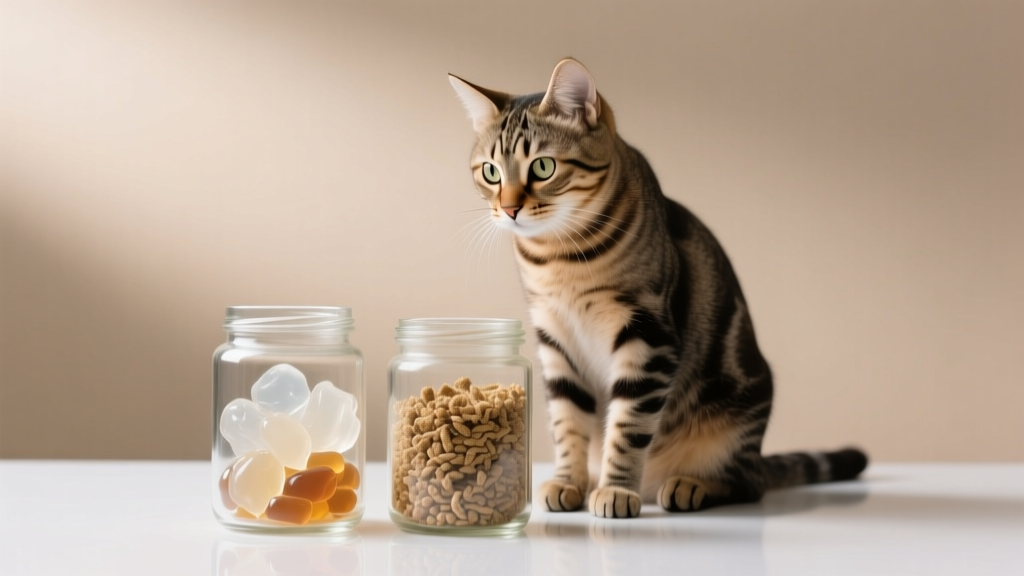
Every cat owner faces this question. Both wet and dry food have legitimate advantages, and the best choice depends on your cat's health, age, and preferences.
Advantages of Wet Food
- High moisture content (75-80%) supports urinary and kidney health
- Higher protein, lower carbohydrate ratio
- More palatable for picky eaters and senior cats
- Softer texture for cats with dental issues
- Portion control is easier with individual cans
Advantages of Dry Food
- More affordable per calorie
- Longer shelf life and convenient for free-feeding
- May help reduce tartar buildup (though this is debated)
- Easier to use in puzzle feeders for enrichment
- More calorie-dense — beneficial for underweight cats
The Hydration Factor
Cats evolved from desert ancestors and have a low thirst drive. Many cats on dry-only diets are chronically mildly dehydrated, which increases the risk of urinary crystals, bladder stones, and kidney disease.
Mixed Feeding: The Best of Both
Most veterinarians recommend a combination approach: wet food for at least one meal daily to ensure adequate hydration, supplemented with dry food for convenience and dental benefit.
Special Considerations
- Kittens: Need calorie-dense food; wet food helps develop good eating habits
- Senior cats: Wet food is easier to chew and supports declining kidney function
- Diabetic cats: Low-carb wet food helps regulate blood sugar
- Overweight cats: Wet food provides volume with fewer calories
Reading Labels
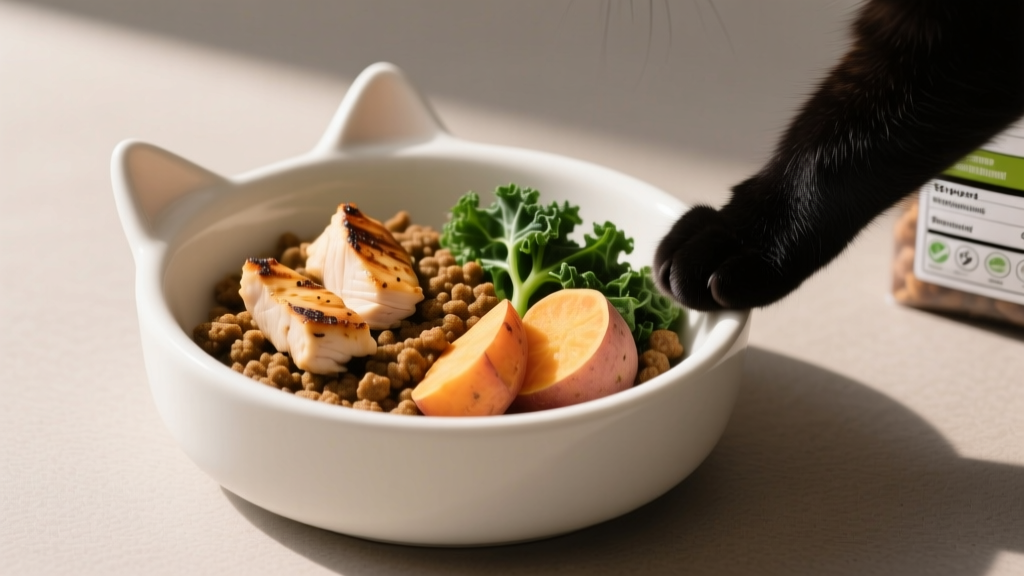
Look for AAFCO statement of nutritional adequacy. The first ingredient should be a named animal protein (chicken, salmon, turkey), not a grain or by-product.