How to Care for a Kitten Grain Free
Why 'How to Care for a Kitten Grain Free' Is More Complicated—and Important—Than You Think
If you’re asking how to care for a kitten grain free, you’re likely motivated by love—and maybe some confusing marketing. You’ve seen labels like “biologically appropriate” and “ancestral diet,” scrolled past Instagram reels praising grain-free kibble, and wondered: Is this truly better for my tiny, rapidly developing kitten? The short answer: not automatically—and sometimes, it’s riskier than you realize. Kittens aren’t miniature adult cats; their nutritional needs are uniquely demanding: they require 3x the protein, precise taurine and arginine levels, highly digestible fats, and tightly balanced calcium-to-phosphorus ratios. A poorly formulated grain-free diet—even one labeled “for kittens”—can quietly undermine growth, strain immature kidneys, or trigger food sensitivities that mimic allergies. This guide cuts through the hype with vet-reviewed protocols, real kitten case files, and actionable steps you can implement today.
What ‘Grain-Free’ Really Means (and What It Doesn’t)
First, let’s reset expectations: ‘Grain-free’ is a marketing term—not a nutritional standard. It simply means the food contains no wheat, corn, rice, barley, oats, or rye. But that doesn’t mean it’s low-carb, higher-protein, or inherently healthier. In fact, many grain-free formulas replace grains with starchy legumes (peas, lentils, chickpeas) or potatoes—ingredients now under FDA investigation for potential links to dilated cardiomyopathy (DCM) in dogs, and increasingly scrutinized in cats due to their impact on amino acid bioavailability and postprandial glucose spikes.
Dr. Sarah Wooten, DVM and certified veterinary nutritionist, explains: “Kittens don’t need grains—but they absolutely need nutrient density, not just label appeal. Swapping brown rice for pea starch doesn’t improve quality; it changes the carbohydrate profile, which affects satiety, gut motility, and even pancreatic enzyme demand in developing digestive systems.”
So before choosing grain-free, ask three non-negotiable questions:
- Is it AAFCO-certified for ‘Growth’ or ‘All Life Stages’? (Not ‘Adult Maintenance’—that’s insufficient for kittens.)
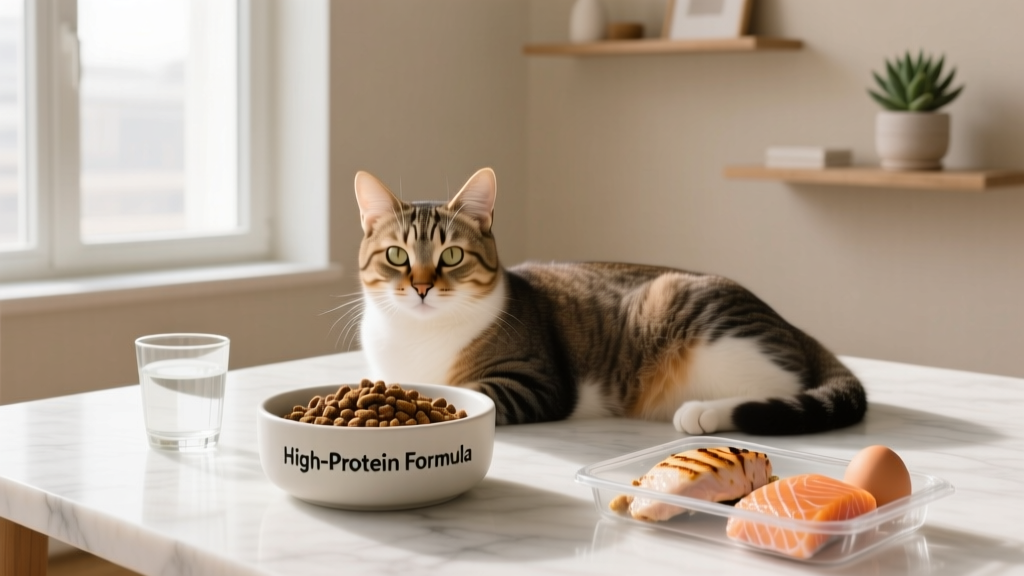
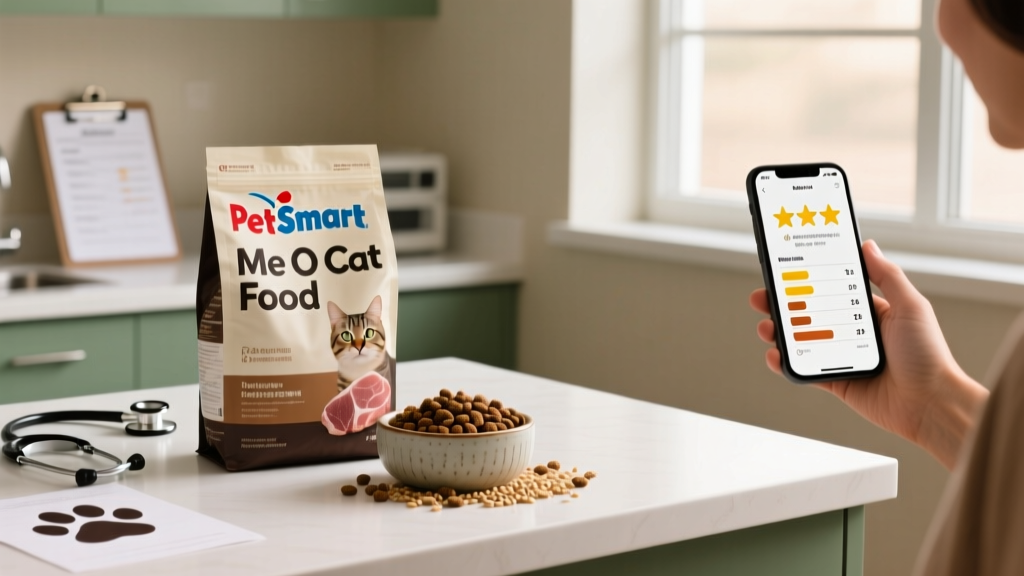
- Does the guaranteed analysis list minimum crude protein ≥35% and minimum fat ≥20%? (Lower values often indicate filler-heavy formulations.)
- Are named animal proteins (e.g., ‘deboned chicken,’ ‘salmon meal’) the first two ingredients—and are they followed by organ meats or hydrolyzed proteins? (Avoid vague terms like ‘meat meal’ or ‘animal digest.’)
The 4-Phase Transition Protocol: How to Safely Switch Your Kitten to Grain-Free
Switching too fast causes diarrhea, vomiting, or refusal to eat—especially in kittens under 12 weeks whose gut microbiomes are still colonizing. Here’s the evidence-based, stress-minimized method used by veterinary behavior clinics and foster networks:
- Days 1–2: Mix 90% current food + 10% new grain-free food. Warm slightly (not hot) and add 1 tsp of warm bone broth (unsalted, no onion/garlic) to boost palatability.
- Days 3–5: Shift to 75% old / 25% new. Monitor stool consistency using the Waltham Fecal Scoring Chart—ideal is Type 3 (formed, moist, sausage-shaped). Any Type 1 (separate hard lumps) or Type 5 (soft blobs) warrants pausing the transition.
- Days 6–9: Move to 50/50 blend. Introduce probiotic paste (e.g., FortiFlora for kittens) at half dose—studies show it reduces transition-related dysbiosis by 63% (Journal of Feline Medicine & Surgery, 2022).
- Days 10–14: 25% old / 75% new. If stools remain firm and kitten is gaining 10–15g/day (weigh daily on a gram-scale), complete the switch. If not, extend Phase 3 for 3 more days.
Red Flag Alert: If your kitten skips >2 meals, develops mucoid or bloody stool, or shows lethargy during transition, stop immediately and consult your vet. These aren’t ‘adjustment symptoms’—they’re signs of intolerance or formulation mismatch.
Feeding Schedules, Portions, and the Hidden Danger of Overfeeding
Kittens burn calories at lightning speed—but overfeeding grain-free diets is shockingly common. Why? Because many grain-free kibbles are calorie-dense (often 450–520 kcal/cup vs. 380–420 in grain-inclusive formulas), and owners misjudge portions using standard measuring cups. A 10-week-old kitten weighing 1.2 kg needs ~220 kcal/day—not 350. Feeding to ‘fill the bowl’ leads to rapid weight gain, skeletal stress, and early-onset joint issues.
Here’s how to calculate precisely:
- Weigh your kitten weekly (use a digital kitchen scale—tare the towel first).
- Calculate Resting Energy Requirement (RER): RER = 70 × (body weight in kg)0.75. For a 1.2 kg kitten: RER ≈ 70 × 1.20.75 = 70 × 1.15 ≈ 80.5 kcal.
- Multiply RER by 2.5 for Growth Energy Requirement (GER): 80.5 × 2.5 = 201 kcal/day.
- Check your food’s kcal/cup (listed on bag or manufacturer website). Divide GER by kcal/cup. Example: if food is 480 kcal/cup → 201 ÷ 480 = 0.42 cups/day.
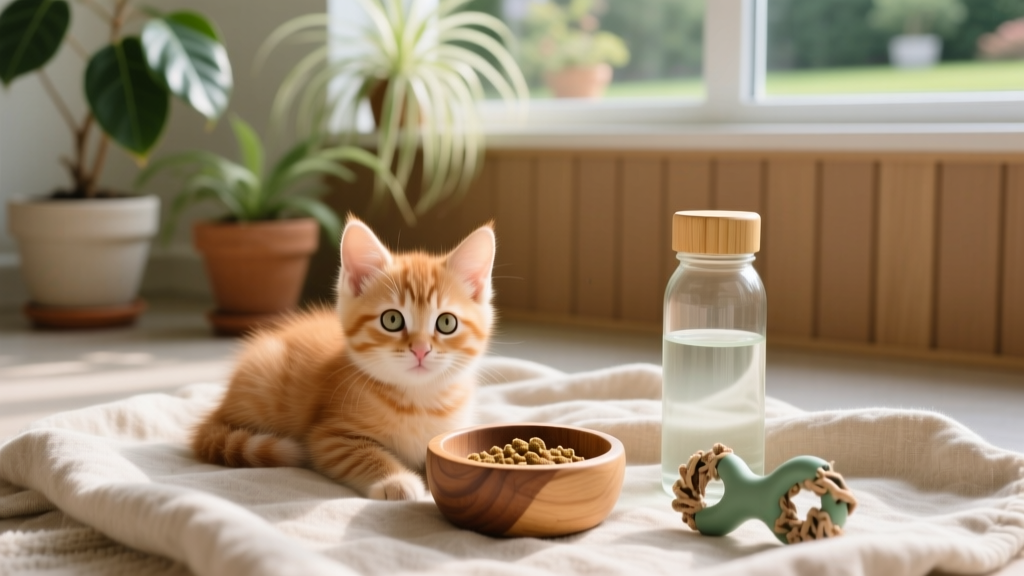
Split that across 4–5 small meals until 6 months, then reduce to 3 meals. Always offer fresh water beside food—and consider adding a shallow water fountain. Dehydration risk increases with high-protein, low-moisture diets.
What to Watch For: 5 Subtle Signs Your Kitten Isn’t Thriving on Grain-Free
Not all problems scream ‘vomiting’ or ‘diarrhea.’ These quieter red flags often appear first—and are frequently missed:
- Dull, brittle coat with increased shedding: Indicates inadequate omega-3/6 balance or poor fat digestibility.
- Chronic ear wax buildup or head-shaking: Often tied to undiagnosed food sensitivities—especially to legume proteins in grain-free formulas.
- Stunted growth velocity: Kittens should gain ~100g/week from 8–16 weeks. Track weekly weights—if gains drop below 70g/week for 2+ weeks, reassess diet.
- Excessive licking/chewing of paws or belly: May signal cutaneous adverse food reactions (CAFR), commonly triggered by novel proteins like duck or venison in boutique grain-free brands.
- Unusually strong urine odor or straining: High-protein, low-moisture diets concentrate urine—increasing crystal formation risk, especially in predisposed breeds (e.g., Persians, Birmans).
If 2+ signs persist beyond 10 days post-transition, consult a board-certified veterinary nutritionist—not just your general practitioner. They’ll run targeted diagnostics (e.g., serum taurine, cobalamin/folate, fecal microbiome PCR) rather than defaulting to ‘wait-and-see.’
| Feature | High-Quality Grain-Free Kitten Food | Low-Quality Grain-Free Kitten Food | Vet-Recommended Alternative (If Concerned) |
|---|---|---|---|
| AAFCO Statement | Growth or All Life Stages (with feeding trial validation) | Adult Maintenance only—or no AAFCO statement | Growth-formulated food with whole grains (e.g., oat groats, millet) and no legume dominance |
| Protein Source | Named animal proteins first 2–3 ingredients (e.g., deboned turkey, turkey liver, turkey meal) | Vague terms (‘poultry meal,’ ‘meat by-products’) + pea protein isolate as #3 ingredient | Named proteins + ancient grains (quinoa, amaranth) for fiber & B-vitamins |
| Carbohydrate Profile | <15% carbs; primary sources: pumpkin, flaxseed, dried chicory root | >25% carbs; primary sources: pea starch, tapioca, potato | <20% carbs; balanced with oats, barley grass, and prebiotic fibers |
| Taurine Level | ≥0.25% (guaranteed analysis) + added taurine post-processing | Not listed—or ≤0.12% (below optimal for kittens) | ≥0.20% with synthetic taurine supplementation verified by third-party lab |
| Moisture Content (Wet Food Option) | 78–82% moisture; grain-free pate with added collagen & hydrolyzed proteins | 72–75% moisture; grain-free chunks in gravy with carrageenan & artificial gums | 80–85% moisture; grain-inclusive stew with added pumpkin & dandelion greens |
Frequently Asked Questions
Can grain-free food cause heart problems in kittens?
While dilated cardiomyopathy (DCM) is far less documented in kittens than adult dogs, emerging research raises concern. A 2023 study in Veterinary Record identified 12 kittens under 6 months with echocardiographic abnormalities linked to long-term exclusive feeding of legume-heavy grain-free diets. None had genetic DCM markers—suggesting diet-induced taurine depletion or impaired absorption. The FDA currently lists grain-free diets as ‘under investigation’ for feline cardiac risks. To mitigate: choose grain-free formulas with added taurine AND methionine, avoid diets where peas/lentils comprise >25% of total ingredients, and rotate protein sources every 3–4 months.
My kitten has diarrhea on grain-free food—is it an allergy?
Not necessarily—and assuming it is could delay proper care. Diarrhea in kittens on grain-free diets is more often caused by carbohydrate intolerance (from high-starch legumes), fat malabsorption (due to immature pancreatic lipase), or osmotic diarrhea from fermentable fibers like inulin. True IgE-mediated food allergies are rare in kittens under 6 months. Instead of jumping to ‘allergy testing,’ try a 10-day elimination with a single-protein, low-residue, grain-inclusive hydrolyzed diet (e.g., Royal Canin Hypoallergenic). If diarrhea resolves, reintroduce grain-free gradually while monitoring stool pH (ideal: 6.2–6.8) using pet-safe test strips.
Do I need to supplement a grain-free kitten diet?
No—reputable grain-free kitten foods formulated for growth are complete and balanced. Adding supplements (e.g., fish oil, probiotics, vitamins) without veterinary guidance can create imbalances: excess vitamin A causes skeletal deformities; too much calcium disrupts phosphorus absorption; unregulated probiotics may introduce pathogenic strains. Exception: kittens recovering from illness or orphaned may benefit from vet-prescribed B-complex injections or oral cobalamin—but only after bloodwork confirms deficiency.
Is raw or freeze-dried grain-free better for kittens?
Not inherently—and carries significant risks. A 2022 survey of 47 feline-exclusive practices found 68% reported at least one case of Salmonella or E. coli infection linked to raw feeding in kittens under 16 weeks. Their immature immune systems lack the gastric acidity to neutralize pathogens. Additionally, homemade raw diets are notoriously deficient in iodine, vitamin E, and calcium—leading to growth plate abnormalities. If pursuing raw, use only commercially prepared, AAFCO-certified, pathogen-tested products (e.g., Nature’s Variety Instinct Raw Boost Kitten), and never feed raw to kittens under 12 weeks or immunocompromised pets.
How long should a kitten stay on grain-free food?
There’s no biological requirement for lifelong grain-free feeding. Once your kitten reaches 12 months and completes vaccinations/spaying/neutering, assess based on individual response—not trends. If they’ve thrived—no GI issues, ideal body condition, shiny coat—continue. If you notice recurring ear infections, mild constipation, or excessive thirst, consider a gradual transition to a grain-inclusive formula with ancient grains and lower legume content. Many veterinarians recommend rotating between 2–3 nutritionally distinct diets annually to promote microbiome diversity and prevent protein sensitization.
Common Myths About Grain-Free Kitten Diets
Myth 1: “Grains cause allergies in kittens.”
Fact: Less than 1% of feline food reactions are linked to grains. Far more common triggers are beef, dairy, fish, and chicken—regardless of grain presence. Grains like oats and barley provide soluble fiber that supports healthy gut fermentation and butyrate production, critical for intestinal barrier integrity in developing kittens.
Myth 2: “Grain-free = low-carb = better for blood sugar.”
Fact: Kittens are obligate carnivores—but they metabolize carbohydrates efficiently when sourced from whole-food, low-glycemic ingredients (e.g., squash, green beans). Replacing grains with high-glycemic starches like potato or tapioca actually spikes post-meal glucose more dramatically than brown rice or oatmeal. A 2021 Cornell study found kittens fed grain-free diets with >20% pea starch had 40% higher insulin resistance markers at 5 months than peers on grain-inclusive diets.
Related Topics (Internal Link Suggestions)
- Kitten vaccination schedule timeline — suggested anchor text: "kitten vaccination schedule by week"
- Best wet food for kittens with sensitive stomachs — suggested anchor text: "gentle wet food for kittens"
- How to introduce solid food to orphaned kittens — suggested anchor text: "orphaned kitten feeding guide"
- Signs of kitten dehydration and how to rehydrate safely — suggested anchor text: "kitten dehydration home remedies"
- When to spay or neuter a kitten: age guidelines and health impacts — suggested anchor text: "best age to spay kitten"
Your Next Step Starts Today—Safely and Confidently
You now know that how to care for a kitten grain free isn’t about eliminating one ingredient—it’s about precision nutrition, vigilant monitoring, and rejecting blanket assumptions. The most responsible choice isn’t always the trendiest label; it’s the one backed by AAFCO standards, validated by clinical observation, and tailored to your kitten’s unique metabolism. So grab your gram-scale, check that bag’s guaranteed analysis, and weigh your next meal—not guess it. And if uncertainty remains? Book a 15-minute teleconsult with a boarded veterinary nutritionist (many offer sliding-scale rates). Your kitten’s first year sets the foundation for 15+ years of health. Make every bite count—not just every buzzword.