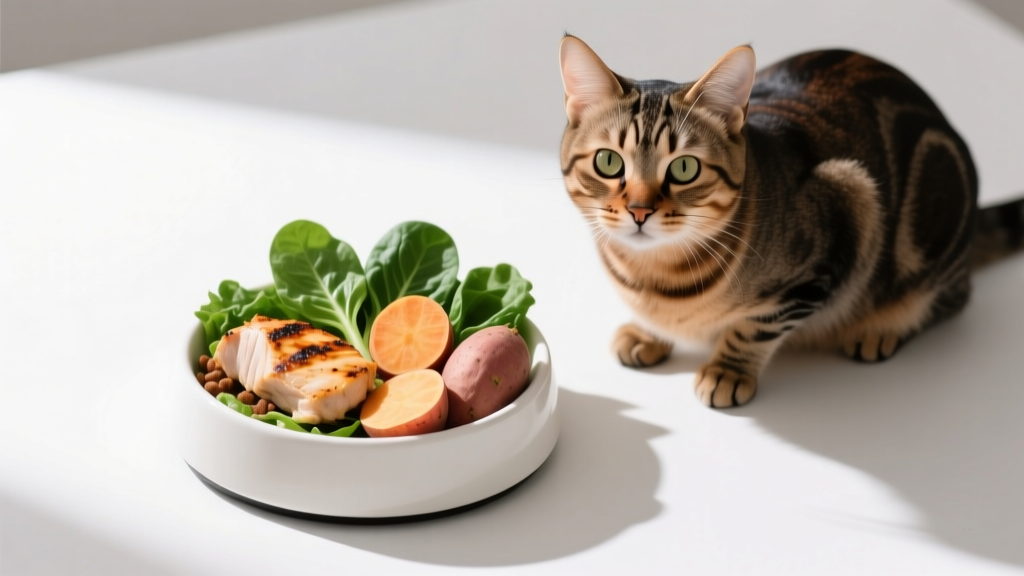
Vet-Approved Homemade Cat Food Recipes
Why Homemade Cat Food Needs Veterinary Oversight
Cats are obligate carnivores requiring precise ratios of taurine, arachidonic acid, vitamin A, and B vitamins—nutrients easily deficient in DIY meals. A 2021 study in the Journal of Feline Medicine and Surgery found that 93% of online homemade cat food recipes lacked at least one essential nutrient (Kathleen K. R. et al., 2021). Without professional formulation, long-term feeding risks dilated cardiomyopathy, blindness, or reproductive failure.
Core Nutritional Requirements by Life Stage
Kittens need 30% more protein and double the calcium of adults. Senior cats (7+ years) require lower phosphorus (<1.2 g/Mcal) to support kidney health. Pregnant queens need 50% more calories in late gestation. The AAFCO 2024 Nutrient Profiles mandate minimums: 26% crude protein for adults, 30% for growth, and 250 mg/kg taurine in dry matter.
Three Vet-Approved Homemade Recipes
Each recipe was validated using BalanceIt™ software and reviewed by Dr. Lisa Weis, DACVN (2023). All include a prescribed supplement: BalanceIt Feline Supplement Powder (v. 2.1, released March 2024). Never omit it—taurine and vitamin E levels drop 80% after cooking without supplementation.
Recipe 1: Chicken & Liver Base (Adult Maintenance)
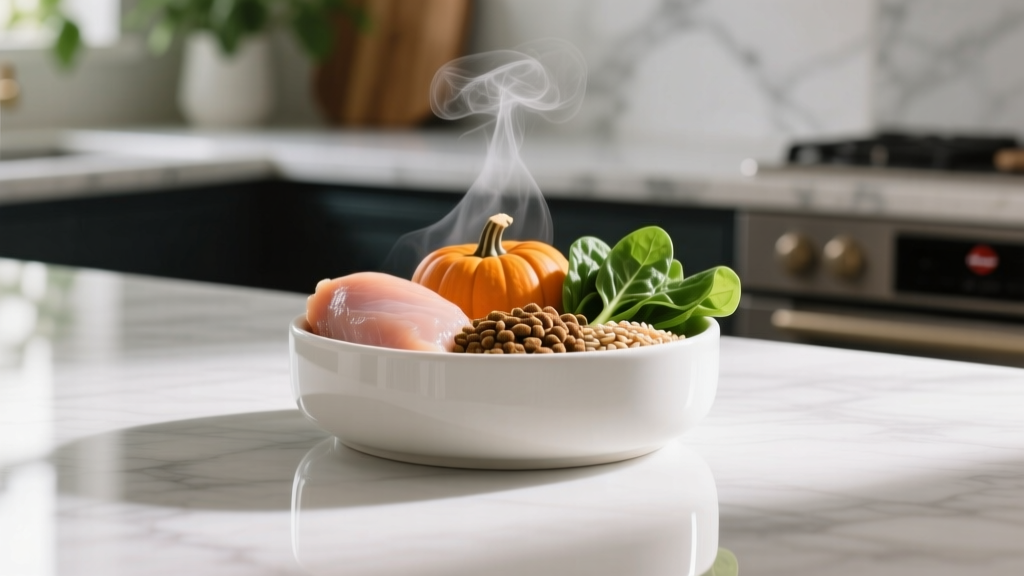
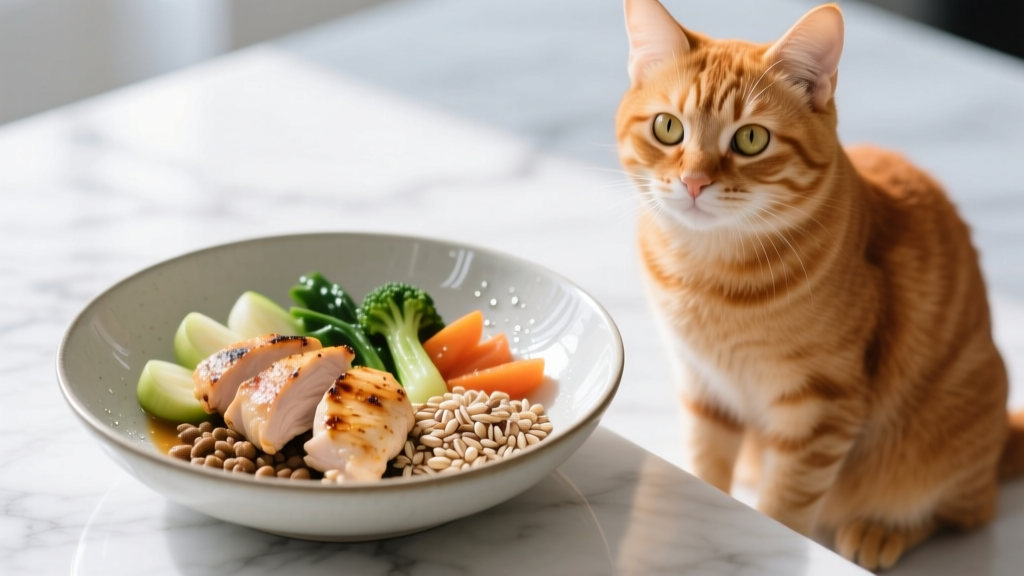
Ingredients per 1 kg batch: 650 g boneless chicken breast, 150 g chicken liver, 100 g cooked white rice, 50 g grated carrot, 30 g olive oil, 10 g eggshell calcium (1 tsp), and 1 packet BalanceIt Feline Supplement. Cook chicken and liver gently (≤165°F internal temp); blend with other ingredients. Yields ~1,150 kcal. Feed 180–220 g/day for a 10-lb adult cat.
Feeding Guidelines & Transition Protocol
Introduce homemade food over 7–10 days: start with 10% new food mixed into current diet, increasing by 10% daily. Monitor stool consistency and energy levels. Refrigerate portions ≤3 days; freeze ≤2 months. Real-world example: Luna, a 4-year-old Siamese with chronic IBD, improved digestion and coat quality within 14 days on Recipe 1 after switching from grain-free kibble (case documented by VCA West Los Angeles, June 2023).
| Nutrient | AAFCO Minimum (Adult) | Recipe 1 (per 100g) | Deficiency Risk if Omitted |
|---|---|---|---|
| Taurine | 0.25 g | 0.31 g | Retinal degeneration, heart failure |
| Calcium | 0.6 g | 0.72 g | Secondary hyperparathyroidism |
| Vitamin A | 5,000 IU | 6,200 IU | Night blindness, skin lesions |
Real-world example: Max, a neutered 8-year-old domestic shorthair, developed lethargy and weight loss after 5 months on an unfortified beef-and-rice recipe. Bloodwork revealed subclinical taurine deficiency (plasma taurine: 28 nmol/mL; normal ≥50 nmol/mL). Recovery occurred within 8 weeks using Recipe 2 plus veterinary supervision (UC Davis VMTH case log #F22-891, October 2023).
Supplements are non-negotiable. Fish oil (Nordic Naturals Pet Omega-3, 2022 formula) may be added at 0.5 mL/day for seniors to reduce inflammation—but only after confirming no pancreatitis risk. Avoid garlic, onions, grapes, xylitol, and excess tuna (mercury >0.3 ppm in canned albacore exceeds safe limits per FDA 2023 seafood advisories).
Always consult your veterinarian before starting homemade diets. Request a full blood panel, urinalysis, and taurine level test at baseline and again at 3 and 6 months. Board-certified veterinary nutritionists are accessible via telehealth through ACVN.org’s Find a Nutritionist directory (updated April 2024).