Feeding Cats With Short Gut Syndrome: Absorption Maximizing
1) Can a cat live a normal life with Short Gut Syndrome?
Many cats can have good quality of life, especially if enough functional intestine remains and the underlying disease is controlled. Nutrition, hydration, and monitoring for deficiencies (particularly B12) make a major difference. Prognosis depends on how much intestine was removed and which sections were affected, so ask your veterinarian for a case-specific outlook.
2) Should I feed wet or dry food for SGS?
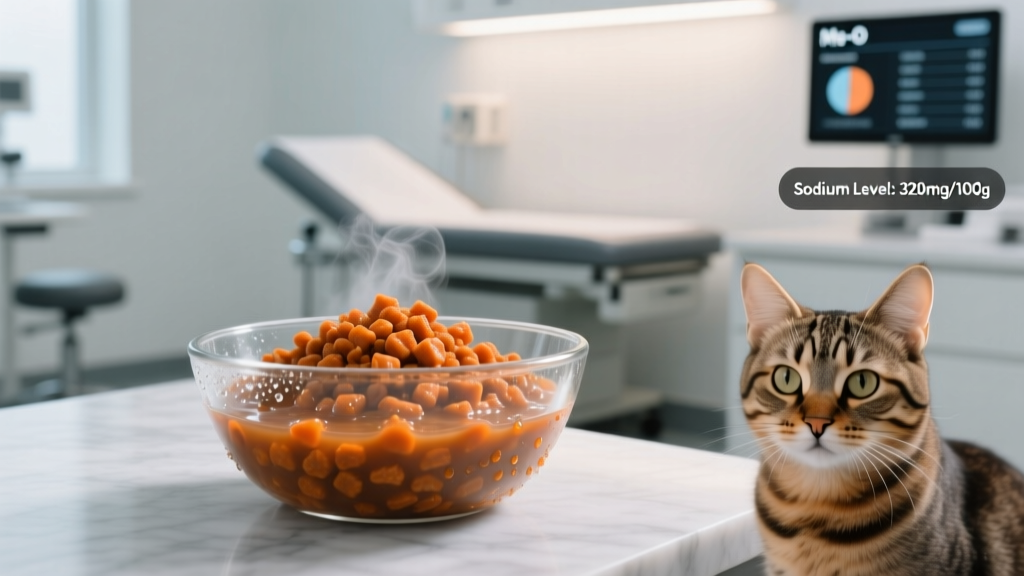
Wet food is often preferred because it supports hydration and can be easier to digest for some cats. That said, some cats tolerate specific dry therapeutic GI diets well, or do best on a mixed plan. The best choice is the one that keeps stools stable, maintains weight, and is nutritionally complete under veterinary guidance.
3) Is a homemade diet better for absorption?
Homemade diets can be customized for fat level, texture, and ingredient selection, which can help certain complex SGS cases. The risk is nutrient imbalance—cats require precise levels of taurine, calcium, trace minerals, and vitamins. If you want to feed homemade, do it only with a recipe formulated for your cat by a veterinarian or board-certified veterinary nutritionist.
4) Do digestive enzymes help cats with SGS?
Digestive enzymes are not universally helpful for SGS. They may be considered if there is a specific diagnosis such as exocrine pancreatic insufficiency (EPI), but routine use without diagnosis can waste time and complicate the diet. Ask your veterinarian whether testing for EPI or other conditions is appropriate.
5) Why is my cat always hungry but still losing weight?
When absorption is poor, cats may eat more but still fail to take in enough usable nutrients and calories. Rapid transit time and malabsorption can drive weight loss despite a big appetite. This needs veterinary attention—your cat may require a different diet strategy, calorie recalculation, B12 supplementation, or additional medical therapy.
6) Are treats okay for a cat with SGS?
Treats can destabilize sensitive GI systems, especially fatty treats, dairy, and high-fiber “hairball” snacks. If treats are used, keep them minimal (generally under 10% of daily calories) and choose simple, vet-approved options that match the main diet as closely as possible.
Veterinary guidance is essential for cats with Short Gut Syndrome. Diet selection, calorie targets, and supplementation (especially cobalamin) should be individualized based on surgical history, stool quality, body condition, and lab results.
If you’re working to optimize your cat’s digestion, weight, and long-term comfort, explore more cat nutrition guides and feeding strategies on catloversbase.com.