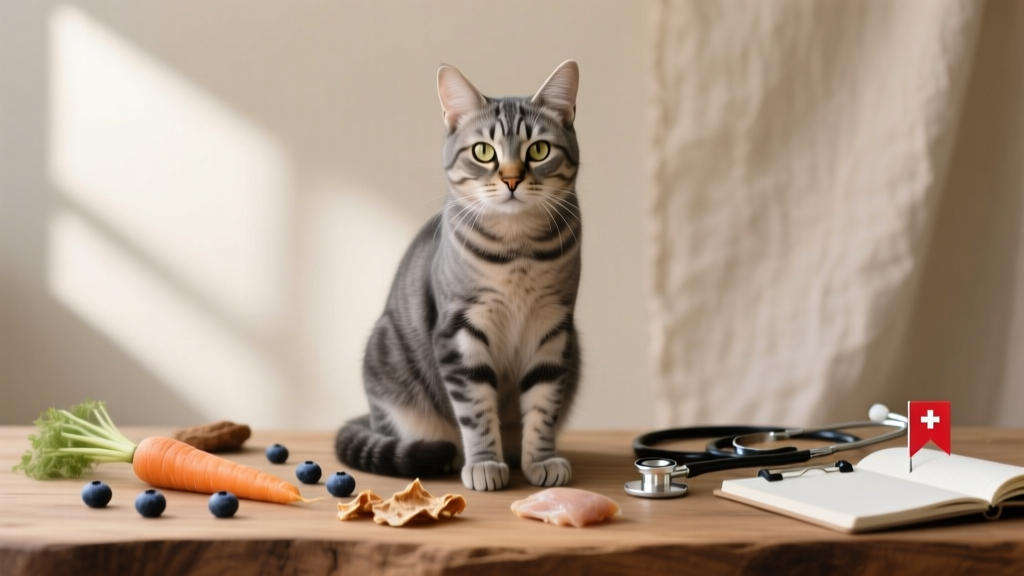
Feeding Cats With Sarcopenia: Leucine-Rich Protein Support
1) Why this nutrition topic matters for cat health
Sarcopenia is the gradual loss of muscle mass and strength that can develop with age or chronic illness. In cats, muscle loss isn’t just a cosmetic change—it can affect mobility, appetite, immune function, recovery from illness, and overall quality of life. A cat that’s losing lean muscle may jump less, play less, and become more fragile during stressful events like surgery or infections.
Nutrition is one of the most powerful tools cat owners can use to support muscle maintenance. Among the nutrients that matter most, dietary protein and the amino acid leucine stand out because they directly influence muscle protein synthesis. When paired with adequate calories and a plan tailored to your cat’s health conditions, leucine-rich protein can help support muscle retention and functional strength.
Veterinary guidance is essential before making diet changes—especially for senior cats and cats with kidney disease, diabetes, gastrointestinal disease, hyperthyroidism, or cancer. The goal is targeted muscle support without worsening underlying conditions.
2) Scientific background: feline nutritional needs and obligate carnivore biology
Cats are obligate carnivores. Their metabolism is adapted to a prey-based diet that is naturally rich in:
- High-quality animal protein (provides essential amino acids)
- Moderate fat (a dense energy source)
- Very low carbohydrate (cats have limited ability to handle high-carb loads)
Unlike omnivores, cats have a high baseline requirement for dietary protein because they continuously use amino acids for energy and metabolic functions. They also require specific nutrients found primarily in animal tissue, including:
- Taurine (heart, vision, reproduction)
- Arachidonic acid (skin, coat, inflammation pathways)
- Preformed vitamin A (vision, immune function)
Muscle maintenance depends on a balance between muscle protein synthesis (building) and muscle protein breakdown (loss). Aging and many diseases can shift that balance toward breakdown. Diet quality, amino acid composition, appetite, and inflammation all influence whether a cat holds onto lean body mass.
3) Detailed analysis: leucine-rich protein and sarcopenia support
What leucine does (and why it matters)
Leucine is a branched-chain amino acid (BCAA) that plays a signaling role in turning on muscle protein synthesis pathways (often described in research via the mTOR pathway). In practical terms: when adequate leucine is present alongside sufficient total amino acids and calories, the body gets a stronger “build muscle” signal after a meal.
For cats with sarcopenia, this matters because:
- They may eat less overall, so each bite needs to work harder nutritionally.
- They may have “anabolic resistance,” where muscles respond less robustly to protein intake with age.
- Illness-related inflammation can increase muscle breakdown.
Protein quality: not all proteins are equal
“More protein” helps only if the protein is highly digestible and supplies all essential amino acids in the right proportions. In cats, animal-based proteins generally provide better essential amino acid profiles and digestibility than many plant proteins.
High-quality animal proteins that tend to be naturally leucine-rich include:
- Poultry (chicken, turkey)
- Fish (varies by species; also contributes omega-3s)
- Egg (excellent amino acid profile)
- Beef and other meats
Calories matter as much as protein
If a cat is not consuming enough calories, the body may use amino acids as fuel rather than for rebuilding muscle. This can accelerate muscle loss even when the diet looks “high protein” on the label.
Key concept: protein + energy supports lean mass best. In underweight cats or cats with poor appetite, calorie density and palatability become priority targets alongside protein selection.
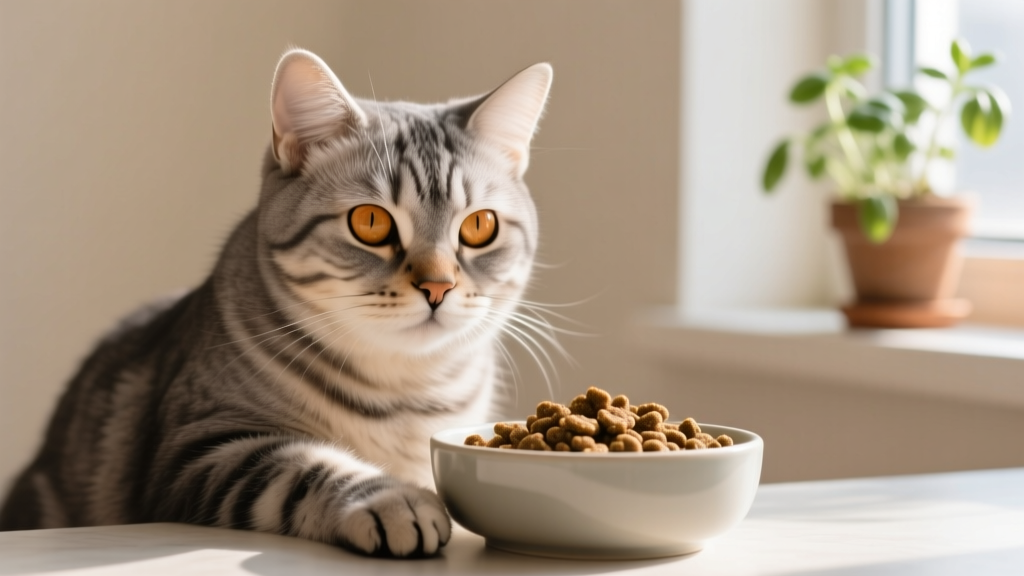
Wet food vs dry food for sarcopenia
Wet foods often help older cats because they deliver:
- Higher moisture (hydration support)
- Strong aroma and palatability (better intake)
- Easier chewing for dental disease or oral pain
Dry foods can be useful when:
- A cat strongly prefers kibble
- Owners need a convenient option for multiple small meals
- A prescription diet is only accepted in dry form
For sarcopenia, the “best” format is the one your cat reliably eats in adequate quantity, with a nutritional profile that supports lean mass and any medical needs.
Other nutrients that support muscle maintenance
Leucine-rich protein is central, but it works best as part of a bigger nutrition strategy:
- Omega-3 fatty acids (EPA/DHA): may support muscle function and help modulate inflammation in some contexts. Talk to your vet before supplementing due to dose sensitivity and calorie impact.
- Antioxidants (vitamin E and others in complete diets): help counter oxidative stress, which may be elevated in aging.
- Vitamin D and minerals: important for muscle and neuromuscular function; avoid “DIY” dosing unless prescribed.
- Highly digestible diets: especially helpful for seniors with reduced digestive efficiency or GI disease.
Evidence-based reality check
Most detailed leucine-sarcopenia research is in humans and other animals, but the underlying biology of amino acid-driven muscle protein synthesis is well established across species. In clinical feline practice, vets typically address muscle loss by prioritizing:
- Maintaining or increasing lean body mass through adequate calories
- Ensuring high-quality, highly digestible animal protein
- Managing underlying disease that drives catabolism (hyperthyroidism, CKD, cancer, dental pain, arthritis)
That’s why “leucine-rich protein support” is best viewed as a practical framing: choose complete and balanced diets built around robust animal protein, and optimize intake and medical management so the cat can actually use that protein to maintain muscle.
4) Practical recommendations for cat owners
What to aim for in a muscle-support diet
- Complete and balanced (AAFCO or equivalent feeding trials/formulation statement)
- Animal protein-forward (named meats/animal meals as primary ingredients)
- Highly palatable so your cat eats enough calories daily
- Digestible (stools stay well-formed; minimal GI upset)
- Appropriate for medical conditions (especially kidney disease and diabetes)
Feeding strategies that help older cats eat more consistently
- Offer multiple small meals (3–6 per day) rather than one or two large meals.
- Warm wet food slightly to enhance aroma (avoid overheating).
- Add a small amount of warm water or vet-approved topper to improve smell and texture.
- Use puzzle feeders or scatter feeding only if the cat is motivated and not arthritic; otherwise keep access easy.
- Track intake and weigh weekly; muscle loss can be subtle until it’s advanced.
5) Comparison of options and approaches
| Option | Pros for Sarcopenia Support | Limitations | Best Fit For |
|---|---|---|---|
| Senior-focused complete wet food (high animal protein) | Palatable; hydration support; easy chewing; often energy-dense | Some formulas are lower protein than expected; can be expensive | Most seniors with reduced appetite or dental issues |
| All-life-stages/high-protein complete wet food | Often higher protein and calories; strong animal ingredient base | May be too rich for some sensitive stomachs; need portion control | Older cats without kidney restrictions who need more lean-mass support |
| Prescription diet (vet-directed) | Targets underlying disease (CKD, GI disease, diabetes); can stabilize drivers of muscle loss | Some cats resist taste; protein level may be moderated in certain conditions | Cats with diagnosed medical conditions contributing to sarcopenia |
| Home-prepared diet (only with a veterinary nutritionist) | Can be customized for appetite, chewing ability, and disease needs | High risk of nutrient imbalance if DIY; requires careful formulation and follow-up | Cats with complex needs or severe food aversions (under professional guidance) |
| Leucine/BCAA supplements | Theoretically supports muscle synthesis signaling | Not a substitute for complete protein; dosing and safety need veterinary oversight | Selected cases where a vet recommends it as part of a plan |
6) Common mistakes and misconceptions to avoid
- Myth: “Any high-protein diet is automatically best for seniors.”
Fact: The right diet depends on the cat’s health status. Cats with kidney disease may need a specialized approach to protein, phosphorus, and calories. Work with your vet to choose the safest plan. - Mistake: Chasing protein percentages without looking at calories.
A cat can eat a “high-protein” food but still lose muscle if overall calorie intake is too low. Appetite and energy density matter. - Myth: “Dry food cleans teeth, so it’s better for older cats.”
Fact: Most kibble does not provide meaningful dental cleaning. Dental pain can reduce intake and accelerate muscle loss—address dental disease directly with veterinary care. - Mistake: DIY meat-only feeding.
Feeding plain chicken/fish as the main diet often leads to calcium, taurine, vitamin, and fatty acid imbalances. This can worsen frailty over time. - Myth: “Weight is the same as muscle.”
Fact: A cat can maintain weight while losing muscle (replacing it with fat). Ask your vet about body condition score (BCS) and muscle condition score (MCS).
7) How to implement changes safely (transition tips)
Older cats are prone to food aversion if a new diet causes nausea or GI upset, so transitions should be gentle.
- Transition over 7–14 days (longer for sensitive cats):
- Days 1–3: 75% old + 25% new
- Days 4–6: 50% old + 50% new
- Days 7–10: 25% old + 75% new
- Then: 100% new if stools and appetite are stable
- Monitor stool, appetite, and energy daily during the switch.
- Weigh weekly (same scale, same time of day). Rapid weight loss needs immediate veterinary attention.
- Protect appetite: If your cat refuses the new food for more than 24 hours (or significantly reduces intake), contact your vet promptly. Cats can develop hepatic lipidosis (fatty liver) when they don’t eat enough.
8) Special considerations: age, health conditions, activity level
Senior cats (generally 10+ years)
- Prioritize palatability and digestibility; consider wet food to support hydration.
- Ask for MCS scoring at vet visits to catch early muscle loss.
- Address arthritis pain—pain reduces movement and can worsen muscle decline. Nutrition alone won’t fix inactivity driven by discomfort.
Chronic kidney disease (CKD)
- Protein strategy may differ. Many CKD cats benefit from controlled phosphorus and careful protein management while still maintaining calories to prevent muscle wasting.
- Never restrict protein aggressively without veterinary direction; inadequate intake can worsen muscle loss.
- Prescription kidney diets may be recommended; if the cat won’t eat them, your vet can help find alternatives.
Diabetes and overweight cats
- High-protein, low-carbohydrate diets are commonly used to support glucose control, but weight loss plans must protect lean mass.
- Aim for gradual fat loss while maintaining protein intake; rapid caloric restriction can increase muscle loss.
Hyperthyroidism
- Untreated hyperthyroidism accelerates muscle breakdown. Nutritional support helps, but medical management is the foundation.
- Once treated, appetite and muscle rebuilding may improve with consistent high-quality protein intake.
Cancer, GI disease, chronic inflammation
- Muscle loss can be driven by inflammation and reduced intake. Highly palatable, energy-dense diets are often necessary.
- Your vet may discuss appetite stimulants, anti-nausea medications, and targeted nutrition plans.
Activity level
- Nutrition works best when paired with safe movement: gentle play, short climbing steps, and physical therapy-style exercises if your vet recommends them.
- For frail cats, focus on stability and consistency rather than intense activity.
FAQ: Feeding cats with sarcopenia
1) How do I know if my cat has sarcopenia or just normal aging?
Look for decreased jumping, thinner hips/shoulders/spine, and reduced strength. Many cats lose muscle before they lose weight. Ask your veterinarian to assess Muscle Condition Score (MCS) along with body weight and Body Condition Score (BCS).
2) Should I add leucine or BCAA supplements to my cat’s food?
Do not add amino acid supplements without veterinary guidance. Cats need a complete amino acid profile, not just extra leucine, and inappropriate supplementation can unbalance the diet or worsen certain conditions. A vet can determine whether a supplement is appropriate and safe.
3) Is a raw diet better for muscle maintenance?
Not automatically. Raw diets can be high in animal protein, but they also carry risks (pathogens, nutrient imbalances, bone hazards), especially for seniors or immunocompromised cats. If you’re considering raw or home-prepared feeding, consult your veterinarian and ideally a board-certified veterinary nutritionist to ensure the diet is complete, balanced, and safe.
4) My cat is overweight but seems weak—should I still feed more protein?
Possibly, but the plan needs to be structured. Some cats have “sarcopenic obesity,” where fat mass is high but muscle mass is low. Your vet can recommend a weight-loss approach that protects lean body mass—typically gradual calorie reduction with adequate high-quality protein and careful monitoring.
5) Can I rely on treats and toppers to boost protein?
Toppers can help stimulate appetite, but treats should not exceed about 10% of daily calories unless your veterinarian advises otherwise. Overusing toppers can unbalance the diet or cause picky eating. Use them strategically to increase total intake of a balanced food, not replace it.
6) What’s the single most helpful step I can take at home?
Track food intake and body weight weekly, and schedule a veterinary checkup if you notice reduced appetite, weight loss, or visible muscle thinning. Early intervention is far more effective than trying to rebuild muscle after significant loss.
Veterinary reminder: Sarcopenia often overlaps with medical issues that require diagnosis and treatment. Talk with your veterinarian before changing protein levels, adding supplements, or switching to therapeutic diets—especially for senior cats or cats with kidney disease.
If you want more practical feeding strategies for senior cats, weight management, and condition-specific nutrition, explore the nutrition guides on catloversbase.com.