Feeding Cats With Cobalamin Malabsorption: Diet Fix
Can I fix cobalamin malabsorption by feeding more B12-rich foods?
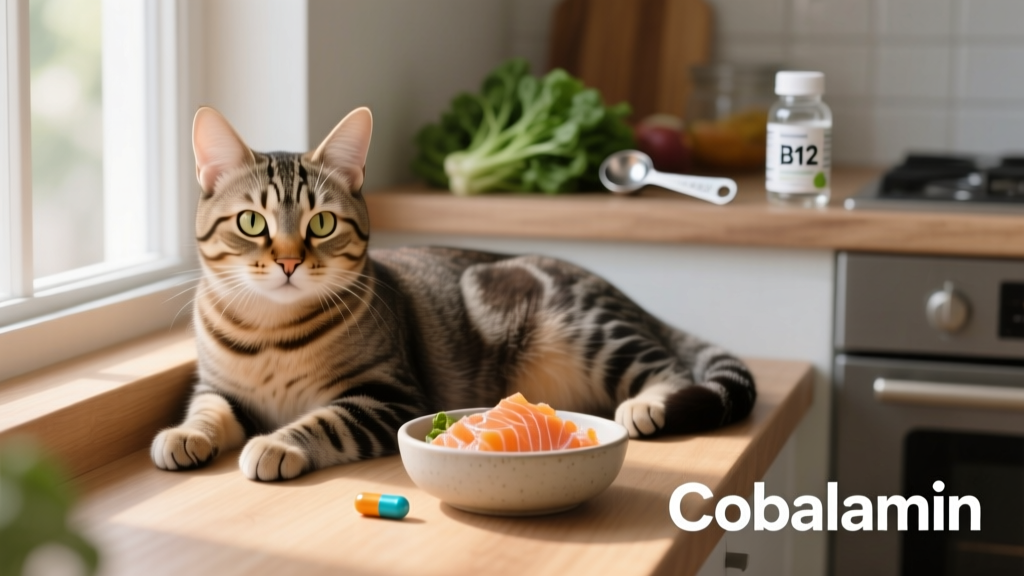
Usually not. When malabsorption is present, the issue is the gut’s ability to absorb cobalamin. Food can support intestinal recovery, but many cats still need veterinarian-directed cobalamin supplementation (often injections at first) and follow-up testing.
What is the best diet type: GI, hydrolyzed, or novel protein?
The best choice depends on the suspected cause. Highly digestible GI diets are often a practical first step for chronic diarrhea. If food sensitivity or IBD is suspected, a hydrolyzed or novel-protein veterinary diet may be more effective. Your veterinarian can help choose and structure an 8–12 week diet trial.
Are over-the-counter “sensitive stomach” foods good enough?
They may help mild cases, but chronic diarrhea, weight loss, or confirmed low cobalamin warrants a more targeted approach and veterinary oversight. Therapeutic diets are formulated with specific digestibility and nutrient profiles that are difficult to match with standard retail foods.
Should I use probiotics for a cat with low B12?
Probiotics can be helpful for some cats with chronic enteropathy, but they’re not a replacement for cobalamin supplementation. Ask your vet for a product and dosing plan appropriate for your cat’s condition and medications.
How long until I see improvement after diet and B12 treatment?
Some cats show appetite and stool improvements within 1–3 weeks, but full GI healing can take longer. Many veterinarians reassess clinical signs and may recheck cobalamin after a supplementation course to confirm levels have normalized.
Can I give my cat human B12 supplements?
Don’t start human supplements without veterinary approval. Dose, formulation, and absorption expectations differ, and your vet may prefer injections or a specific veterinary product and schedule.
Feeding a cat with cobalamin malabsorption is a balancing act: protect the gut, maintain weight, reduce inflammation triggers, and pair diet with the right supplementation plan. For personalized diet selection and safe treatment monitoring, partner with your veterinarian.
For more cat nutrition and therapeutic feeding guides, explore the resources at catloversbase.com.